








Before there was Diana, there was her big sister. In 1977, the most eligible man in Britain was quietly dating Lady Sarah Spencer, the eldest of the Spencer girls: 22, clever, funny, and by every account far less impressed by him than the rest of the country was. Then she did two things that changed the course of royal history. She told a pair of newspaper reporters that she would never marry him. And she invited him to her family’s home for a shooting weekend, where he met her sixteen-year-old sister in a ploughed field. Almost half a century later, the woman who could have been Princess of Wales is still, in her own words, the one who played Cupid.
The Spencer girl who met him first
Elizabeth Sarah Lavinia Spencer was born in March 1955 at Park House, on the Queen’s Sandringham estate in Norfolk, where the Spencer children grew up as neighbours of the royal family. Sarah was the eldest of four: two years older than her sister Jane, six years older than Diana, who is said to have hero-worshipped her, and older still than their brother Charles, the future Earl Spencer. When their grandfather died in 1975, the family moved to Althorp, the Spencer seat in Northamptonshire, and Sarah became Lady Sarah.
By 1977 she was moving in the same circles as the Prince of Wales, and the two dated briefly that year. It was, by most accounts, a light romance rather than a serious one, and it did not survive her own frankness.
“The dustman or the King of England”
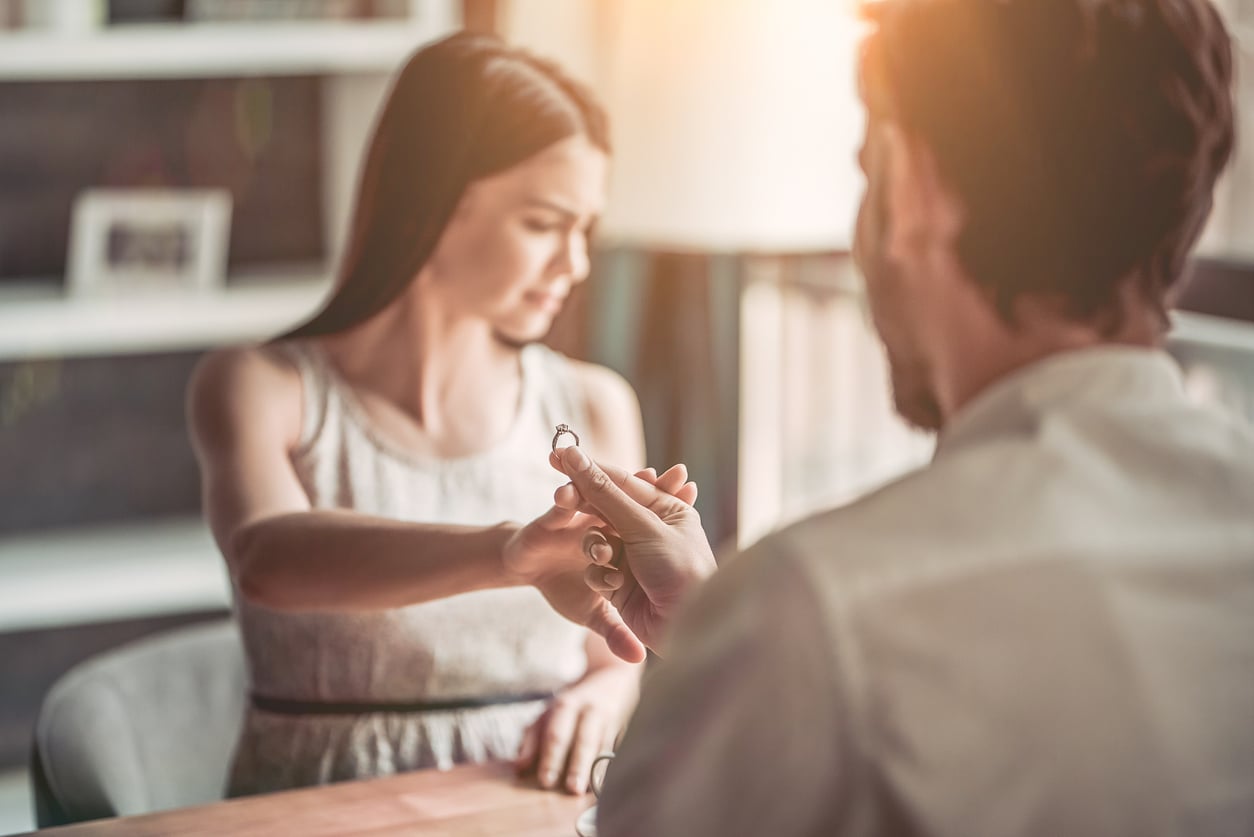
During the relationship, Sarah met two journalists, James Whitaker and Nigel Nelson, over lunch and talked with a candor no royal girlfriend before or since would risk. She spoke about her personal life and, according to the account that followed, said she would not marry the Prince of Wales “if he were the dustman or the King of England.” The remark made the papers, and the romance is widely believed to have ended there. It is hard to imagine a clearer way of taking yourself out of the running for the crown.
What makes the line so striking now is not the rejection itself but how lightly she delivered it. Sarah was not afraid of the prince, or of the palace, or of the consequences. She simply did not want the life, and said so in a way that left no room for doubt.
The weekend that changed everything
The twist came before any of that had fully played out. In November 1977, Charles came to Althorp for a shooting party, as Sarah’s guest. Her little sister Diana, sixteen and just out of school, was home for the weekend. Years later, in their engagement interview, Diana remembered that the two of them “sort of met in a ploughed field.” Charles remembered thinking what a very jolly and amusing and attractive sixteen-year-old she was. A year later, Sarah brought Diana along to the prince’s thirtieth birthday party at Buckingham Palace, according to royal timelines. The rest, in the summer of 1980, moved very fast.
Sarah never pretended to be heartbroken. When the engagement was announced, she summed up her part in it in four words that have been quoted ever since: “I introduced them. I’m Cupid.” It is one of the more remarkable sentences in royal history, spoken by the woman who had turned down, in public and in advance, exactly the life her sister was about to accept.
The life she chose instead
In 1980, the year Diana’s romance with Charles began, Sarah married Neil McCorquodale, a former army officer turned farmer, and moved to the countryside of Lincolnshire, where they raised three children. She became Lady Sarah McCorquodale and has lived, by any royal standard, an almost entirely private life.
But she never stepped away from her sister. When Diana died in Paris in 1997, Sarah and Jane travelled with Charles to bring her home, and both sisters gave readings at her funeral in Westminster Abbey. Sarah became one of the executors of Diana’s will and a guardian of her memory, closely involved with the charitable fund set up in her name. Now 71, she remains a quiet presence at her nephews’ milestones, the aunt who knew both halves of the story before anyone else did.
The women who said no
Sarah Spencer belongs to a small and remarkable club. A few years later, Lord Mountbatten’s granddaughter Amanda Knatchbull turned down Charles’s proposal, having seen royal life up close. A generation later, Chelsy Davy walked away from Prince Harry for much the same reason. What sets Sarah apart is that she did not just decline the crown. She handed it, without meaning to, to her little sister, and has spent the rest of her life making sure Diana’s story is told with care.
The takeaway
She dated him first, said no before anyone had asked, and introduced him to the woman he would marry. Lady Sarah Spencer is one of the least-known figures in the most famous royal story of the twentieth century, and perhaps the one with the clearest view of it. “I’m Cupid,” she said. She was also, it turns out, the one who saw it coming.


