










“The wonderful thing about being a woman and a creative director is that we’re highly organized,” mused Fforme’s Frances Howie. Though she was talking about collection prep, the can-do attitude sentiment pulsed through pioneering American designers — Claire McCardell, Bonnie Cashin, Edith Head, Anne Klein, and, later, Donna Karan.
Howie describes a “beautiful moment of Seventh Avenue ateliers after the war where the American Look was established and American style emerged.” These women broke barriers, and their influence is omnipresent. Eighty years later, a new guard of female creatives is establishing their own mark in the U.S. fashion capital on the wings of those who came before.
New York’s Fashion Capital Origins
Today, women’s clothing drives the American fashion industry — yet its origins trace to an Englishman, Charles Frederick Worth, who opened the first designer-led maison in 19th-century Paris and is credited with birthing the sector in the States.
Decades later, the lesser-known Ethel Traphagen challenged French dominance by championing original designs made in New York. Winner of a 1912 New York Times design contest, the illustrator, designer, and teacher opened the Traphagen School of Fashion in 1923 (closed 1991) opposite Bryant Park — alums included James Galanos, Geoffrey Beene, and Anne Klein (née Hannah Golofsky) — helping cement New York as a fashion capital.
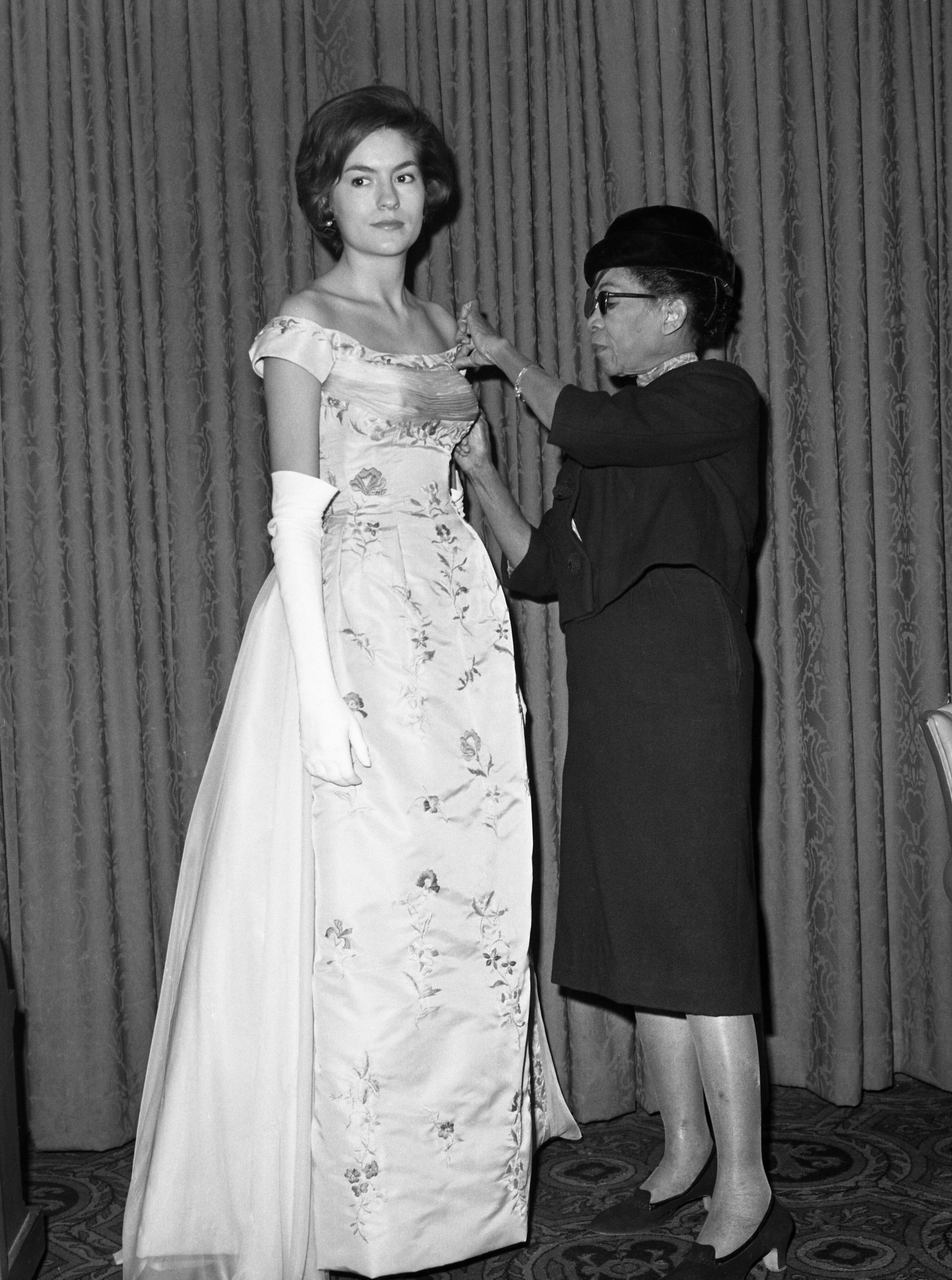
Female designers made their own strides. McCardell, known as the mother of American sportswear, simplified fashion with denim, calico, sashes, spaghetti straps, and menswear touches. Emerging alongside McCardell, Bonnie Cashin — also a theater costume designer — incorporated leather and suede into clothing and groundbreaking accessories design at Coach. African American trailblazer Anne Cole Lowe — designer of the ivory taffeta wedding gown Jacqueline Bouvier wore to marry John F. Kennedy — became the first BIPOC female designer recognized for her work despite facing segregation during her studies.
Other trailblazers include Hattie Carnegie (millinery and namesake suits), Vera Maxwell (ski, tennis, and riding essentials), Adele Simpson (the contemporary and bridge markets), Pauline Trigère (the jumpsuit, sleeveless coat, and reversible cape), and Harlem Renaissance figure Ruth Bailey, who birthed the Afro-centric fashion design concept.
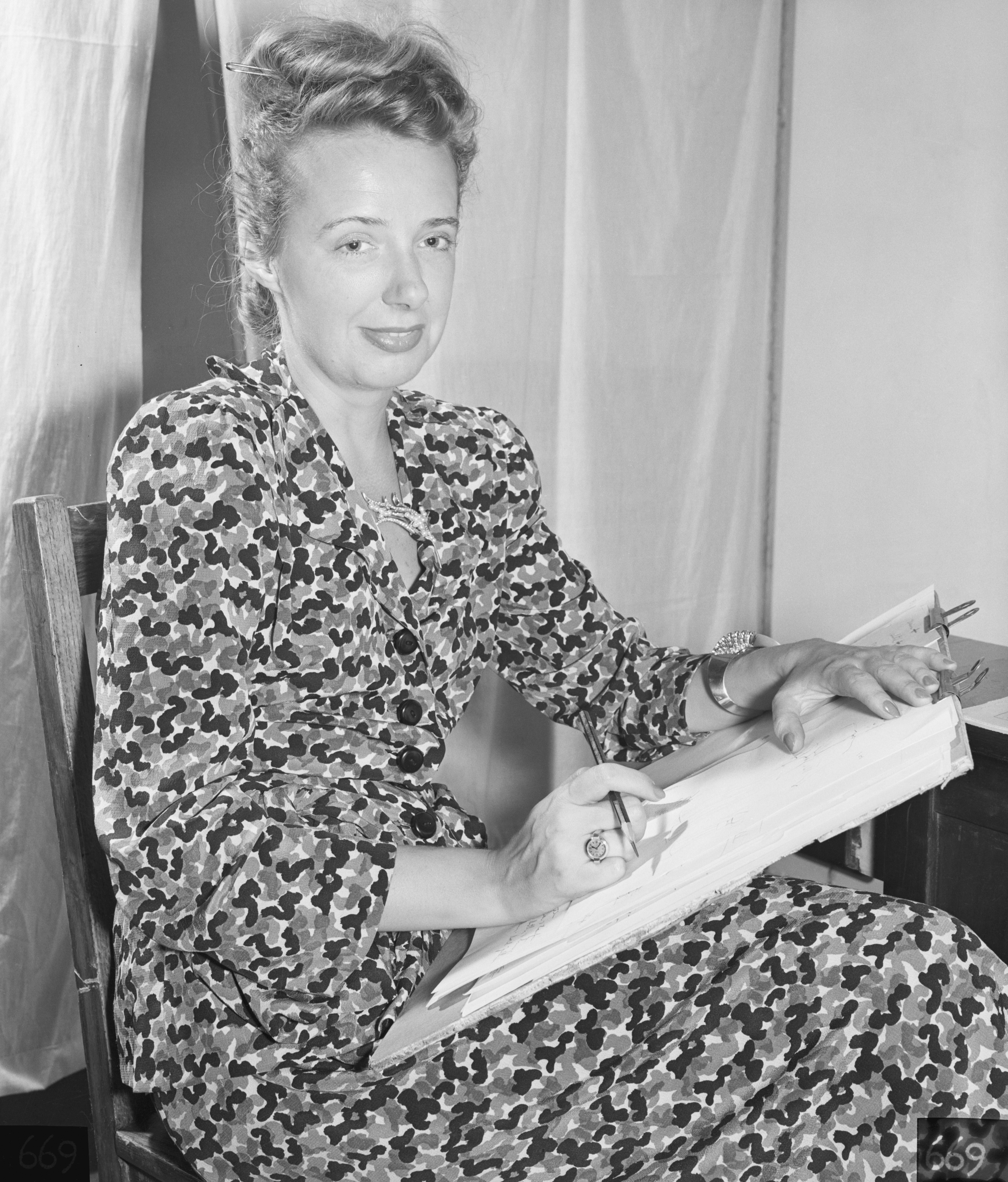
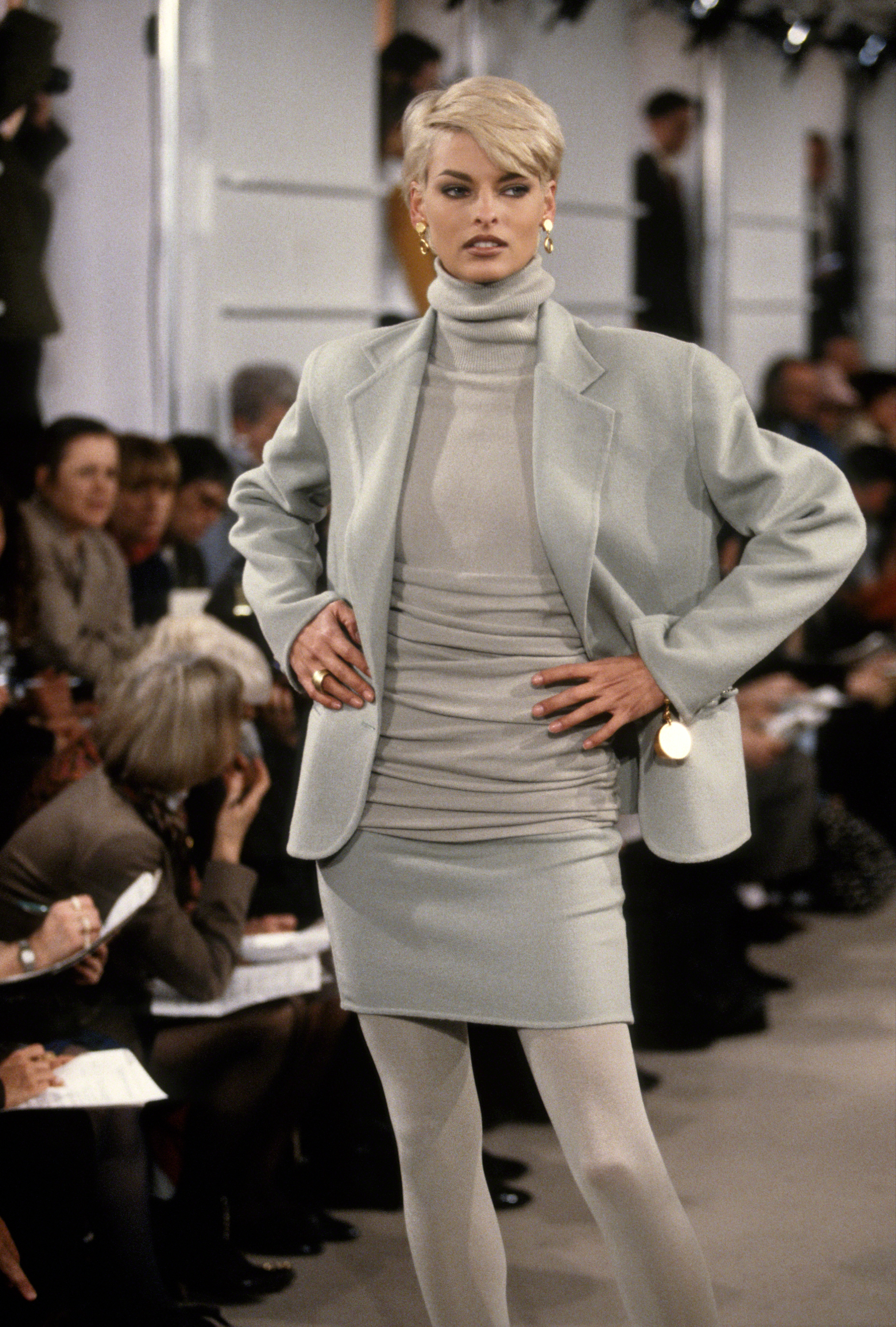
Klein’s training at Traphagen positioned her as the leader in modern sportswear, championing mix-and-match concepts and junior sportswear beginning in the 1950s. Her assistant, Donna Karan — present at the 1973 Battle of Versailles fashion show — shared design reins with Louis Dell’Olio after Klein’s death, before launching her own brand in 1984 with the groundbreaking “Seven Easy Pieces” essentials collection.
From the ’70s Till Today
After the vanguard came a contemporary brigade whose brands remain relevant today: Norma Kamali, Diane von Furstenberg, Betsey Johnson, Tory Burch, and Anna Sui, who is currently enjoying a revival thanks to Gen Z.
Today’s New York design scene is a mix of male- and female-led brands, with several high-profile women carrying forward their predecessors’ independent spirit while advancing the multiculturalism that defines the fashion capital. Four female designers — Rachel Scott of Proenza Schouler and Diotima, Frances Howie of Fforme, Ashlynn Park of Ashlyn, and Camilla Stærk — embody that legacy.
Understanding New York’s pioneers means understanding what they followed: Parisian fashion. Women such as Madame Grès, Madeleine Vionnet, and Coco Chanel set the tone for the modern wardrobe. “They modernized their thinking, applying their design philosophy to their own bodies and tribe of women around them,” said Howie. McCardell’s and Cashin’s contributions have had the most enduring effect on American sportswear.
Stærk — a Danish designer whose design influence pulls equally from her mother’s equestrian roots and her father’s championing of Scandinavian furniture — discovered Cashin’s work during her first New York foray, interning for Patrick Robinson with friend Victor Glemaud.
“I found this vintage Bonnie Cashin bouclé cardigan and skirt set with tiny gold buttons. Victor explained who she was and encouraged me to get it,” Stærk said, adding that Cashin’s “treatment of combining leather and suede with fabrics resonates with me because that was my starting point. She made it light and drapey, and her hardware was on point.” Stærk later carried that sensibility to her furniture designs.
Howie contends these early innovators’ influence could not be overstated. “You can’t detract from those women and what they started with the modern wardrobe conversation. Donna Karan took that and ran with it,” she added, noting Fforme’s effortlessness stems from that same conversation. “We don’t look at the references from these women literally but rather the mentality.”
Park found inspiration from New York designers during her formative years in South Korea and Japan. Her aunt had gifted her an Anne Klein bias-cut skirt she wore religiously. “It made me realize the power of cut,” Park said. In Tokyo, she was struck by Donna Karan designs at Isetan: “There were two jersey draped dresses, structured but not stiff, that fascinated me.”
Scott finds Elsa Peretti’s work still modern and influential, though women such as Ann Lowe are also top of mind. As the first BIPOC female designer to win CFDA American Womenswear Designer of the Year and the first female creative director at Proenza Schouler, she carries the weight of the honor.
“Many BIPOC women creatives came before me and paved the path. I’m not the first; others who were doing incredible work weren’t given the opportunity or recognition, which is weird,” Scott said, adding, “It’s a lot of responsibility to deliver incredible work to honor those who deserved it.”
New York Women by Design
The New York woman is equally an influence. “I create modern armor for the New York warrior woman. Strength is about daring to be vulnerable; New York has that,” Stærk observes.
Park’s stints at Yohji Yamamoto and Issey Miyake shaped her perspective: “Korea taught me to trust my instinct, Japan taught me construction, and New York taught me about the reality of female customers’ lives,” she explained, adding, “New York fashion is very grounded in real life.”
“I love the confidence and endless appetite for beauty — it’s inspiring. Our atelier is in Soho, and it’s exciting to watch the women of New York show their style on the streets,” said Howie, describing their customers as “connected to the zeitgeist, possibly a creator and someone who consumes art and literature.”
All agree that a woman-led company creates a different environment — one with more nurturing and supportive advice.
“Figuring out how to sustain yourself is definitely a challenge; you have to take care of yourself,” said Scott, who helms two brands. Veteran designer Maria Cornejo advised her. “If something doesn’t feel right for you, then you don’t internalize that. I’ve internalized things that can make you sick, so I’m learning not to do that.”
Besides the Japanese men, Park worked for Alexander Wang and Raf Simons, experiences she calls incomparable and a source of gratitude, but also “unforgiving” and lacking in female mentorship save for her role at Nili Lotan.
Becoming a mom also cemented her ambition for change. “As the ‘mother,’” Park said. “I share my wisdom and help nurture a beautiful company for my team. I want to make this experience fun and not dark.”
Scott concurs. “I’ve worked for both men and women; women listen, which I appreciate. There’s a lot more flexibility and negotiation that comes with being a woman. That’s a better way to lead,” she added.
New York or Nowhere
Both Howie and Stærk see optimism in the New York industry, driven especially by female energy. “There’s an openness to new ideas in New York as long as you know what you stand for,” Stærk notes.
“There is a power and energy around entrepreneurial optimism; it’s open to ideas more than other cities. New York’s women have a confidence that anything is possible and ours for the taking. The community here gets behind something enthusiastically, and positively — that’s a powerful force,” Howie explained, adding, “We need beauty, art and fashion more than ever to feel optimistic, especially now.”
For Scott, that outlook was recently embodied by the underdog New York Knicks, a spirit she compares to the fashion industry. “Don’t expect us to fall into the framework of what you think we can do; we’re incredibly determined and creative. We are the fashion underdog. I like working from that place because I love to prove people wrong.”
Ethel Traphagen, no doubt, would agree.


