










 Before she was a global
industry, Jane Austen was an anonymous debutante.
When Sense and Sensibility appeared in
1811, its title page credited only “a Lady,” and its author had
paid for the printing herself, so unsure was the world that anyone
wanted this story. The world, as it turned out, wanted little else.
The novel of the Dashwood sisters, cast out of
their family estate by the cruel arithmetic of inheritance and left
to navigate love on five hundred pounds a year, established the
great Austen equation once and for all: money is the plot, marriage
is the market, and feeling is the currency women are told to spend
wisely. In Elinor and Marianne, sense and sensibility made flesh,
Austen split the female heart into its two competing instincts,
restraint and abandon, and then spent three hundred pages proving
that neither survives without the other. Two centuries later, that
argument has lost none of its urgency, which is why the
announcement of a new film version, the first for the big screen in
three decades, has felt less like nostalgia and more like a
homecoming.
Before she was a global
industry, Jane Austen was an anonymous debutante.
When Sense and Sensibility appeared in
1811, its title page credited only “a Lady,” and its author had
paid for the printing herself, so unsure was the world that anyone
wanted this story. The world, as it turned out, wanted little else.
The novel of the Dashwood sisters, cast out of
their family estate by the cruel arithmetic of inheritance and left
to navigate love on five hundred pounds a year, established the
great Austen equation once and for all: money is the plot, marriage
is the market, and feeling is the currency women are told to spend
wisely. In Elinor and Marianne, sense and sensibility made flesh,
Austen split the female heart into its two competing instincts,
restraint and abandon, and then spent three hundred pages proving
that neither survives without the other. Two centuries later, that
argument has lost none of its urgency, which is why the
announcement of a new film version, the first for the big screen in
three decades, has felt less like nostalgia and more like a
homecoming.
The Adaptation Canon: From Ang Lee’s Miracle to Sea Monsters
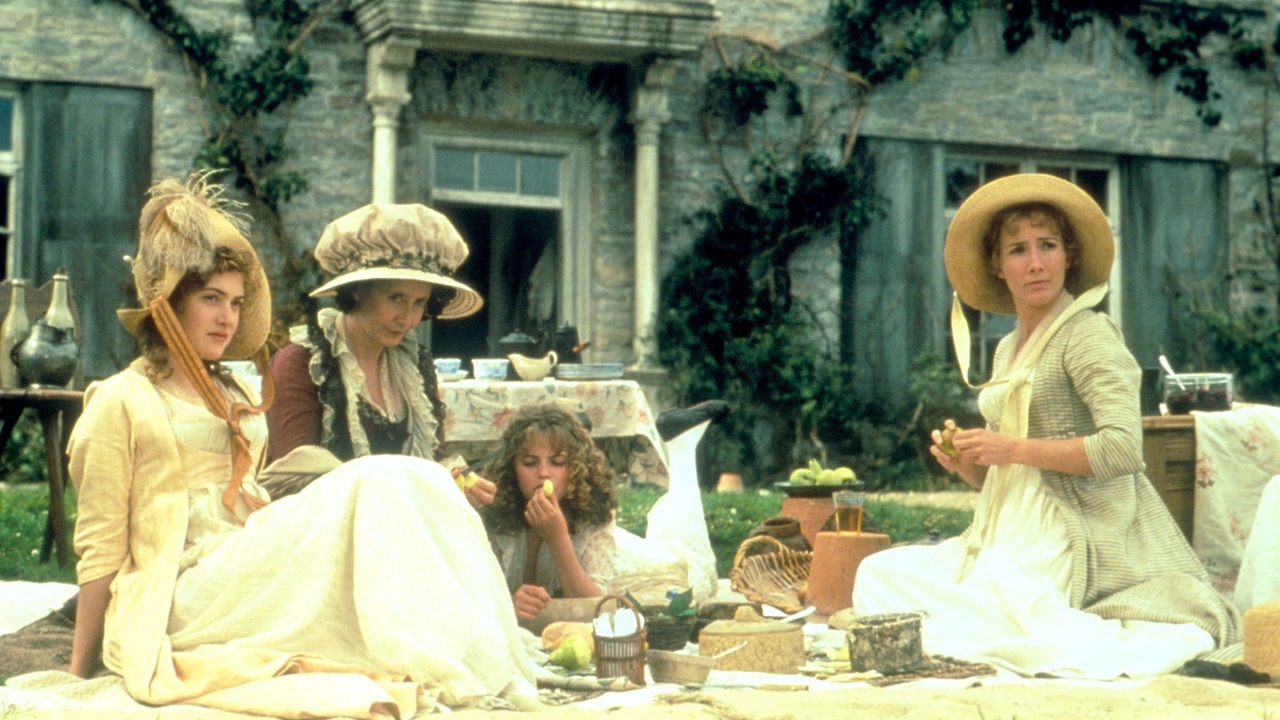
Every new Dashwood story walks in long shadows. The tallest was cast in 1995, when Ang Lee directed Emma Thompson‘s screenplay into seven Oscar nominations and one historic win: Thompson remains the only person to hold Academy Awards for both acting and writing, having starred as Elinor opposite Kate Winslet‘s incandescent Marianne, with Hugh Grant and Alan Rickman completing the spell. That film did more than adapt a novel; it ignited the Austen renaissance of the Nineties and set the visual grammar (windswept moors, rain-soaked declarations, agonized glances across drawing rooms) that every period drama since has either borrowed or resisted. Television had its say too, from the stately BBC serials of 1971 and 1981 to Andrew Davies’s sensual 2008 miniseries, which introduced Dan Stevens to costume drama and dared to open with a seduction. And the novel’s DNA has proven endlessly transplantable: it became a Tamil musical in Kandukondain Kandukondain with Aishwarya Rai, a Latina comedy in From Prada to Nada, even a monster-mashup bestseller in Sense and Sensibility and Sea Monsters. Few books have been reread this promiscuously by pop culture, and fewer still have survived every rereading with their dignity intact.
The New Chapter: Georgia Oakley’s Lived-In Regency
Now comes the boldest revision yet. Arriving in theaters this October from Focus Features and Working Title, the new Sense and Sensibility is directed by Georgia Oakley, whose BAFTA-nominated debut Blue Jean announced a filmmaker of rare emotional precision, from a script by novelist Diana Reid. Daisy Edgar-Jones, who made yearning an art form in Normal People, plays the reserved Elinor, opposite Esmé Creed-Miles as the passionate Marianne, a pairing with history: the two acted together as teenagers, and their chemistry reportedly sealed the casting. Around them, an embarrassment of riches, with Caitríona Balfe as Mrs. Dashwood, George MacKay as Edward Ferrars, Frank Dillane as Willoughby and Fiona Shaw as Mrs. Jennings. What distinguishes Oakley’s vision, though, is its texture. Citing references like Portrait of a Lady on Fire and Godland rather than the heritage-cinema playbook, the director has declared herself tired of the “fetishization of that time period” and set out to make a Regency that feels inhabited: moldy cottages by the sea, hair that took minutes rather than hours, human beings instead of porcelain. The first images bear it out, all wind, wool and unguarded sisterly intimacy, under a poster tagline that locates the love story exactly where Austen put it, between the sisters themselves. If the 1995 film taught a generation to swoon, this one seems determined to make a new generation recognize itself. Austen, who knew that romance begins with realism, would surely approve.


