










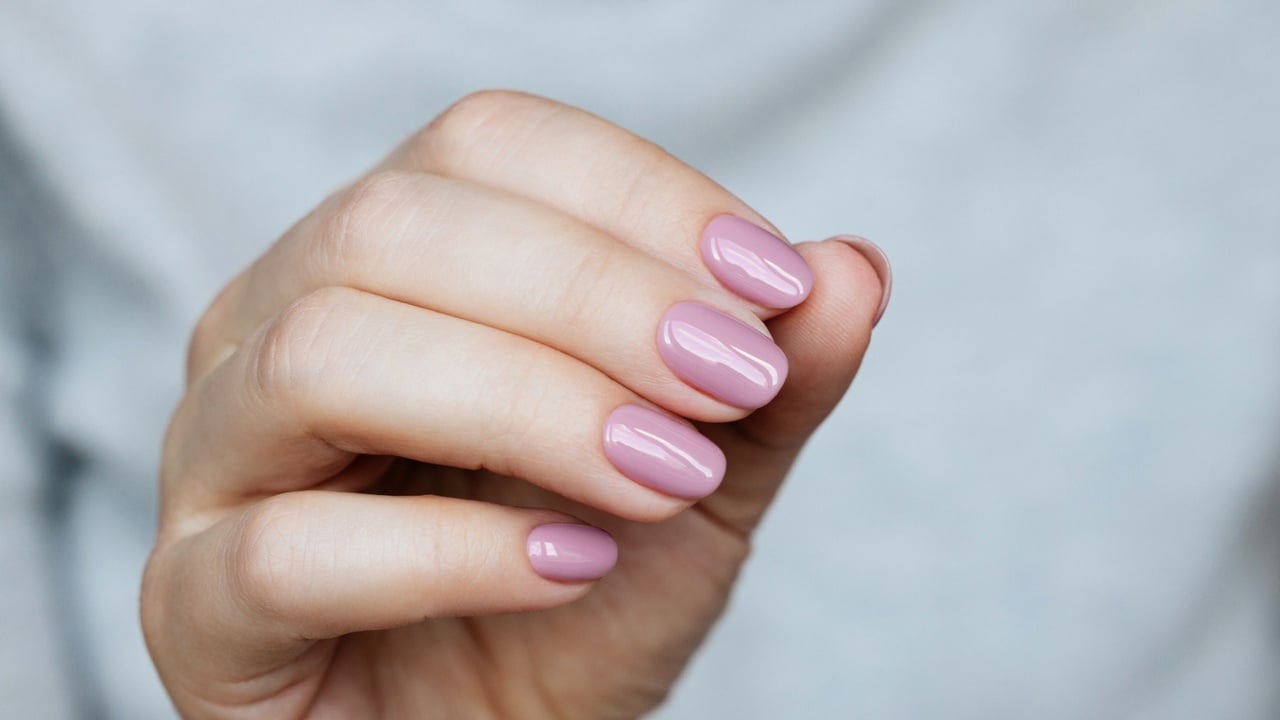
The Russian manicure begins where most nail appointments usually hurry past: the fine border between skin and polish. That narrow line around the cuticle may seem like a technical detail, yet it can change the entire expression of the hand. When the area looks perfectly clean and the color sits close to the base of the nail, even the simplest shade gains a sharper presence. A sheer pink suddenly feels more deliberate. A glossy nude looks more finished. A deep red acquires that almost lacquered perfection usually associated with editorial close-ups. Its rise makes sense in a beauty moment obsessed with polish that rewards a second look. Minimal manicures, milky tones and short glossy nails all depend on immaculate prep, because there is nowhere for the eye to hide. The Russian manicure turns that preparation into the real luxury of the service. The color matters, of course, but the frame around the nail carries much of the effect. It gives the hand a cleaner line and makes regrowth look less obvious, which explains why the technique has become such a coveted salon request.
What Makes a Russian Manicure Different
 A Russian
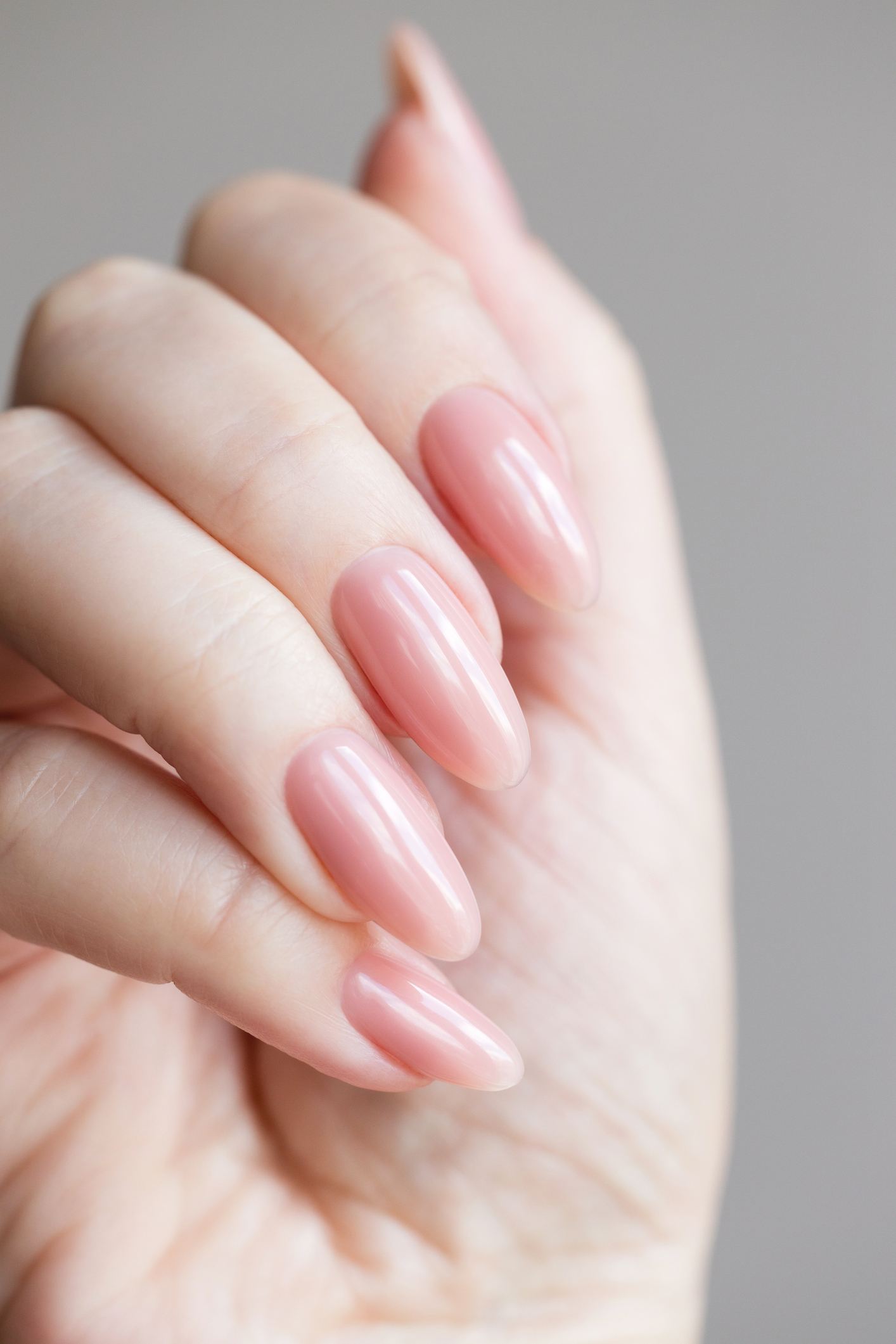
manicure is usually performed dry, without the soaking
step used in many traditional manicures. Instead, a trained nail
technician works around the cuticle area with an electric file and
fine drill bits, removing dead skin from the nail plate and
cleaning the sidewalls with extreme precision. The goal is to
create a smoother surface so gel or polish can sit closer to the
base of the nail. That closeness is the reason the result looks so
seamless. Because the polish starts nearer to the cuticle line,
regrowth appears more slowly, and the manicure can look fresh for
longer. The finish often reads as more “lifted” on the hand because
there is less visual interruption between skin and nail. This is
why the technique has become especially popular with people who
love minimal manicures. A pale pink, a sheer nude or a deep wine
shade suddenly looks sharper when the surrounding skin has been
prepared with that level of detail.
A Russian
manicure is usually performed dry, without the soaking
step used in many traditional manicures. Instead, a trained nail
technician works around the cuticle area with an electric file and
fine drill bits, removing dead skin from the nail plate and
cleaning the sidewalls with extreme precision. The goal is to
create a smoother surface so gel or polish can sit closer to the
base of the nail. That closeness is the reason the result looks so
seamless. Because the polish starts nearer to the cuticle line,
regrowth appears more slowly, and the manicure can look fresh for
longer. The finish often reads as more “lifted” on the hand because
there is less visual interruption between skin and nail. This is
why the technique has become especially popular with people who
love minimal manicures. A pale pink, a sheer nude or a deep wine
shade suddenly looks sharper when the surrounding skin has been
prepared with that level of detail.
What to Know Before Booking One
 The Russian
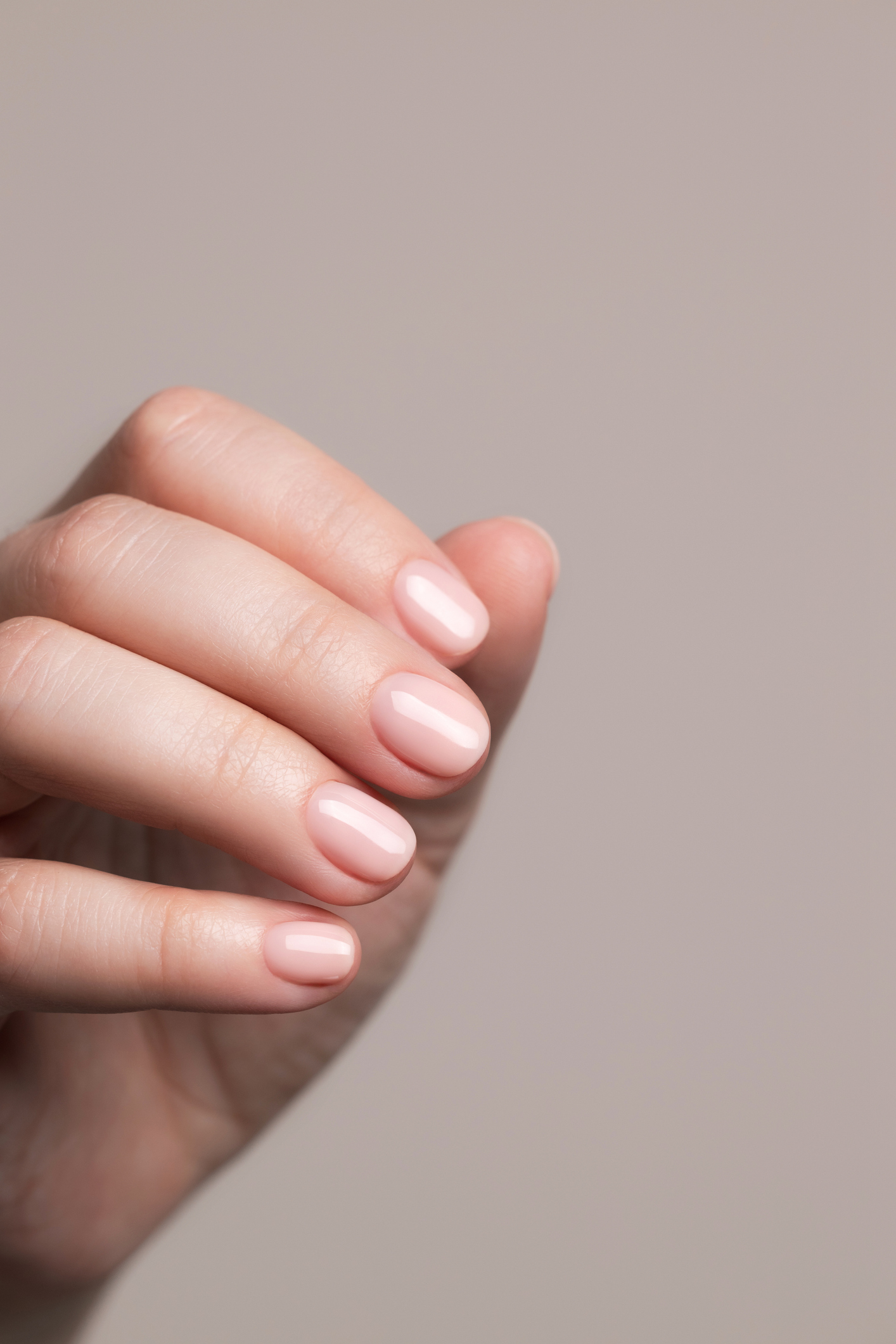
manicure is not a casual add-on to request without looking
carefully at the salon first. The result depends heavily on
training, hygiene and restraint. An electric file in expert hands
can create that clean, camera-ready effect; used too aggressively,
it can irritate the skin or thin the nail plate. Tools should be
properly sterilized, the technician should understand the
difference between dead cuticle tissue and living skin, and the
service should never feel rushed. It is also worth considering your
own nail condition. If the skin around the nails is irritated,
broken or prone to infection, this may be a treatment to skip until
the area has healed. Those with very sensitive skin should ask for
a gentler approach, because the beauty of the technique comes from
precision rather than intensity. The best version should look
immaculate without leaving the cuticle area sore afterward. That is
the real reason the Russian manicure has become
such a beauty obsession. It does not rely on nail art or an unusual
color to create impact. It makes the ordinary manicure look more
deliberate, almost hyper-polished, as if the hand has been edited
at the smallest possible scale. Done well, the result is quietly
addictive. Done carelessly, it loses the very elegance that made
the trend worth booking in the first place.
The Russian
manicure is not a casual add-on to request without looking
carefully at the salon first. The result depends heavily on
training, hygiene and restraint. An electric file in expert hands
can create that clean, camera-ready effect; used too aggressively,
it can irritate the skin or thin the nail plate. Tools should be
properly sterilized, the technician should understand the
difference between dead cuticle tissue and living skin, and the
service should never feel rushed. It is also worth considering your
own nail condition. If the skin around the nails is irritated,
broken or prone to infection, this may be a treatment to skip until
the area has healed. Those with very sensitive skin should ask for
a gentler approach, because the beauty of the technique comes from
precision rather than intensity. The best version should look
immaculate without leaving the cuticle area sore afterward. That is
the real reason the Russian manicure has become
such a beauty obsession. It does not rely on nail art or an unusual
color to create impact. It makes the ordinary manicure look more
deliberate, almost hyper-polished, as if the hand has been edited
at the smallest possible scale. Done well, the result is quietly
addictive. Done carelessly, it loses the very elegance that made
the trend worth booking in the first place.


