










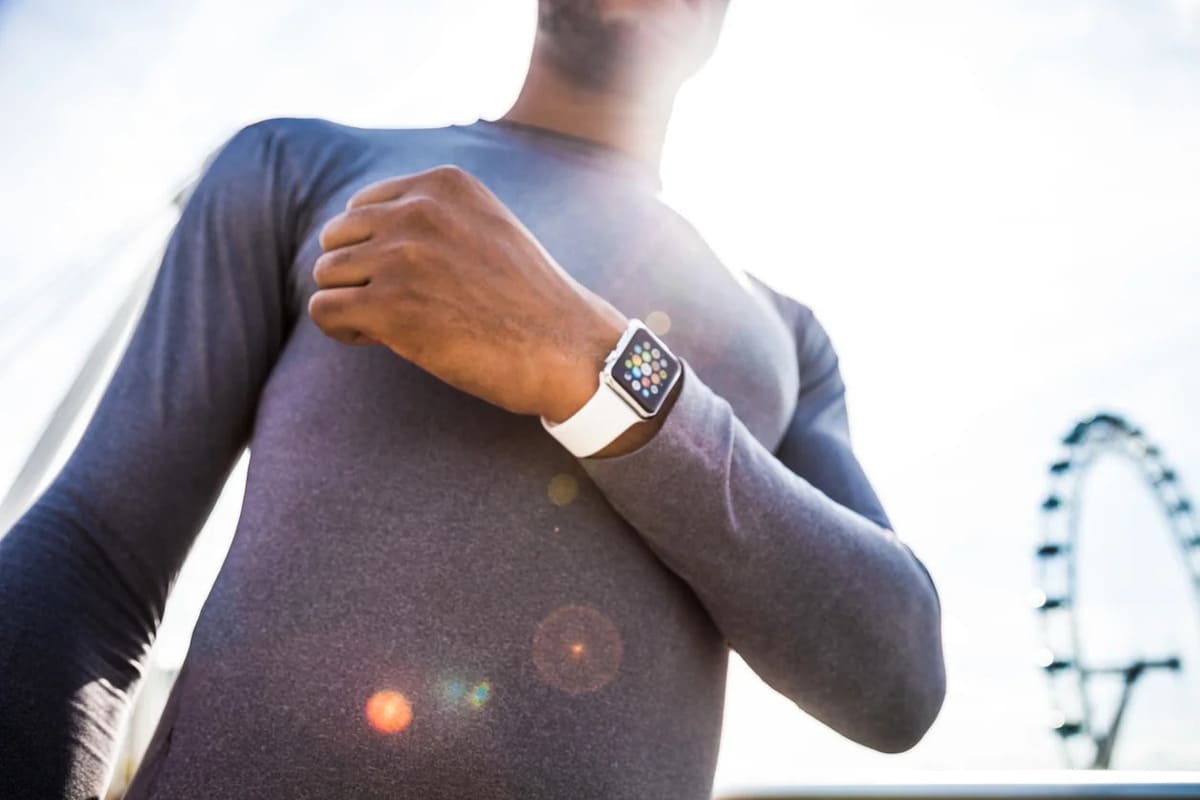
Wearable choice quietly reshapes daily health habits
One device focuses on deep recovery patterns; another keeps workouts, apps and calls close at hand.
You may start with a simple question: do you want something on your finger, or something on your wrist? Then the choice suddenly feels less simple. Both devices promise health insight, both track daily movement, and both are rated 4.5 by Forbes Vetted. Yet after months of testing, the better pick depends less on which wearable looks more advanced and more on what you actually want to change in your routine.
Why this comparison feels so confusing
Forbes Vetted’s tech team tested both devices for several months, looking at design, sleep-tracking capabilities, fitness-tracking features and battery life. The Oura Ring 4 and the Apple Watch Series 11 are both health trackers at their core, but they do not behave like the same kind of product.
The Oura Ring 4 is a smart ring available in sizes 4 to 15. It weighs 4 to 6 grams, measures 7.9mm wide and 2.8mm thick, and is made with lightweight titanium plus a non-allergenic, non-metallic inner molding. It works with iOS and Android, is water resistant up to 328 feet, and starts at $349 in finishes including Silver, Black, Stealth, Brushed Silver, Gold and Rose Gold.
The Apple Watch Series 11 is a smartwatch made for iOS. It starts at 1 ounce and up, has a display size of 1.7 inches and up, and comes in 42mm and 46mm sizes. Aluminum starts at $399, while titanium starts at $699. So what are we really choosing: a quiet health sensor, or a connected screen that also tracks health?
The real split is sleep depth versus live fitness
The Oura Ring 4 goes deeper on sleep. It tracks total sleep, efficiency, sleep stages, time spent in each stage, latency, meaning how long it takes to fall asleep, and sleep debt hours. In testing, it also connected sleep patterns with other metrics, such as whether a workout happened that day and what kind of workout it was.
That matters because the ring is built around continuous health patterns. It provides 24/7 heart rate tracking and robust health-tracking metrics, but full access requires a subscription of $70 per year or $6 per month. Its battery can last around seven days on a single charge, and larger sizes can last up to eight days. A full charge takes 80 minutes.
The Apple Watch Series 11 is stronger when movement is happening in real time. It tracks steps, heart rate and fitness data, but it can also detect movement automatically and register activity as it happens. During testing, it identified activities such as outdoor walks and yoga without manual recording, and it detected strokes during lap swimming.
It also uses the iPhone’s Health app to house health data. A tester found that it tracked heart rate variability, including time spent in certain zones, walking heart rate and how long the body took to return to normal after exercise. That is the clearest advantage for runners, cyclists and anyone who wants live feedback while training.
What you gain, and what you give up
The Oura Ring 4 is less useful if you want to track fitness in real time. Forbes Vetted’s panel testing found it could take several minutes to register workouts, and its fitness insights were less comprehensive than smartwatch-style fitness trackers. Still, one useful detail stood out: it could track activities such as housework as fitness.
The Apple Watch Series 11 brings more than health tracking. Depending on model and connectivity, it can help you take calls, respond to texts, listen to Spotify and use app integrations without reaching for your iPhone. Unless you add an app that requires one, there is no subscription needed to access the health data it provides.
Sleep is where the balance shifts again. The Apple Watch tracks sleep duration, sleep stages and time spent in those stages, and it offers sleep apnea tracking. When enabled and worn overnight, it monitors sleep disturbances over a 30-day period and can alert you if signs appear. It can also provide a PDF of sleep data for a doctor. The latest model also offers hypertension tracking as of this year, which also runs over 30 days when enabled.
Battery life may decide it for some users. The Apple Watch lasted around 24 hours with normal use in testing, and power-saving modes extended it to around 30 hours. It charges quickly, with 30 minutes providing up to 80% battery. The Oura Ring lasts far longer between charges, and the $99 Oura Ring Charging Case can charge the ring up to five times.
The smarter pick depends on your habits
You now know the choice is not simply ring versus watch. The Oura Ring 4 is the stronger option if you want detailed sleep health, long battery life and data that may help you spot behavioral and lifestyle patterns. The Apple Watch Series 11 is the better match if you want real-time fitness tracking, app integrations and a seamless Apple ecosystem experience.
For casual fitness enthusiasts or anyone focused on sleep and recovery, the ring makes sense. For runners, cyclists and users who want calls, music and workouts from the wrist, the smartwatch is more practical. The empowering takeaway is simple: choose the device that fits the habit you actually want to improve.


