










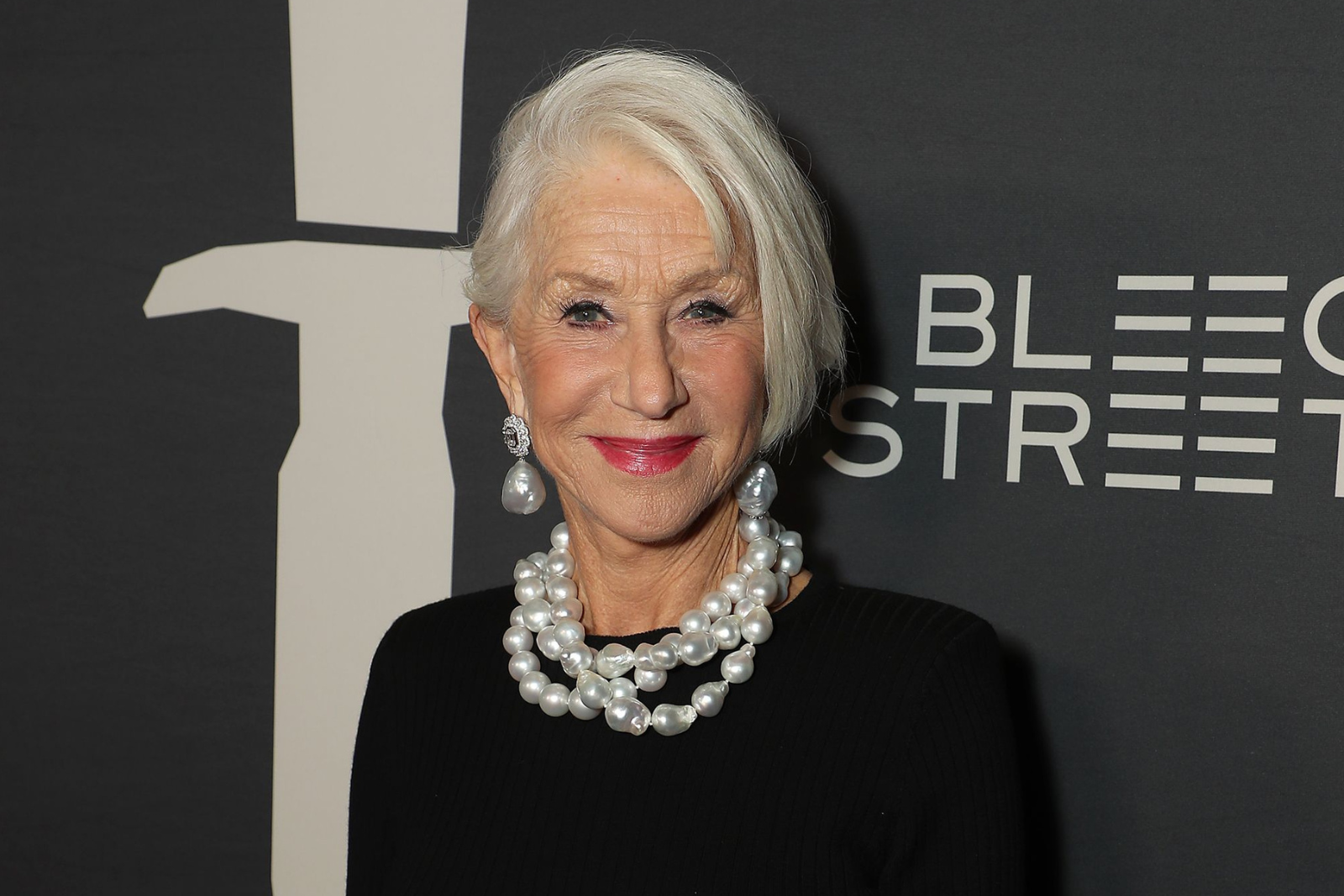
When women stop coloring their hair, the conversation is almost always about the hair itself: the cut, the transition, the shampoo that keeps silver bright. Yet the moment the color around the face changes, one small detail can quietly throw everything off, and it is usually the one you draw on every morning without thinking.
In short
- The brow pencil that matched your old color can look too dark and harsh next to gray hair.
- Bobbi Brown suggests a gray pencil for fully gray hair, and one shade lighter than your natural brows if you are salt-and-pepper.
- Gucci Westman advises matching the warmth of your skin and hair, and checking old photos for your original brow color.
Why does your old brow pencil suddenly look wrong?
Brows frame the face, so their color has to make sense with the hair around it. A black or dark brown pencil that looked natural with dyed brunette hair can read as heavy and severe once the hair is silver. “Add definition by filling in eyebrows with the right shade to avoid looking pale,” says makeup artist Bobbi Brown, who founded Bobbi Brown Cosmetics and, later, the brand Jones Road. The key words: definition, not contrast.
Makeup artist Gucci Westman, founder of Westman Atelier, admits there is no one-size-fits-all rule. “When it comes to grey hair, the answer isn’t 100% straightforward,” she writes in her Gucci’s Guide column. The usual guideline, a pencil about two shades darker than the hair on your head, stops being useful when that hair is gray.
Fully gray or salt-and-pepper: two different answers
Bobbi Brown splits it in two. “I suggest that those who are totally gray use Jones Road’s The Brow Pencil in Grey,” she says. For hair that is still mixed, her rule is just as simple: “If you’re more salt-and-pepper, going one shade lighter than your natural brow color should do the trick.” Either way: lighter and softer than before, never darker.
Warm or cool: the detail most women miss
Gucci Westman adds a second filter: undertone. If your gray is mixed with warm chocolate, auburn or golden blonde, or if your skin is olive or golden, “you may want to try a brow shade that’s also on the warmer side,” she says. If your hair has ashy tones or your skin is cool, a cooler, grayer shade will look more natural. Her other tip is surprisingly simple: look at photos of yourself in your teens or twenties, because brow color often stays close to what it was.
How to find your shade
- Start lighter than you think. You can always build color; a pencil that is too dark is hard to soften.
- Test in daylight. Bathroom lighting hides how harsh a dark brow can look next to silver hair.
- Check the undertone. Warm hair and skin call for a warmer shade; ashy gray calls for a cooler one.
- Revisit your other makeup too. The same logic applies to your eyeliner after 50.
The limit
There is no universal shade. Between them, the two makeup artists point to three variables, the amount of gray, your natural brow color and your undertone, and a pencil name that works for one woman may look wrong on another. When in doubt, Westman recommends a shade consultation.
If you are still in the middle of your transition, our guides to growing out long gray hair and to the short haircuts that make silver strands look chic can help with the rest.
The bottom line
Going gray is not only a hair decision. The brows that framed your face for years need to follow, and the rule is easier than it sounds: not black, not dark brown, but a lighter, softer shade that matches the warmth of your new color.


