










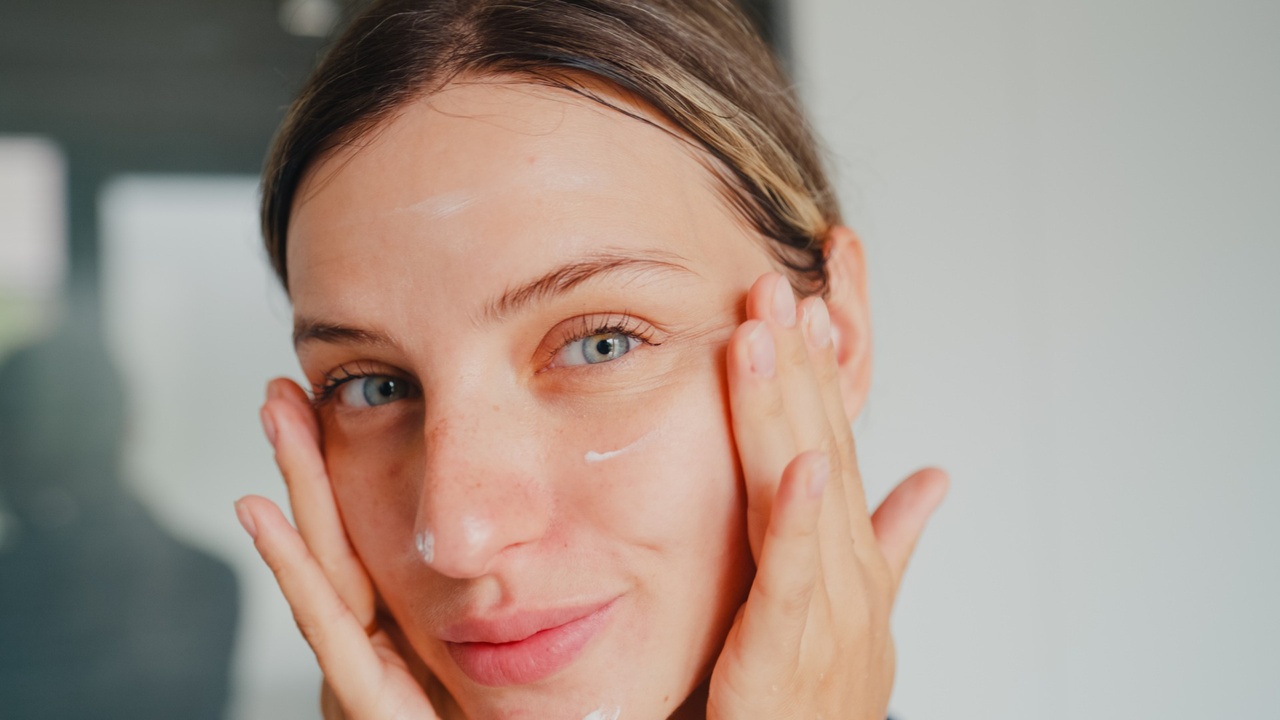
 Every beauty generation
eventually rediscovers the product that was sitting in the bathroom
all along. Before skincare became a language of acids, peptides and
highly specific serums, there was the blue tin: thick, familiar,
almost stubbornly old-fashioned. Now Nivea Creme
has found its way back into the conversation through a very
contemporary ritual. The method is slugging, a
Korean-inspired skincare technique that uses a rich occlusive layer
as the final step of an evening routine, creating a kind of
overnight seal for hydration. The appeal is easy to understand.
Nivea Creme does not behave like a light modern
moisturizer. Its texture is dense and protective, built for skin
that feels tight, dry or slightly weathered by cold air, heating or
overzealous cleansing. Used in the right way, it can make the
surface of the skin feel softer by morning because it helps slow
water loss from the outer layers. That is the real story behind the
glow. It is not a face-lift in a tin, and it does not pretend to be
one. It works more like a blanket for the skin barrier.
Every beauty generation
eventually rediscovers the product that was sitting in the bathroom
all along. Before skincare became a language of acids, peptides and
highly specific serums, there was the blue tin: thick, familiar,
almost stubbornly old-fashioned. Now Nivea Creme
has found its way back into the conversation through a very
contemporary ritual. The method is slugging, a
Korean-inspired skincare technique that uses a rich occlusive layer
as the final step of an evening routine, creating a kind of
overnight seal for hydration. The appeal is easy to understand.
Nivea Creme does not behave like a light modern
moisturizer. Its texture is dense and protective, built for skin
that feels tight, dry or slightly weathered by cold air, heating or
overzealous cleansing. Used in the right way, it can make the
surface of the skin feel softer by morning because it helps slow
water loss from the outer layers. That is the real story behind the
glow. It is not a face-lift in a tin, and it does not pretend to be
one. It works more like a blanket for the skin barrier.
Why the Blue Cream Works So Well for Slugging
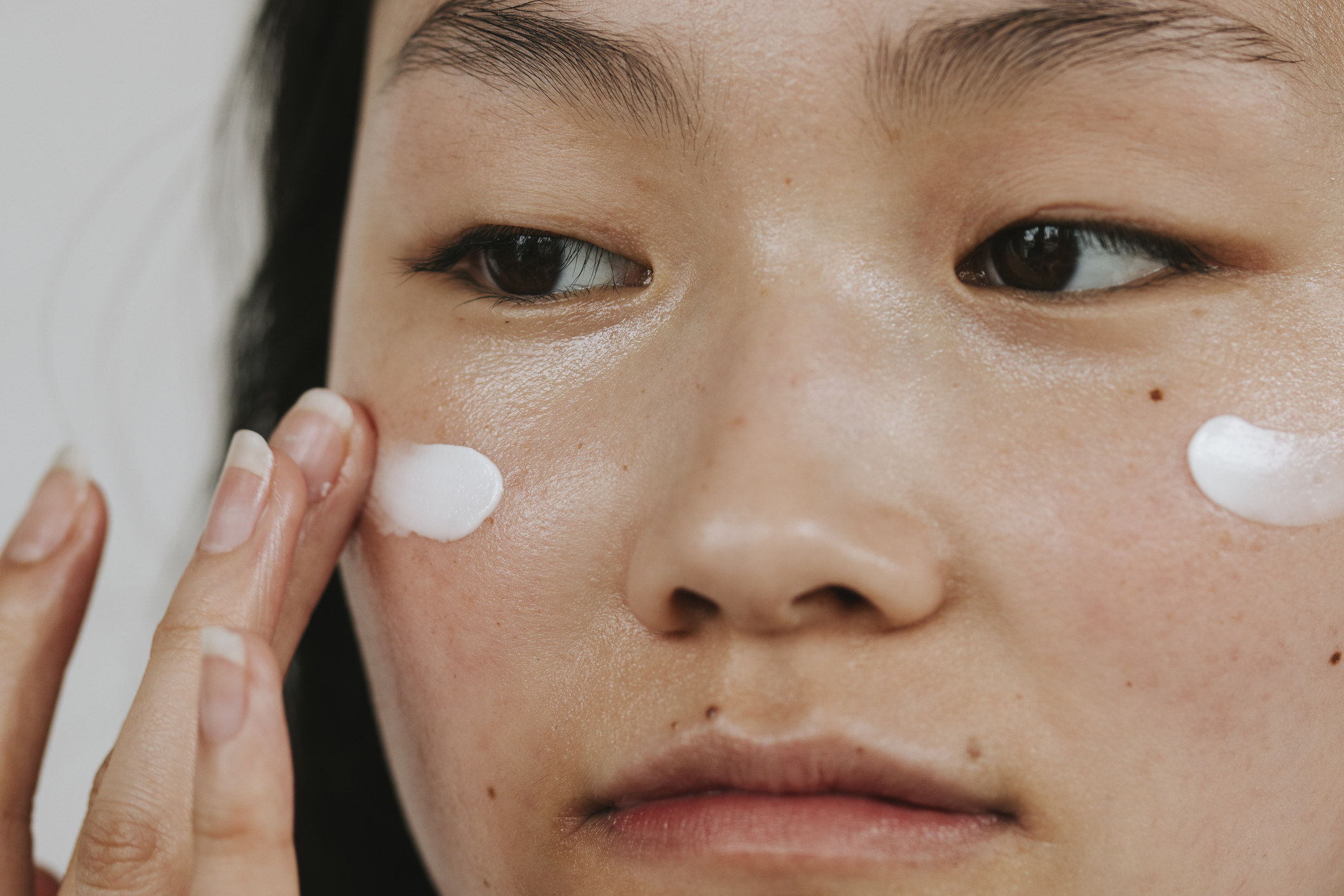 The reason Nivea
Creme fits the slugging conversation comes down to its
occlusive personality. A formula like this creates a protective
film over the skin, helping trap the hydration from the steps
underneath. That matters especially when the skin barrier feels
compromised, because water can evaporate more easily from the
surface and leave the face looking dull or creased. When that
moisture stays where it belongs, fine dehydration lines can look
temporarily softer. This is also why the cream has become
especially interesting for mature or very dry skin. After midlife,
the skin often produces less sebum and loses some of its natural
lipid support, which can make the face feel thinner, rougher or
more reactive. A richer cream can help restore comfort,
particularly on the cheeks or around the mouth, where dryness tends
to show quickly. The key word is comfort. The blue tin helps with
hydration and surface softness, while deeper concerns such as loss
of firmness, pigmentation or pronounced wrinkles need more targeted
ingredients and, ideally, a dermatologist’s advice.
The reason Nivea
Creme fits the slugging conversation comes down to its
occlusive personality. A formula like this creates a protective
film over the skin, helping trap the hydration from the steps
underneath. That matters especially when the skin barrier feels
compromised, because water can evaporate more easily from the
surface and leave the face looking dull or creased. When that
moisture stays where it belongs, fine dehydration lines can look
temporarily softer. This is also why the cream has become
especially interesting for mature or very dry skin. After midlife,
the skin often produces less sebum and loses some of its natural
lipid support, which can make the face feel thinner, rougher or
more reactive. A richer cream can help restore comfort,
particularly on the cheeks or around the mouth, where dryness tends
to show quickly. The key word is comfort. The blue tin helps with
hydration and surface softness, while deeper concerns such as loss
of firmness, pigmentation or pronounced wrinkles need more targeted
ingredients and, ideally, a dermatologist’s advice.
How to Use It Without Overdoing It
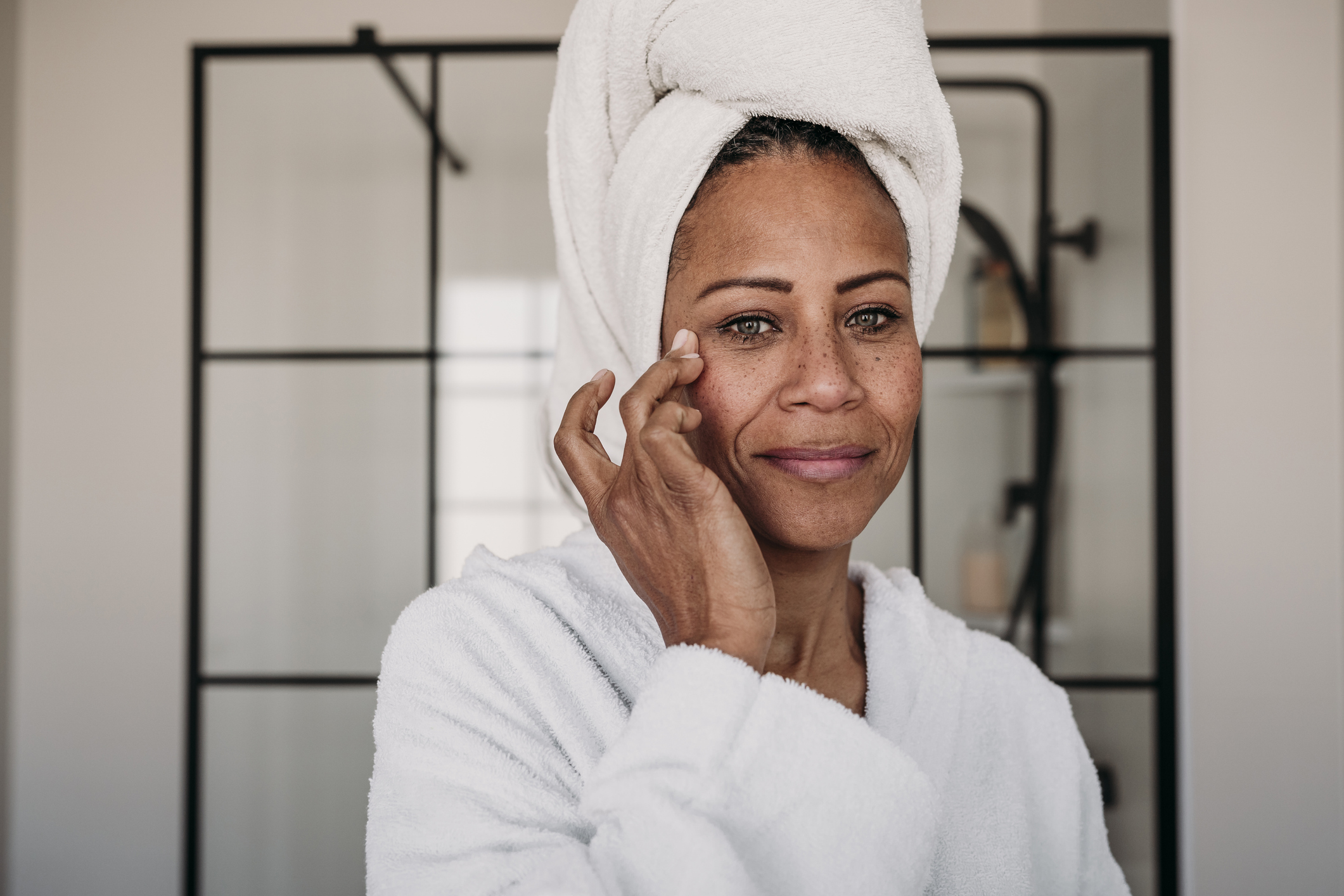 The smartest way to use
Nivea Creme is as the last step of a simple
nighttime routine. Cleanse the skin, apply a hydrating serum or a
gentle moisturizer, then warm a very small amount of the cream
between the fingers and press it over the driest areas. The layer
should be thin enough to feel protective rather than heavy. More
product does not make the method more effective; it usually just
makes the face shinier and the pillowcase less lucky. Skin type
matters here. Very dry skin may enjoy this ritual a few nights a
week, especially in colder months. Combination skin can keep it to
the cheeks or any area that feels tight. Oily or acne-prone skin
should be more cautious, because a rich occlusive cream can feel
too heavy and may encourage congestion. The same goes for nights
when strong actives are involved. Retinol or exfoliating acids can
become more irritating when sealed under an occlusive layer, so
alternating evenings is the safer move.
The smartest way to use
Nivea Creme is as the last step of a simple
nighttime routine. Cleanse the skin, apply a hydrating serum or a
gentle moisturizer, then warm a very small amount of the cream
between the fingers and press it over the driest areas. The layer
should be thin enough to feel protective rather than heavy. More
product does not make the method more effective; it usually just
makes the face shinier and the pillowcase less lucky. Skin type
matters here. Very dry skin may enjoy this ritual a few nights a
week, especially in colder months. Combination skin can keep it to
the cheeks or any area that feels tight. Oily or acne-prone skin
should be more cautious, because a rich occlusive cream can feel
too heavy and may encourage congestion. The same goes for nights
when strong actives are involved. Retinol or exfoliating acids can
become more irritating when sealed under an occlusive layer, so
alternating evenings is the safer move.
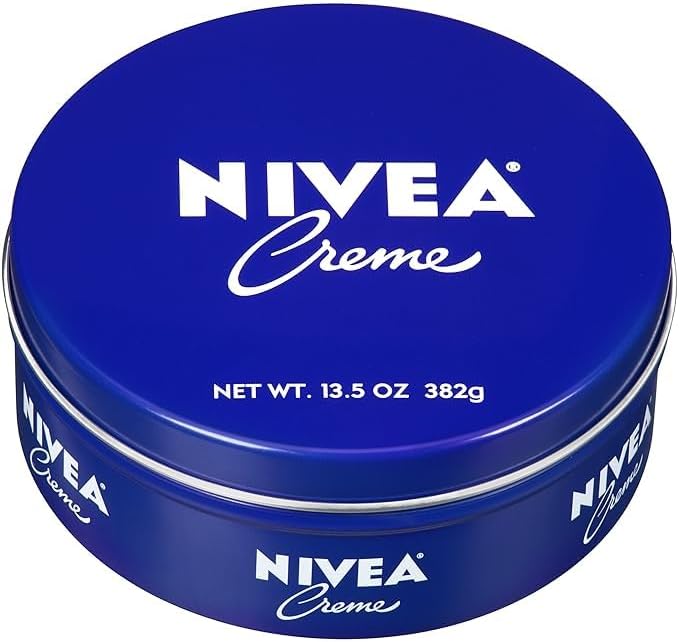
Nivea, Blue Creme Daily Moisturizer, $ 19.99
That is what makes the comeback interesting. The blue tin was never trying to be trendy; it simply waited long enough for beauty culture to give its old-school texture a new vocabulary. Used carefully, it can make dry skin feel more comfortable and help a nighttime routine work harder. The trick is knowing what it can do, and what it cannot. It can support the skin barrier, soften the look of dehydration and make morning skin feel more cushioned. It cannot replace sunscreen, retinoids or a serious anti-aging strategy. In other words, the bathroom classic has earned its beauty revival, as long as no one asks it to perform miracles before breakfast.


