











Martha Stewart’s idea of country living goes far beyond beautifully arranged hydrangeas and immaculately decorated interiors. In Katonah, New York, the lifestyle mogul presides over a sprawling working farm where more than 100 chickens, exotic pheasants, horses and meticulously maintained gardens coexist.
Nearly 26 years after purchasing the property, Stewart has transformed her country estate into a living embodiment of her lifestyle empire. Known as Bedford Farm, or Cantitoe Corners, the property is as much a place of agricultural experimentation as it is a spectacular celebrity residence.
Inside Martha Stewart’s $15.2 Million Country Estate
Located in Westchester County, approximately an hour from Manhattan, Martha Stewart’s farm spans more than 150 acres. The entrepreneur reportedly purchased the property, which includes a farmhouse dating back to 1925, for $15.2 million in 2000.
Over the years, Stewart has transformed the estate while preserving its traditional architectural character. The main residence, known as the Winter House, is complemented by a Summer House, additional cottages, historic barns, greenhouses and horse stables.
The grounds are equally impressive. Tree-lined avenues connect the various buildings, while expansive pastures, flower beds and a meticulously organized vegetable garden reflect Stewart’s passion for horticulture. Measuring approximately 90 by 150 feet, the vegetable garden provides fresh produce and endless inspiration for her recipes.
Far from being simply a private retreat, Bedford Farm has become the backdrop for countless television segments, cookbook photographs, gardening tutorials and social media posts.
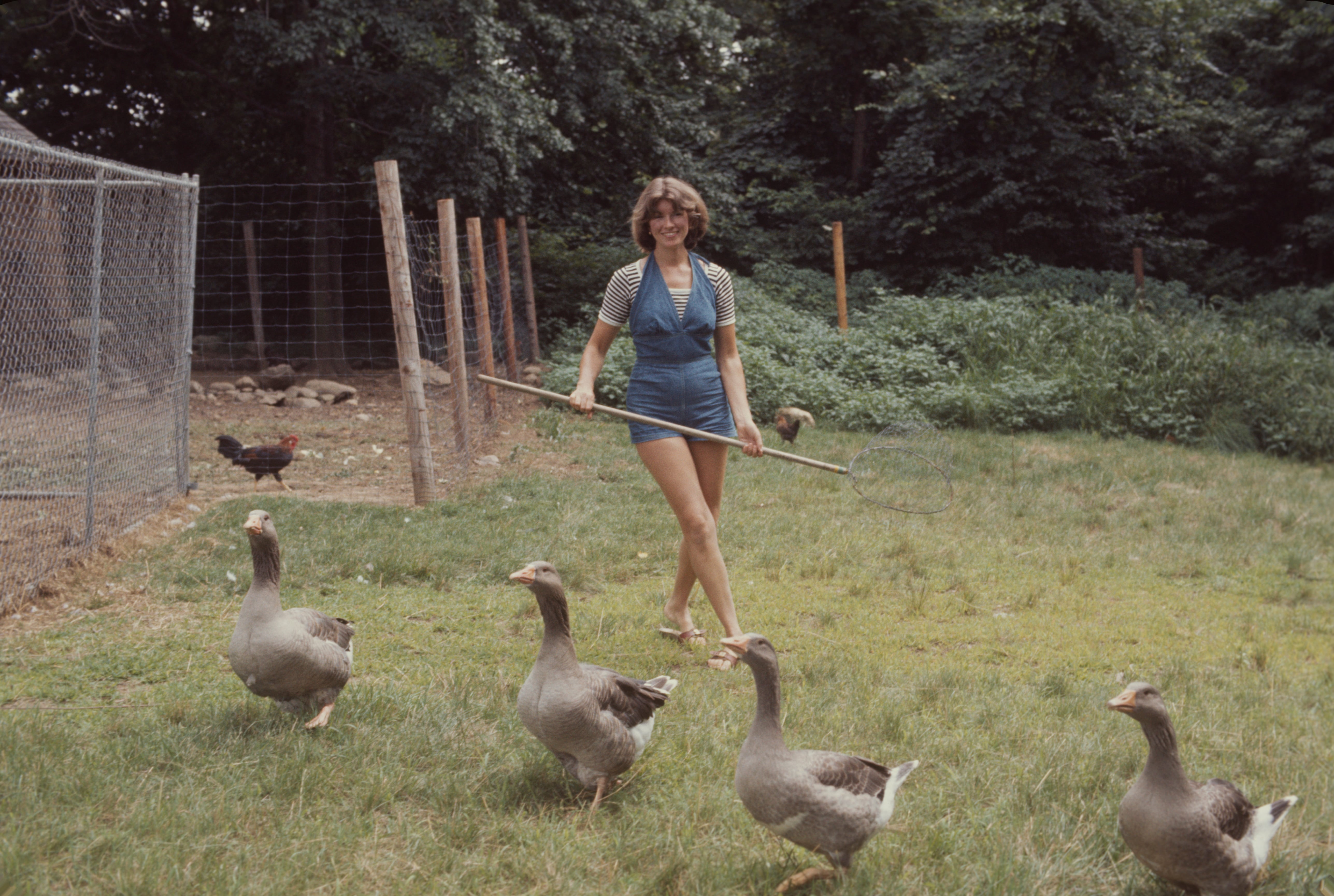
Martha Stewart Shares Her Farm With More Than 100 Chickens
Among the estate’s most charming residents are Stewart’s extensive collection of poultry. The lifestyle icon keeps more than 100 chickens across several coops, carefully selecting breeds for their appearance, temperament and egg production.
Her flock includes Araucanas, known for their pale blue eggs, fluffy Silkies, distinctive crested Polish chickens, Buff Orpingtons, Rhode Island Reds and Marans.
Stewart regularly attends poultry exhibitions, including the Northeastern Poultry Congress in Springfield, Massachusetts, where she meets breeders and discovers new varieties. One recent visit saw her return home with 13 additional chickens.
Her fascination with birds extends beyond traditional farmyard animals. Stewart also keeps 11 pheasants, including several varieties of golden pheasants and a recently introduced male silver pheasant, recognizable by its striking silvery-white plumage and elegant long tail.
Even the birds’ surroundings are carefully considered. Some pheasants live in shaded enclosures to help preserve the vibrant colors of their feathers.
The Gardening Lessons We Can Learn From Martha Stewart’s Farm
Behind the picturesque scenery lies a carefully managed ecosystem. Newly acquired birds are quarantined before joining the existing flock, while secure enclosures protect them from predators.
The chickens also contribute to the farm’s maintenance, helping control insects and naturally fertilize the soil around the vegetable garden.
While few of us have the luxury of a 150-acre estate, Stewart’s approach offers inspiration for smaller gardens. Thoughtful planning, biodiversity and consistent maintenance can transform even a modest outdoor space into a productive environment.
Ultimately, what makes Cantitoe Corners so fascinating is not necessarily its size or multimillion-dollar price tag. It is the way Stewart has created a home where beauty and practicality coexist, turning her lifelong passions for gardening, animals and country living into an extraordinary everyday reality.


