










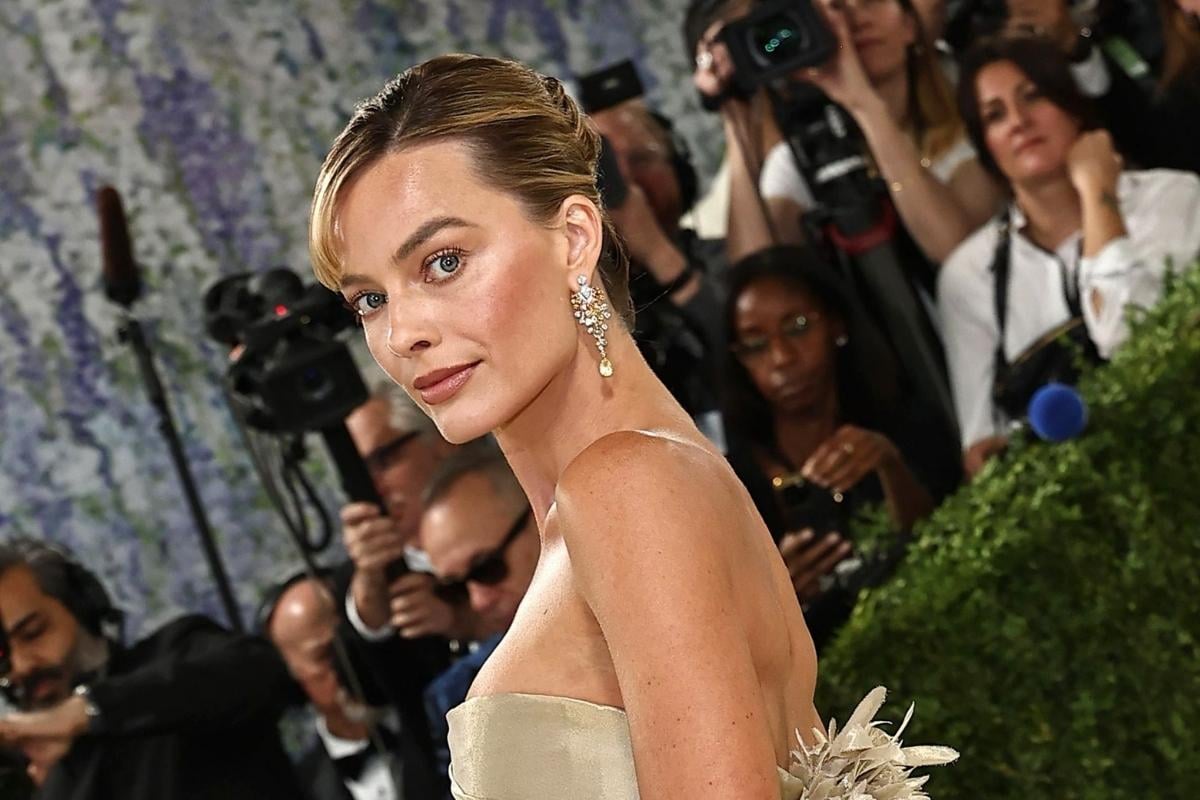
You have probably scrolled past dozens of hair-color transformations lately and noticed something subtle but striking: the people who look the most effortlessly polished are often the ones whose hair seems to melt right into their complexion. There is no jarring line where the hairline meets the forehead, no dramatic clash between strands and skin. It looks natural, almost accidental. But it is far from accidental. It is a deliberate color strategy that celebrity stylists have been refining behind the scenes, and it might be the simplest upgrade you have not yet considered for your own look.
Why the beauty world is suddenly obsessed with contrast
If you have spent any time on social media in recent months, you have almost certainly encountered the concept of contrast. In the beauty space, contrast refers to the visual difference between your skin tone, eye color, hair color, and eyebrow shade. Together, these elements create a kind of personal color map that can determine which makeup shades and hair hues flatter you the most.
People who fall on the low-contrast end of the spectrum share a natural uniformity across those features. Their skin, hair, and brows all live in a similar tonal family, producing a softer, more harmonious appearance. They tend to gravitate toward neutral, muted palettes almost instinctively. But what if you were not born with that seamless quality and still find yourself drawn to it? That is exactly where the latest hair-color movement comes in.
The approach is called skin-tone hair, and it is built on one deceptively simple idea: match your hair color to the undertones already present in your complexion so that the two blend into a single, cohesive picture.
How matching your hair to your complexion actually works
Celebrity hairstylist SherriAnn Cole explains that the goal of skin-tone hair is to produce a seamless, skin-enhancing effect that naturally brightens the face by softening contrast, allowing your features and your natural glow to take center stage. In practical terms, that means selecting shades of brown, blonde, red, or even beige that pull their warmth or coolness directly from the undertones sitting beneath your skin’s surface. The result is a sense of visual continuity between hair and face rather than two separate color stories competing for attention.
Celebrity hairstylist Jacob Schwartz echoes that philosophy, noting that undertones are the foundation of every color decision he makes. If you ignore them, he explains, the color will never look quite right against the skin. He describes his process as constantly reading the warmth or coolness in a client’s complexion and then building a tone that genuinely complements it.
Cole similarly advises clients to lean into tones that belong to the same family as their skin for the most flattering outcome. The specifics shift from person to person: warm caramel shades tend to work beautifully on golden skin tones, while beiges and champagne blondes suit lighter complexions, and rich, deep browns enhance darker skin tones. The trend is most effective when it is tailor-made for the individual rather than pulled from a single universal shade chart.
The Margot Robbie example – and the eyebrow rule you need to know
Schwartz points to Margot Robbie as a real-world illustration of the principle in action. Her gilded blonde is never stark against her skin. Instead, it is soft at the root, diffused throughout the mid-lengths, and multi-tonal in a way that lowers the contrast between her hair and her complexion. That approach creates a more seamless, natural effect that looks polished without appearing overworked.
One critical detail both stylists agree on: your eyebrows should not match your skin-toned hair. This is where many people go wrong, assuming that if the hair is low-contrast, the brows should follow suit. In reality, keeping some definition in the brow area is what prevents the overall look from feeling washed out. Schwartz and Cole diverge slightly in their specific recommendations, though. Schwartz prefers a slightly deeper brow shade on blondes and a slightly softened one on brunettes, calibrating the intensity to the hair color. Cole takes a more prescriptive route, suggesting that brows sit one to two shades deeper than the hair for the best balance.
Either way, the underlying logic is the same. A touch of contrast at the brow gives the face structure and prevents the low-contrast harmony everywhere else from flattening your features.
What this means for your next salon visit
The skin-tone hair trend is not about chasing a single viral shade. It is about understanding the unique undertones in your own complexion and asking your colorist to build a formula that echoes them. Whether you lean warm, cool, or somewhere in between, the principle stays the same: continuity between skin and hair creates an instant brightening effect that no highlighter can replicate.
Before your next appointment, take a close look at the inner side of your wrist or the area behind your ear to get a read on your undertones. Bring that awareness to the conversation with your stylist. And remember the eyebrow rule – keep them a shade or two deeper than your new color so your face retains its natural architecture. That small detail is often the difference between looking luminous and looking like something is missing.


