










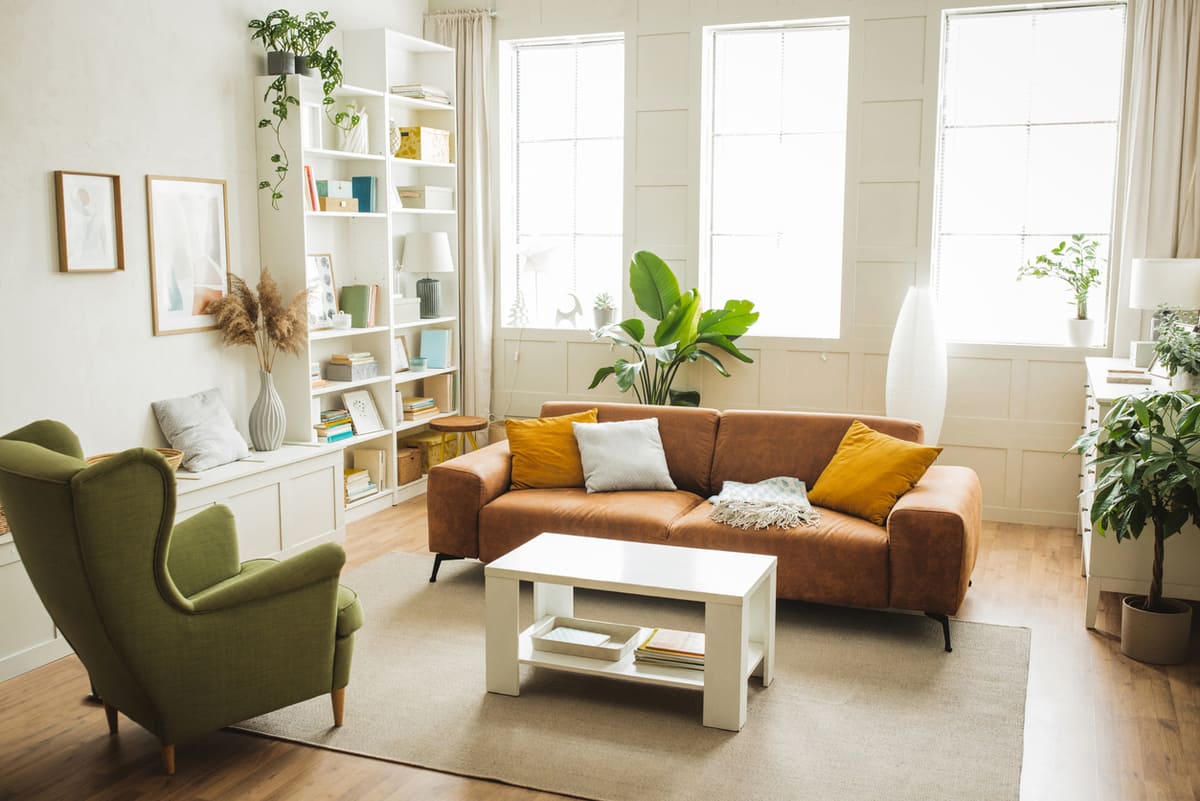
You scroll through interiors content and there it is again – that pale wood, those clean lines, the quiet sense of order that feels almost effortless. Nordic design has looked roughly the same for so long that you might assume nothing ever changes. But something is shifting across the showrooms of Stockholm, Copenhagen, and Oslo. The latest directions emerging from trade fairs and furniture studios across the region are not dramatic overhauls. They are subtle, thoughtful recalibrations that prove Scandinavian style is anything but static – and they might change the way you think about your own living room.
Why the Nordic look is evolving beyond minimalism
Scandinavian design has always been synonymous with restraint. Pale birch, washed oak, smooth stone, and slubby textiles remain hallmarks of the aesthetic. But the newest shifts are less about which materials you choose and more about how texture drives a space. Kashi, a designer who established her own studio in 2013 and has brought a Scandi-inspired, minimalist aesthetic to high-end residential projects, describes the approach as keeping your palette simple while layering textures to build richness in a cohesive way. In one project, she used fluted detailing on shelving doors – turning the wood itself into a focal point without adding extra materials. Switching the finish, she notes, creates warmth, especially when paired with tactile fabrics that soften crisp joinery.
So what does that mean for you at home? It means you do not need a bigger budget or rarer materials. You need to pay closer attention to how surfaces interact – smooth against ribbed, matte against woven. The goal is depth, not variety.
Sculptural forms, soft stripes, and the return of visible craft
Think of iconic pieces like Verner Panton lamps and Hans Wegner chairs. These sculptural objects have long served as contrast elements beside more standard, rectangular furniture. Now, according to Nanna Liv, creative director of London-based House 44, designers are grouping sculptural forms together rather than deploying them as standalone accents. When pieces share a visual harmony, she explains, forms, materials, and proportions enter into conversation with one another, producing an effortlessly balanced look rather than a series of isolated statements.
Pattern is evolving, too. Dorothea Gundtoft, writer, curator, and author of New Nordic Design, points out that stripes have always had a place in Scandinavian interiors because the region loves pattern delivered with discipline. What feels fresh now, she says, is the stripe interpreted in a softer palette – upholstery in taupe, faded gray, and muted brown reflecting a quieter approach. Those toned-down colors let a piece’s form share the spotlight, making even the widest stripes feel livable over time. The result, Gundtoft suggests, is calm, rhythmic, and undeniably chic.
Meanwhile, a growing appetite for authenticity is pushing designers toward visible craftsmanship. Kai Pryce, co-founder of Att Pynta, observes that while Nordic interiors still value simplicity above all else, today’s creators increasingly embrace irregular finishes and natural variation. This year’s 3daysofdesign fair in Copenhagen underscored the point: the iconic Danish brand &Tradition presented an exhibition centered on the enduring marks of design, craft, and culture, and elsewhere attendees encountered vases handcrafted from steel and wooden stools with joints left purposefully exposed. Pryce sees this as a reaction to our collective desire for individuality – spaces that feel layered, personal, and genuinely lived-in.
Floating sofas, playful details, and mixing old with new
One of the most tangible layout shifts happening in Nordic homes involves the sofa. Louise Mengel Laeso, head of design at Wendelbo, says sofas are being pulled away from walls and right into the center of the room. Even in smaller homes, she explains, this rethink makes layouts feel more inviting and open. Rather than lining seating around the perimeter, sofas are becoming the element that defines a room. Modular designs are especially effective because they allow flexible compositions regardless of square footage.
Vintage is also playing a more nuanced role. Sophie Pringle, an interior designer, stresses that the key is blending contemporary architecture and modern furniture with vintage pieces without anything feeling forced. In one space, she paired a classic Utrecht chair and a vintage timber sideboard with more restrained contemporary essentials. The litmus test, she suggests, is whether a room feels lived-in rather than styled.
And then there is color – used sparingly but deliberately. Anders Fardig, founder of Design House Stockholm, notes that color and playfulness are important trademarks of Scandinavian living. The difference now is restraint in deployment: rather than letting color become background noise, designers introduce it through carefully chosen details so each moment of vibrancy stands out. Swedish ceramicist Lisa Larson’s decorative birds, originally created in the 1960s, were showcased at this year’s 3daysofdesign as a perfect example – small, joyful objects that bring a simple burst of happiness.
The real takeaway for your home
What ties all of these directions together is a philosophy Dorothea Gundtoft sums up plainly: Nordic designers do not buy into quick trends. Instead, they nudge layout, pattern, and material forward in small, deliberate increments. The latest Scandinavian shifts retain that signature calm while opening the door to more texture, more personality, and more creative freedom. If you have been treating Nordic style as a fixed formula – all white walls and minimal accessories – now is the moment to loosen up, layer in some craft-driven character, and pull your sofa a few feet from the wall. The Scandi look still feels timeless. It just has a little more to say.


