










You spend years building a career, waking up every morning with a clear sense of who you are and what you are supposed to do. Then one day it ends – not necessarily because you failed, but because a chapter closed. Suddenly, the uniform is gone, the routine is gone, and something deeper is gone too. That disorienting feeling of losing your footing after leaving a defining role is something millions of people recognize, yet it rarely gets discussed on a global stage. When it does, the honesty can be striking.
The Duke of Sussex takes his message to NATO
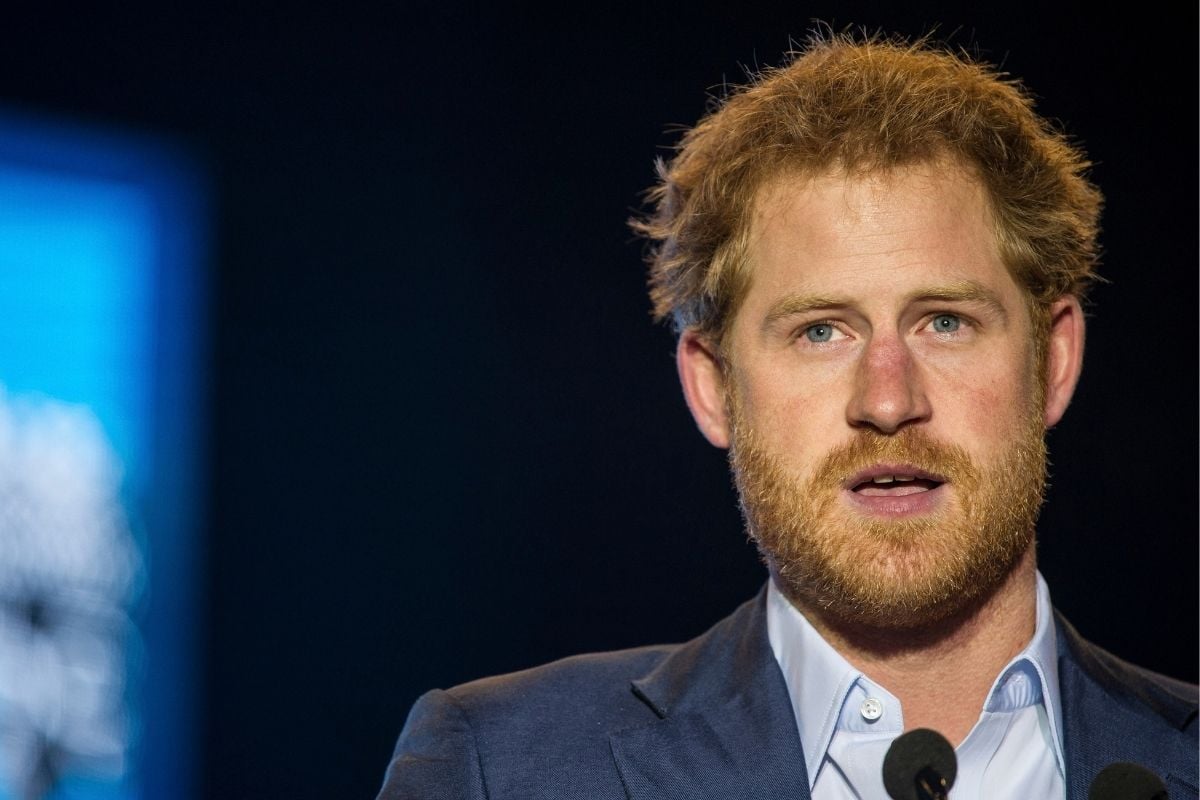
On Thursday, October 1, Prince Harry addressed NATO’s Military Committee in a video message. He spoke in his dual capacity as a former member of the British Armed Forces and as the founder of the Invictus Games, the multi-sport competition created for wounded, injured, or ill soldiers and veterans. As The Times reported, the Duke of Sussex used the platform to highlight a stark imbalance in how military institutions allocate resources.
According to Prince Harry, significant resources are devoted to deploying soldiers to the front lines, yet comparatively little is invested in supporting them once they return home. He argued that equal seriousness must be given to what happens to service members after their duty ends, especially when they come back wounded, injured, or ill. It is a point that cuts to the heart of how we treat the people we ask to protect us. How much attention do we truly pay to the aftermath of service?
Harry’s own military career lends weight to his words. During his time in the British Army, the Duke of Sussex was deployed to Afghanistan in the late 2000s and again in the early 2010s, as noted by Télé-Loisirs. Those deployments gave him a firsthand understanding of what it means to serve in a conflict zone – and, eventually, of what it means to walk away from that world entirely.
A personal reckoning with purpose and identity
Rather than limiting his remarks to policy arguments, Prince Harry grounded his appeal in personal experience. He explained that he is intimately familiar with the transition out of military life. When he hung up his uniform, he felt as though he had lost not just a career but also a part of his very purpose and identity. It was a confession that went beyond the usual diplomatic language heard in NATO corridors.
That feeling of displacement is something many veterans describe but struggle to articulate publicly. Your job title disappears. The camaraderie that shaped your daily life dissolves. The structure that once told you exactly where to be and when no longer exists. For someone who served in active combat, the contrast between the intensity of deployment and the quiet of civilian life can be jarring. Harry’s willingness to name that void openly, in front of a military audience that understands chain of command and stoicism, added a layer of credibility to the conversation.
It was precisely that personal crisis, he revealed, that sparked the idea for the Invictus Games. The competition was born from the recognition that something vital was missing in the support system for veterans returning from service with physical or psychological scars.
Why the Invictus Games go far beyond athletics
Prince Harry made clear that the Invictus Games are not merely a sporting event. Sport, he explained, is one tool among many. The mission behind the competition is far broader: restoring hope and confidence to individuals, strengthening families and communities, and facilitating the social reintegration of veterans. In other words, the games function as a bridge between the world veterans left behind and the civilian life they are trying to build.
The next edition of the Invictus Games is scheduled to take place in Birmingham, England, from July 10 to July 17, 2027. Approximately one hundred soldiers and veterans from different nations are expected to compete in the events. The international scope of the competition underscores the fact that the challenges of post-service transition are not confined to any single country or military branch – they are universal.
By framing the Invictus Games as a vehicle for reintegration rather than just recreation, Harry positions the initiative alongside broader wellness conversations about how communities care for people navigating major life transitions. The loss of identity he described is not exclusive to soldiers. It echoes in anyone who has retired from a demanding profession, left an all-consuming role, or found themselves asking who they are without the title they once carried.
What this moment tells us about post-service support
Prince Harry’s address to NATO’s Military Committee distilled a complex issue into something immediately understandable. Resources flow generously toward preparing people for service, yet the pipeline narrows dramatically when those same people need help coming home. His personal testimony – acknowledging the loss of purpose and identity he experienced after leaving the military – put a human face on a systemic gap.
The takeaway is concrete. Programs like the Invictus Games exist because the official safety net is not wide enough. And while sport alone cannot solve the problem, it can open a door that many veterans did not know was there – a door leading back to community, confidence, and a renewed sense of self. That, ultimately, is the point Harry wanted the world’s military leaders to hear.