










You have been refreshing your weather app every morning, watching the numbers climb higher and higher. The fan is on full blast, the iced coffee is sweating through its cup before you can finish it, and you are already dreading stepping outside. But what if the antidote to this relentless summer heat was not another air-conditioned afternoon indoors but an actual plane ticket to somewhere genuinely, blissfully cold? Across the Asia-Pacific region, a handful of destinations are sitting in the middle of their cool seasons right now, and some of them dip well below freezing.
Why the northern hemisphere’s summer is the perfect time to head south
It is easy to forget that while we sweat through July and August, the southern hemisphere is deep in winter. That simple fact opens up a world of travel possibilities that most of us overlook. Digital travel platform Agoda recently highlighted a curated selection of cool-weather retreats scattered across the Asia-Pacific, stretching from New Zealand’s snow-dusted peaks to the breezy highlands of Malaysia and the mountain towns of northern India.
The logic is straightforward. Temperatures across Europe and Asia are rising, and instead of fighting the heat at home, you can lean into the seasonal flip and land somewhere that requires a proper jacket. But which destinations actually deliver on the promise of crisp air without sacrificing things to do?
From alpine slopes to highland tea plantations – where the thermometer actually drops
New Zealand leads the list with two very different vibes. Queenstown, widely known as the adventure capital, transforms into an alpine winter wonderland during July and August, with temperatures ranging from 9°C (48°F) down to -2°C (28°F). If you ski or snowboard, this is essentially peak season. Wellington, the country’s capital, stays a touch milder at 14°C (57°F) to 7°C (45°F), offering cultural attractions and coastal charm in weather cool enough to make a long walk genuinely enjoyable.
Australia pulls its weight too, particularly in its southern cities. Melbourne holds steady between 14°C (57°F) and 7°C (45°F), giving you a refreshing city break wrapped in vibrant culture and a dining scene worth the trip alone. Travel a bit further south to Hobart, Tasmania’s historic port city, and temperatures drop to 11°C (52°F) to 3°C (37°F). Hobart doubles as a gateway to Tasmania’s wilderness, so if a serene escape into nature sounds appealing, this is the spot.
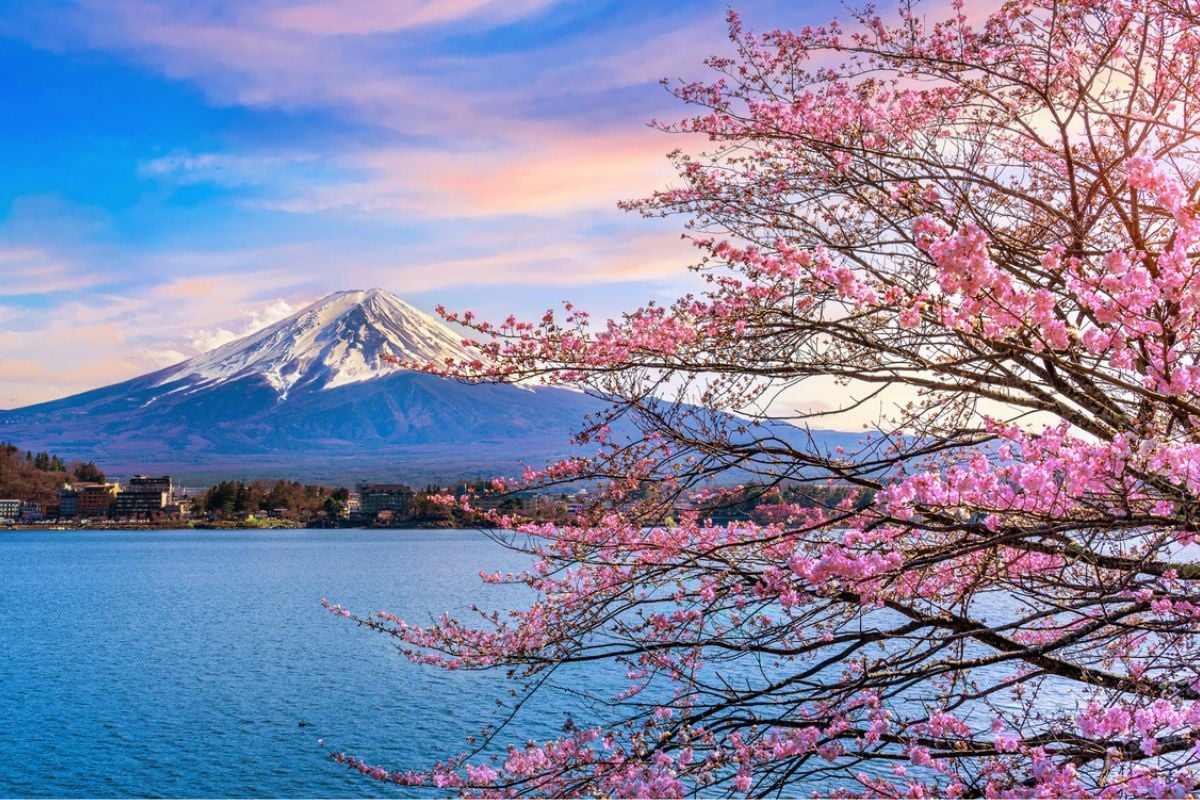
Japan’s northernmost island, Hokkaido, offers something different – a mild summer rather than outright cold. Sapporo, famous for its beer and lavender fields, and the port city of Hakodate, known for its seafood and mountain views, both hover between 22°C (72°F) and 17°C (63°F). That is warm enough to explore comfortably but cool enough to feel like a genuine reprieve from the brutal heat elsewhere.
Then there are the highland escapes in tropical countries, where elevation does the work that latitude does further south. Malaysia’s Cameron Highlands and Genting Highlands sit in a climate band of 25°C (77°F) to 15°C (59°F), perfect for wandering through tea plantations or enjoying mountain resort activities with a cool breeze cutting through the tropical humidity. India’s Manali and Shimla occupy a similar temperature range, 25°C (77°F) to 15°C (59°F). Manali is an adventure hub for those who want to stay active, while Shimla offers historic charm and relatively easy accessibility from Delhi.
Turning the idea into an actual trip
The practical side matters as much as the daydream. Andrew Smith, Senior Vice President of Supply at Agoda, noted that the platform is designed to help travelers discover refreshing retreats across the region, with accommodations, flights, and activities all available to book seamlessly in one place. Whether the goal is hitting the slopes in Queenstown or feeling the crisp mountain breeze in the Cameron Highlands, the idea is to make the entire process as frictionless as the weather is refreshing.
For context on scale, Agoda’s platform currently lists over 6 million holiday properties, more than 300,000 activities, and over 130,000 flight routes, all of which can be combined in a single booking. That breadth means you are not limited to one type of trip. You could pair a few days of skiing in New Zealand with a culture-heavy stopover in Melbourne, or link Hokkaido’s lavender fields with a highland retreat in Malaysia, all without jumping between apps.
What to take away from all of this
The key insight here is timing. While we default to thinking of summer as beach season, the Asia-Pacific region offers an entirely different playbook. You now know that destinations ranging from -2°C to a comfortable 25°C are within reach, each with distinct experiences attached. The takeaway is simple and empowering: your next summer trip does not have to involve sunscreen and sweat. A sweater and a sense of adventure might be all you need.


