










When you think about marrying into one of the most scrutinized families on the planet, you probably imagine there is some kind of adjustment period – a window of time to learn the unspoken codes, the daily rhythms, the weight of tradition. Most of us assume every royal spouse gets the same preparation. But according to a prominent royal historian, that assumption could not be further from the truth. And the difference in how two women were introduced to life inside the British monarchy may explain more than we realize.
Why the royal family changed its approach to courtship
The British royal family has not always prioritized long courtships or cohabitation before marriage. Royal historian and expert Marlene Koenig, speaking to The Mirror, pointed to two high-profile unions that fell apart in very public fashion – the marriage of Charles and Diana, and the marriage of Andrew and Sarah. According to Koenig, the royal family drew valuable lessons from those marital failures. Neither couple, she explained, truly got to know each other well before the wedding. There were no real courtships to speak of.
That painful history reportedly prompted a shift in how younger royals approached their own relationships. Rather than rushing toward the altar under the glare of public expectation, the family apparently embraced the idea that partners needed genuine time together – time to understand what royal life actually demands day in and day out. So when the next generation began pairing off, there was a new, quieter understanding at play. But did everyone benefit from it equally?
The crucial difference between two royal brides
According to Koenig, certain royal couples were given the chance to live together before exchanging vows. She specifically noted that Edward and Sophie, as well as William and Catherine, cohabited prior to their marriages. That period of shared daily life, the historian explained, allowed the women to learn firsthand what existence as a member of the royal family would look like. It was an immersive, real-time education in protocol, expectation, and the relentless pace of royal duty.
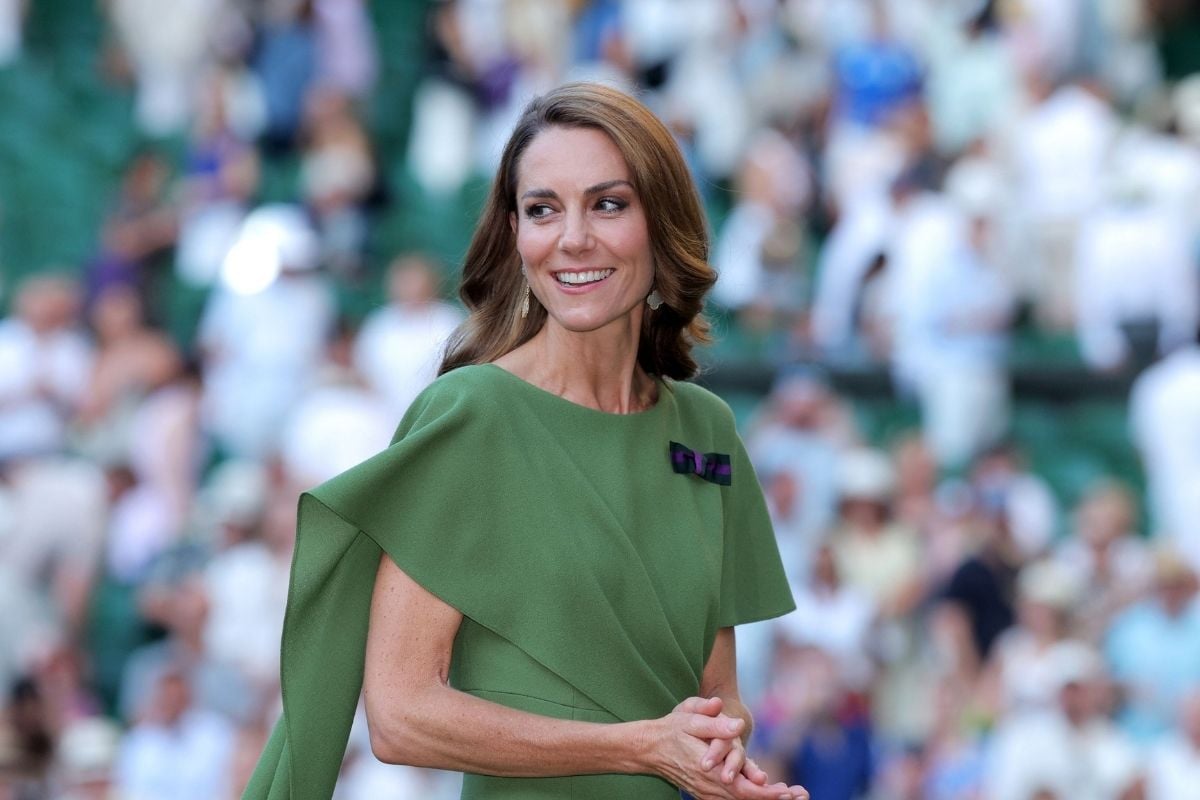
Kate Middleton, now the Princess of Wales, reportedly had the opportunity to live with Prince William even before their wedding. That extended courtship and period of cohabitation gave her years to observe, adapt, and decide whether this was a life she could embrace fully. The adjustment was gradual, not sudden.
Meghan Markle, however, reportedly did not receive the same opportunity. The Duchess of Sussex, who married Prince Harry, was not afforded that time, according to Koenig. The historian suggested that if Harry and Meghan had lived together for a few years before their marriage, Meghan would have had more time to observe and acclimate. Instead, by multiple accounts, the transition was far more abrupt.
The news of this disparity resurfaced after the Duchess of Sussex, the Duke of Sussex, and their two children – Prince Archie and Princess Lilibet – reportedly had a reunion with King Charles and Queen Camilla. That gathering brought renewed attention to the differences in how the two couples were integrated into royal life.
What a longer adjustment period could have changed
Koenig also addressed Meghan’s comfort level within the institution. The royal expert noted that Meghan was not comfortable with all the rules. The implication is that a longer pre-marriage period of immersion might have softened that friction or, at the very least, allowed Meghan to make a more informed decision about how she wanted to navigate the constraints of royal protocol.
Koenig further observed that Prince William was right to advise his brother Harry to take his time and not rush into marriage. That counsel, regardless of how it was received at the time, aligned with the broader lesson the family had already internalized from watching earlier unions crumble. When you have seen two marriages dissolve under the pressure of unmet expectations and insufficient preparation, urging patience is not overreach – it is hard-won wisdom.
The contrast between the two experiences is striking. One bride had years of gradual exposure. The other stepped into one of the most demanding roles in public life without the same runway. Whether that difference alone shaped the trajectory of each marriage is impossible to say with certainty, but according to Koenig, the absence of that shared pre-marital time was significant.
What this tells us about preparation and partnership
What stands out here is not a matter of blame or judgment. It is a reminder that major life transitions – especially ones that come with an entirely new set of social rules – benefit enormously from time. Kate Middleton had it. Meghan Markle, by expert accounts, did not. The royal family itself had already recognized, after the painful endings of previous marriages, that rushing into commitment without deep familiarity was a recipe for struggle.
For anyone watching from the outside, the takeaway is both simple and powerful. Preparation matters. Observation matters. And the opportunity to truly understand a new way of life before committing to it is not a luxury – it can be the foundation that determines whether a partnership thrives or fractures under pressure.


