










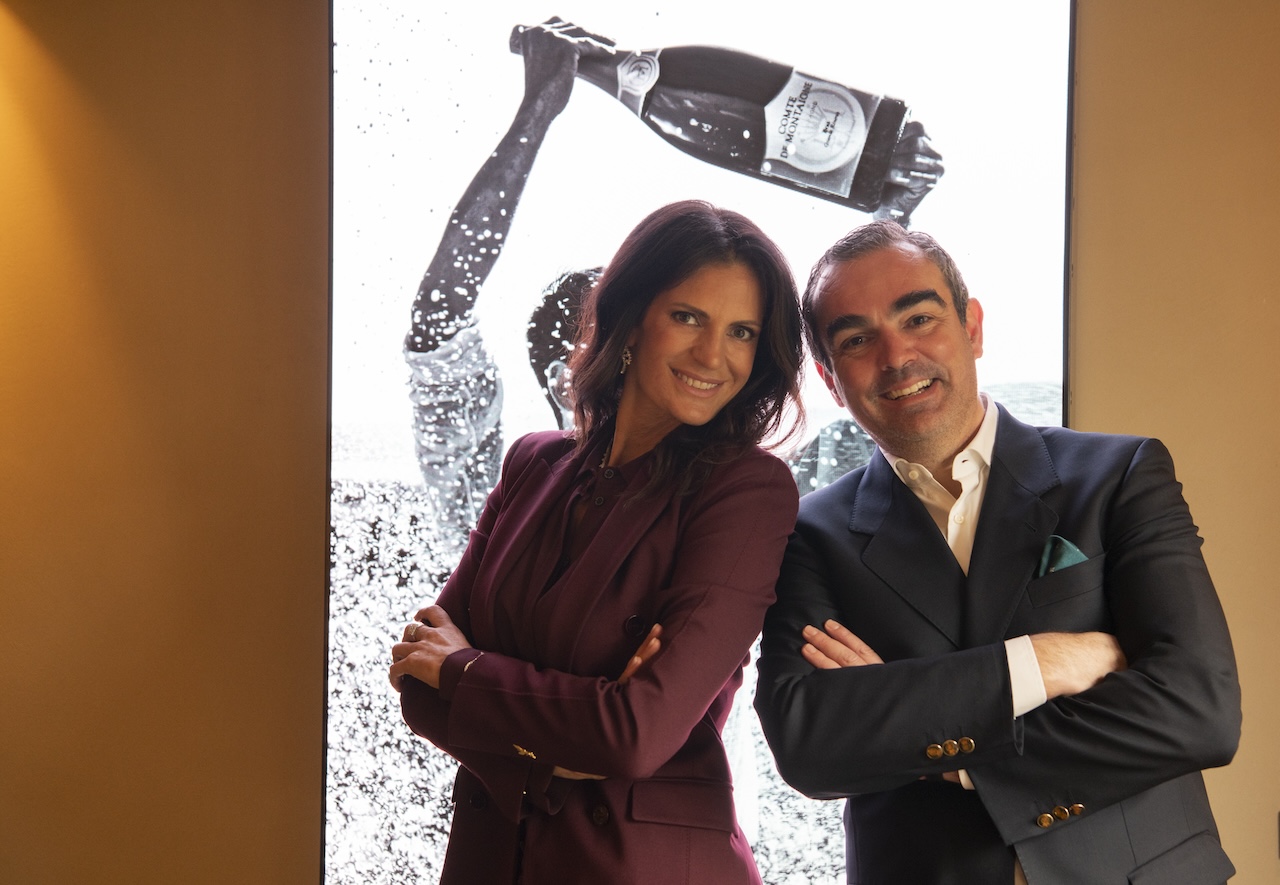
The first thing Stéphane Revol tells me, standing inside Maison Montaigne in Milan, is simple, almost disarmingly so.
“You always have to follow your heart,” he says. “So you don’t have remorse.”
It’s the kind of statement that could feel like a platitude — until you spend time with him, walk through the space he’s built, and begin to understand that for Comte de Montaigne, “heart” is not a metaphor. It’s a framework. One that shapes everything from how their champagne is made to where, against all tradition, the Maison has chosen to plant its global flag.
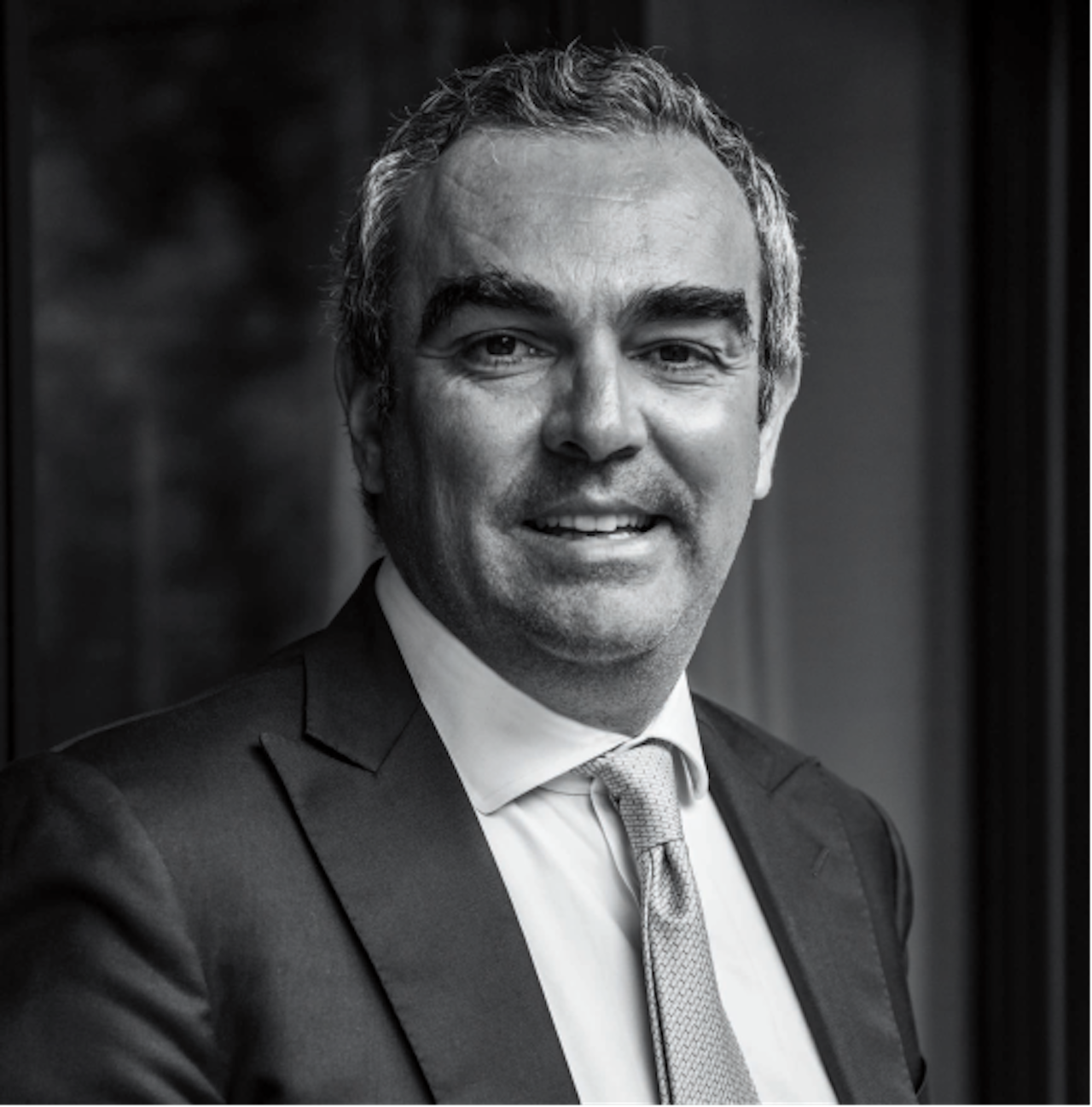
Because in a category where legacy is often tied to place, Revol made a decision that still feels quietly radical: instead of anchoring Comte de Montaigne’s international presence in Paris, he chose Milan.
“For love,” he tells me. “To give back to Milano the love that I receive. I love Milano. So I decided to open the Maison not in Paris, but in Milano.”
It wasn’t just emotional — it was, in his words, “a big choice… very courageous and futurist.” And more than anything, it was intentional. “What is important is always to be unique, iconic, and exclusive,” he says. “And we decided to create something not about the champagne — but about the beauty in general.”
A Champagne House Rooted in the Heart of France
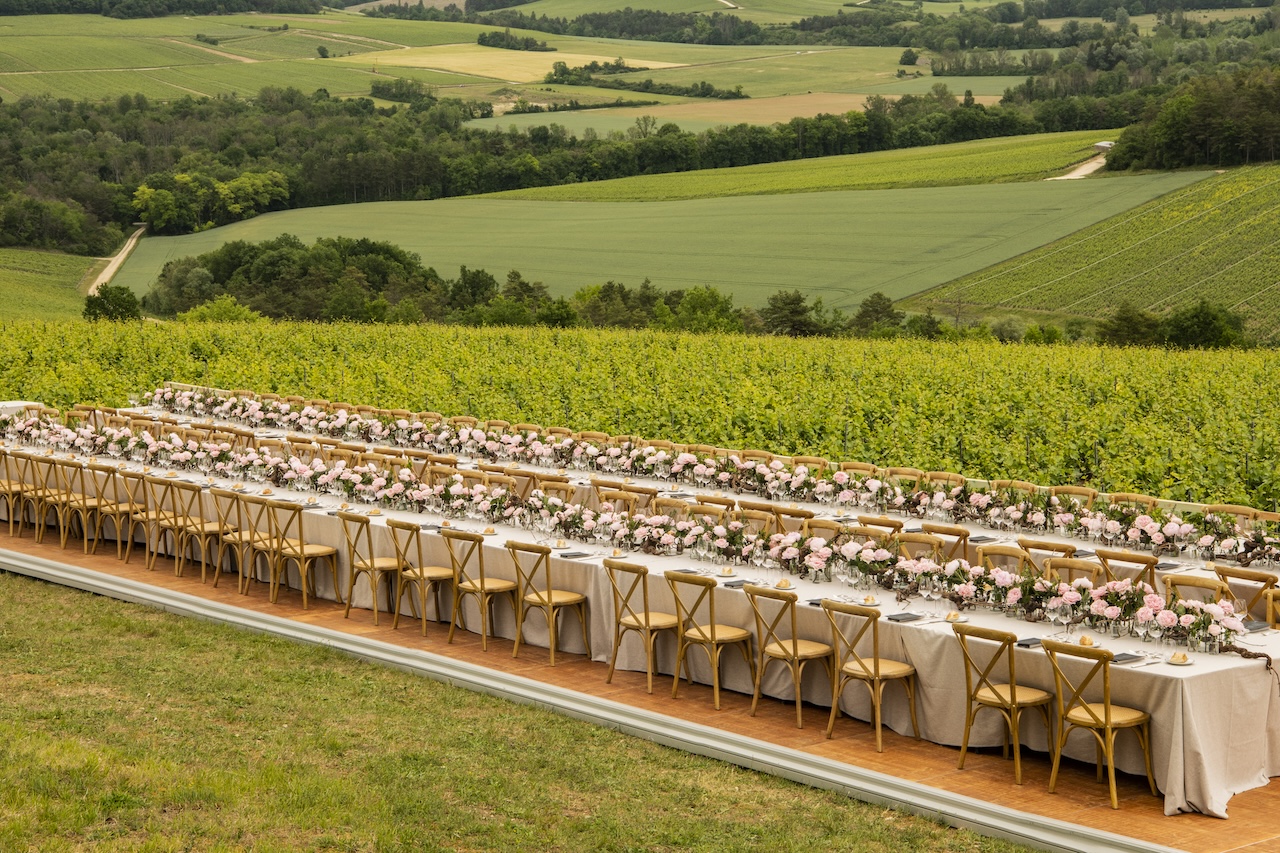
Before Milan, before Maison Montaigne, there is the Aube.
If you look at a map of France, it sits almost exactly where the heart would be — and for Comte de Montaigne, that symbolism feels intentional. This is where the Maison’s story begins, in the Côte des Bar, a region defined by its rolling vineyards, mineral-rich soil, and a legacy that dates back centuries. It’s said that in the 13th century, Thibaut IV, Count of Champagne, returned from the Crusades with one of the first Chardonnay vines planted in the region — a gesture that would shape the future of Champagne itself.
Today, that sense of origin still defines the Maison.
Comte de Montaigne has long positioned itself as a vineyard champagne, where the identity of the wine is led first by the land and the people who cultivate it. As Revol explains it, “Comte de Montaigne is first of all a territory… grapes and people who put all their effort and love in what they do.”
That philosophy extends all the way through to the glass. While many producers prioritize speed, Comte de Montaigne leans into time — producing Cuvées de Prestige that are elegant, mineral, and structured, with a strong Pinot Noir backbone balanced by Chardonnay. The result is a champagne defined by freshness, complexity, and a quiet confidence that comes from patience.
“Our champagne takes six years,” Revol tells me. “From the harvest to be delivered at the best table in the world. Why? Because for me, it’s the time the wine needs to arrive at its apogee. You have to respect the time of the wine.”
Three Values, One Philosophy
At its core, Comte de Montaigne is built on three pillars: Heart, Authenticity, and Bon Vivre.
They’re not just words — they’re operational.
“When you make something with heart, you make it well,” Revol shares. “If you love what you do, with passion, with heart, you can arrive near perfection.”
For him, Heart is about passion, but also responsibility — to the product, to the people, and to the legacy he will one day pass on to his children. That responsibility shows up most clearly in how he speaks about the people behind the brand.
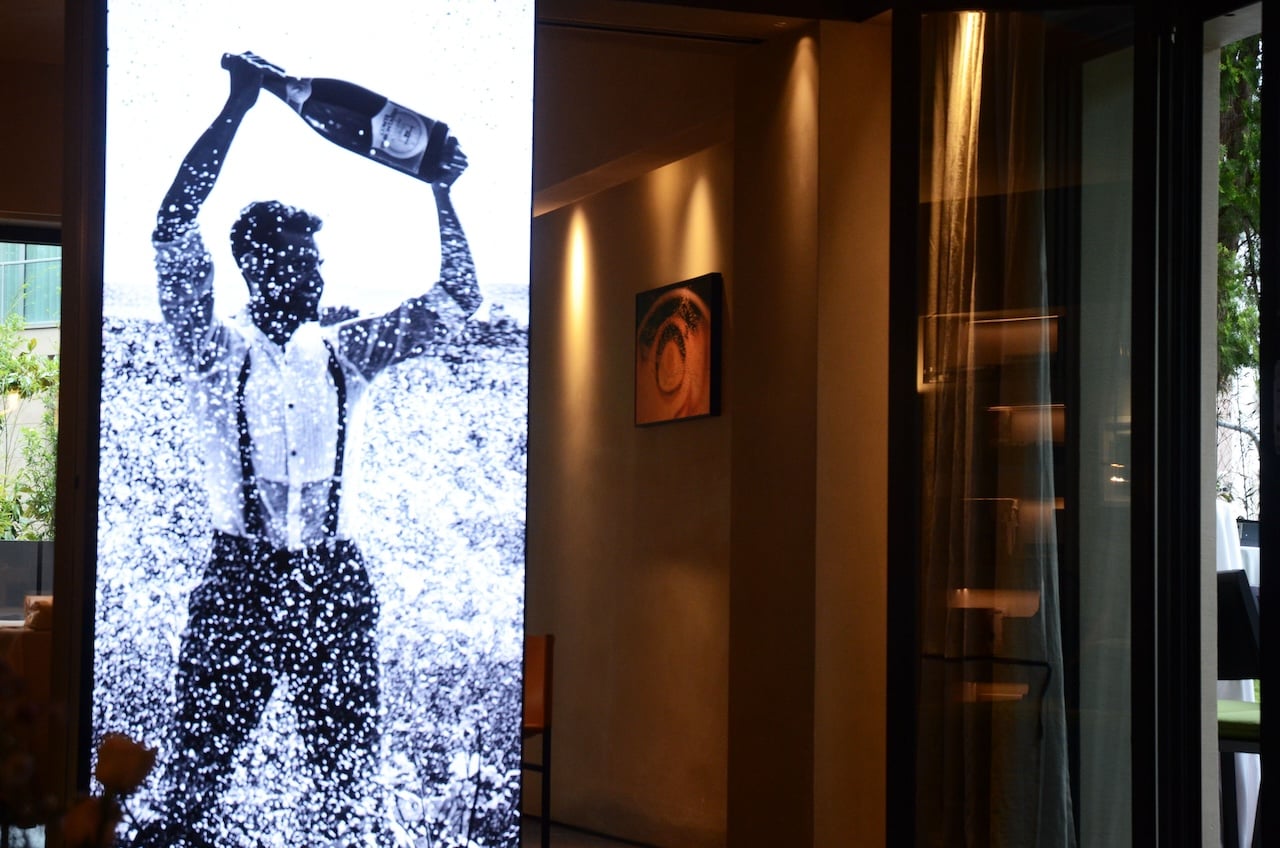
“At Comte de Montaigne, it’s very important to take care of each kind of employee,” he tells me. He recalls a campaign the Maison created — an Oscar-inspired concept where vineyard workers were styled as actors and actresses, placed front and center. “When you say you have these values, you have to show,” he says. “We try each day to demonstrate that.”
Authenticity, meanwhile, is something he is fiercely protective of — not just in craftsmanship, but in experience.
“Authenticity needs to be protected,” he explains. “With a pure way to think.” And for Comte de Montaigne, that purity is rooted in artisanal heritage — the generational knowledge, the patience, and the respect for traditional methods that define true luxury in Europe.
Maison Montaigne: Where Champagne Meets Culture
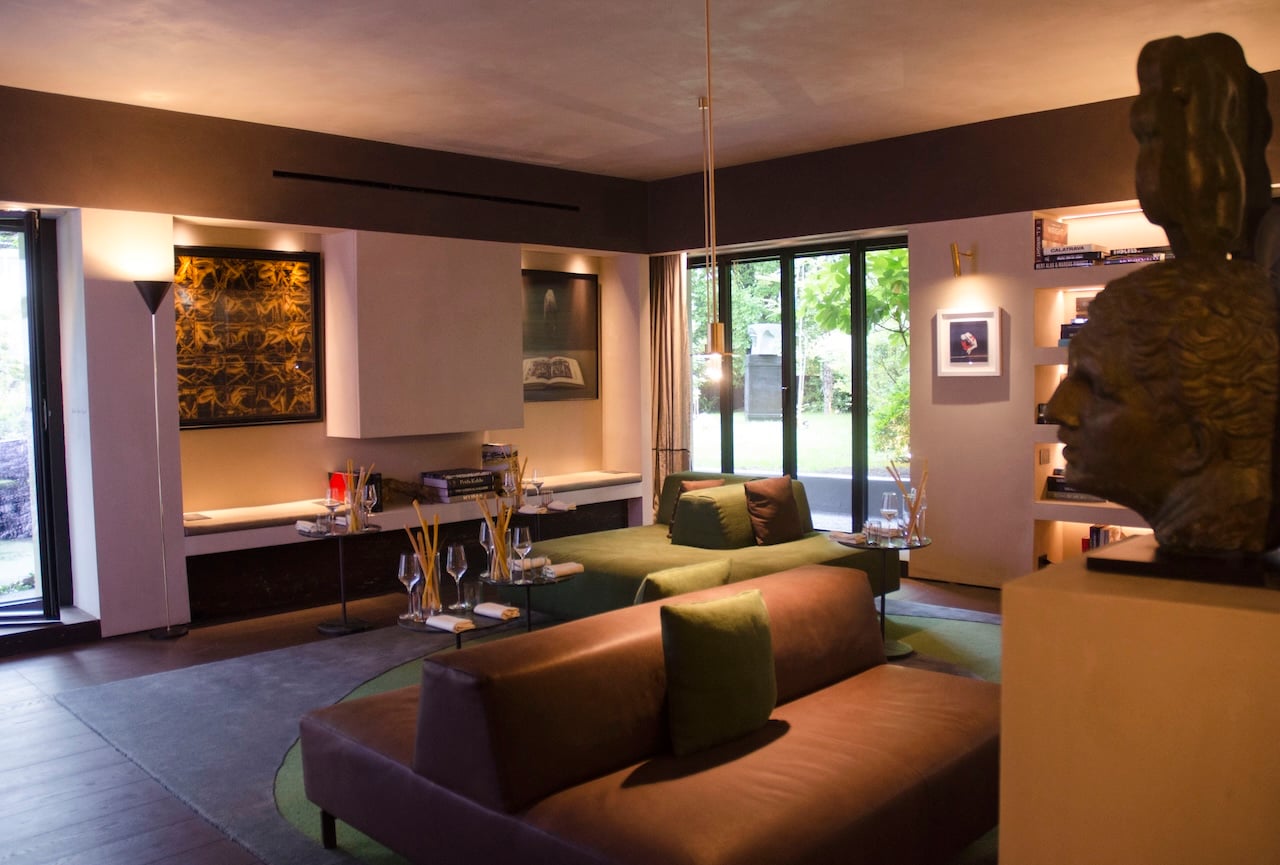
That philosophy comes to life inside Maison Montaigne.
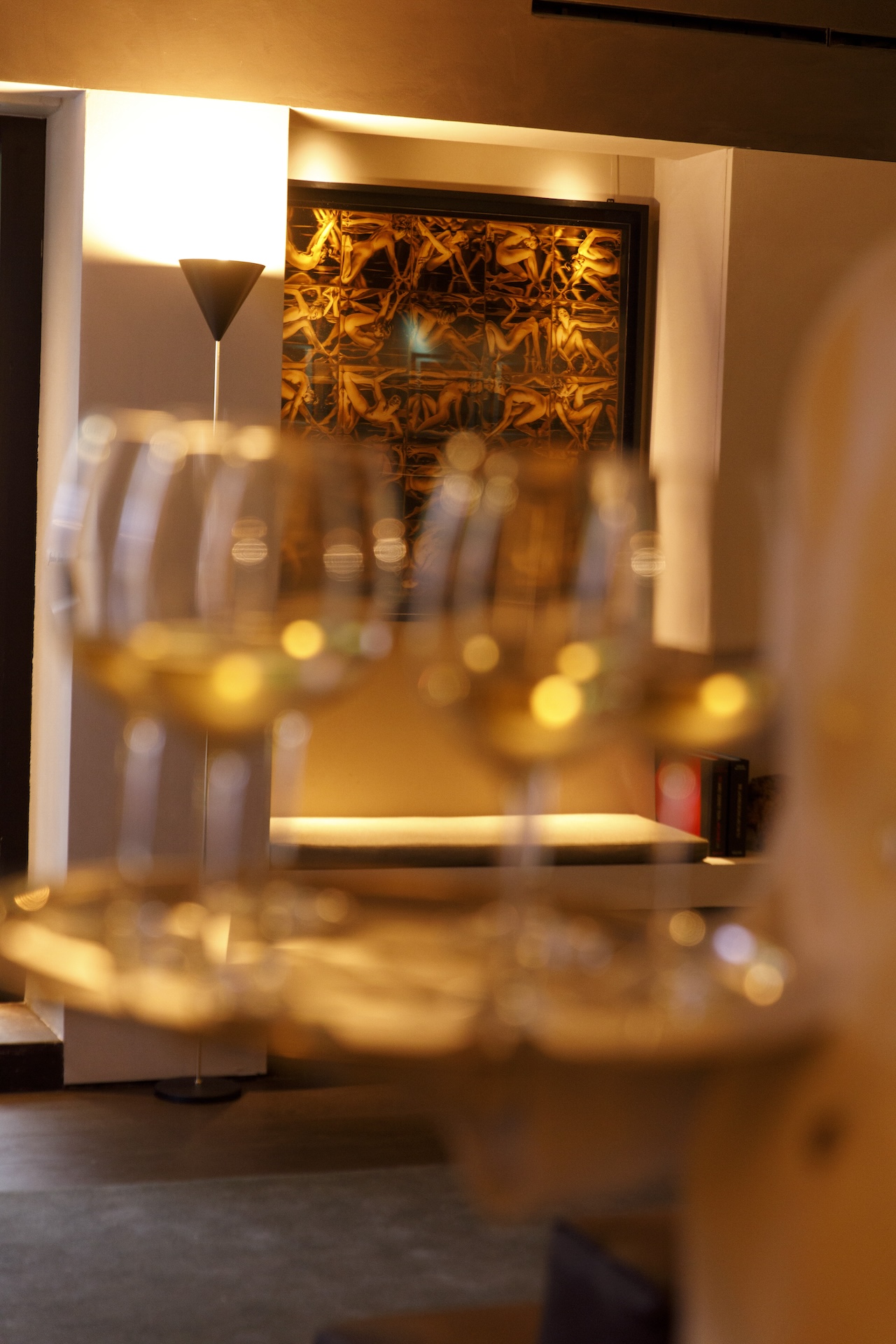
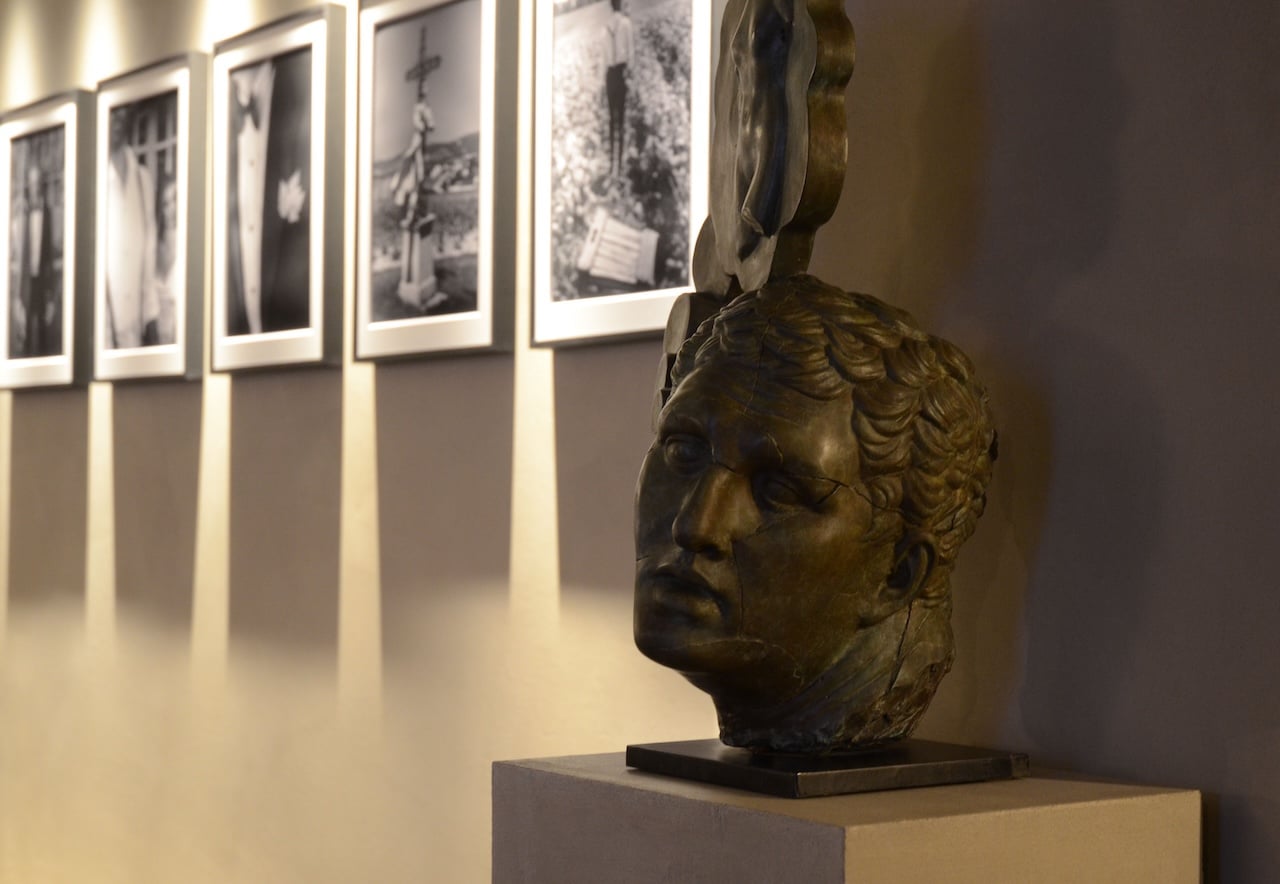
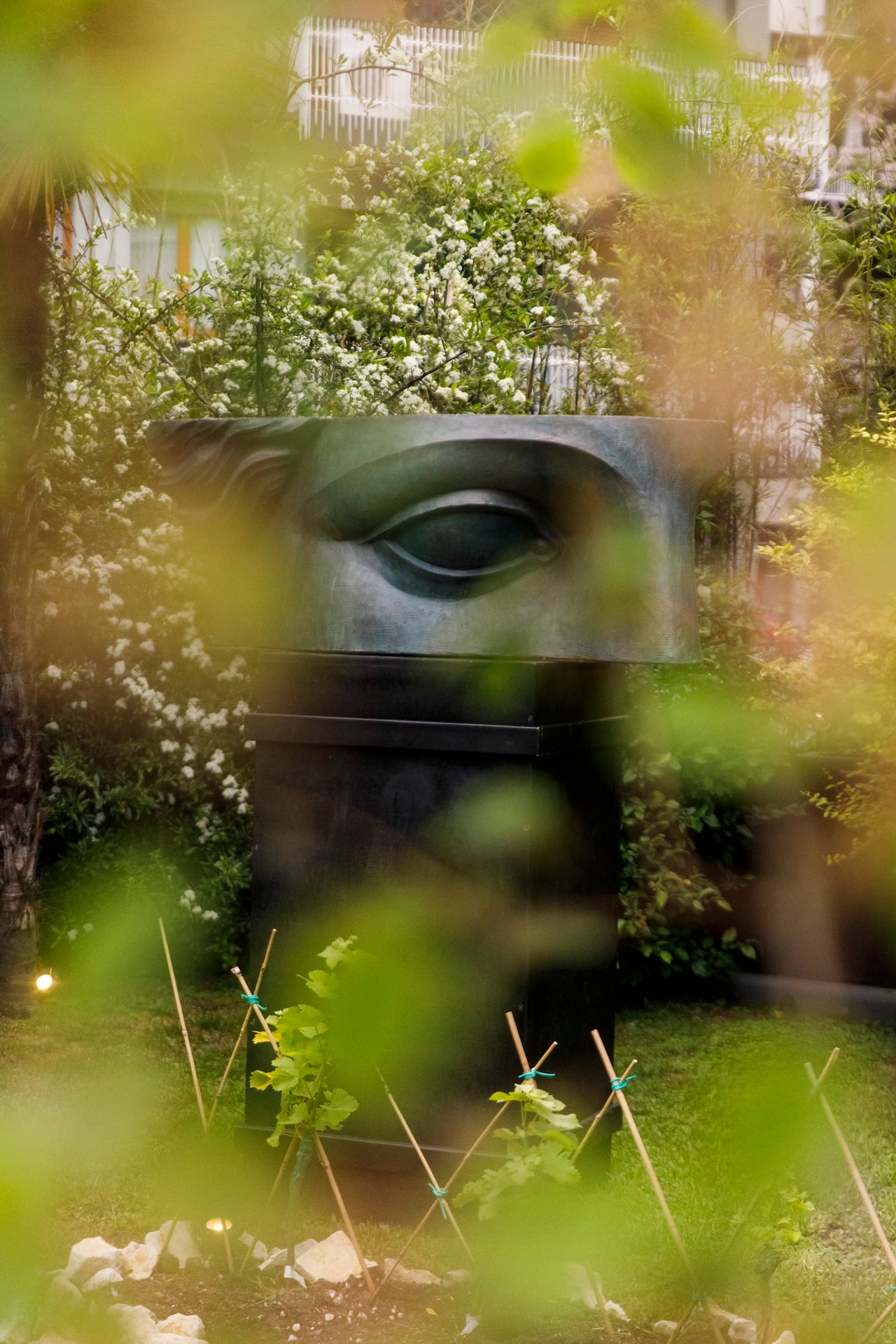
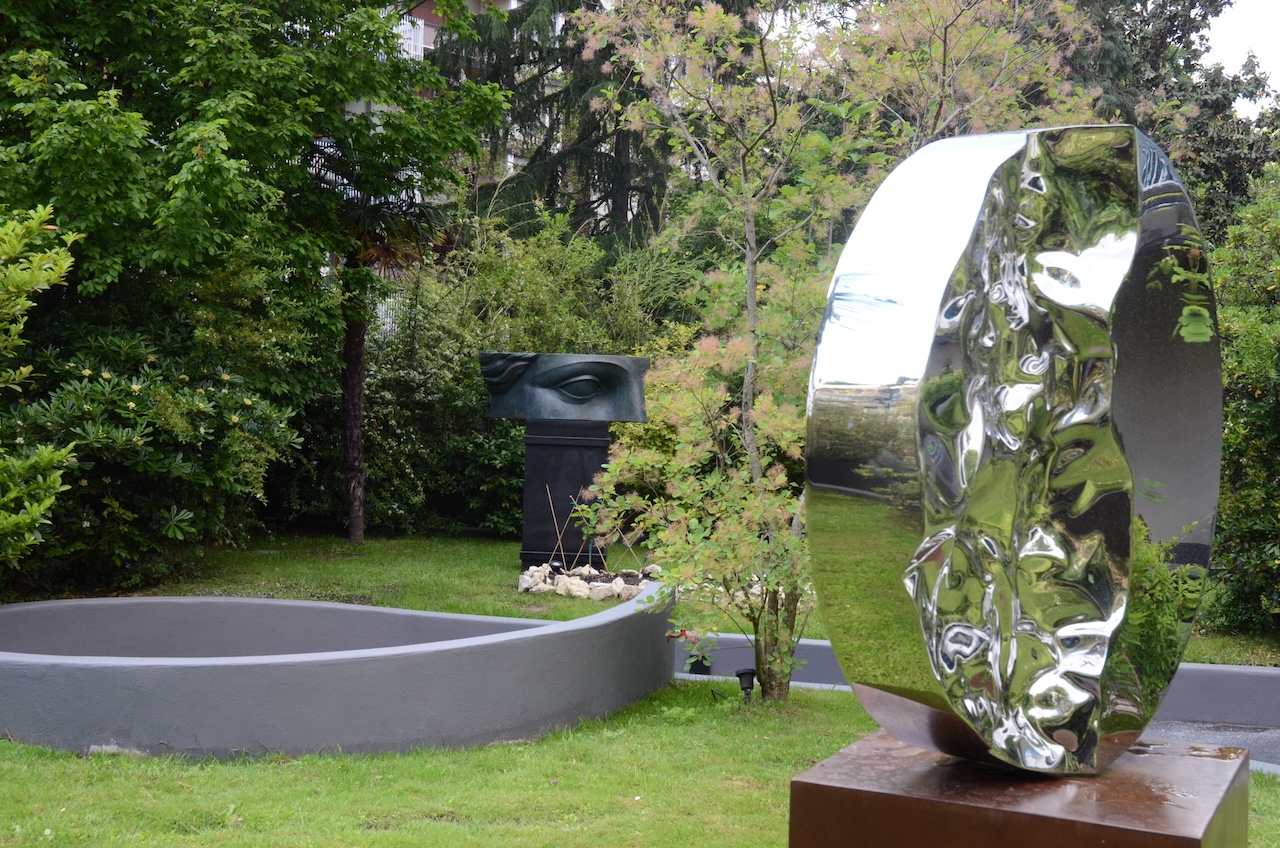
Hidden in the heart of Milan, the space feels less like a headquarters and more like a private residence — a refined, art-filled environment where every detail has been considered. Sculptural works, custom furnishings, and layered textures create a space that invites you to slow down.
“We wanted to create something not about the champagne,” the champagne virtuoso tells me as we walk through. “We speak about art, about design, about architecture, about photography… this place is to defend these values of authenticity, heart, and bon vivre.”
But Maison Montaigne is more than a beautiful space — it’s a strategic one.
Designed as an international hub, it acts as a meeting point for global conversations, where leaders across industries — from culture to business to hospitality — come together not for transactions, but for connection.
And notably, access cannot be bought.
“You have a lot of companies that want to pay to come here,” Revol admits. “I say no. You can’t pay anything. Because when you start to sell something about experience… you lose the authenticity.”
In a world where luxury is often monetized at every touchpoint, it’s a philosophy that feels almost radical — and entirely aligned with the Maison’s values.
Why Milan — and Why Now
For Revol, choosing Milan was not about departure — it was about evolution.
“All the other Champagne Maisons are in Paris,” the Comte de Montaigne CEO says. “I made a unique, avant-garde choice.” But the reasoning runs deeper. He sees Milan as a natural extension of the Maison’s identity — a city where craftsmanship, culture, and creativity intersect.
“In Europe, we have this heritage of artisan,” he tells me. “This know-how… it’s what allows us to create something exceptional.”
Positioning Comte de Montaigne between France and Italy isn’t about leaving tradition behind — it’s about expanding it. About taking centuries of knowledge and placing it in a contemporary, global context.
“You have to respect the past,” he says with intention. “But you cannot stay 100 years ago. You have to live in the future.”
A Godmother, Not an Ambassador
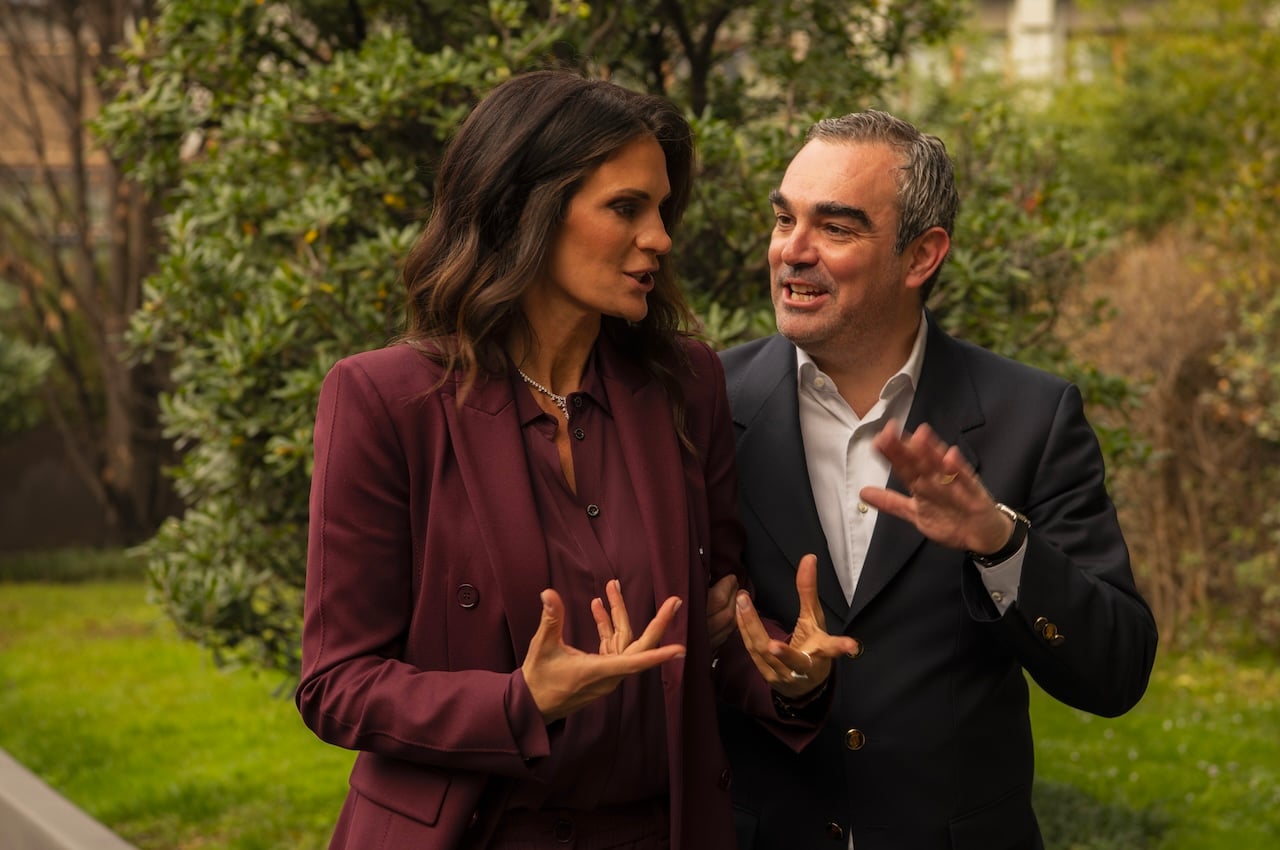
That future is also being shaped through one of the Maison’s most meaningful partnerships: Veronica Berti Bocelli.
“She’s not an opinion leader,” Revol tells me. “She’s a godmother.”
The distinction is intentional.
A godmother doesn’t just represent a brand — she protects it, guides it, and becomes part of its identity. For Comte de Montaigne, her role spans multiple dimensions: from representing the Maison on a global institutional stage, to embodying its values, to fostering meaningful connections across international networks.
“Veronica Bocelli is the godmother of the Maison because we share the same values,” he says. “Authenticity, bon vivre, heart.”
Their relationship began nearly a decade ago, in an unexpected way. “I met her on the beach,” he says, smiling. “Very relaxed. It’s a friendship story.”
Over time, that friendship evolved — rooted in shared philanthropic commitments, particularly through the Andrea Bocelli Foundation, and a mutual belief in using influence with purpose.
Today, her role feels less like a partnership and more like an extension of the Maison itself — bridging its heritage with a global, modern audience.
The Art of Bon Vivre
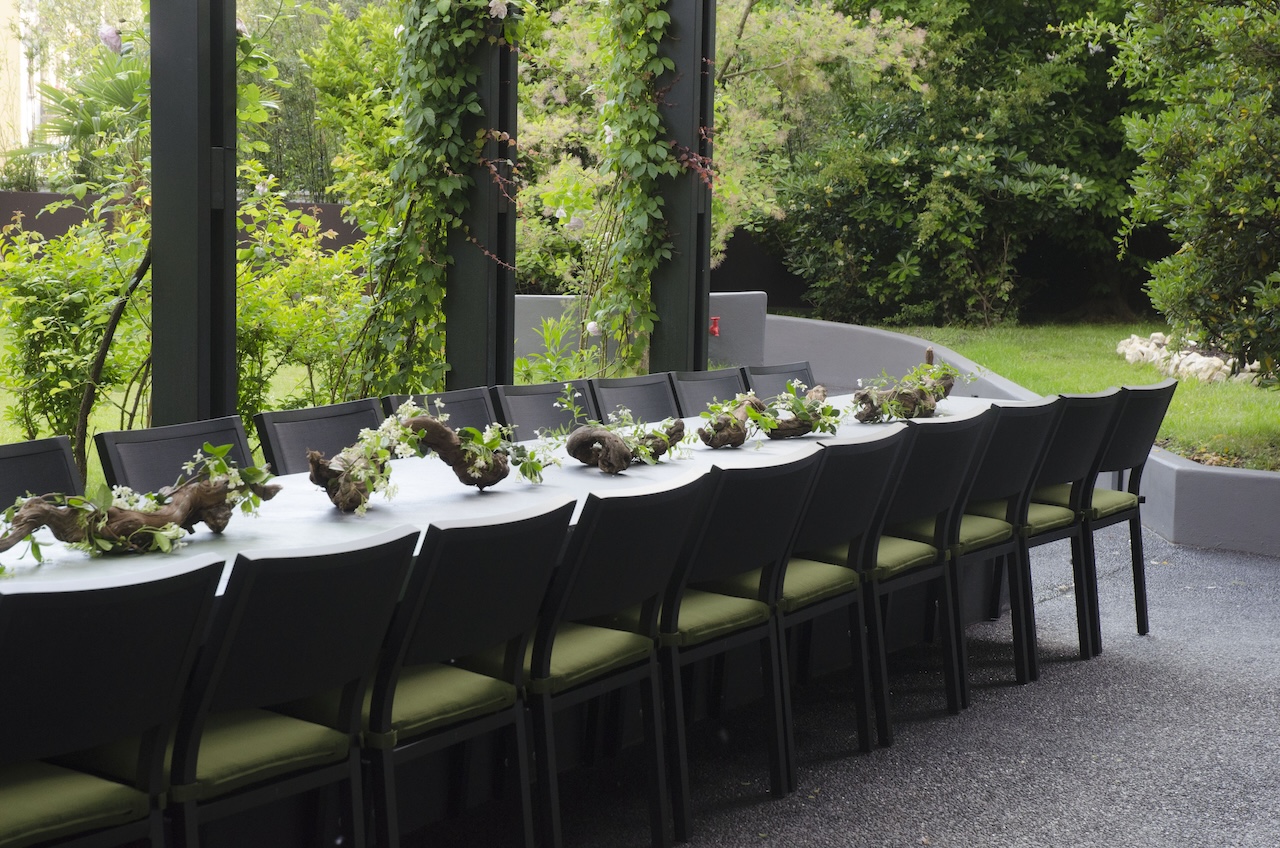
If Heart is the foundation and Authenticity is the guardrail, Bon Vivre is the feeling that brings everything together. And for Revol, it’s deeply personal.
“Le bon vivre is welcoming people,” he tells me. “I love welcoming people.” He describes it in moments: a beautifully set table, music playing softly, an abundance of food and champagne, attention to detail.
“You prepare everything,” he says. “But also — just a smile. A light moment.” It’s not about excess. It’s about intention. About creating an atmosphere where people feel seen, comfortable, and connected.
A Different Kind of Luxury
Spending time with Stéphane Revol, what becomes clear is that Comte de Montaigne is not trying to be louder — it’s trying to be more true.
It’s a Maison that honors its past while thinking decisively about its future. That invests in time, in people, and in experiences that cannot be replicated or purchased.
A Maison that understands that the highest form of luxury today isn’t just excellence — it’s consistency. Between what is said and what is done.
Because, as Stéphane puts it: “When you have values, you have to demonstrate them.”


