









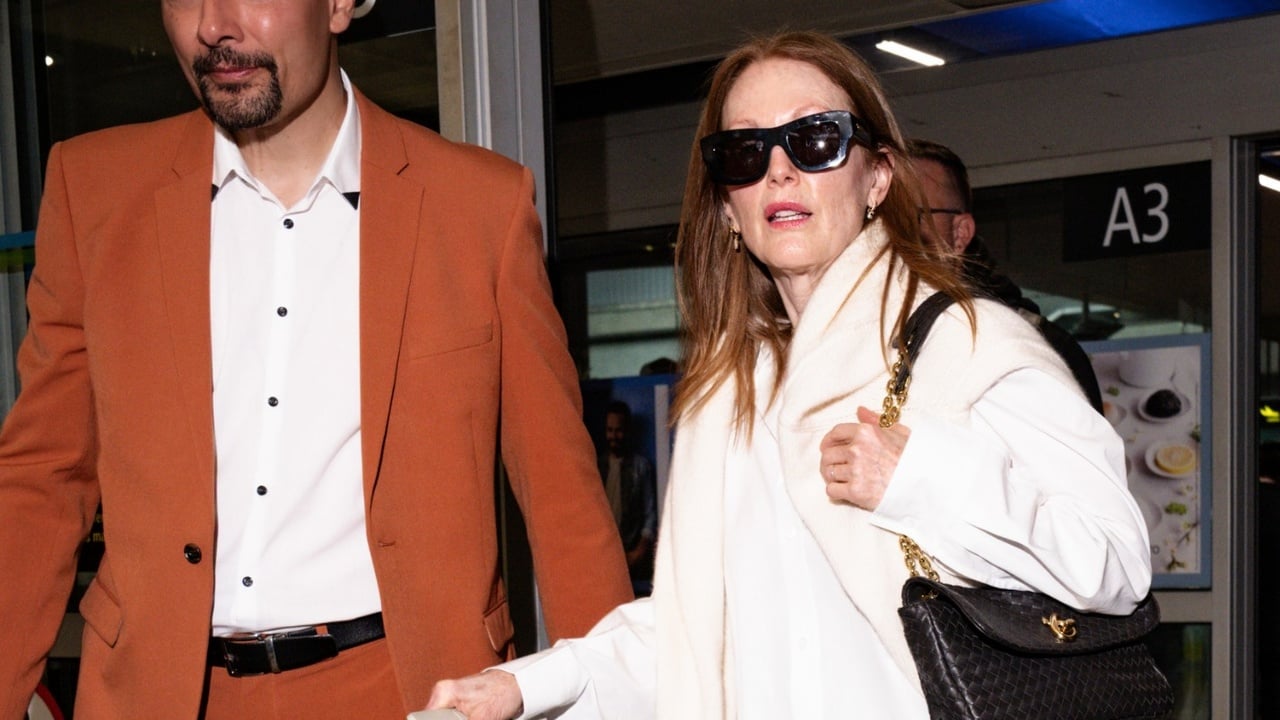
Bottega Veneta has introduced Corso, the new tote from creative director Louise Trotter. The bag belongs to the Winter 2026 collection, which examines the dialogue between structure and softness. Corso inherits that tension entirely. Its volume runs generous while the construction stays pared back. Soft folds then define a silhouette that reads as sculptural rather than casual. An expanded Intrecciato in supple nappa occupies the center. Smooth leather panels run along the flanks, so the woven surface meets a flat one. Each consequently makes the other look deliberate. The name carries a small joke in Italian, since corso denotes the widest avenue a city builds for itself.
Why the Intrecciato Still Matters
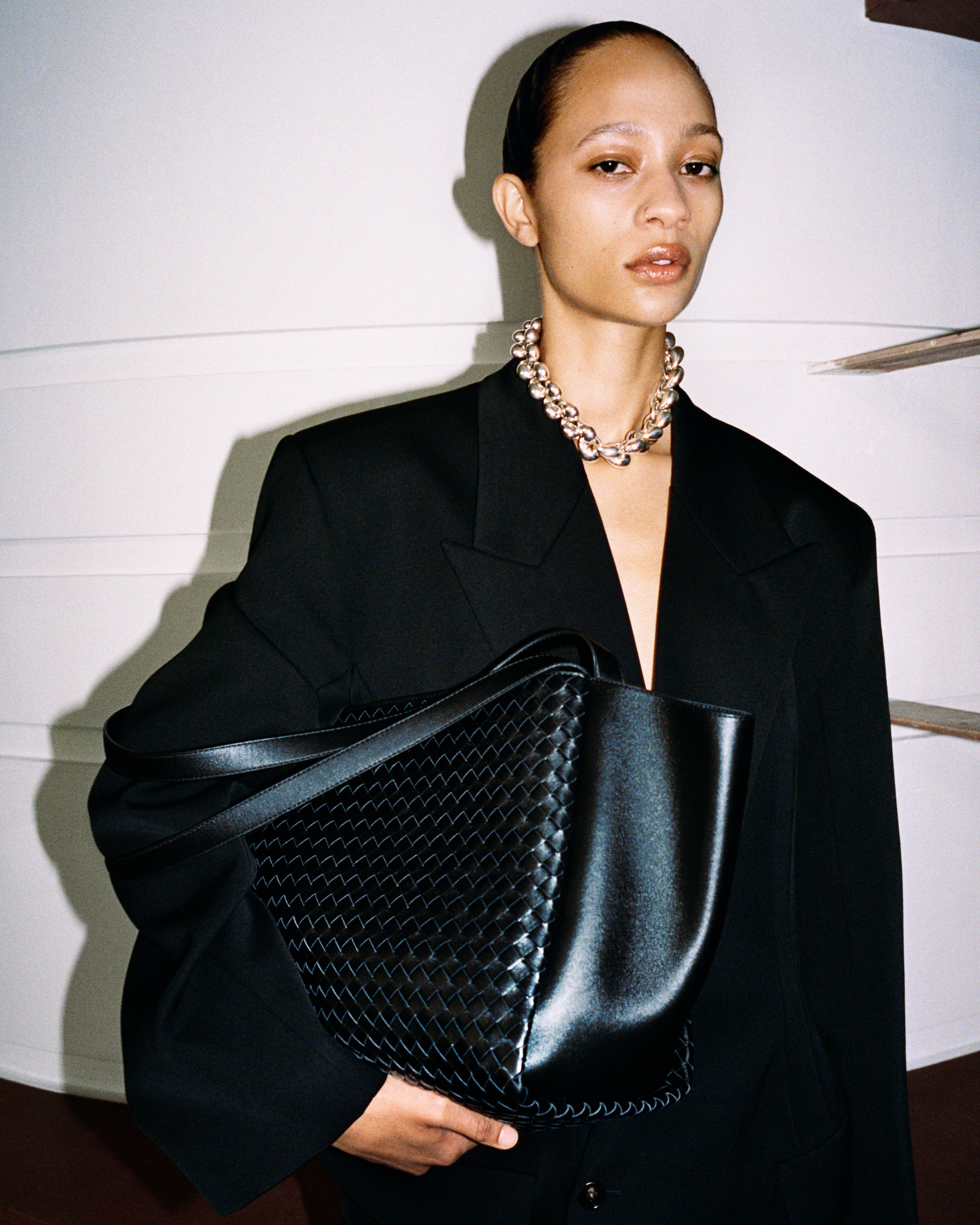
The weave claims a practical origin that few luxury signatures can match. In the Venetian workshops of the Sixties, sewing machines faltered against thick hides. Artisans therefore cut leather into narrow strips and wove them instead. Waste became ornament. A technique born of constraint eventually turned into the most recognizable code the Bottega Veneta Maison owns. The house later built an entire campaign on the phrase when your own initials are enough, which explains a great deal about how Corso behaves. Trotter has enlarged the weave considerably, granting it room across a broad surface. The bag announces its provenance accordingly, without recourse to a single visible logo.
How Corso Actually Wears
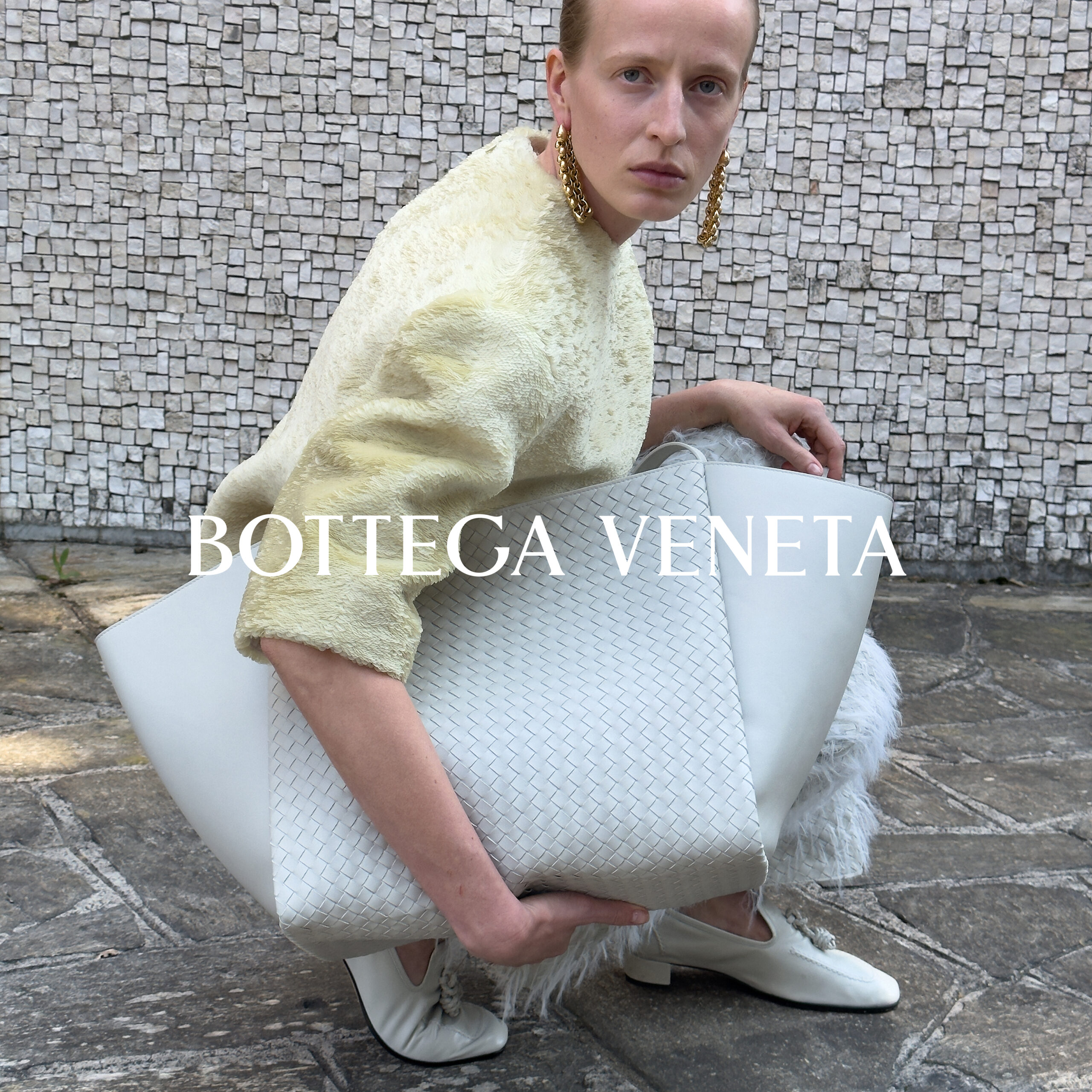
Daily use evidently shaped the brief. Corso accommodates everything a day demands while holding its proportions in check. The handle emerges directly from the suede-lined body rather than sitting atop it. Nothing therefore interrupts the line. The bag settles onto the shoulder as though someone had poured it there. For the launch Bottega Veneta offers seasonal shades, alongside a new material pairing in lightweight hammered calfskin.
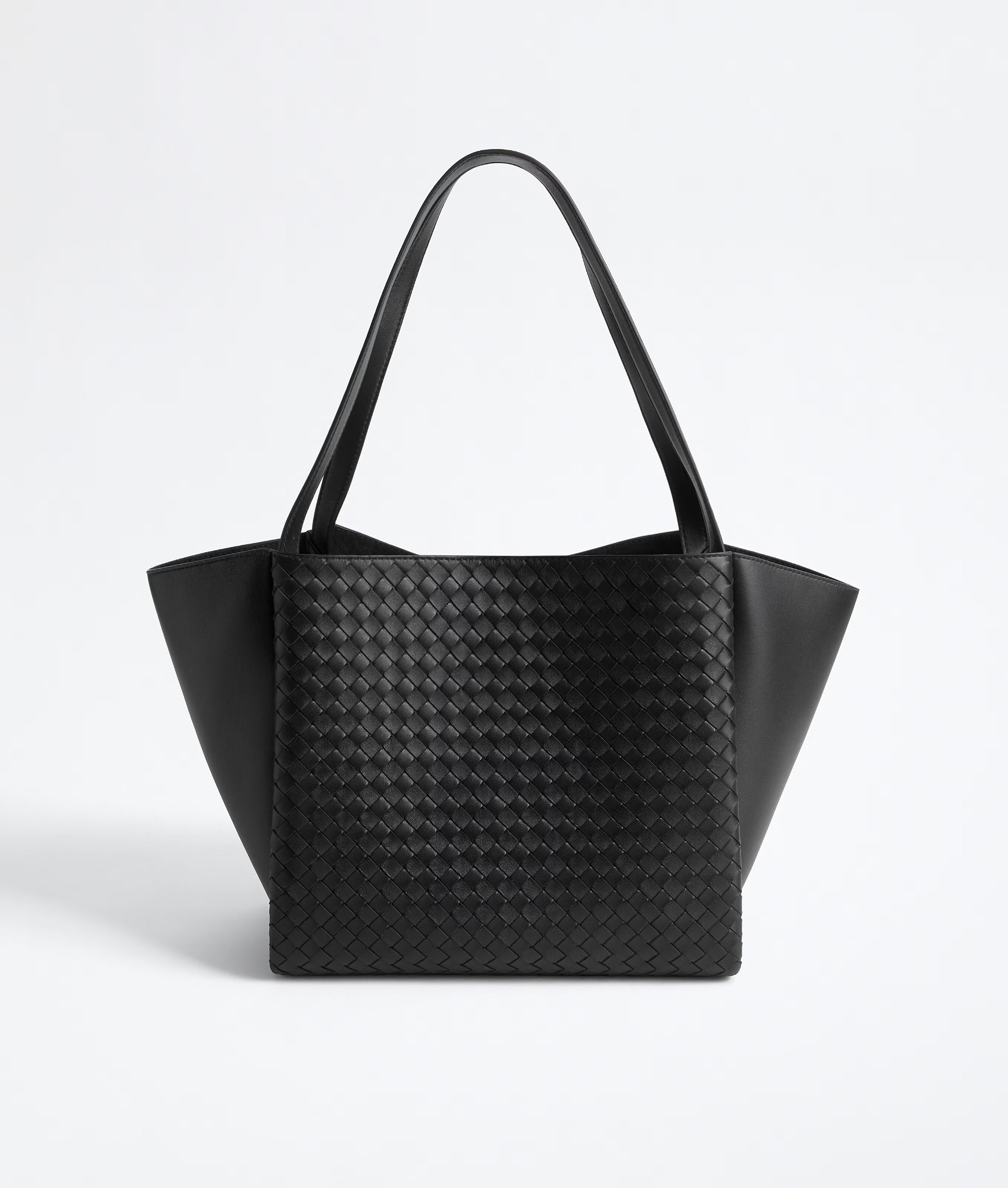 Bottega Venta, Corso
Bag
Bottega Venta, Corso
Bag
Obsidian Grey and Sting lead that palette. Both extend the brand’s ongoing research into texture, weight and tactility. Four sizes follow, from Small through Medium and Large to Maxi, each preserving the character of the original. Somewhere in a workshop near Vicenza, a problem solved sixty years ago still dictates what a bag ought to look like.


