










You’ve probably scrolled past it a dozen times this week: a creator on your feed dyeing her hair to seamlessly blend with her complexion, the result looking effortlessly polished and oddly satisfying. It seems straightforward enough – just pick a shade that mirrors your skin and you’re done, right? But if you’ve ever tried to replicate one of those transformations in real life, you may have noticed the result didn’t quite land the same way. That disconnect between what looks flawless on screen and what actually works for your face is exactly where this conversation gets interesting.
Why the low-contrast hair color movement took off
For years, conventional beauty wisdom pushed the idea of contrast. You chose hair shades designed to make certain features pop, creating deliberate separation between your complexion and your color. But a softer philosophy has been building momentum online, one rooted in tonal cohesion rather than opposition. Instead of standing apart, the hair color closely mirrors the depth of your complexion to produce a seamless, blended effect.
Social media creators have been the driving force behind this shift, experimenting with shades that sit in harmony with their skin rather than against it. The aesthetic has gained traction across the full complexion spectrum – from dewy olive tones to melanin-rich, warm browns – proving there is no single template for the look. Think of it as an elevated extension of matching your brows to your hair, but taken a step further across the entire head.
TikToker @rosemirii called the result her favorite color she has ever had, while @hhelenanguyen admitted that even though she loved the softness of the effect, she still felt drawn back to classic jet black. So what feels transformative for one person can feel like a departure for another. And that, according to the professionals, is precisely the point we need to talk about.
The undertone factor most tutorials skip over
Here is where the 30-second tutorials tend to fall short. New York City-based color analyst Karen Young cautions that matching your hair color directly to your skin tone is not as simple as it appears. Some people, she explains, need a fair amount of contrast between their skin and their hair to look their best. Matching your features matters, but doing it literally can sometimes work against you.
Young also points out that the term “skin tone” itself causes confusion. There is a critical distinction between overtones – the visible color on the surface of the skin – and undertones, which describe the natural hue beneath it. Both influence how a hair color ultimately wears on you. When you match your hair only to your overtone, you are completely neglecting the undertone, and the two can be quite different from each other.
According to Young, being aware of your undertone is extremely important. Colors that align with your undertone and your natural hair color help ensure the most luminous, even-looking complexion. In her view, you genuinely glow in shades that echo what sits beneath the surface of your skin, not just what is visible at first glance.
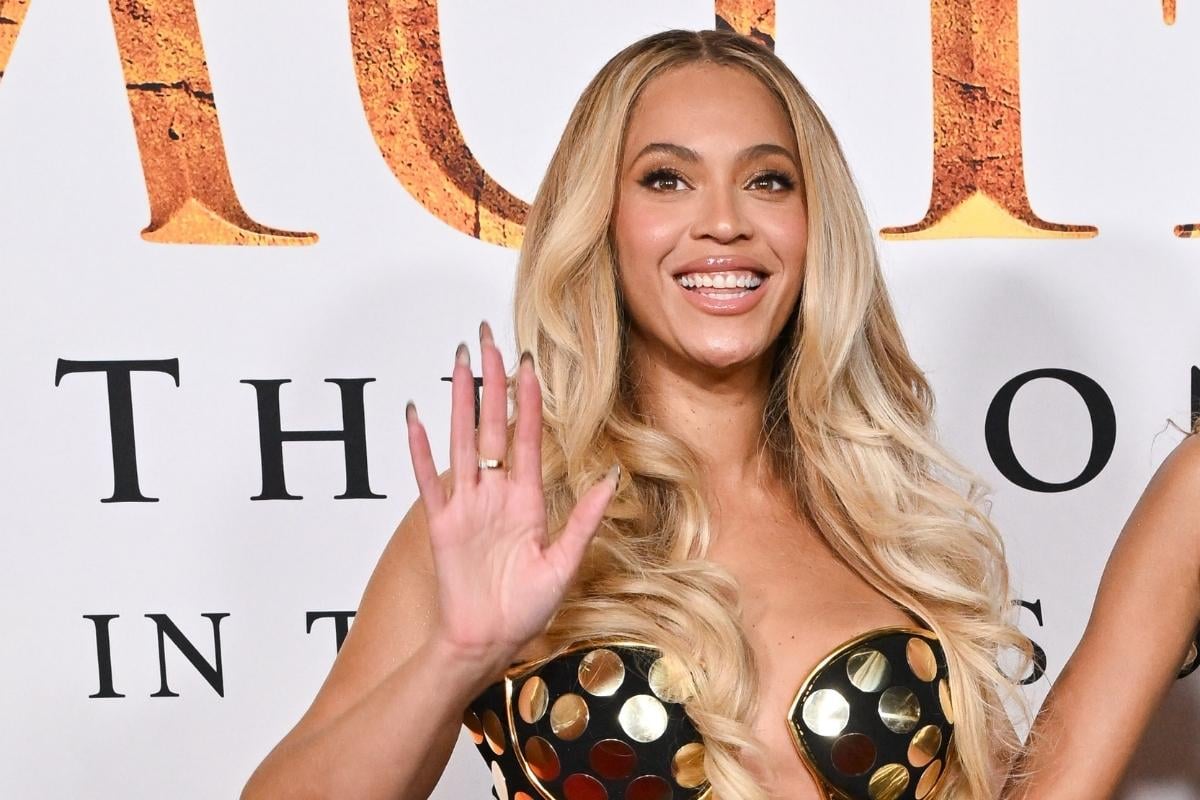
Celebrity hairstylist Sophie Rose Gutterman illustrated the concept with one of Hollywood’s most recognizable examples. She noted that Beyoncé wears a beautiful warm blonde that works because it echoes the warm golden undertones in her skin. The harmony is intentional, not accidental – and that distinction matters.
How to try the trend without a full commitment
If you are intrigued but not ready to overhaul your entire color, Gutterman recommends starting with lower-stakes options like color-depositing shampoos and glosses. These let you experiment with tonal shifts before committing to a permanent change at the salon.
When you are ready for a full transformation, Gutterman suggests having a detailed conversation with your stylist – specifically about how a complexion-matching shade would look under different lighting conditions. A color that melds beautifully under a ring light might not hold up under fluorescent bulbs, and knowing that ahead of time lets you decide what you are comfortable with.
Lifestyle also plays a role. If you spend a lot of time outdoors, the sun can cause your color to fade more quickly, leave your hair brittle, and make regular maintenance unrealistic. These are practical considerations that a TikTok clip rarely addresses but that a stylist absolutely should.
Young strongly recommends getting an in-person color analysis with a trained professional before making any major change. That way, you can fully understand both your overtone and your undertone, along with which shades naturally flatter you – rather than guessing based on a filter-heavy video.
The bigger picture behind one hair decision
Experts agree that this trend works best when you treat it as part of a larger beauty look rather than an isolated hair decision. Sometimes the finishing touch is not about the color itself but about the adjustments around it. Gutterman notes it might be something as easy as getting a spray tan or switching up your lipstick shade to balance out the overall effect.
What we can take away from all of this is refreshingly practical: the low-contrast color movement is genuinely worth exploring, but the most flattering version of it is one built on understanding your unique undertone rather than copying someone else’s result. The trend is personal by design. Your best shade is already encoded in the warmth or coolness sitting just beneath your skin – you just might need a professional to help you find it.


