










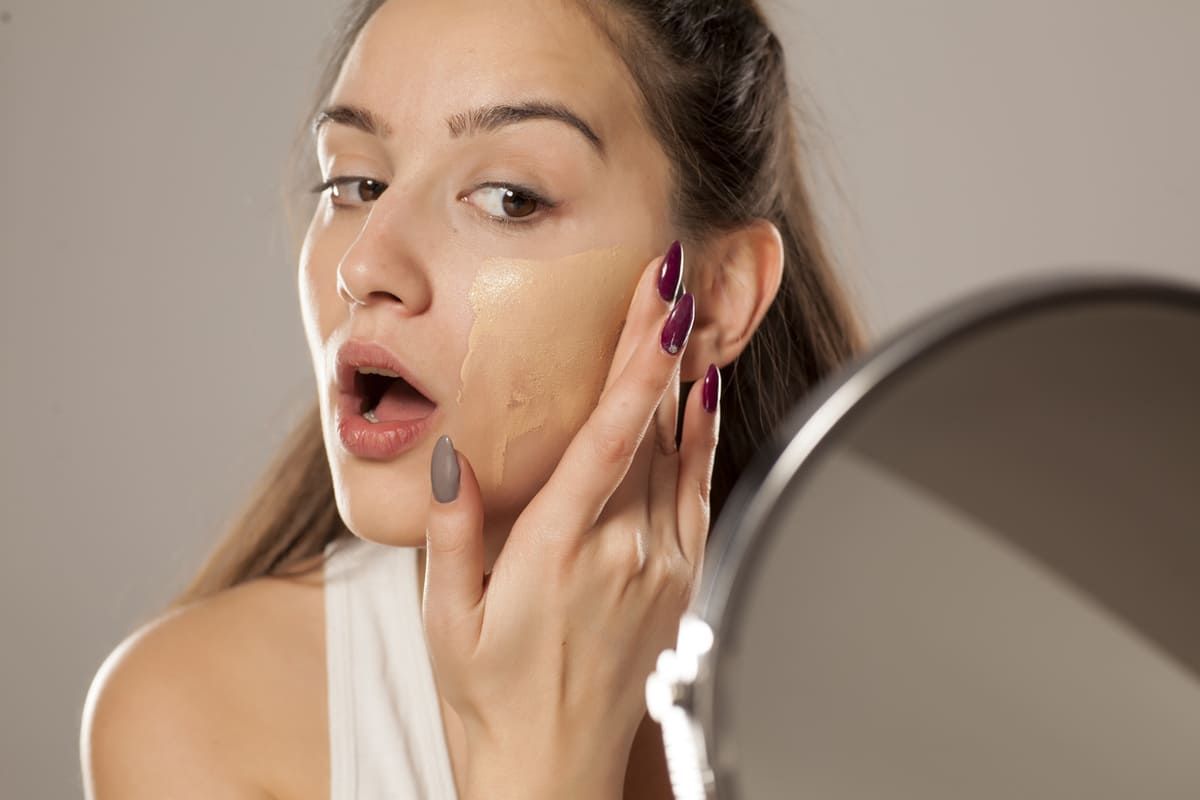
You have probably stood in front of a beauty counter – or scrolled through an endless online catalogue – feeling quietly defeated by the sheer number of foundations staring back at you. Matte or dewy? Full coverage or sheer? Stick, liquid, powder, tint? And just when you think you have narrowed it down, the season changes and your skin decides it needs something completely different. It turns out the base that beauty insiders keep reaching for is not the flashiest launch or the most viral bottle on TikTok. It is a skincare-first hybrid tint created by one of the most celebrated make-up artists in the world.
Why picking the right base feels harder than ever
The foundation market is overflowing. From high-street staples to prestige counters, formulations now cater to oily skin, combination skin, acne-prone skin, dry skin and mature skin – sometimes all at once. What we need from a base also shifts with the calendar: summer demands a formula that can survive warm temperatures, humidity and sweat, while winter calls for something hydrating and long-wearing that will not crack or flake.
Ingredients matter too. Those with sensitive skin are generally better off steering clear of anything containing perfume, while anyone dealing with dryness or visible signs of ageing may benefit from a formula enriched with hyaluronic acid, a moisture-binding molecule that helps skin stay plump. So how do you cut through the noise? Cosmetic Dermatologist Dr Sam Bunting notes that for oily complexions, the most common frustration is make-up simply disappearing as oil reaches the surface, which is why overly dewy formulas tend to migrate throughout the day. For combination skin – the most common skin type, characterised by visible pores and shine down the centre of the face alongside normal-to-dry cheeks – the trick is treating each zone differently rather than blanketing the entire face in one texture.
The unexpected pick that keeps winning over professionals
When beauty editors and testers were asked to name the base they genuinely cannot stop recommending, the answer was not a blockbuster 50-shade liquid or a viral powder compact. It was Lisa Eldridge’s Seamless Skin Enhancing Tint – a hybrid formula that is 78% skincare ingredients and comes in 18 carefully calibrated shades designed to capture even the most complex undertones.
The Enhancing Tint is built to even tone, lift the appearance of shadows, reduce redness and boost luminosity without masking. Its ultra-lightweight, crease-proof texture delivers hydration alongside blurring pigments, making it particularly flattering on mature complexions. Freelance beauty editor Cassie Steer has noted that the shade range avoids the common pitfalls of running too pink or too yellow, and that despite all those active skincare ingredients the finish never tips into greasy territory.
Eldridge herself, who has orchestrated red-carpet looks for Kate Winslet, Keira Knightley and Emma Stone, approaches foundation with a less-is-more philosophy. She recommends applying product only to the areas that need evening out, using a clean brush or damp sponge, then buffing all over so the base looks like a second skin with no visible edges. She also advises applying make-up in lots of thin layers so it stays in synergy with the skin, and keeping pre-make-up skincare light enough that it does not sit on top and compromise longevity. Her own Seamless Skin Foundation is clinically proven to last a minimum of 12 hours with no colour change or oxidisation.
How to make any foundation work smarter for your skin
Even if a skin-first tint is not your style, the principles behind its success translate to every base in your collection. Preparation is essential: skin should be clean, well hydrated and moisturised before you start, and products with a high alcohol content are best avoided in favour of creamy, hydrating textures. If you have reactive skin, heavy hand contact and rubbing can aggravate redness, so applying both skincare and foundation with a brush in gentle, light layers is a worthwhile switch.
Shade-matching is another area where most of us trip up. Eldridge suggests positioning yourself in daylight, in front of a window, angling your mirror so you look up into it to avoid shadows on the neck. She recommends applying a thin stripe of foundation under the cheekbone near the ear and down to the neck, then smoothing gently to check how it bridges the tonal differences between face and chest. The colour you see once the product has dried is the true shade – and that tonal shift between wet and dry application should not be confused with oxidisation, which only occurs if the shade changes during subsequent wear.
If your current foundation is not quite the right tone, you do not have to abandon it. Mixing it with a lighter or darker shade, blending it with moisturiser or primer, or using dedicated shade-adjusting drops such as the Revolution PRO Foundation Mixer can all help you dial in a better match as your skin tone shifts with the seasons.
The bottom line
The foundation that keeps earning quiet devotion from industry professionals is not a heavyweight, full-coverage formula – it is a skincare-loaded tint designed to let real skin show through. Lisa Eldridge’s Enhancing Tint proves that when a base prioritises hydration, tone correction and a barely-there finish, it can outperform far flashier options. Whether you adopt the tint itself or simply borrow its philosophy – thin layers, strategic placement, skin prep first – the takeaway is refreshingly simple: the best foundation is the one that makes people think you are not wearing any at all.


