










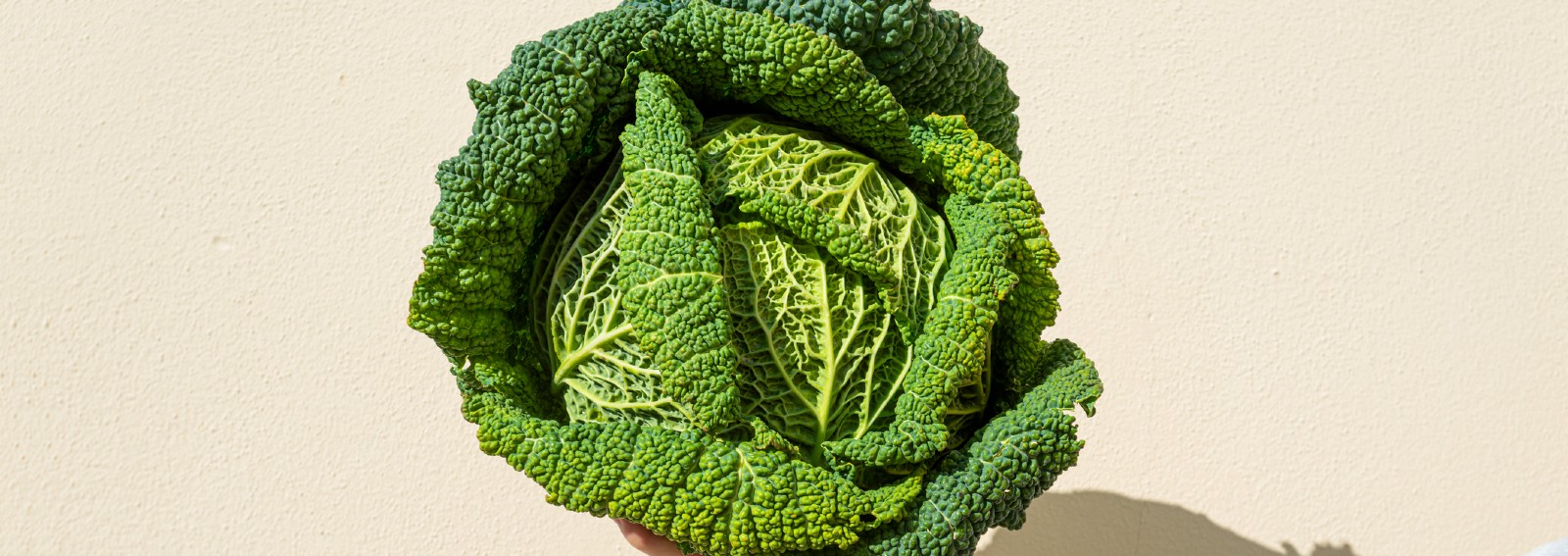
Often overlooked in our daily diet, cabbage is a highly nutritious food that can provide numerous benefits to our body.
Although it may resemble lettuce, cabbage (or kale) is a green leafy vegetable belonging to the Brassicaceae family.
Thanks to its nutritional profile and versatility in the kitchen, this vegetable is a healthy and tasty addition to a balanced diet. Here’s why you should eat it more often.
Algae: The Superfood of the Moment
Hormonal Imbalance: Signs & Fixes You Need to Know
6 Benefits of Cabbage (That Will Make You Love It)

1. It Has an Excellent Nutritional Profile
Although cabbage is low in calories, it has an impressive nutritional profile.
It is an excellent source of fiber, which aids digestion and promotes satiety. It is also rich in vitamins (especially vitamin C, K, and A) and minerals, including potassium and calcium.
Cabbage also has a high content of vitamin B6 and folic acid, both essential for many important processes in the body, including energy metabolism and the normal functioning of the nervous system.
The presence of antioxidants like flavonoids and phenolic compounds makes it an ideal option for those who want to follow a healthy diet.
2. Helps Control Inflammation
Cabbage is a nutrient-rich food with anti-inflammatory properties that can help control inflammation in the body.
This vegetable contains antioxidants like flavonoids and phenolic compounds that counteract cellular damage caused by free radicals, reducing inflammation. Additionally, it is a significant source of vitamin K, which has been shown to play an important role in regulating inflammation.
Studies suggest that a diet rich in leafy green vegetables like cabbage is associated with lower levels of inflammatory markers in the blood, reducing the risk of chronic inflammation-related diseases, such as heart disease and type 2 diabetes.
What to Eat to Strengthen Your Immune System
3. Helps Improve Digestion
Being rich in fiber, cabbage is an excellent ally for intestinal health.
Specifically, the insoluble fibers it contains help keep the digestive system healthy by adding bulk to the stool and promoting regular bowel movements.
Moreover, cabbage contains natural digestive enzymes that facilitate the breakdown of nutrients, improving the efficiency of the digestive process.
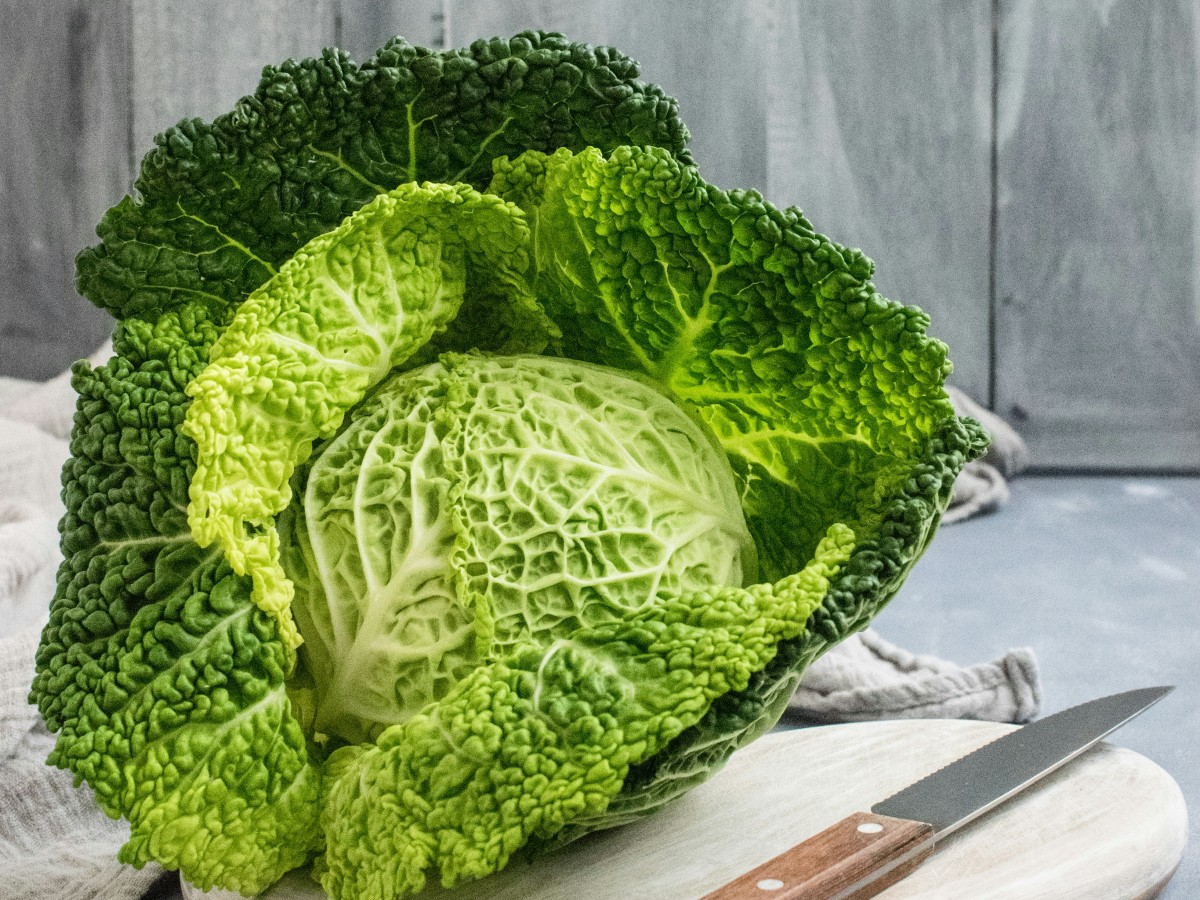
4. Eating Cabbage Helps Lower Cholesterol Levels
Cabbage has a high content of soluble fiber, such as pectin, which helps reduce bad cholesterol (LDL) levels in the blood. The fibers bind to cholesterol in the digestive tract, preventing its absorption and promoting its elimination through the stool.
Additionally, cabbage is low in saturated fats and rich in phytonutrients and antioxidants, which can help improve the overall lipid profile.
5. Good for Heart Health
By helping to reduce LDL cholesterol levels in the blood and thus reducing plaque buildup in the arteries, cabbage has proven to be an excellent ally for heart health.
Moreover, being rich in potassium, this vegetable helps regulate blood pressure, reducing the risk of hypertension and heart disease.
Finally, according to some research, antioxidants like vitamin C and flavonoids, which cabbage abounds in, protect heart cells from oxidative damage; thus contributing to maintaining a healthy cardiovascular system and reducing the risk of heart events and strokes.
Is it True that Fennel Helps with Weight Loss?
6. Cabbage is Perfect for Diets
The versatility of cabbage allows it to be easily integrated into many recipes, adding substance and flavor to main and side dishes without compromising nutritional balance.
Indeed, it is a perfect vegetable for diets.
Being composed mainly of water, cabbage is a hydrating food that helps maintain fluid balance in the body. It is also rich in essential vitamins and minerals, providing nutritional support without adding excess calories.
Finally, it is rich in fiber, which promotes satiety and regularity, helping to control appetite and maintain a healthy weight.
This article first appeared on Grazia.it


