











We don’t tend to speak about bladder problems as other health issues. Heart disease? Sure. Cancer? Absolutely. But bladder problems tend to get swept under the rug.
However, bladder problems are extremely common. Kris Jenner previously spoke out about bladder leakage on Keeping Up with the Kardashians, while Kate Winslet noted having stress urinary incontinence after having children on The Graham Norton Show.
And there are several things women should be aware of, according to Dr. Amanda Neri, Smile Makers Collection pelvic health expert & co-host of The Pelvic Freak Show.
1. Common Doesn’t Mean Normal
Regularly experiencing bladder leaks, particularly during exercise, pregnancy, postpartum fitness, and perimenopause? This isn’t normal, Dr. Amanda says.
“We can train the pelvic floor muscles to help prevent leaking, and train the bladder to hold on for longer too,” she explains. “Depending on whether the pelvic floor is tight, weak, or both, we might start with breathing exercises, strength training.”
Dilators or pelvic floor trainers can also be effective, such as Smile Makers’ Pelvic Partner
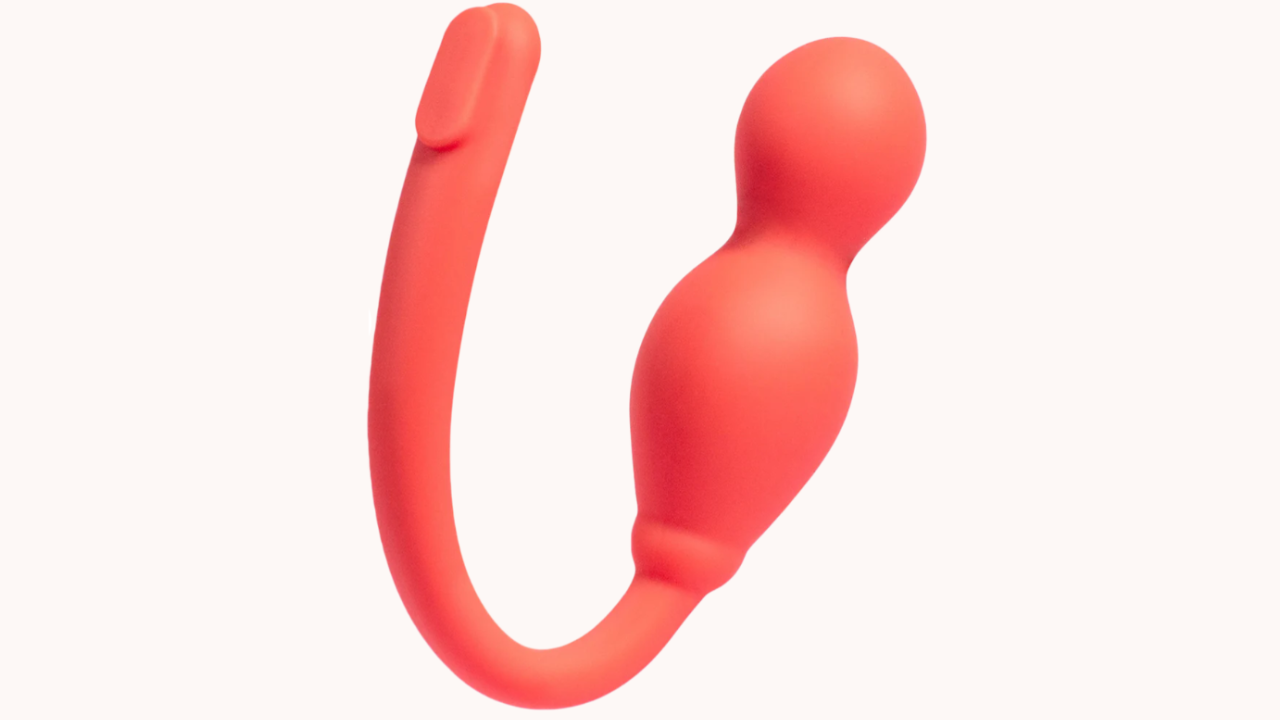
2. Peeing ‘Just In Case’ Might Make Things Worse
If you’re worried about accidents and pee ‘just in case’, it could be making things worse. “The bladder is a highly trainable muscle,” Dr. Amanda says.
“By going when we don’t really need to, we are training the bladder to respond to a less full bladder and send a signal up the brain that it’s time to go. Once that signal is sent, the feeling or urgency comes on.”
3. Sit On The Toilet Seat
It might sound obvious, but toilet seats are there to be sat on, not hovered over. Hovering “incorrectly trains the pelvic floor muscles to create tension when voiding,” Dr. Amanda says. This can lead to a lack of coordination, straining, tension, pain, and bladder symptoms over time.
She recommends using a toilet seat cover or using toilet paper down if you’re worried about germs.
4. Don’t Limit Water Intake
Drinking less water may seem like a solution to bladder weakness, but Dr. Amanda says this won’t always help with urgency symptoms.
“Less water leads to more concentrated urine, which can irritate the bladder lining, making urgency symptoms worse,” she says.
5. Sip, Don’t Chug
While it’s important to keep hydrated, how you do so is also relevant — and becking back a big glass may not give your body what it needs. “When you chug water, your kidneys will filter out the excess not needed in the bloodstream, filling the bladder quickly,” Dr. Amanda says. “This will initiate voiding cues and can make urgency worse.”
Instead, try to sip water at a slower pace so your body can retain more of it, leading to a happy bladder.


