










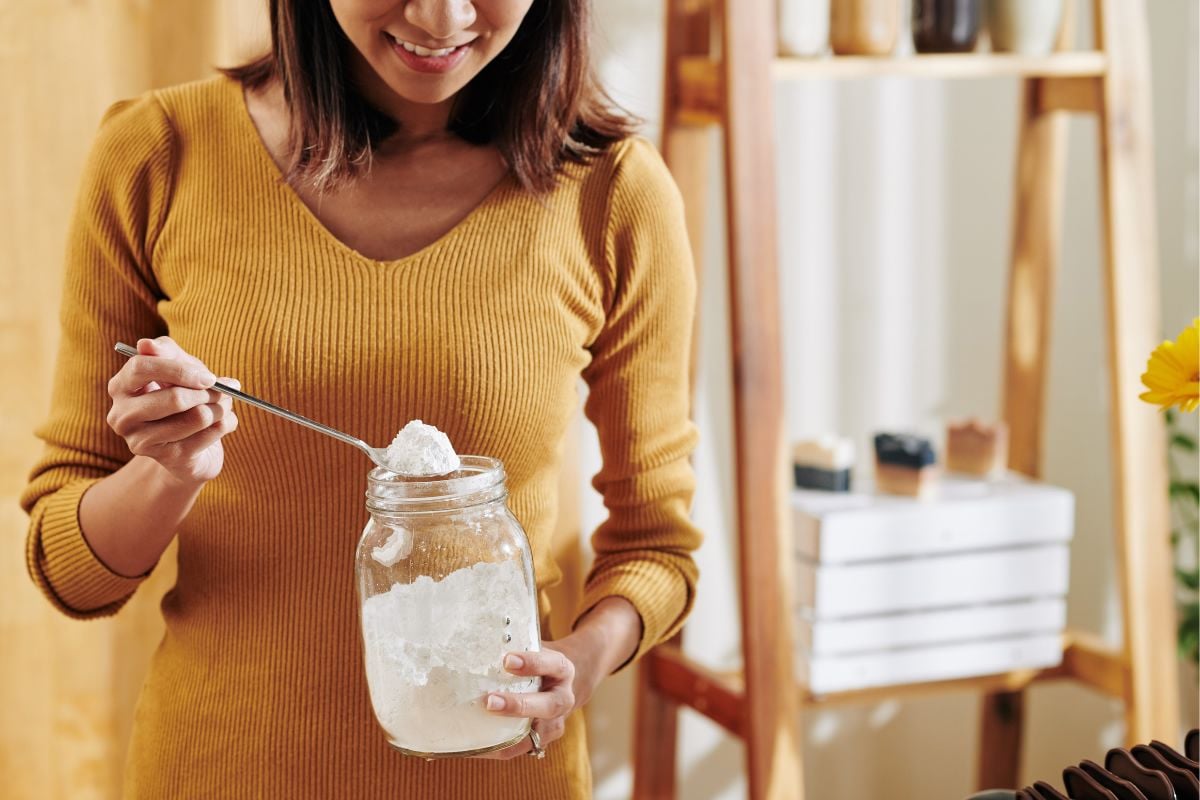
No polish, no rubbing, no black-stained cloths: just a pot, some foil and a little kitchen chemistry. Every year it happens the same way. The holiday table is planned, the guest list is set, and then someone opens the drawer of good silverware. The forks that looked bright last year are dull, yellowish, sometimes almost black. Hours of polishing loom. There is a faster way, and it has a real scientific explanation.
Mixing baking soda and aluminum foil in hot water removes tarnish from silver without scrubbing. Jerome Kruger, a professor of materials science and engineering at Johns Hopkins University, explained the method in a holiday tip from the university. “The reason that this process works so well is that it acts electrochemically,” he said.
What It’s Used For
Tarnish forms when silver reacts with sulfur in the air, creating a dark layer of silver sulfide. Polishes remove it by rubbing it away, which can also wear away a tiny bit of silver over time. The foil method works differently. “There is a flow of electrons between the silver object and the aluminum foil, and that’s what removes the tarnish,” Kruger explained. The sulfur moves to the aluminum, and the silver is left behind.
The good news, according to Kruger: “Tarnish doesn’t harm the metal. It’s just ugly.”
Why It’s So Highly Recommended
It saves time and effort, it uses things already in your kitchen, and because there is no scrubbing, it is gentler on intricate patterns than hard polishing. Before Thanksgiving, when you might have a whole set of forks, knives and serving spoons to clean, that makes a big difference.
How to Do It
Wrap each silver piece in aluminum foil, making sure the foil touches the silver in at least one spot, and cut a few slits in the foil so the liquid can get in. Place the pieces in a large glass, enameled or stainless steel pot. Add enough water to cover them, with 4 to 5 tablespoons of baking soda per quart of water. Simmer gently for about 30 minutes. Remove the foil, rinse the silver and dry it thoroughly. If tarnish remains in crevices, repeat. For extra sparkle on broad, smooth surfaces, Kruger suggests a small amount of commercial polish afterward.
When to skip it: if a piece is antique, silver-plated, has deliberately darkened details or includes stones, glued handles or wood, ask a jeweler or conservator first. Stick to the glass, enameled or stainless steel pot Kruger recommends.
Family silver often comes with stories, the kind of heirlooms psychologists say matter more with age, as with people over 70 who start passing on their belongings, or the piece of Diana’s that Meghan chose to wear. The lesson worth borrowing is that a little chemistry can save a lot of elbow grease.
The Bottom Line
Mixing baking soda and aluminum foil in hot water pulls tarnish off silver through a simple electrochemical reaction, no scrubbing required. Use 4 to 5 tablespoons per quart, keep the foil touching the silver, and your Thanksgiving table will shine.


