










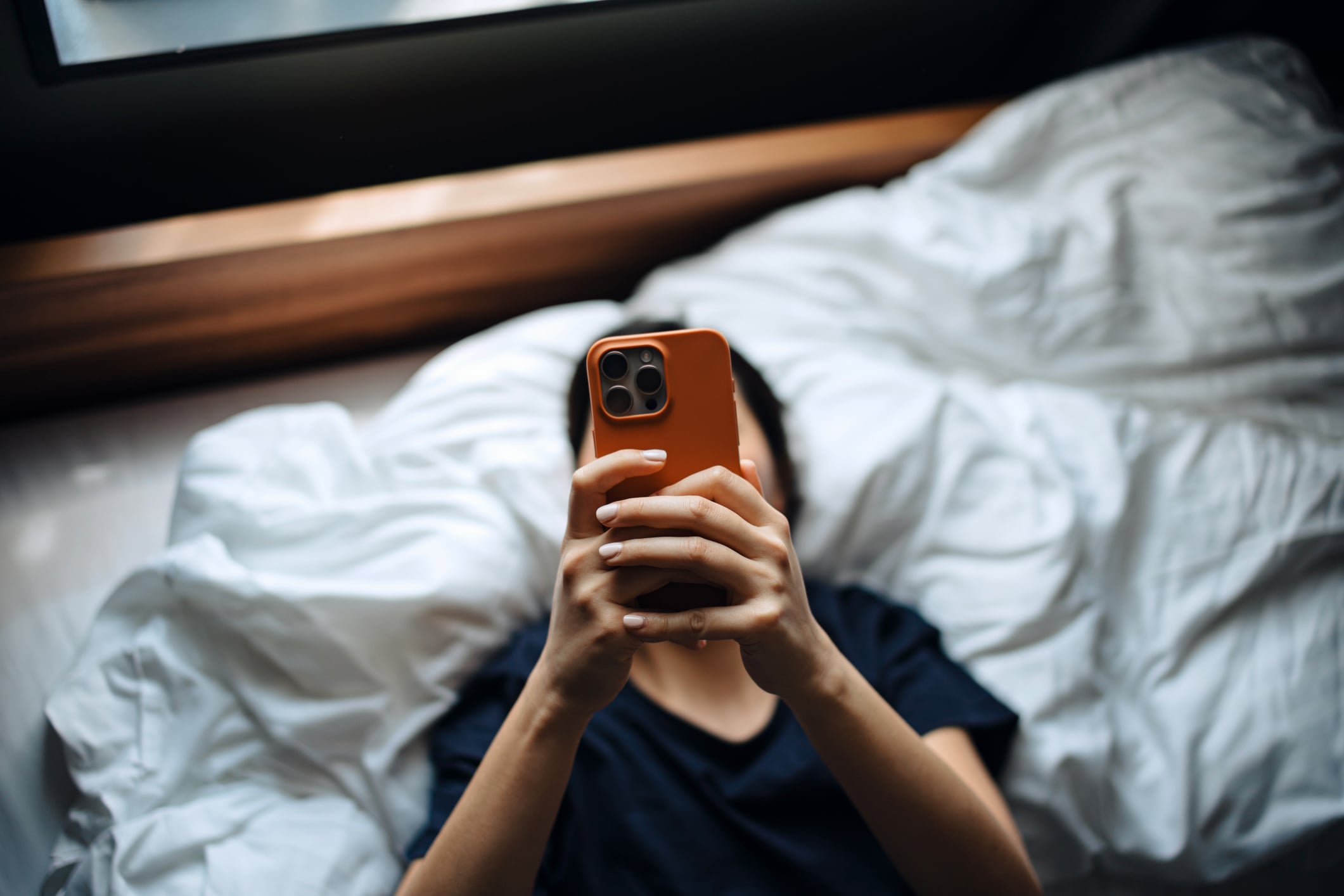
You promise yourself one episode, then realize it is 2 a.m. and Netflix is judging you. Your “quick scroll” on TikTok somehow eats an entire Sunday. You go to the Sephora website for dry shampoo and leave with a 7-step skin-care routine.
Often, these types of behaviors are linked to addictive personality types. To better understand these patterns and how they show up in daily life, we spoke to Dr. Bijal Chheda, Consultant Psychologist and Founder of Nos Curare, a clinic specialising in neurodiversity-affirming mental health care.
What People Really Mean By An Addictive Personality
“Addictive personality” is a cultural shortcut, not a clinical label. Some experts even call the idea of one fixed “addictive type” a myth, because it makes addiction sound like a character flaw you are born with instead of a complex brain and behavior disorder that can happen to many kinds of people.
Still, the phrase persists because it points to a real cluster of traits: impulsivity, trouble with moderation, craving intense feelings, and using habits to manage big emotions. Genetics matter – having a close relative with a substance use disorder can raise your own risk about four times – but so do environment, trauma, and mental health conditions like anxiety, depression, or ADHD. None of these guarantees addiction. They simply make certain “fixes” feel especially tempting.
7 Subtle Signs You Lean Toward Addictive Patterns
- 1. You Struggle With Impulse Control. You say yes before thinking, from last-minute trips to “add to cart” sprees, then feel instant regret. That hair-trigger urge is common in ADHD-style impulsivity and reward seeking.
- 2. You Chase Quick Highs. You live for the hit – a sale, a double espresso, a sugar rush, another round of online poker, one more notification. Your brain lights up for novelty and dopamine, then immediately wants a refill.
- 3. You Have An All-Or-Nothing Mindset. You are either obsessed with Pilates or cannot remember your studio login. You meal prep like a wellness influencer, then eat cereal for dinner all week. Grey areas feel strangely intolerable.
- 4. You Use Habits To Numb Feelings. The second stress hits, your hand is on your phone, a snack, a drink, or a ritual you “have” to complete. The behavior is less about pleasure and more about turning the volume down on your thoughts.
- 5. You Crave Routine But Cannot Keep One. You love a fresh planner and a color-coded schedule, yet by Thursday it is chaos. That cycle of big intentions and burnout often shows up with executive function struggles, like in ADHD or mood disorders.
- 6. You Feel Intense Guilt Or Shame After Certain Behaviors. Maybe you hide shopping bags, secret late-night food deliveries, or the number of drinks you had. The secrecy-plus-shame loop mirrors what many people with eating disorders or compulsive habits describe.
- 7. You Crave Control Yet Feel Out Of Control. You over-plan, over-schedule, and double-book, then spiral when anything changes. You might check your email, bank app, or front door lock again and again because anxiety demands certainty.
How Neurodiversity And Mental Health Fit In
Many of these traits overlap with neurodivergent conditions and mental health diagnoses. People with Attention-Deficit/Hyperactivity Disorder often have brains wired for immediate rewards and stimulation. Autistic people may naturally seek strong sensory input – deep pressure, certain sounds, repetitive movement – as healthy self-regulation. Mood disorders, including bipolar disorder, can bring soaring energy followed by crashes that reshape how you use habits.
Anxiety disorders and Obsessive-Compulsive Disorder can fuel rituals that look “addictive” from the outside but are really attempts to manage fear. Eating disorders may involve bingeing, restricting, or purging in cycles of relief and shame. None of this means you are doomed or broken. The better question is not “Do I have an addictive personality?” but “Is this behavior actually helping me cope, or slowly shrinking my life?”


