










An old-school blue Nivea tin is suddenly viral again, but its 1911 formula was never designed for modern routines. A US dermatologist breaks down what it truly does to your skin—and what it absolutely cannot.
If you grew up in a house with a grandmother, a mother or an aunt who owned moisturizer, you have probably met the blue Nivea tin. It sat on bathroom shelves, went on chapped cheeks in winter, even made cameos as a makeshift eye cream before big nights out. TikTok has simply rediscovered what older generations were already obsessed with.
The question I get in clinic is not whether it is iconic. It is whether this single digit priced classic is secretly a miracle face cream or just nostalgia in a metal jacket. As a US board certified dermatologist, I pulled the current US ingredient list for the classic blue Nivea Creme, analyzed it the same way I would a new launch, and compared notes with the existing clinical data and expert reviews. Here is the unromantic version.
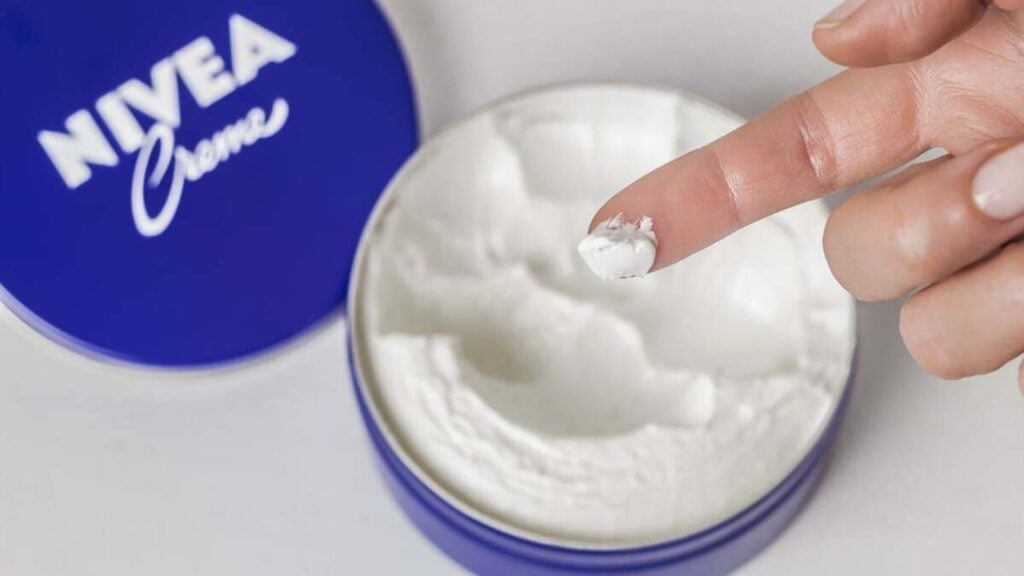
Why The Blue Nivea Tin Refuses To Retire
Nivea Creme launched in 1911, when the lanolin based emulsifier Eucerit made stable water in oil creams possible. The blue tin design arrived in 1925 and is still on shelves a century later. The parent company reports that more than four tins sell every second worldwide, which explains why so many medicine cabinets look like museum exhibits.
That kind of longevity creates a powerful myth that “if it was bad, it would not still be around.” Dermatologists who have actually scored the product tend to be more lukewarm. One Latin American dermatologist publicly rated it about three and a half out of 10 overall, praising its moisturization but steering acne prone faces away from it. French dermatologists reviewing the formula reached a similar middle ground: excellent for basic hydration and roughness, not a do it all treatment and best combined with other targeted products.
Inside The Formula: A Derm Decodes The Blue Tin
The US version of the blue Nivea tin is a classic water in oil emulsion. The first ingredients are water, mineral oil, petrolatum, microcrystalline wax and paraffin. That mix forms a thick, occlusive film over the skin. Under US regulations, mineral oil and petrolatum are recognized as skin protectants for chapped or cracked skin, and that is exactly how this cream behaves.
Glycerin and panthenol sit a bit further down the list. Both are humectants, meaning they attract and hold water in the outer skin layers. Glycerin in particular has solid data behind it in dry skin formulas for boosting measured hydration, while panthenol can help reduce water loss and soothe discomfort when used at meaningful levels. Together with the occlusive oils and waxes, they make the tin very effective at softening dryness and rough, scaly texture.
The “secret sauce” historically is lanolin alcohol, also labeled as Eucerit, which lets water stay dispersed in that heavy oil phase and adds slip. The down side is that lanolin alcohol is a known contact allergen for some people. The fragrance mix is another red flag for sensitive users. The tin lists parfum plus allergens like limonene, linalool and geraniol. In patch test studies, fragranced, lanolin containing products, including Nivea type creams, show up often as triggers of contact dermatitis. None of that is dangerous for most people, but if you have eczema, rosacea or a history of reacting to scented products, it matters.
[fpvideo mediaid=”https://www.youtube.com/shorts/CgIvWao_z3M” no_top_page=”yes” autoplay=”no”]
Where It Shines – And Where It Really Does Not
Used where it was essentially designed to go – very dry, thick skin – the blue tin is excellent. Pharmacists and derms are surprisingly united on this part. A generous layer on cracked heels under cotton socks, on dishpan hands, on ashy knees and elbows or on wind chapped noses and lips can make a dramatic overnight difference. By sealing in water and stopping transepidermal water loss, it lets the skin barrier repair itself more efficiently.
The story changes on the face. This is a heavy, waxy, slow to absorb cream. For normal to oily or acne prone skin, that occlusive cloak can trap sweat, sebum and dead cells, which is why so many people notice clogged pores and breakouts when they use it as an all over night cream. Several pharmacists and dermatologists now explicitly recommend keeping it on the body and using lighter, fragrance free formulations on acne prone faces instead.
It also is not an anti aging cream in any serious sense. There are no retinoids, no meaningful vitamin C, no peptides and no sunscreen. Any improvement in fine lines around the eyes comes from plumping dehydrated skin and softening surface roughness, not from stimulating collagen or fading pigment. For sensitive or eczema prone skin, the combination of lanolin alcohol and multiple fragrance allergens makes it a higher risk pick than fragrance free petrolatum or ceramide creams, especially on already inflamed or sunburned skin.
One more important limitation: the blue tin contains zero SPF and should never be used instead of sunscreen. On a true sunburn that is red, hot or blistered, perfumed creams are not appropriate. Reach for fragrance free after sun products or plain petrolatum and, ideally, speak with a clinician.
How To Use It Smartly (If You Are Going To)
The most realistic way to think about the blue Nivea tin is as a very old school but still useful occlusive tool, not as a modern, multi active face cream. If your body skin is very dry but not particularly reactive, it can earn a permanent spot in your nightstand.
- Heels and feet: Apply a thick layer on clean, slightly damp skin at night, then put on cotton socks. You get a budget foot mask that competes with far pricier products.
- Hands: Massage a pea sized amount into the backs of the hands after washing or before bed to protect against frequent sanitizer use and winter air.
- Elbows, knees and shins: Use a thin layer over a lighter body lotion on stubborn rough patches for extra sealing power.
For the face, I reserve it for very dry, non acne prone, non sensitive skin, and even then only as an occasional night occlusive. Think a thin veil over a simple, fragrance free moisturizer on small dry areas, not a nightly, all over routine. Patch test behind the ear or on the neck for several nights before you bring it near your cheeks or eye area.
If your main goal is anti aging, you will get far better results from daily broad spectrum SPF 30 or higher, a well tolerated retinoid, and possibly vitamin C or niacinamide, with a bland moisturizer layered underneath or on top. If you want slugging style occlusion, plain petrolatum is usually safer than a heavily fragranced, lanolin rich cream, especially if you use acids or prescription tretinoin.
My honest derm verdict: as a cheap, accessible body occlusive for dry, non reactive skin, the blue tin is a solid 8 out of 10. As a daily facial or “eye wrinkle” solution, especially for acne prone or sensitive skin, it is closer to a 2 or 3. Keep the icon if you love it, but give it a realistic job description – heels, hands, rough patches – and let your face have something more tailored to its actual needs.


