










In one bruised
bathroom scene from Die Hard, Bruce Willis’s John McClane trades
swagger for a brutal confession about love, ego and regret. What
can that one line change in our own relationships?
The loudest moment in Die Hard is not an explosion. It is a man in a filthy undershirt, barefoot and bleeding in a Nakatomi Plaza bathroom, finally admitting he has been a terrible husband.
Talking to Sgt. Al Powell over a walkie-talkie, John McClane drops the swagger and lets the ego go. He asks Al to find his wife Holly and deliver what might be his last message: that he was a jerk, that he should have backed her career, that she was the best thing that ever happened to him. Then comes the line that has outlived every broken pane of glass: “She’s heard me say I love you a thousand times, she never heard me say I’m sorry,” McClane says. That one sentence is a masterclass in ego, love and the second chances we keep gambling with.
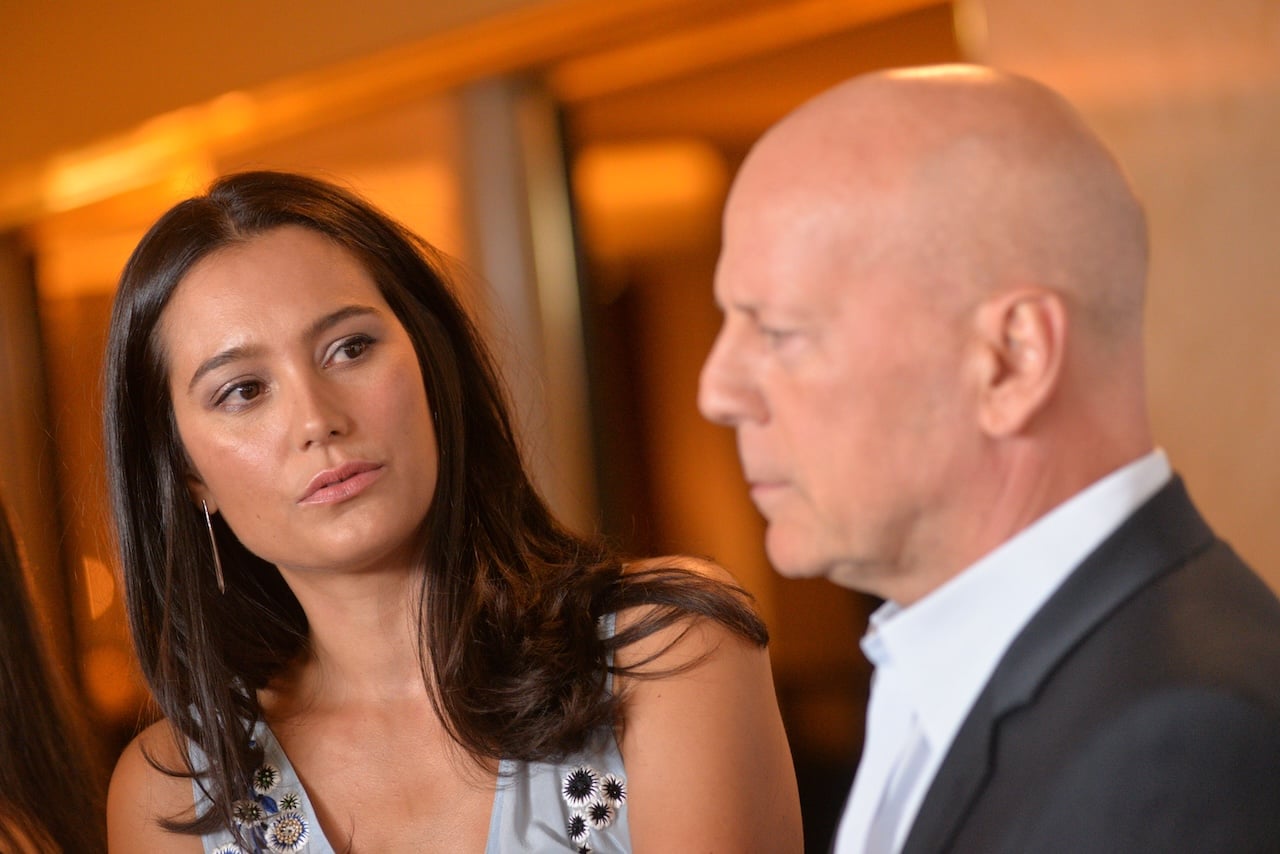
Emma Heming and Bruce Willis
Tony Bennett 90th birthday celebration, New York, USA – 03 Aug 2016
The Quiet Die Hard Bathroom Scene That Hurts More Than Any Explosion
Up to that point, McClane is the fantasy – wisecracking cop, unkillable body, pure alpha. The bathroom scene rips the costume off. He is alone, terrified he will not make it down those floors, realising that the real collateral damage of his pride was Holly’s heart and career.
He admits he mocked her ambition, resented her success and punished her for daring to outgrow the version of herself he preferred. The terrorists are a problem; his ego is the pattern. That is why the confession still lands decades later. We are watching an action hero understand that being “the man” is useless if the woman you love never once hears you take responsibility.
The Line That Turns An Action Hero Into A Husband
“I love you” kept him romantic; “I’m sorry” would have made him accountable. In that stall, dehydrated and bleeding, McClane finally cares less about being right than being honest. That is the actual plot twist.
Why “I Love You” Is Easy And “I’m Sorry” Is Terrifying
Most of us are fluent in affection and nearly mute in apology. “I love you” flatters everyone in the room. It costs nothing, risks nothing, keeps your image intact. “I’m sorry” is different. It admits you caused harm. It invites the other person to decide whether you are still as heroic in their eyes as you thought.
For a lot of men especially, raised to treat vulnerability like kryptonite, apology feels like stepping off the top floor without a fire hose. Pride dresses itself up as confidence. Defensiveness pretends to be logic. You start explaining instead of owning, and suddenly your partner has 1000 memories of “I love you” and zero of you actually saying, out loud, “I was wrong.
The Emotional Math Of 1000 “I Love You”s
That number in the quote is doing quiet work. McClane is not saying he failed to love Holly. He is saying he used love as a smokescreen. One sincere “I am sorry for this specific thing I did to you” can heal more than 1000 “love you, babe” texts that skate over the wound.
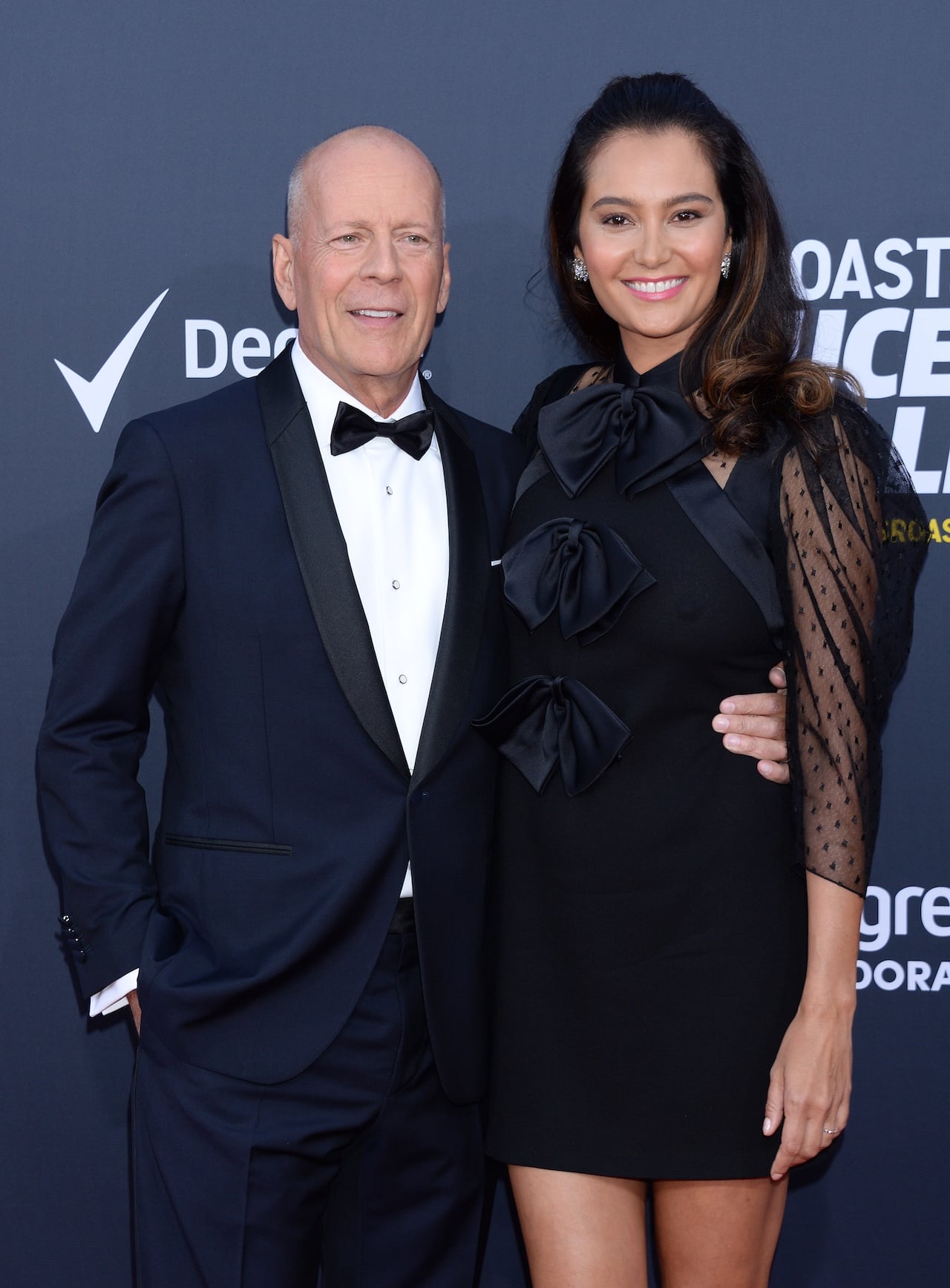
Bruce Willis and wife Emma Heming
Comedy Central’s Roast of Bruce Willis, Los Angeles, USA – 14 Jul 2018
Comedy Central Roast of Bruce Willis
Second Chances, Deadlines And The Apology You Are Postponing
McClane only talks like that because he thinks he is going to die. That is the uncomfortable part. We wait for the car crash, the breakup suitcase, the hospital corridor to say what we could have said in the kitchen on a random Tuesday.
We live like there will always be another holiday, another birthday, another long weekend where we will finally clear the air. The fantasy of the big cinematic reconciliation lets us postpone the small, awkward conversation that would actually save the relationship. But second chances do not start with fate; they start with you choosing to be humble before life forces your hand.
A Quick Gut Check For Your Own Love Story
Ask yourself:
- Who in my life has heard “I love you” but not “I am truly sorry for what I did”
- Where have I treated their success like a threat instead of a win for both of us
- If I were in that Nakatomi bathroom, what unfinished sentence would scare me most
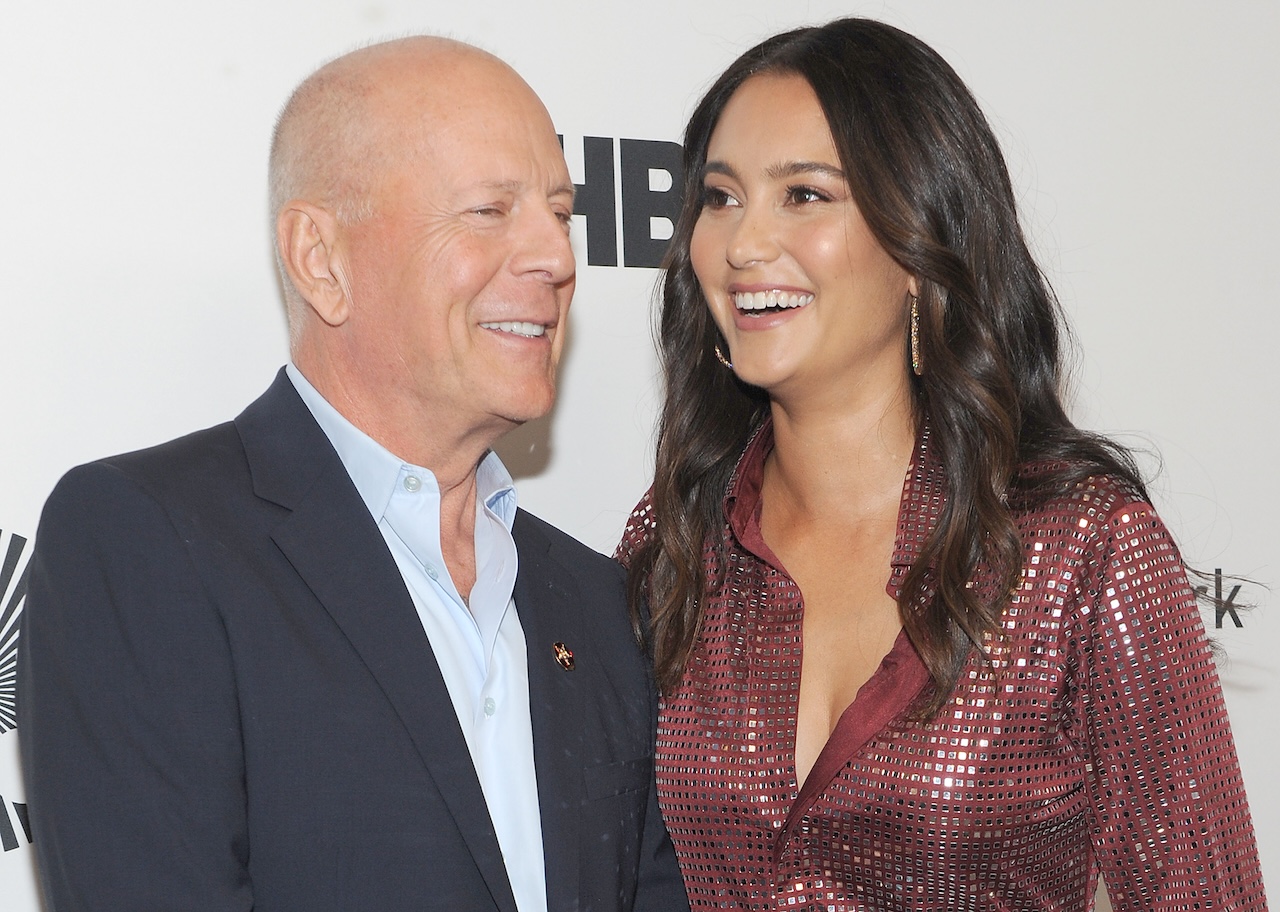
Bruce Willis and Emma Heming
‘Motherless Brooklyn’ film premiere, Arrivals, 57th New York Film Festival, USA – 11 Oct 2019
Bruce Willis, Real-Life Fragility And How The Scene Hits Now
When Die Hard came out in 1988, it turned Bruce Willis from charming TV guy into global action star. Fans loved the swagger, the one-liners, the bare feet on broken glass. But his secret weapon was always that face in the bathroom – the exact moment you see regret flood in.
Knowing what we know now, it hits differently. Willis retired from acting in 2022 after being diagnosed with aphasia, which later progressed to frontotemporal dementia. His wife Emma Heming Willis, his ex-wife Demi Moore and their daughters have turned their private heartbreak into public advocacy, even supporting the idea of donating his brain for research after his death. The man who once played a cop racing the clock to say “I’m sorry” is living with a condition that slowly steals language. If that does not make you want to say the hard thing while you still can, what will
A Simple Apology Script You Can Steal
If “I’m sorry” feels impossible, try something McClane-adjacent but healthier: “You have heard me say I love you a lot. You have not heard me say I am truly sorry for [specific thing]. I was wrong, and you did not deserve that. Here is how I want to do better from now on – does that land, or is there more you need me to understand” Not cinematic. No shattered glass, no fire hose. Just you, quietly beating the same villain John McClane finally faced: your own ego.


