










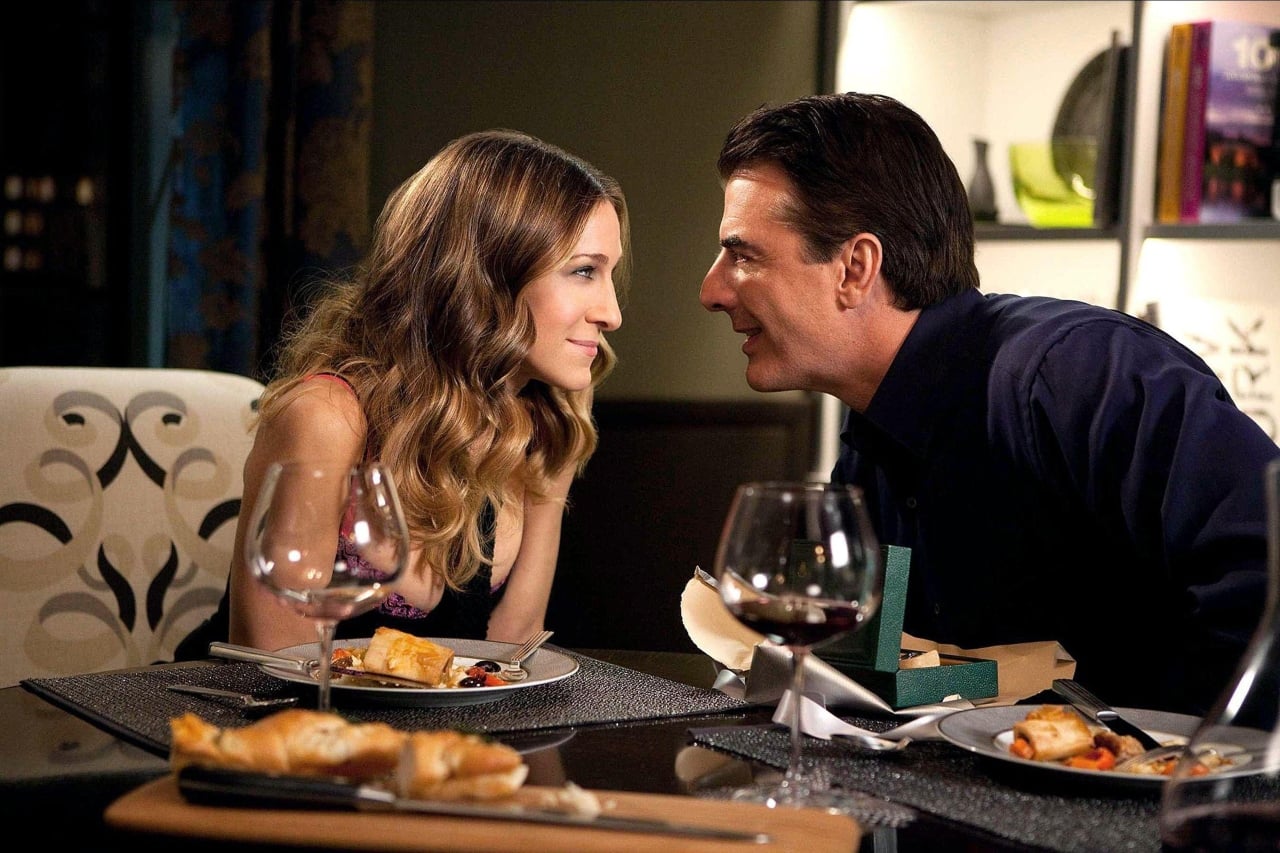
It’s 7 p.m., you’ve just finished a long day at work, and your partner asks the dreaded question: “What’s for dinner?” Suddenly, you’re expected to plan, cook, and serve a meal that satisfies everyone’s preferences, dietary restrictions, and schedules.
Sound familiar? For many couples, deciding what to eat has become another source of daily stress. But a growing relationship trend called “food divorce” is challenging the idea that couples need to share every meal.
And despite its dramatic name, it might actually be good for your relationship.
What Is a Food Divorce?
A food divorce doesn’t involve lawyers, paperwork, or an actual breakup. Instead, it’s an arrangement in which partners take responsibility for their own meals rather than always cooking and eating together.
One person might prepare a salad while the other orders takeout. Or perhaps one partner prefers an early dinner while the other eats after an evening workout.
The idea is simple: Couples don’t have to eat the same food at the same time to maintain a healthy relationship.
For partners with different schedules, eating habits, or dietary preferences, this approach can make everyday life considerably easier.
Why More Couples Are Choosing to Eat Separately
Between demanding careers, busy social calendars, and increasingly individualized diets, coordinating dinner can feel like another full-time job.
One partner might be vegetarian, while the other follows a high-protein diet. One gets home at 6 p.m., while the other doesn’t finish work until nine.
Then there’s the mental load of planning meals, grocery shopping, and cooking, responsibilities that often fall disproportionately on women.
By separating meal responsibilities, couples can reduce daily negotiations and give each partner more independence.
Could a Food Divorce Actually Improve Your Relationship?
Although sharing meals has traditionally been associated with family bonding, eating separately doesn’t necessarily mean growing apart.
In fact, when disagreements over food become a recurring source of tension, removing that pressure could help reduce resentment.
The important distinction is between eating independently and becoming emotionally disconnected.
Couples who maintain meaningful rituals, whether that’s morning coffee, evening walks, or regular date nights, can still enjoy a strong connection without sitting down to dinner together every evening.
However, if separate meals become a way to avoid spending time together or having difficult conversations, the arrangement may point to deeper relationship issues.
How to Make a Food Divorce Work
Before embracing the trend, communication is essential.
Discuss why you want to change your routine and establish expectations around grocery shopping, cooking, expenses, and cleanup.
You might decide to prepare your own weekday dinners while keeping Friday nights or Sunday brunch reserved for shared meals.
It’s also worth checking in after a few weeks to see whether the arrangement is actually reducing stress.
Ultimately, a food divorce isn’t about spending less time with your partner. It’s about making the time you do spend together more enjoyable.
After all, a happy relationship isn’t necessarily built around sharing the same dinner plate. Sometimes, a little independence is exactly what’s needed.


