










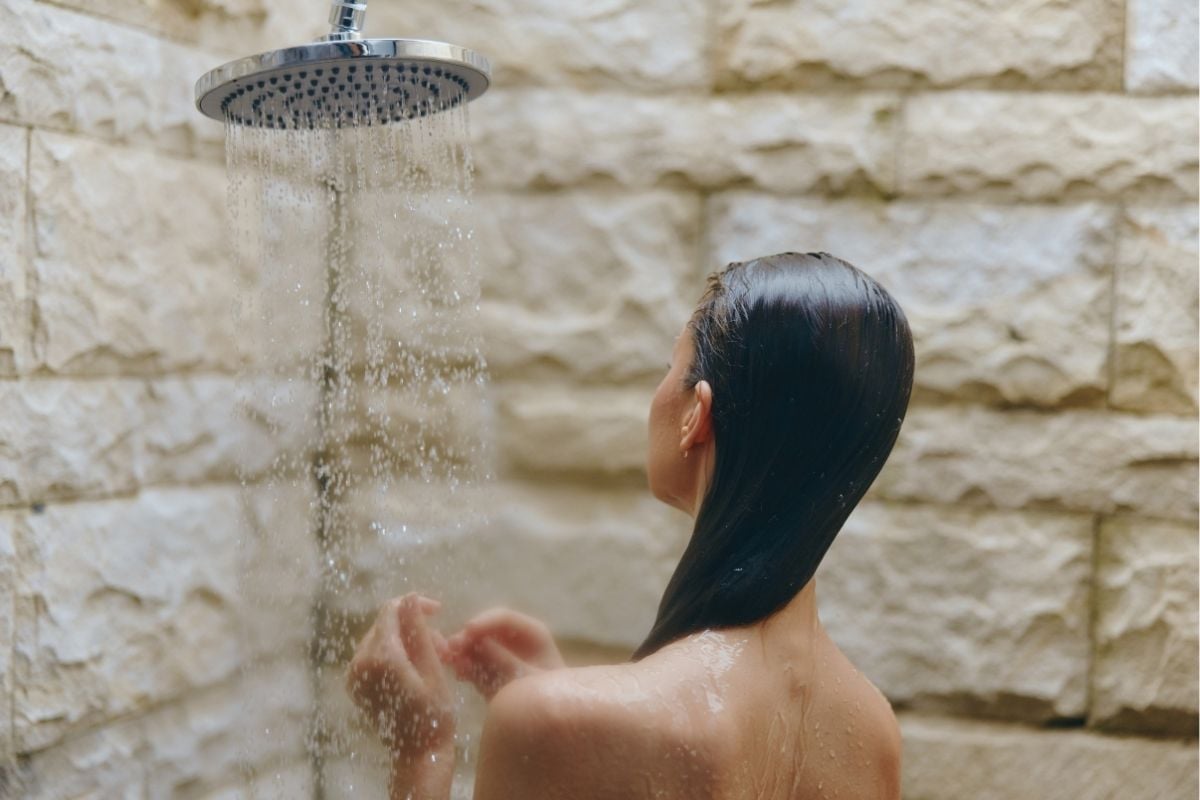
You step out of a hot shower, wrap yourself in a towel, and walk straight to your bedroom without looking back. The mirror is fogged, the tiles are dripping, and the shower screen is covered in tiny water droplets. It feels harmless – just a normal part of the daily routine. But what if that five-minute window right after you turn off the water is exactly when your bathroom starts quietly working against you? According to cleaning and design experts, several post-shower habits most of us share are silently creating ideal conditions for mould to take hold.
Why your bathroom is more vulnerable than you think
As the days get shorter and the air gets damper heading into autumn and winter, moisture management inside the home becomes critical. Bathrooms are naturally among the most moisture-prone rooms, and our everyday shower habits tend to make things significantly worse. Emma Mannion, a cleaning expert and product development scientist at Astonish, points out that the real difficulty is how gradually mould develops. Most people only notice the problem once dark marks have already appeared on grout or sealant. By that point, you are dealing with a cure rather than prevention.
Samantha Lawson, a bathroom design expert at Drench, echoes a similar concern when it comes to drainage. She notes that plumbing blockages are actually the leading cause of bathroom complaints, driven by a buildup of hair, soap scum, and body oils inside pipes. When a drain is partially blocked, water cannot flow freely, and stagnant pools become breeding grounds for bacteria. Drains that stay clogged from the summer months only compound the issue once cooler, damper weather arrives.
The everyday habits fuelling hidden moisture
The single biggest culprit, according to Mannion, is letting moisture sit on surfaces after every shower. Water left on screens, tiles, and sealant gives mould exactly the damp surface it needs to spread. A quick squeegee or wipe-down immediately after showering makes far more difference than most people realise, and you can actually do it while still standing in the shower with the water off, using a squeegee and a microfibre cloth to reach every corner.
Then there is the towel problem. Scrunching or folding a wet towel in a warm, humid bathroom restricts airflow, which means the towel takes much longer to dry. That extended dampness allows mildew to form, producing a sour, musty odour that is incredibly hard to wash out. Even worse, if damp towels are left draped against tiles, they can contribute to damp in the room itself. Lawson recommends letting towels dry as flat as possible – or better yet, placing them on a heated towel rail – and making sure they are completely dry before folding them away.
Steam is another major factor. Ideally, you want it out of the bathroom as quickly as possible rather than trapping it inside where it condenses, forms water droplets, and settles on surfaces. Mannion urges people to open windows when they can and run extractor fans for as long as possible after a shower. Once the room has cooled, keeping the bathroom door open helps maintain air circulation. For windowless bathrooms, moisture-absorbing plants or a dehumidifier suited to wet environments can also help.
Hidden traps you have probably overlooked
Furniture placement is a surprisingly common issue. Whether it is a vanity unit or a laundry basket, pushing it flush against the wall cuts off vital air circulation. Moisture from humid showers settles in those narrow gaps, creating dark, damp pockets where mildew and mould thrive unnoticed – which is often why grout and silicone sealant end up turning black. Lawson suggests moving freestanding pieces slightly away from walls to let air flow freely, and recommends wall-hung vanity units where possible. Elevating furniture off the floor eliminates unhygienic gaps and makes it far easier to keep surrounding areas clean and dry.
Shower curtains deserve attention too. They get wet constantly, making them prime territory for mould and soap scum buildup long before visible signs of dirt appear. If a curtain is left bunched up in the corner while wet, moisture gets trapped in the folds and starts to smell damp. The fix is straightforward: spread the curtain out to dry after every shower and wash it at least once a month. A clever trick is to toss a couple of clean, dry bath towels into the washing machine drum along with the curtain – the towels provide gentle friction during the cycle, helping to scrub away soap scum and mildew without damaging the fabric.
Finally, there is the extractor fan itself. Over the warmer months, dust and fluff combine with bathroom humidity to form a thick, felt-like layer over the fan’s filter and grilles. This severely restricts airflow, meaning the fan has to work twice as hard to remove half as much steam, and moisture ends up settling directly on your walls. Before the colder season fully arrives, isolate the power, use a duster or handheld vacuum to clear lingering dust, and remove the plastic cover to wash it in a solution of dish soap and water before letting it dry and replacing it.
Small shifts, big payoff
None of these fixes require a bathroom renovation or an expensive product haul. A post-shower squeegee, properly dried towels, an open window, a cleared drain, furniture pulled an inch from the wall, a spread-out shower curtain, and a clean extractor fan – together, these small adjustments remove the conditions mould needs to establish itself. The point is not perfection. It is about understanding that moisture left unchecked after every shower accumulates quietly, and by the time you spot those black marks, prevention is no longer an option. A few seconds of attention right now saves a much bigger cleanup later.