











If you’re anything like me, the likelihood of having energy in the morning (or realistically — ever), is not very high.
I exercise fairly regularly, I sleep somewhere in the region of seven or more hours and I try to avoid too much screen time before bed. But for whatever reason, I continuously feel groggy in the mornings.
So I consulted an expert who knows much better than me. And Laura Jennings, a nutritionist, shared her three practices for starting the day with a spring in your step, dancing out the door (well… I like to think so anyway).
1. Morning walk
Jennings explains that she likes to start her days with a morning walk.
“It gets me outside and exposed to natural morning light, which helps regulate my circadian rhythm and supports daytime alertness,” she explains. Getting some natural light first thing helps our body produce the stress hormone, cortisol. While that doesn’t sound like a good thing, it actually helps us feel nice and alert in the morning.
Getting some movement in first thing gives Jennings an energy boost too, which helps her feel ready for the day, she adds.
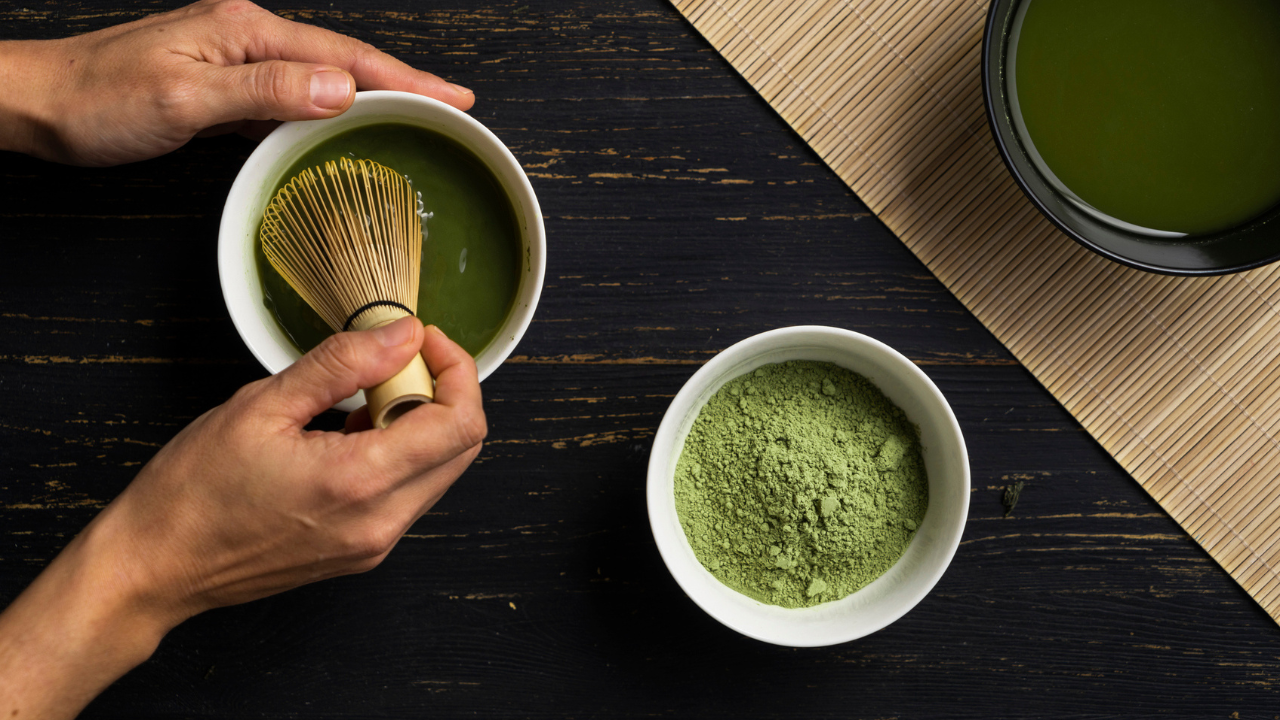
2. Morning matcha
Jennings likes to have a matcha after her walk. “Matcha contains caffeine alongside L-theanine, an amino acid that, when combined with caffeine, may support attention and focus,” she explains. Caffeine often gets a bad rap but caffeinated drinks often contain compounds and polyphenols that work as antioxidants in the body.
Jennings says her matcha gives her a “more sustained feeling of alertness and keeps me sharp and focused throughout the morning.”
3. A protein and fiber-rich breakfast
Jennings likes to grab breakfast next. She opts for something that has lots of fiber and protein in,
“Combining protein and fiber helps support satiety and steadier blood glucose levels, Jennings says. “I find [this] keeps my energy more consistent and prevents me from getting hungry or experiencing cravings before lunch.
High protein and high fiber breakfast options might be something like an omelet with cottage cheese and high-fiber veggies such as red bell peppers and spinach.
Or, you could try making overnight protein oats. Combine oats, greek yogurt, protein powder and some frozen raspberries, and leaving it in the refrigerator overnight to set.
“If you’re regularly hungry by mid morning, it can be worth looking at whether your breakfast contains enough protein and overall food to keep you satisfied,” Jennings adds.


