









Imagine taking attendance and casually calling out the future King of the United Kingdom between a Carter and a Patel. At Eton College in Berkshire, that roll call sounds far less theatrical than you would think. No trumpets, no “Your Royal Highness”, just a very standard British surname that would not turn a single teenage head.
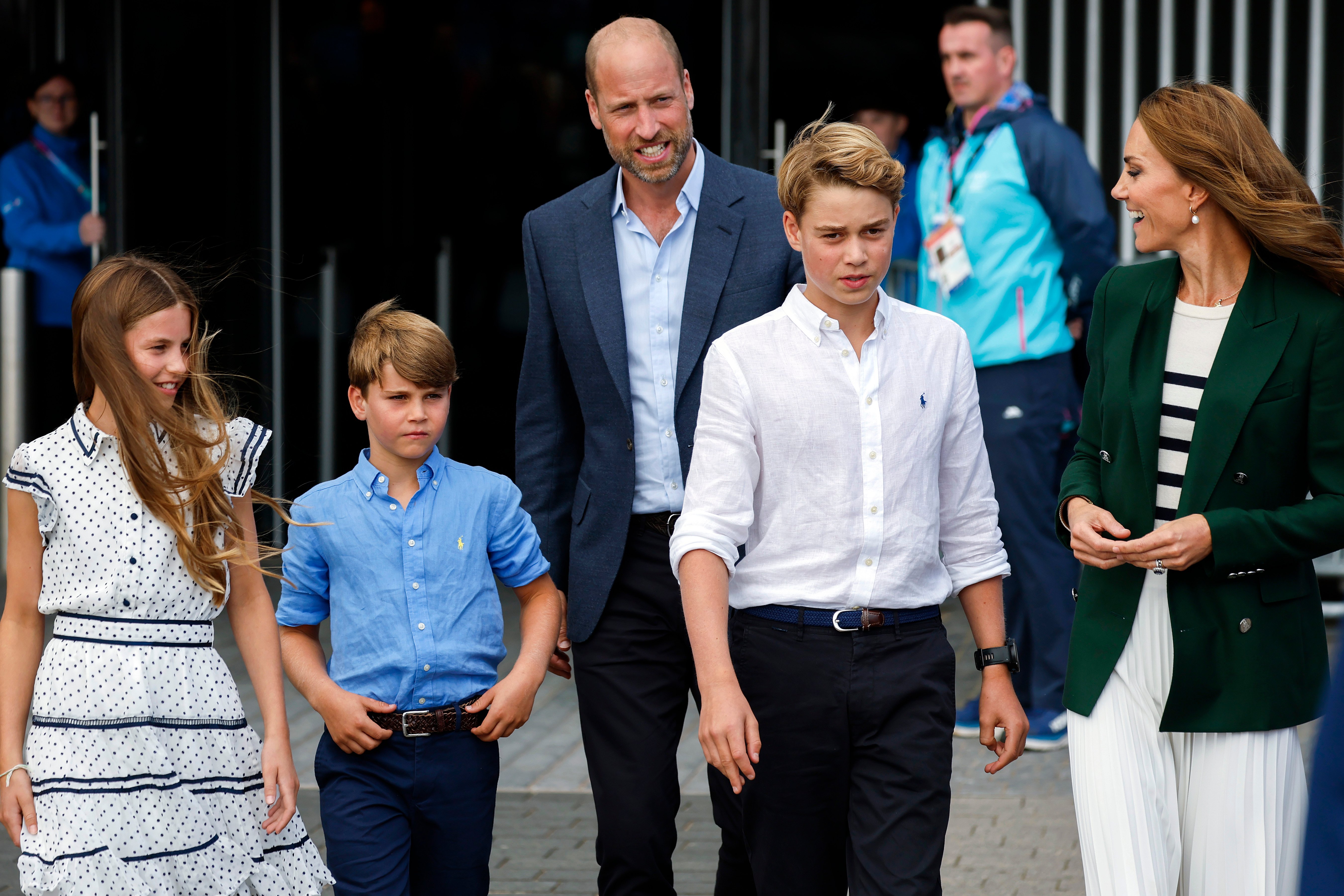
This fall, Prince George begins life at Eton while Princess Charlotte and Prince Louis head back through the gates of Lambrook School nearby. At home and on official paperwork they are Prince George, Princess Charlotte and Prince Louis of Wales. In class, though, they trade that mouthful for something much simpler – one neat, shared last name.
What George, Charlotte And Louis Are Actually Called At School
On school registers, sports team sheets and exam papers, the three Wales children are listed as George Wales, Charlotte Wales and Louis Wales. That is the name their teachers use, the one shouted across the playing fields and mumbled during group projects.
The surname comes directly from their parents. Prince William and Catherine are now the Prince and Princess of Wales, and royal children traditionally use the territorial title of their family as a stand-in surname when they need one. So the whole trio answers to Wales from Monday to Friday.
It is deliberate understatement. No one at Eton or Lambrook is calling out “His Royal Highness Prince George of Wales” before double math. They are simply George Wales, Charlotte Wales and Louis Wales in a sea of very normal last names, which is exactly the point.
From Cambridge To Wales – The Name Change
The Cambridge Years
It has not always been Wales. When William and Catherine were still the Duke and Duchess of Cambridge, their children were known at school as George Cambridge, Charlotte Cambridge and Louis Cambridge. When George started at Thomas’s Battersea in 2017, even the label on his tiny backpack reportedly read “George Cambridge”, just like any other child in his class.
That Cambridge surname followed the siblings to Lambrook when they moved there together. In the slightly rarefied world of British prep schools, “Cambridge” barely raises an eyebrow. It sounds like the kid who is good at Latin, not necessarily the heir to the throne.
New King New Titles New Surnames
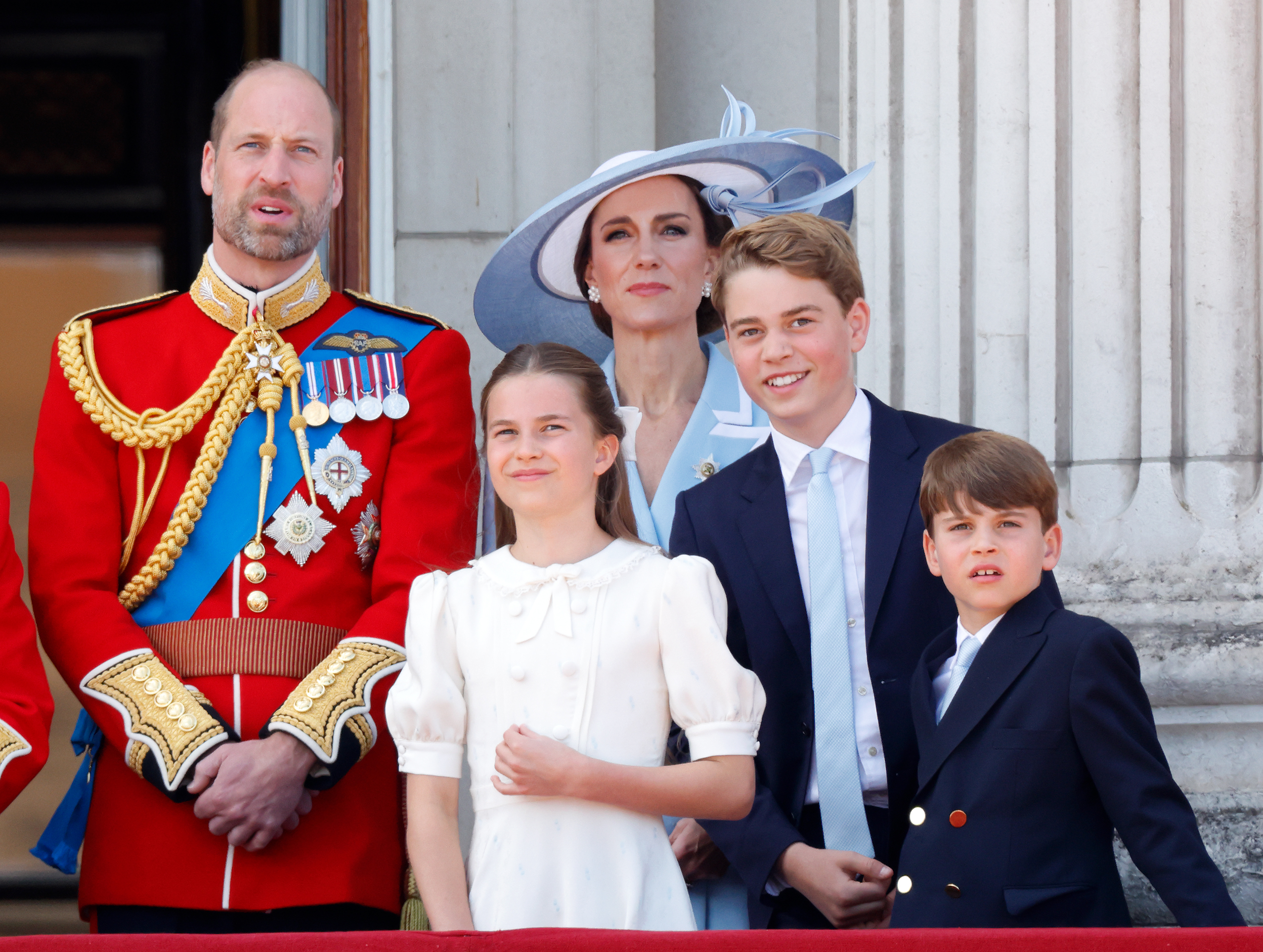
The shift to Wales arrived in September 2022, with the death of Queen Elizabeth II and the accession of King Charles III. William was created Prince of Wales, Catherine became Princess of Wales, and overnight the family’s territorial label changed.
At school, the update was almost admin-level dull. Where class lists once read George Cambridge, Charlotte Cambridge and Louis Cambridge, they quietly became George Wales, Charlotte Wales and Louis Wales. No dramatic announcement, just a new surname typed into the system and stitched onto name tags.
How Royal Surnames Actually Work
Part of the confusion here is that senior royals do not always need a fixed last name at all. A title like Prince of Wales or Princess Royal usually does the job on official documents, charity letterheads and seating plans. A surname only becomes essential in environments like school, the military or certain legal forms.
The informal rule is simple. When a surname is required, children borrow the territorial designation connected to their parents’ main title. That is why William and his brother were known as William Wales and Harry Wales through school and in the armed forces. It is the same logic that gave us Beatrice York and Eugenie York, after their father, the Duke of York.
Behind all of this sits the technical royal surname. In 1917, King George V declared Windsor the name of the royal house. In 1960, Queen Elizabeth II and Prince Philip decided that their direct descendants could use the double surname Mountbatten-Windsor in situations where a legal surname is required.
So, in theory, George, Charlotte and Louis are Mountbatten-Windsor. In practice, that is reserved for things like legal documents and the occasional inscription. The “house” is Windsor, the formal family surname is Mountbatten-Windsor, and the everyday school name is first name plus territorial title – right now, Wales.
All Their Names Side By Side
If your head is spinning, here is how the three royal children’s names line up.
| Child | Full Birth Name | Current Royal Title | Technical Surname | Past School Name | Current School Name |
|---|---|---|---|---|---|
| George | George Alexander Louis | Prince George of Wales | Mountbatten-Windsor | George Cambridge | George Wales |
| Charlotte | Charlotte Elizabeth Diana | Princess Charlotte of Wales | Mountbatten-Windsor | Charlotte Cambridge | Charlotte Wales |
| Louis | Louis Arthur Charles | Prince Louis of Wales | Mountbatten-Windsor | Louis Cambridge | Louis Wales |
On a class list, that means George Wales might sit neatly between a George Walker and an Amelie West. Charlotte Wales looks like the girl who captains the hockey team, Louis Wales like the class clown. Outside those school gates, their names carry centuries of history. Inside, at least, they get to sound blissfully ordinary.


