








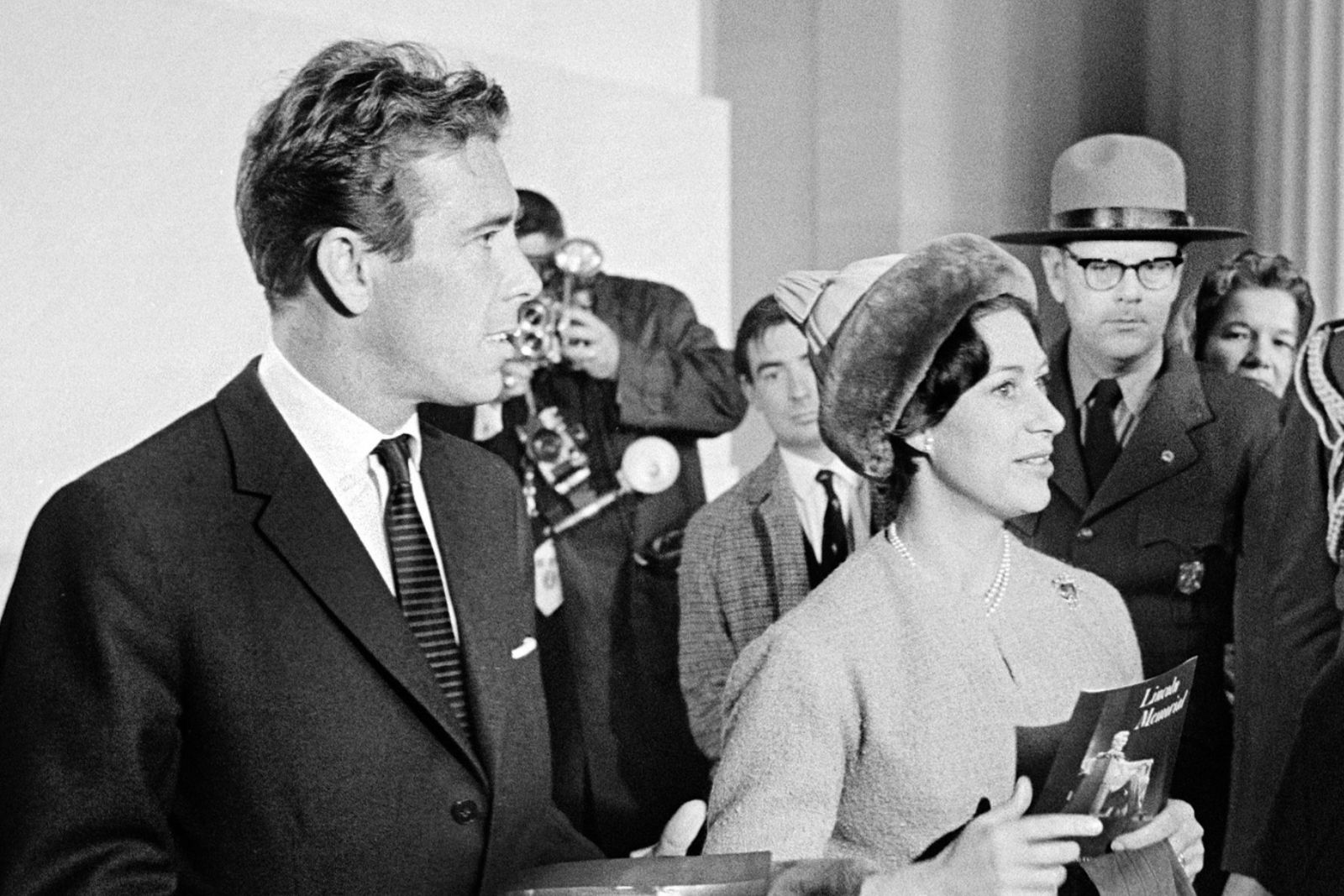
You probably recognize his face from a dozen royal documentaries, or maybe you have scrolled past one of his iconic portraits without even knowing who was behind the lens. Antony Armstrong-Jones is one of those figures who lived at the exact intersection of art and aristocracy – a man who was not born noble, yet ended up reshaping how we see the British royal family. His story, tangled with love, scandal, and creative brilliance, is far more layered than any headline about a property listing could ever suggest.
The commoner who married into the crown
Born on March 7, 1930, Antony Armstrong-Jones came from a fractured but well-connected family. His father was Major Ronald Armstrong-Jones, and his mother was Anne Messel. The two divorced in 1934, and by 1935 his mother had remarried Michael Parsons, the 6th Earl of Rosse, becoming the Countess of Rosse. On his father’s side, his paternal grandfather was the Welsh physician and psychiatrist Sir Robert Armstrong-Jones.
Despite these distinguished family ties, Antony himself held no noble title. Until well after his marriage, he carried only the suffix “Esquire” – a designation synonymous with gentleman but firmly outside the ranks of British nobility. So how did a man with no peerage end up becoming one of the most talked-about members of the royal circle?
The answer arrived on May 6, 1960, when Antony Armstrong-Jones married Princess Margaret of the United Kingdom, the younger sister of Queen Elizabeth II. A little more than a year later, on October 6, 1961, the Queen granted him titles by letters patent, making him the 1st Earl of Snowdon and Viscount Linley, of Nymans in Sussex. With those titles came the honorific Right Honourable and a seat in the House of Lords. The couple went on to have two children together.
A photographer who changed the lens on royalty
Long before the wedding, Armstrong-Jones had already built a reputation behind the camera. He first gained recognition for his portraits of the royal family during their official visit to Canada in 1957, and he continued photographing them well into the 2000s. During the 1960s, he served as the artistic director of the Sunday Times magazine supplement, shaping the visual language of one of the most influential publications of that era.
His range was remarkable. He shot celebrity portraits published in magazines like Vogue and Vanity Fair, tackled fashion photography, and ventured into documentary work, including a notable series on people institutionalized for psychiatric disorders. In 1979, he photographed Serge Gainsbourg in a session that produced the image used for both the front and back cover of the album Aux armes et caetera. We tend to think of royal in-laws as ceremonial figures, but Armstrong-Jones was genuinely creating art that mattered.
In 1964, when Prince Edward was born, Queen Elizabeth II and Prince Philip chose Armstrong-Jones as one of the child’s godparents, alongside Prince Richard, Duke of Gloucester, and Prince Louis of Hesse. It was a gesture that underscored just how deeply embedded he had become in the inner workings of the royal family.
Scandal, separation, and a complicated legacy
The fairy-tale narrative did not last. By 1976, the Earl and Countess of Snowdon separated after Princess Margaret‘s infidelity became public knowledge and Antony’s own numerous affairs came to light. Their divorce was finalized in 1978, marking one of the most high-profile royal breakups of the twentieth century.
Armstrong-Jones wasted little time. In December 1978, he remarried Lucy Lindsay-Hogg, born Davies. Together they had a daughter, Frances Armstrong-Jones, born in 1979. But old patterns repeated themselves. The couple separated and divorced in 2000, again due to Lord Snowdon’s numerous infidelities. From a relationship with Melanie Cable-Alexander, a son named Jasper was born in 1998. And in 2004, a DNA test revealed that Lord Snowdon was also the father of Polly Fry, who had been born just days after his 1960 wedding to Princess Margaret.
Even as his personal life unraveled, his institutional ties to the monarchy remained intact. On November 16, 1999, Queen Elizabeth II created him Baron Armstrong-Jones through a royal warrant. This was a life peerage – a non-hereditary title – designed specifically to allow him to retain his seat in the British Parliament after hereditary peers lost their automatic right to sit in the House of Lords.
What we can take away from a life lived between two worlds
Antony Armstrong-Jones navigated a world most of us only glimpse through television screens and tabloid pages. He entered royal life as a commoner and left it as an earl, a baron, and a godfather to a prince. His photography gave us some of the most enduring images of the twentieth century, while his private life reminded everyone that titles do not shield you from human complexity. If there is one thing his story makes clear, it is that the line between extraordinary talent and extraordinary scandal can be impossibly thin – and sometimes, the same person walks both sides of it.


