










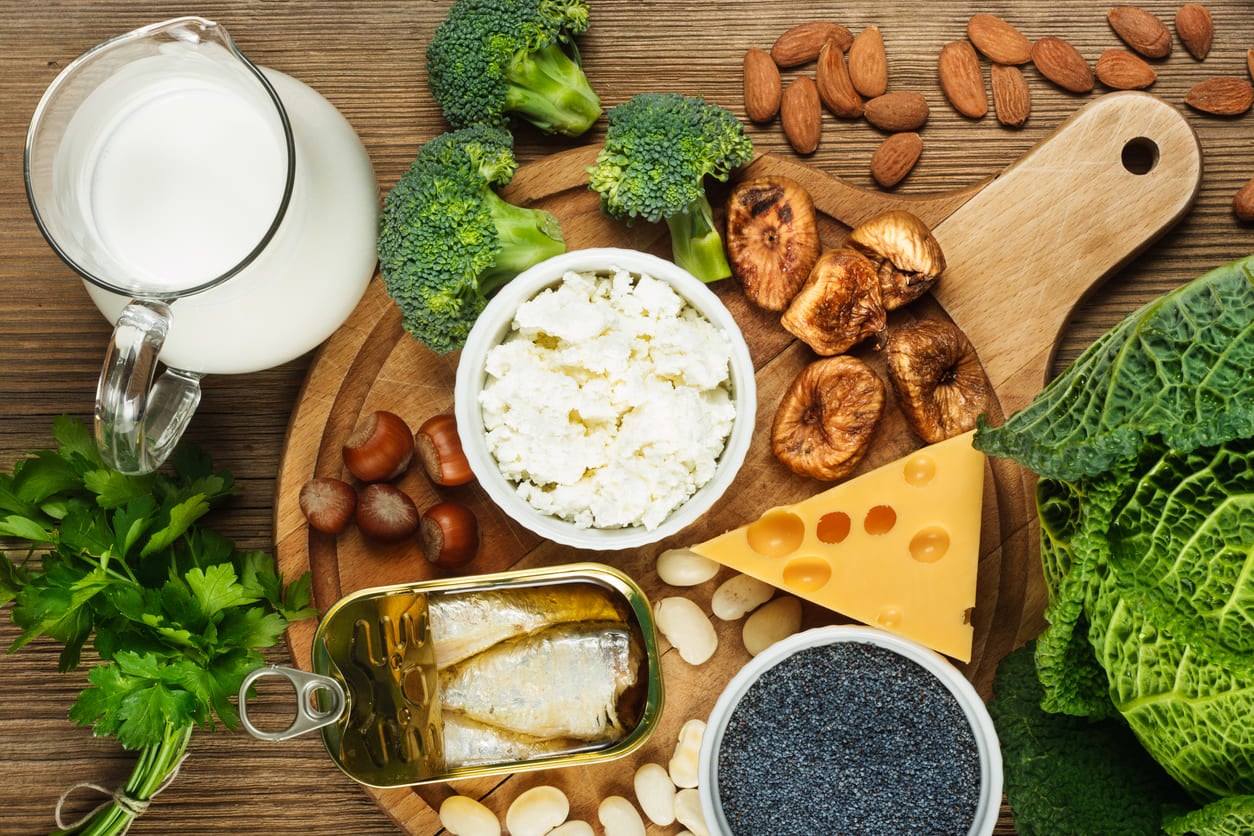
You probably don’t think twice about what your bones are doing right now. They feel solid, reliable, invisible – until they’re not. Most of us grew up hearing that milk builds strong bones, and then we moved on, assuming the job was done somewhere around adolescence. But bone density doesn’t stay constant. It quietly declines as we age, and the foods sitting in your fridge or pantry right now could be the difference between a skeleton that holds up and one that doesn’t.
Why your bones need more attention than you think
Here’s the uncomfortable truth: as we get older, bone density tends to decrease gradually. That slow erosion raises the risk of fractures, a risk that climbs with every passing year. The good news? A varied diet rich in essential nutrients – calcium, vitamin D, protein, and key minerals – can play a meaningful role in keeping your frame strong, according to a report highlighted by the BBC.
So what does the science actually look like? A study involving 7,195 elderly individuals living in care homes found that higher dairy consumption over a two-year period was associated with an 11% reduction in the risk of falls and a striking 46% drop in the risk of hip fractures. That’s not a marginal improvement. That’s nearly halving your chance of one of the most debilitating injuries in older age. And the tool? Foods most of us already have access to.
But dairy isn’t the only player worth paying attention to. The real power lies in variety – and some of the most effective bone-building foods might surprise you.
Five foods that deliver where it counts
Let’s start with the classic: dairy products. Yogurt, milk, and cheese have earned their generational reputation for a reason. A single 200ml glass of milk contains close to 260mg of calcium. When you consider that ANSES, France’s national health and safety agency, recommends between 750 and 1,000mg of calcium per day for a healthy adult, one glass already covers roughly a quarter of your daily needs.
Next, chia seeds. Originally from Central America, these tiny seeds are a concentrated source of calcium, magnesium, and phosphorus. Just one tablespoon delivers 95mg of calcium. They’re also rich in omega-3 fatty acids, which help reduce inflammation – a factor that can quietly undermine bone health over time. You don’t need much; a small sprinkle over your morning bowl does the work.
Then there are dried fruits, specifically dried figs and apricots. Two dried figs contain approximately 100mg of calcium, and their magnesium content supports bone formation and helps maintain a healthy mineral balance. Fresh fruit counts too – a single orange provides about 50mg of calcium. And here’s an interesting finding: a study showed that women who consumed 50 grams of prunes daily for one year experienced less bone loss than those who did not eat them at all.
Don’t overlook canned fish. A small 60-gram can of sardines delivers 240mg of calcium, covering up to 30% of an adult’s daily requirement in one sitting. Canned salmon is equally impressive, offering both calcium and protein. That protein plays an essential role in maintaining healthy bones, preserving muscle mass, and supporting the body’s repair processes.
Finally, soy rounds out the list. Alongside dairy, chia seeds, almonds, and kale, soy is part of a broad spectrum of calcium-rich options that can help you meet your daily intake without relying on a single food group.
Building a bone-friendly plate without overthinking it
The beauty of these five foods is that none of them require a dramatic lifestyle overhaul. A yogurt at breakfast, a tablespoon of chia seeds in a smoothie, a handful of dried figs as an afternoon snack, a can of sardines on toast for lunch – these are small, practical moves that add up quickly.
What matters most is consistency and variety. Calcium sources are numerous, and spreading your intake across different meals helps your body absorb what it needs. Almonds and kale, for instance, are also particularly rich in calcium and can easily complement any of the five foods mentioned above. The recommended daily calcium intake for a healthy adult sits between 750 and 1,000mg, according to ANSES – a target that becomes entirely achievable when you diversify your plate.
Protein, omega-3 fatty acids, magnesium, phosphorus – these nutrients work alongside calcium to keep your skeletal structure resilient. No single food does it all, but together, they form a quiet defense system against the fractures that become increasingly common with age.
What this means for you
Your bones are remodeling themselves right now, whether you feel it or not. The research is clear: everyday foods like dairy, chia seeds, dried figs, canned fish, and soy can meaningfully reduce fracture risk – by as much as 46% for hip fractures in the case of dairy. You don’t need supplements or specialized diets to start. You just need a grocery list that works a little harder. The strongest thing you can do for your skeleton today is also the simplest: eat with your bones in mind.


