










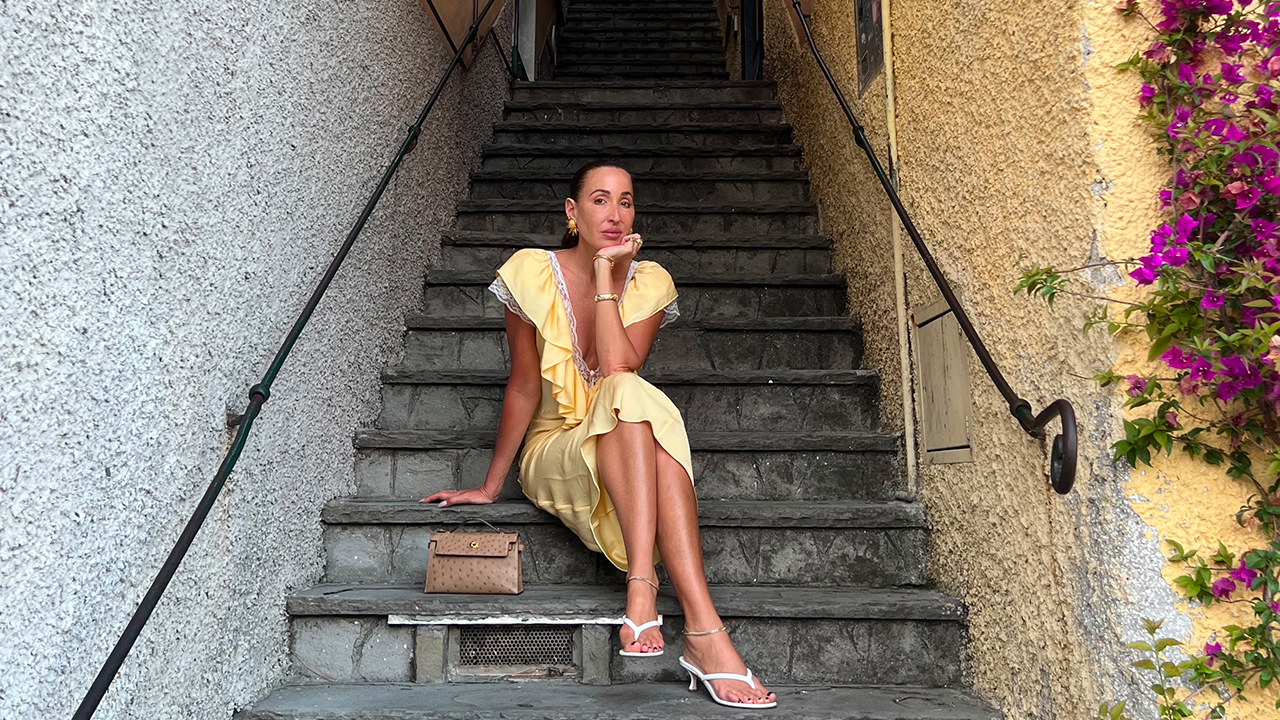
Some designers sketch inspiration. Ronny Kobo boards a plane.
For the designer behind one of contemporary fashion’s most recognizable luxury labels, every destination becomes part of an ever-evolving mood board. A faded ceramic discovered in a tiny artisan workshop, the honeyed glow of Mediterranean sunsets, the electric color palette of a Moroccan spice market, or the quiet confidence of a woman walking through the streets of Rome — all eventually find their way into the clean lines, rich textures, and effortless femininity that have become synonymous with the Ronny Kobo brand.
Since launching her namesake label in 2011, Kobo has carved out a distinctive space in contemporary fashion with collections that marry polish and ease. Her designs — worn by celebrities, entrepreneurs, editors, and jet-setters alike — have become known for impeccable tailoring, elevated essentials, and the kind of versatility that feels especially relevant in an era when women expect one wardrobe to do everything. A dress should move from lunch to dinner. A pair of trousers should feel just as right on a transatlantic flight as they do at cocktails. Luxury, in Kobo’s world, is defined by longevity rather than excess.
That philosophy starts before she even leaves home.
“I think about packing a suitcase the same way I think about building a collection,” Kobo tells GRAZIA. “Every piece should have a purpose, and every piece should take you from day to night.”
Instead of packing for individual outfits, she builds a tightly edited wardrobe around a cohesive color palette, relying on thoughtful tailoring and silhouettes that can evolve with little more than a shoe change or a piece of jewelry. The result is a suitcase that feels surprisingly light yet endlessly versatile.
There are three pieces that earn a permanent place in every trip.
First comes an oversized linen shirt — beautifully tailored and endlessly adaptable. It serves as a swimsuit cover-up on the beach, slips effortlessly over trousers for sightseeing, layers over dresses, and transitions seamlessly into evening.
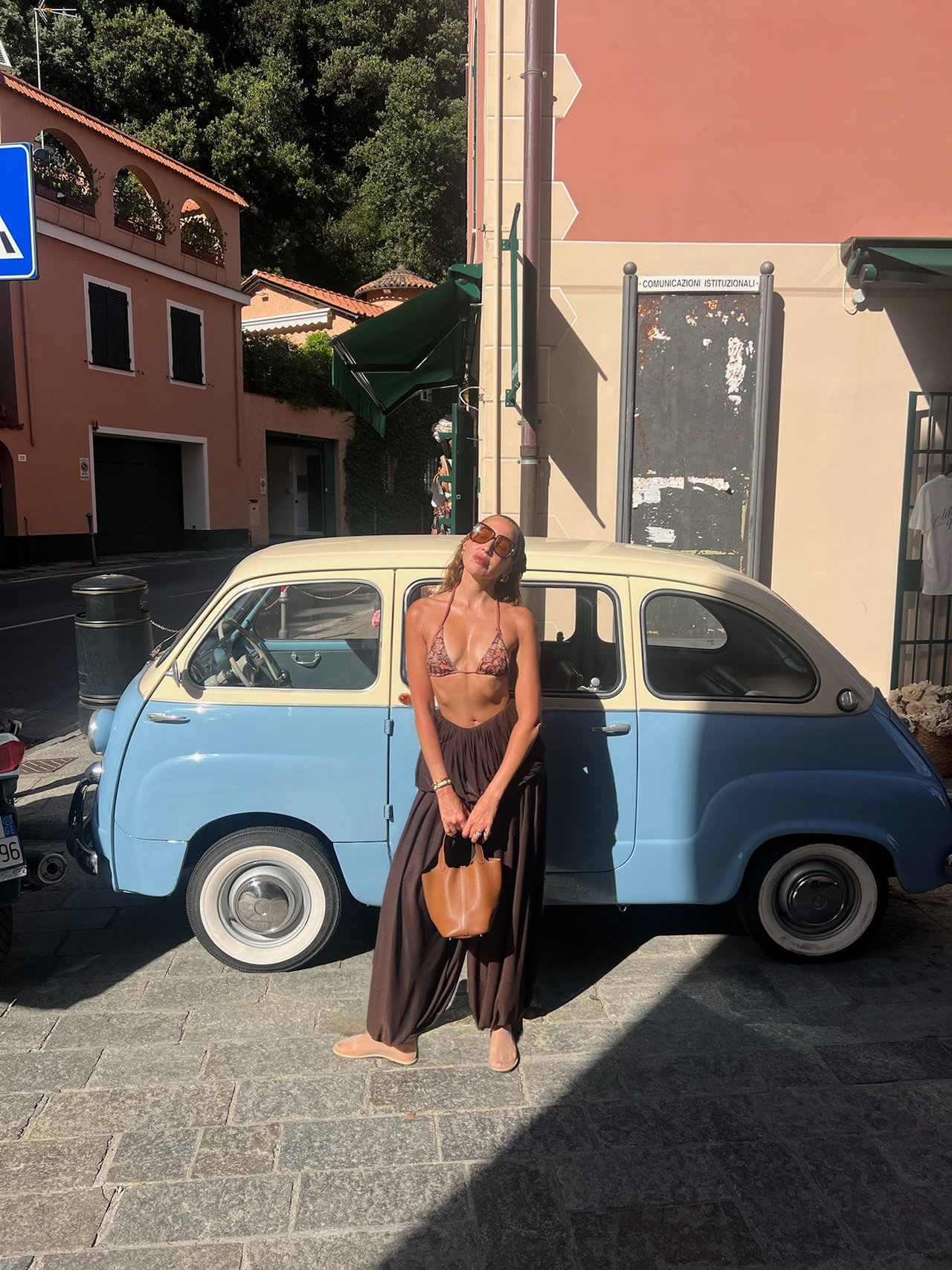
Then there are balloon pants, a silhouette Kobo loves for their combination of comfort and elegance. Relaxed enough for long travel days yet refined enough for dinner reservations, they’ve become one of her signature wardrobe essentials.
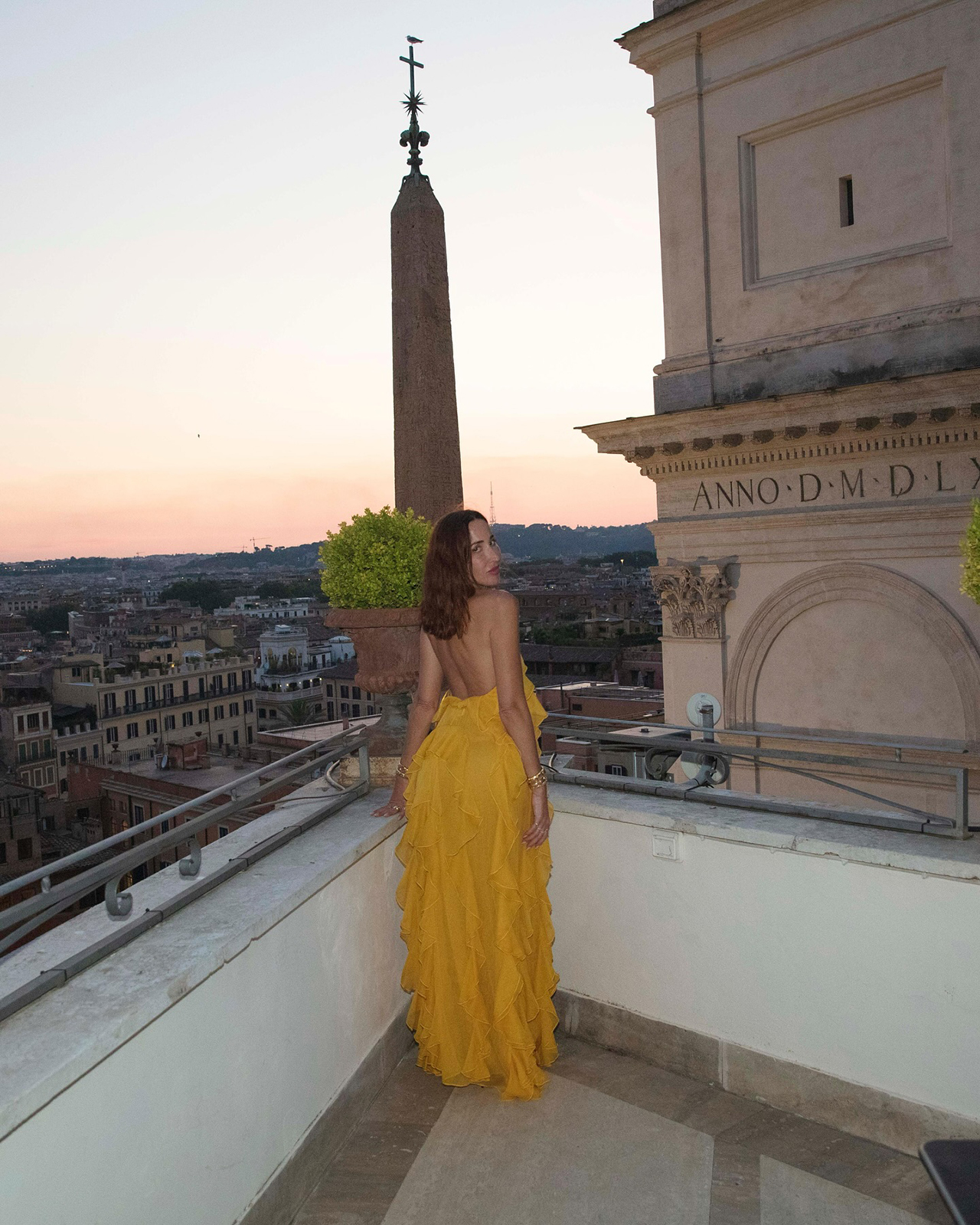
Finally, there’s one of her label’s instantly recognizable jersey dresses. With flat sandals, it’s ready for lunch overlooking the water; with heels and sculptural jewelry, it transforms into eveningwear in minutes.
“I believe luxury is often found in simplicity,” she says. “When something is exceptionally made, it doesn’t need much else around it.”
That appreciation for craftsmanship extends well beyond her own collections.
While many travelers return home with designer shopping bags, Kobo prefers discovering the pieces that could only exist in one particular corner of the world. She’s less interested in what’s trending globally than in what feels deeply rooted in a destination’s identity.
“I’m less interested in buying something because it’s fashionable and more interested in finding something that couldn’t exist anywhere else,” she says. “Those discoveries become part of your story, and I think that’s far more meaningful than following trends.”
For Kobo, inspiration often comes from unexpected places. She studies how local boutiques merchandise their collections, notices subtle color combinations in neighborhood markets, admires centuries-old craftsmanship, and even wanders into tourist shops simply to understand how a city chooses to tell its own story through design.
Among her most treasured discoveries is Ciao Vintage in Rome, a beautifully curated boutique she returns to whenever she’s in the Eternal City. “It always feels like you’re uncovering a hidden treasure,” she says. Shanghai, meanwhile, remains one of her favorite places to discover emerging local designers whose aesthetic perspective feels entirely distinct from the Western fashion landscape.
It’s no surprise, then, that Kobo’s favorite hotels reflect the same understated sensibility.
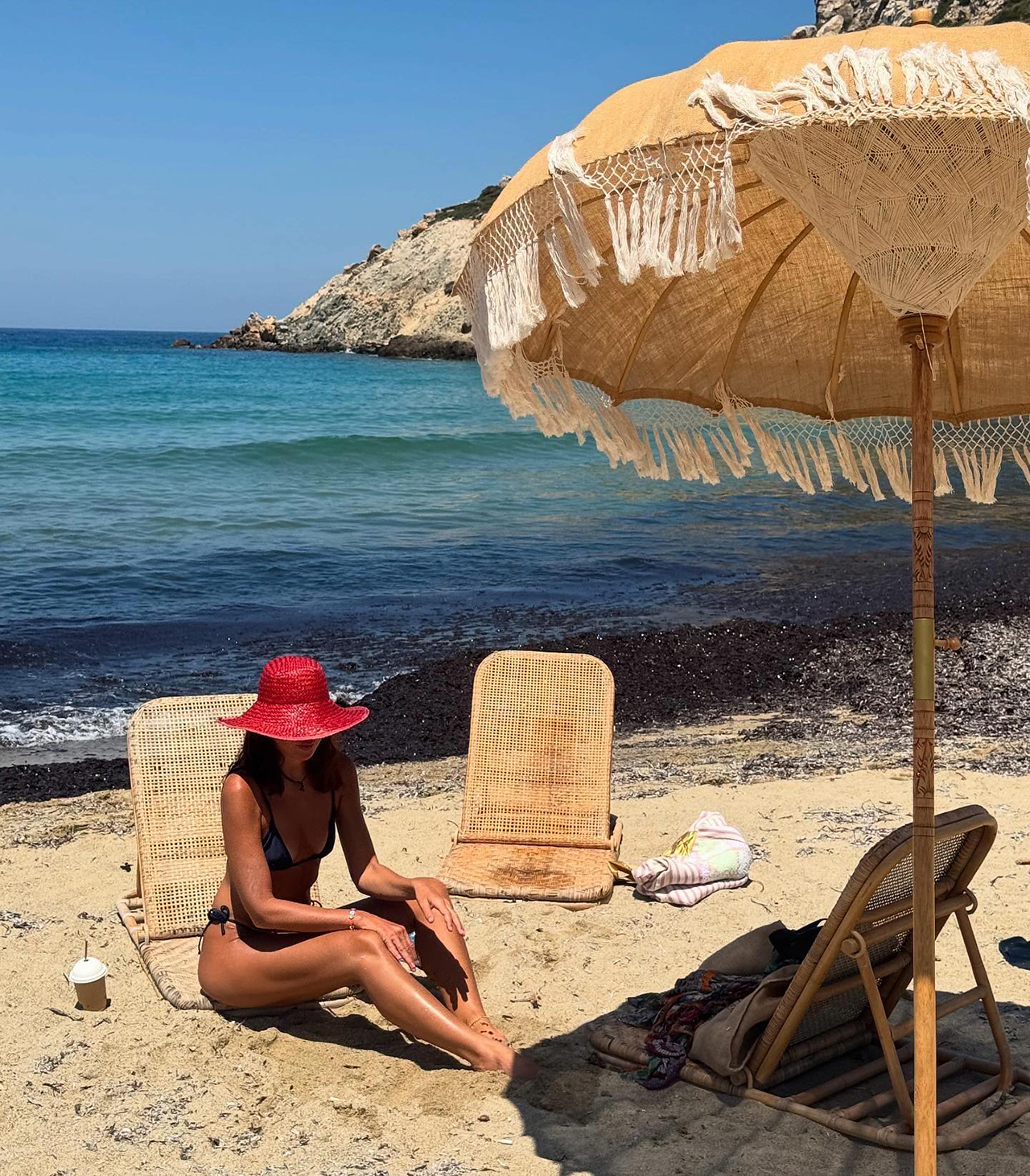
She describes The Rooster in Antiparos as “the true definition of quiet luxury,” offering a slower, more intentional approach to Greek island living. In Ischia, she recommends arriving at Mezzatorre by boat, where the dramatic entrance is only rivaled by the hotel’s magical atmosphere after sunset and some of Italy’s best people-watching.
Rome remains one of the cities she returns to time and again. Her address of choice is the legendary Hassler Hotel perched above the Spanish Steps, while meals inevitably include favorites like Da Enzo, Taverna Trilussa, and Dal Bolognese.
Even for someone who has spent years circling the globe, curiosity remains her greatest travel companion. Kobo makes it a point to discover somewhere entirely new each summer, and this year she’s finally setting her sights on Portofino, Lake Como, and Sicily.
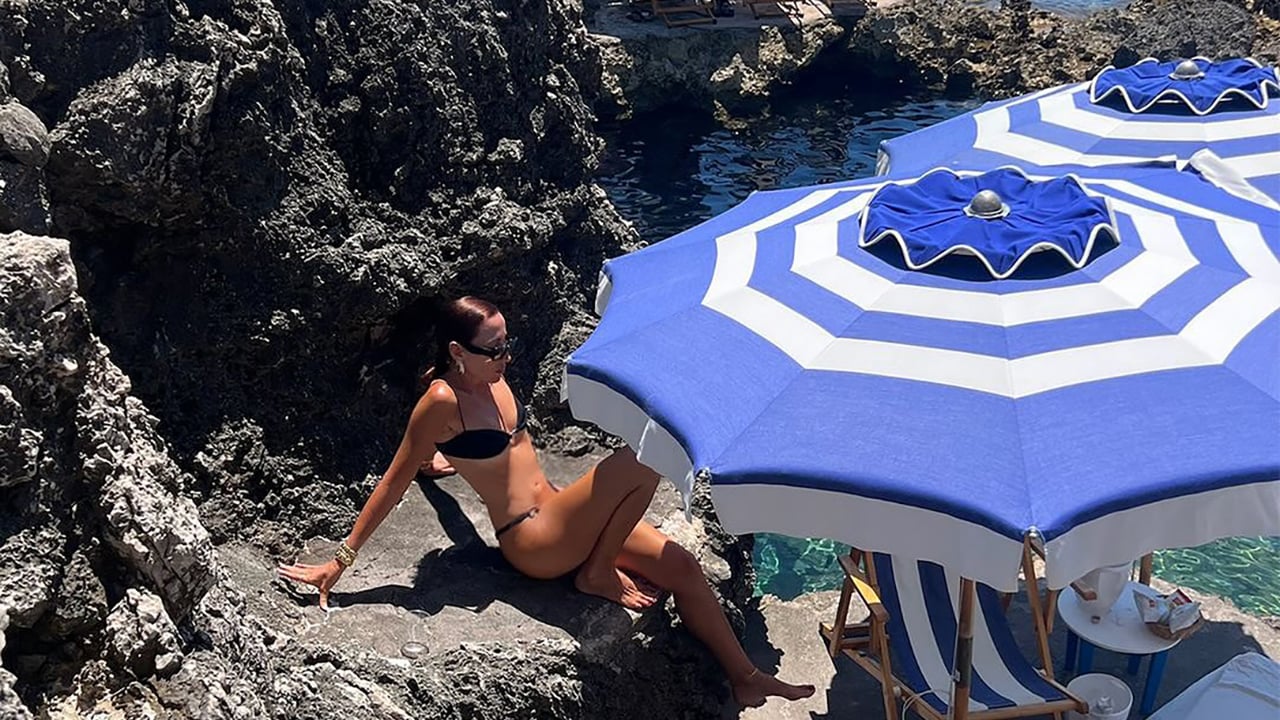
Every journey ultimately feeds back into the collections that have made her brand a favorite among women who value timeless dressing over fleeting trends.
“Travel is a window to imagination,” Kobo says. “It constantly refreshes my point of view on design and aesthetics.”
But the inspiration rarely comes from one singular postcard-perfect moment.
Instead, it’s the intangible details that linger: the rhythm of a city waking up, fabric catching a seaside breeze, the softness of afternoon light against ancient stone, or an unexpected pairing of colors at sunset.
“I never try to recreate a destination,” she says. “I try to capture the emotion it left me with.”
Perhaps that’s why Ronny Kobo’s collections feel less like souvenirs from a specific place and more like the memories of a life well traveled—timeless, personal, and always ready for the next adventure.


