










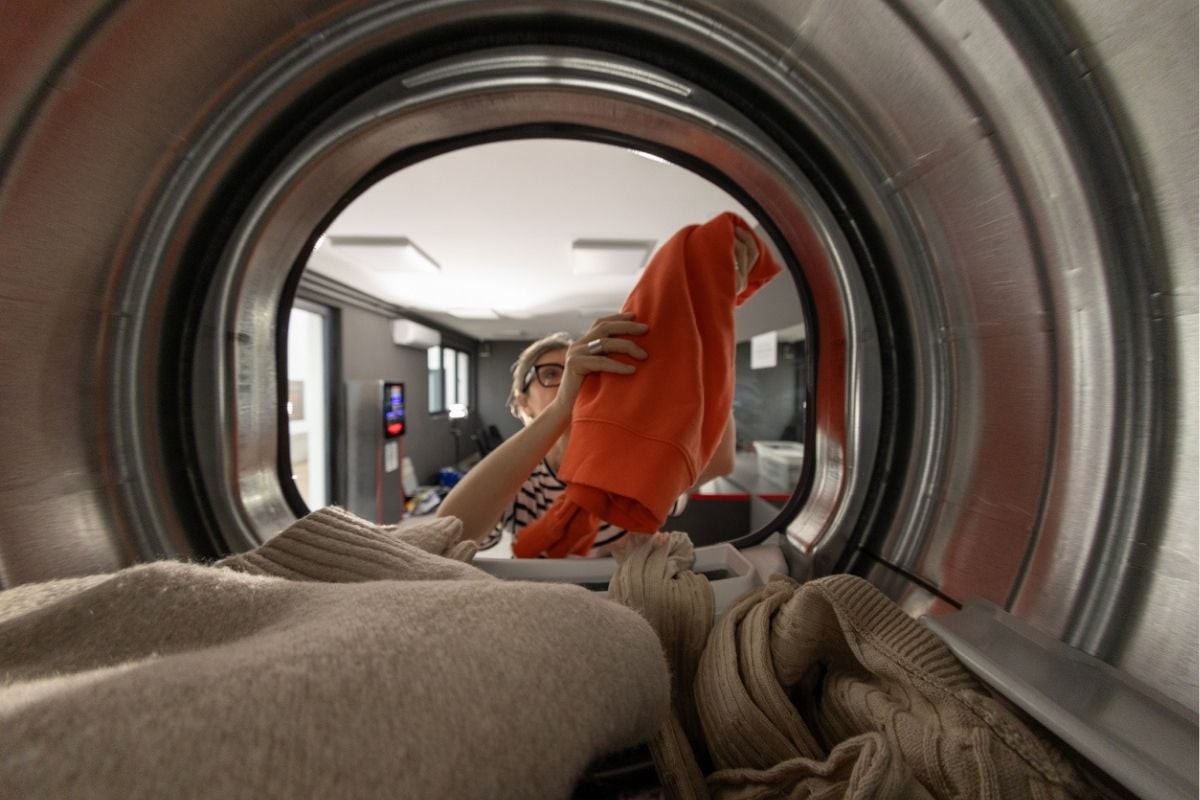
You did everything right – or so you thought. The hamper was sorted, the detergent was measured, the cycle was set. And yet, when you pulled that load out of the machine, something was off. That faint, damp, stale scent clinging to what should have been perfectly clean fabric. If this scenario feels painfully familiar, you are far from alone. The reassuring part? The reasons behind that stubborn odor are well understood, and the solutions are far simpler than you might expect.
The hidden reasons your laundry never truly smells clean
We tend to assume that once clothes go through a wash cycle, they come out fresh. But the truth is that several sneaky factors can sabotage even the most diligent laundry routine. Understanding them is the first real step toward fixing the problem for good.
The most obvious offender is time. Warm, wet environments – a damp hamper, the drum of an unattended washer, even an improperly loaded dryer – are ideal breeding grounds for bacteria and mold. When clothes sit in any of these spots for too long, odor-causing bacteria spread quickly and embed themselves into fabric fibers, producing that telltale mustiness that seems impossible to shake.
Then there is a culprit most of us would never suspect: leftover detergent and fabric softener. These products are designed to make clothes smell fresh, but overdoing it creates a sticky residue on your garments. That buildup becomes yet another surface where smelly germs can thrive. The fix here is deceptively simple – follow the recommended dosage on every single load.
Why your machine settings and loading habits matter more than you think
Have you ever crammed the washer full to save yourself a second load? Most of us have. But when clothes are packed too tightly, water and detergent cannot circulate properly. Dirt, sweat, and odor get trapped rather than rinsed away. Without enough room for a thorough rinse, you end up pulling out laundry that smells damp and musty straight out of the wash.
Your cycle and temperature settings play a similarly important role. Cold water works well for most loads, but certain garments – sweaty gym clothes being the prime example – may need a warmer setting to effectively break down odors. A quick cycle, while convenient, may simply not provide enough time to remove built-up smells from heavier fabrics like towels or denim. Choosing a longer cycle for dirtier-than-usual loads gives the machine the time it needs to do its job properly.
Sorting also deserves more thought than we usually give it. Beyond separating lights and darks, try sorting by fabric weight. Washing heavy items like towels and blankets alongside lighter garments can lead to uneven washing and drying, which means some pieces never get fully clean or fully dry – and that is where odor creeps in.
What to do when the smell persists anyway
Sometimes, despite your best efforts, a musty scent lingers – especially on clothes you tend to sweat in. The good news is that a couple of straightforward remedies can eliminate even stubborn odors without harsh chemicals.
White vinegar is a reliable natural deodorizer. To banish smells and soften fabrics at the same time, soak your laundry in a solution of one cup white vinegar and a gallon of water for at least an hour, then wash as you normally would. It is a low-cost trick that consistently delivers results.
Sunlight and fresh air are nature’s own deodorizers. Hanging clothes outside to dry helps eliminate musty smells because sunlight has powerful natural bleaching properties, and proper airflow works wonders on lingering dampness. If you have the space and the weather cooperates, line-drying outdoors is one of the easiest upgrades you can make.
On the drying front, speed matters. Move wet clothes to the dryer immediately after the wash cycle ends, and avoid overloading the drum. If you prefer to line-dry indoors, spread garments out well to prevent overlap. Leaving damp laundry in a humid room or piling it up before it is fully dry invites mildew and odor-causing bacteria to take hold. Clothes should be completely dry before you fold or store them – no exceptions.
Fresh laundry is simpler than you think
Musty smells do not have to be an inevitable part of your laundry routine. With a few mindful adjustments – moving clothes promptly, loading the machine sensibly, selecting the right cycle and temperature, and ensuring everything dries thoroughly – you can prevent odors before they start. And when stubborn scents do appear, a vinegar soak or an afternoon on the clothesline can reset things quickly. One of the most impactful changes you can make is choosing a detergent that cleans effectively without leaving behind the kind of buildup that feeds bacteria. Fresh-smelling laundry is not about working harder; it is about knowing where the real problems hide.


