








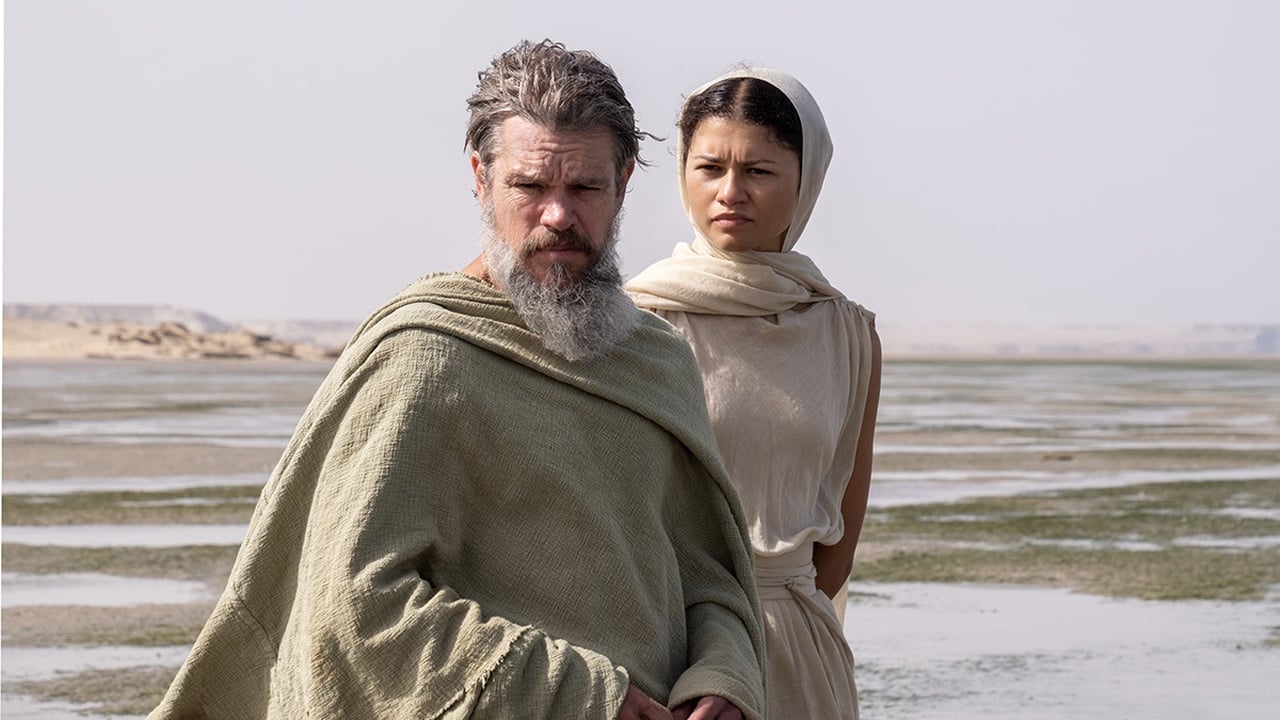
Picture the moment. A director hands his composer the biggest epic of the decade and adds one instruction, which is that the entire orchestra stays home. Ludwig Göransson took the brief, walked into the Bronze Age and came back with the strangest, most thrilling film score of the year. The Odyssey marks the third collaboration between Göransson and Christopher Nolan after Tenet and Oppenheimer, and the logic behind the ban is beautifully simple. Homer’s world had lyres and reed pipes long before anyone dreamed up a string section, so the composer treated the restriction as an invitation to invent something genuinely new. Nolan framed his own ambition as a hunt for a sound more timeless than the usual sword-and-sandals fare, which conveniently sidesteps every comparison with a certain half-billion-streamed gladiator soundtrack.
35 Bronze Gongs and a Pile of Scrap Metal
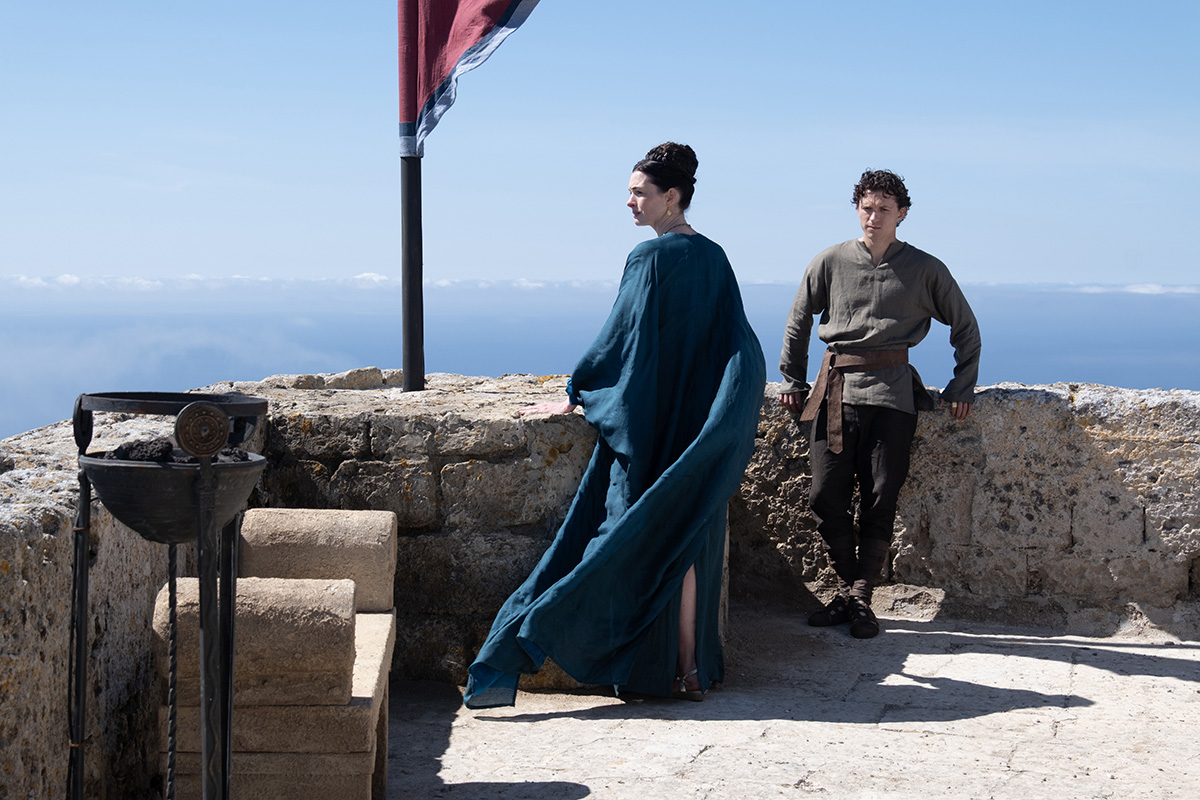
The shopping list alone deserves applause. Göransson acquired 35 bronze gongs in varying sizes, chosen to echo the era the story inhabits, then hit them, recorded them and ran the results through synthesizers until the sound landed somewhere between an archaeological dig and a Berlin nightclub. Scrap metal joined the party too, transformed into percussion through experimental sessions that treated ordinary objects as instruments. The pattern will feel familiar to anyone tracking his recent work, since he built the Oscar-winning Sinners score around a 1932 Dobro resonator guitar, and Tenet around reversed audio. Every Nolan project starts with a rule, then explodes outward from it. Then came the archaeology. Göransson researched genuine ancient Greek instruments, including the lyre and the aulos, that double-pipe reed contraption immortalised on countless vases and carvings. He rates the aulos as the closest thing antiquity had to a rockstar instrument, a status it held for roughly a thousand years, which frankly deserves to be a T-shirt.
Enter James Blake, and the Song at the End
Human voices carry the emotional weight across the whole thing, and one of them belongs to James Blake, whose falsetto floats over the bronze like sea mist. Göransson has said the vocals handle much of the emotional pacing, giving all that metal somewhere soft to land. The soundtrack also features an original song called When I’m Home, credited to a wildly unexpected quartet made up of Blake, Travis Scott, Göransson and Nolan himself. Yes, that Nolan, now officially a songwriter. For anyone who listens to scores the way other people read novels, this one rewards headphones and patience. Ancient tools, modern production and a director brave enough to delete the violins. Homer would probably have loved the racket.


