










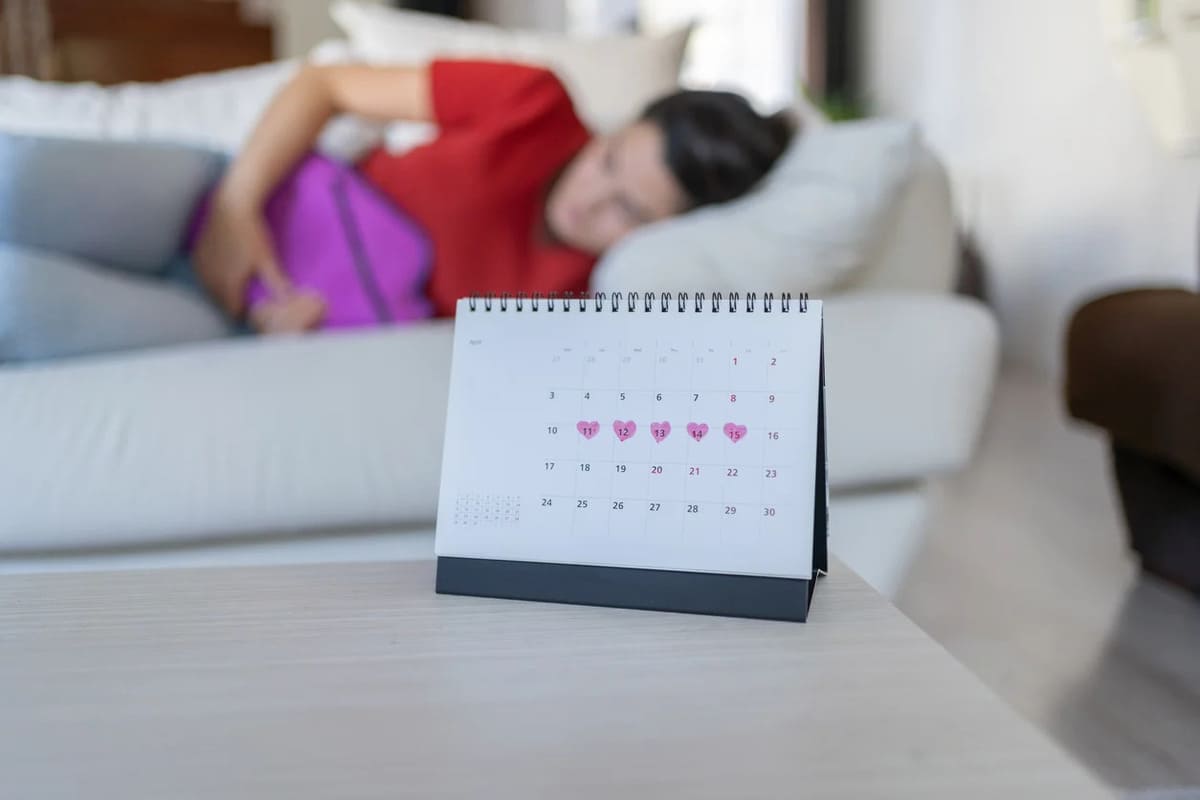
You eat the same breakfast every morning, hit the same workout class every week, and wonder why your energy, mood, and cravings seem to follow a script you never wrote. What if the real issue is not willpower but the fact that most health advice was never designed with your biology in mind? Alisa Vitti, the creator of the Cycle Syncing Method, argues that women have a second biological clock – the infradian rhythm – that governs far more than your period. And the key to finally feeling balanced might come down to changing what you eat, and when, based on where you are in your monthly cycle.
Why the same routine every day may be working against you
According to Vitti, everything women have been told to do – eating the same calories daily, exercising the same way daily, waking up at the same time every morning – is based on research conducted on men. That research has actively excluded women, and Vitti contends it fundamentally disrupts the infradian rhythm, triggering hormone issues that ripple through a woman’s cycle, immune response, stress response, brain, and metabolic health.
The infradian rhythm, as Vitti describes it, operates over the course of the monthly cycle but influences far more than menstruation. It shapes metabolism, brain function, immune and stress responses, libido, and fertility. Just as the circadian rhythm needs support to perform optimally, so does this second clock. The problem? Most of us never knew it existed, so we have been inadvertently dysregulating it by ignoring it in our nutrition and lifestyle planning.
Vitti’s method asks women to make three core shifts: adjust the foods and caloric levels they consume to match the four phases of the cycle for blood sugar stability and hormonal balance, vary workout type and intensity each phase to optimize metabolism while managing cortisol, and organize time management around each phase to reduce stress. After three months of this intervention, 78% of participants reported feeling happier with their body, and 89% reported feeling satisfied with their hormonal health.
What to eat in each phase – and why the luteal phase matters most
During the follicular phase, estrogen begins to rise while metabolism is slower and resting cortisol is lower. Vitti suggests women can eat fewer relative calories, extend their fasting window by one to two hours in the morning or evening, and lean on lighter food preparation like steaming or broiling to ease digestion. In the ovulatory phase, estrogen hits its peak concentration and metabolism remains slower. Calories can still be on the lighter side, but food should be used strategically to help the liver metabolize the surge of estrogen.
The luteal phase is where things get more demanding. Over 10 to 12 days, estrogen and progesterone rise and fall, metabolism speeds up, and studies show women need 249 more calories per day to compensate for that shift. The body is building the endometrium – a highly complex tissue with immunological factors that facilitate embryo implantation – and it requires rapid, efficient extraction of micronutrients from food to get the job done.
Blood sugar instability becomes a real vulnerability here. Vitti emphasizes meals built around root vegetables, beans, whole grains, cooked vegetables, good quality fats, and proteins. No extended fasting – only the 12-hour overnight fast – and a pattern of breakfast, lunch, an afternoon mini meal, and dinner. The more proactive women are about eating properly during this window, the less they experience the binge eating stereotypically associated with PMS, which Vitti attributes largely to mismanaged blood sugar. Progesterone also slows gut transit time in this phase, so all food should be cooked to maximize nutrient absorption, with plenty of fiber to help avoid constipation. Mineral-rich foods are essential too, since micronutrient depletion of magnesium and iron is well documented during this phase. Easy-to-digest meals like soups and stews are ideal.
When blood sugar is poorly managed, cortisol is recruited to offset low glucose levels. Over time, that dampens progesterone production and can throw off ovulation, both of which result in PMS and disrupted cycles. The luteal phase should have higher progesterone levels relative to estrogen; when that ratio is inverted, PMS follows. By increasing caloric intake, slow-burning carbohydrate consumption, fiber intake, and meal frequency during the luteal phase, the method ensures greater blood sugar stability – reducing anxiety and cravings from hypoglycemic dips in the short term and restoring proper progesterone production in the long term.
Omega-3s, cramps, and why ibuprofen only scratches the surface
Vitti explains that menstrual cramps are driven by an excess of PGE2, or Prostaglandin E2, a primary mediator of inflammation and pain that induces uterine contractions. PGE1 and PGE3, by contrast, promote uterine muscle relaxation. The uterus is designed to expel the endometrium with minimal muscle activity, so when PGE2 dominates, cramping intensifies. As women follow the Cycle Syncing dietary approach, their exposure to processed fats drops while omega-3 intake increases, restoring proper levels of all three prostaglandins relatively quickly. Vitti notes many women experience their first pain-free cycle as a result.
She points out that supplements for water retention, skin care for acne, and ibuprofen for cramps and headaches are temporary fixes that do not address the root cause. A small study, Vitti notes, shows oral contraception is only effective in reducing PMS by 50% for 48% of the women who used it for that purpose. Synthetic hormonal contraception shuts off ovulation entirely, placing the body in what Vitti describes as a pseudo-menopausal state with low hormone levels, no true cycle phases, and only occasional breakthrough bleeding. The long-term cost of suppressed ovulation, she adds, has significant implications for bone, brain, and heart health after menopause.
Exercise matters too. Strength training is excellent throughout the cycle, longer cardio sessions fit better in the first half, and shorter cardio works best during the second half.
The bottom line
Your body does not need the same thing every single day – it needs different inputs at different points in your cycle. Supporting the infradian rhythm through phase-specific nutrition, movement, and scheduling has a beneficial impact on blood sugar stability, stress reduction, estrogen elimination, gut health, and mood. Continuous glucose monitoring can help reframe diet-culture thinking toward eating for blood sugar stability, though it is not necessary to follow the method long term. The most empowering takeaway is simple: when you stop treating your hormones as a problem to suppress and start feeding them what they actually need, everything in the body works better.


