










There are hotels you visit, and then there are hotels that seem to observe you back. The San Domenico Palace, Taormina, A Four Seasons Hotel, belongs firmly to the latter — a place where history lives and breathes. I arrived last summer, aware of its renewed visibility as the setting for The White Lotus. But what stayed with me was not the television mythology, but the centuries layered beneath it.
Taormina and the Setting
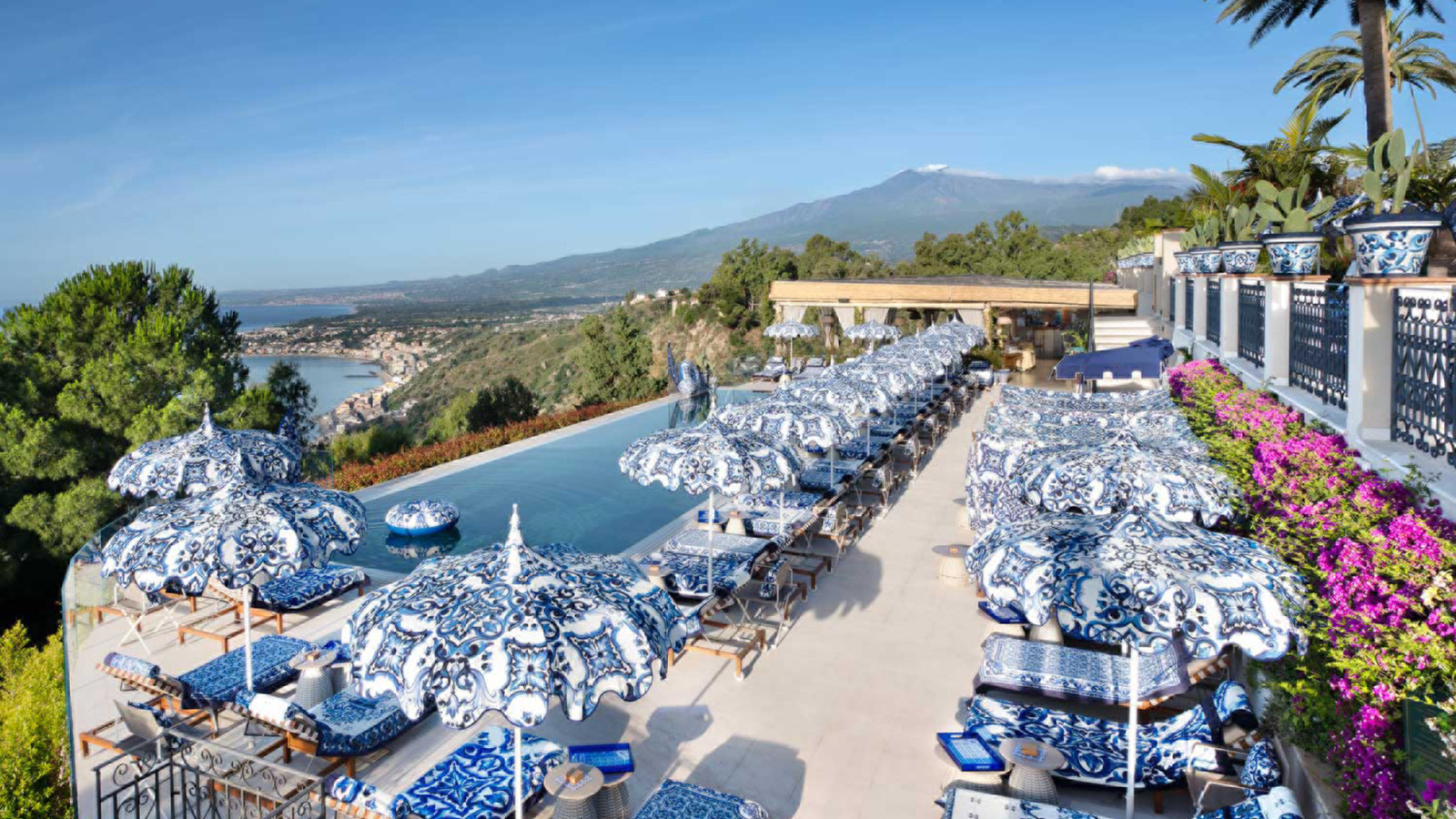
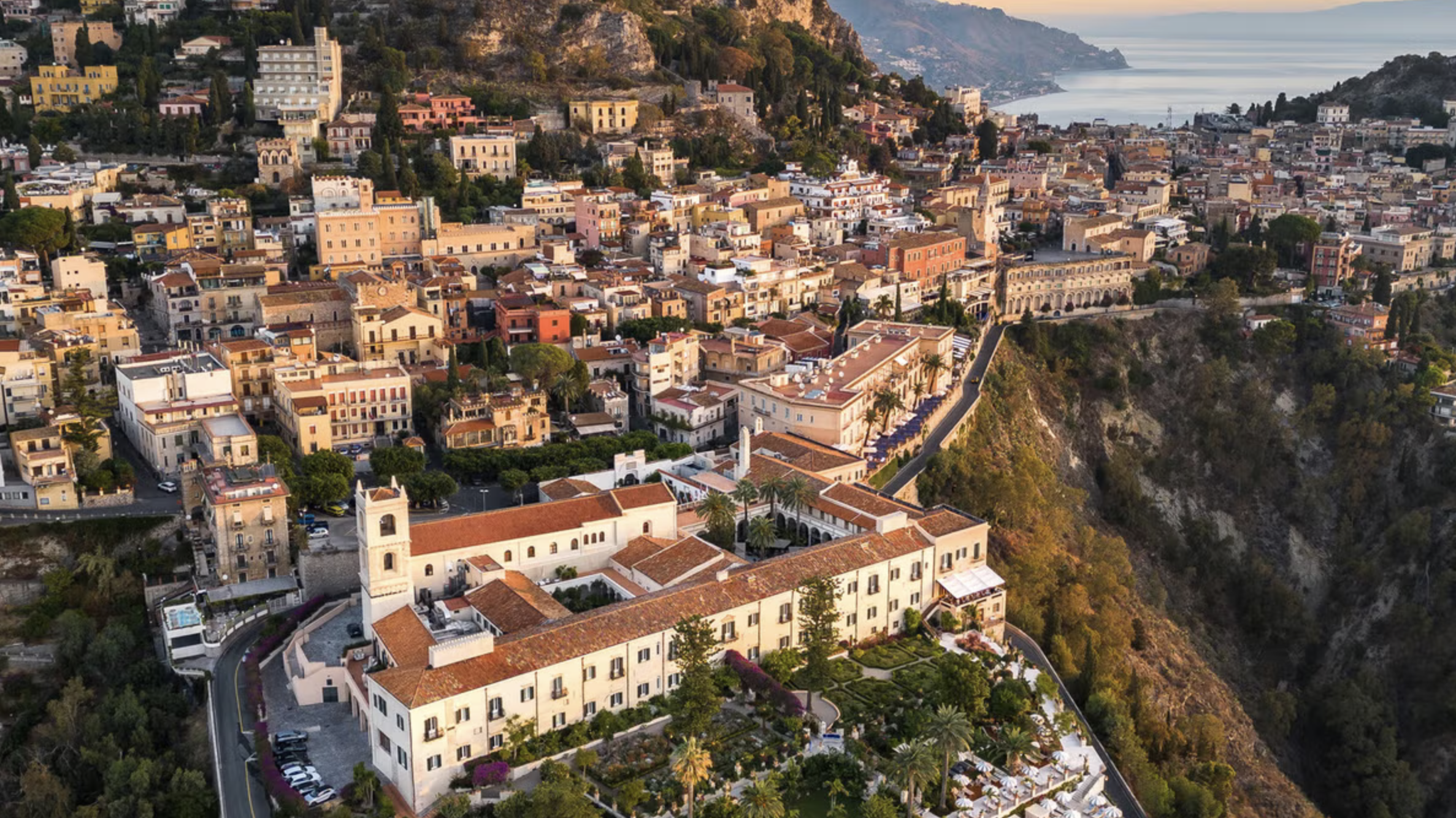
Perched dramatically on a cliff overlooking the Ionian Sea — with Mount Etna occasionally smoking in the distance or, on less polite days, threatening something more theatrical — the San Domenico Palace reads like an Italian movie set. The light hits differently here: sharper, almost metallic in the afternoon, then softening to a golden and lavender haze by evening.
It’s no surprise that The White Lotus chose it as the setting for its second season, nor that artists from Caravaggio to Luchino Visconti to Francis Ford Coppola have long gravitated toward Sicily’s particular brand of drama.
The History of the Monastery
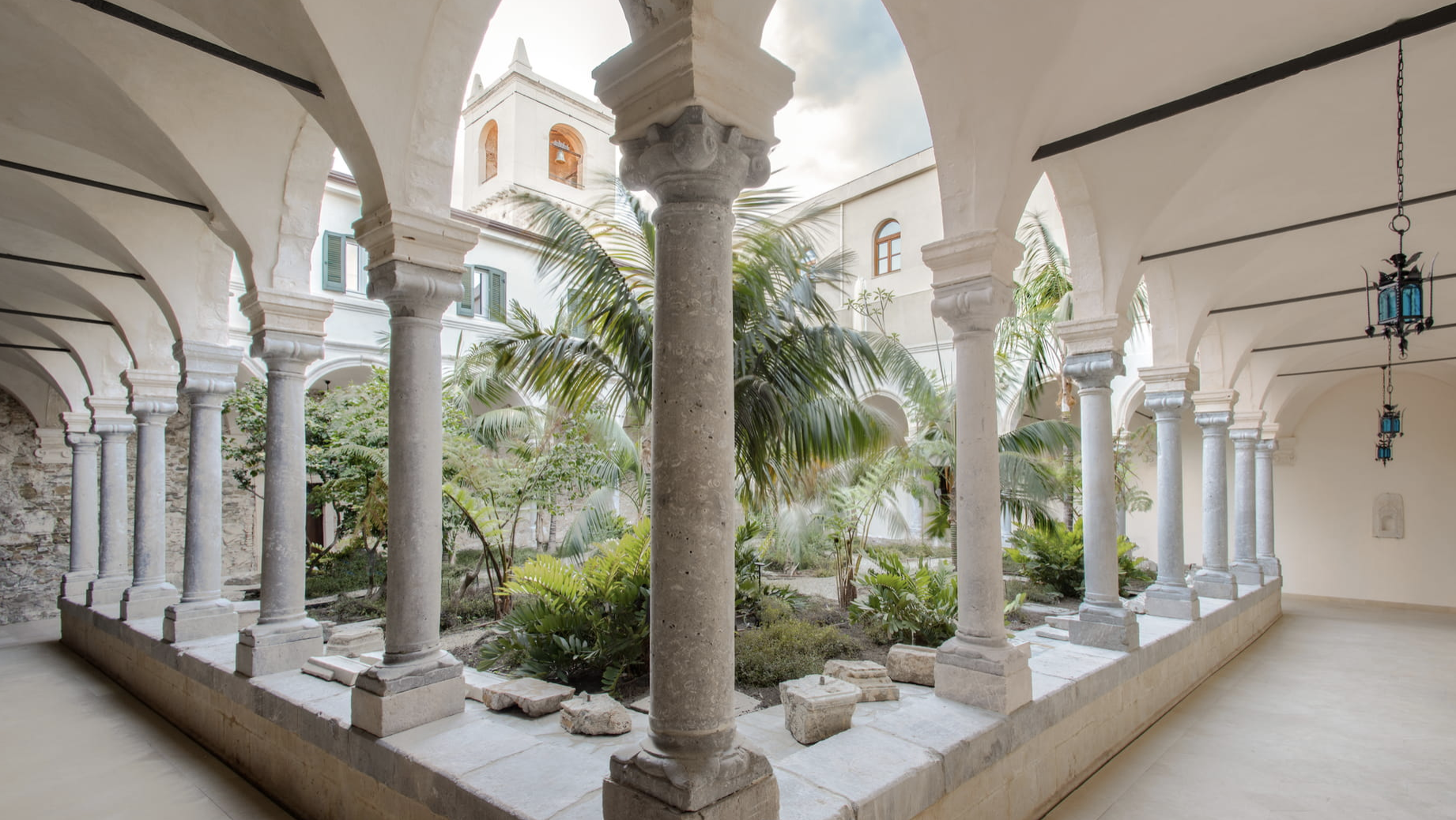
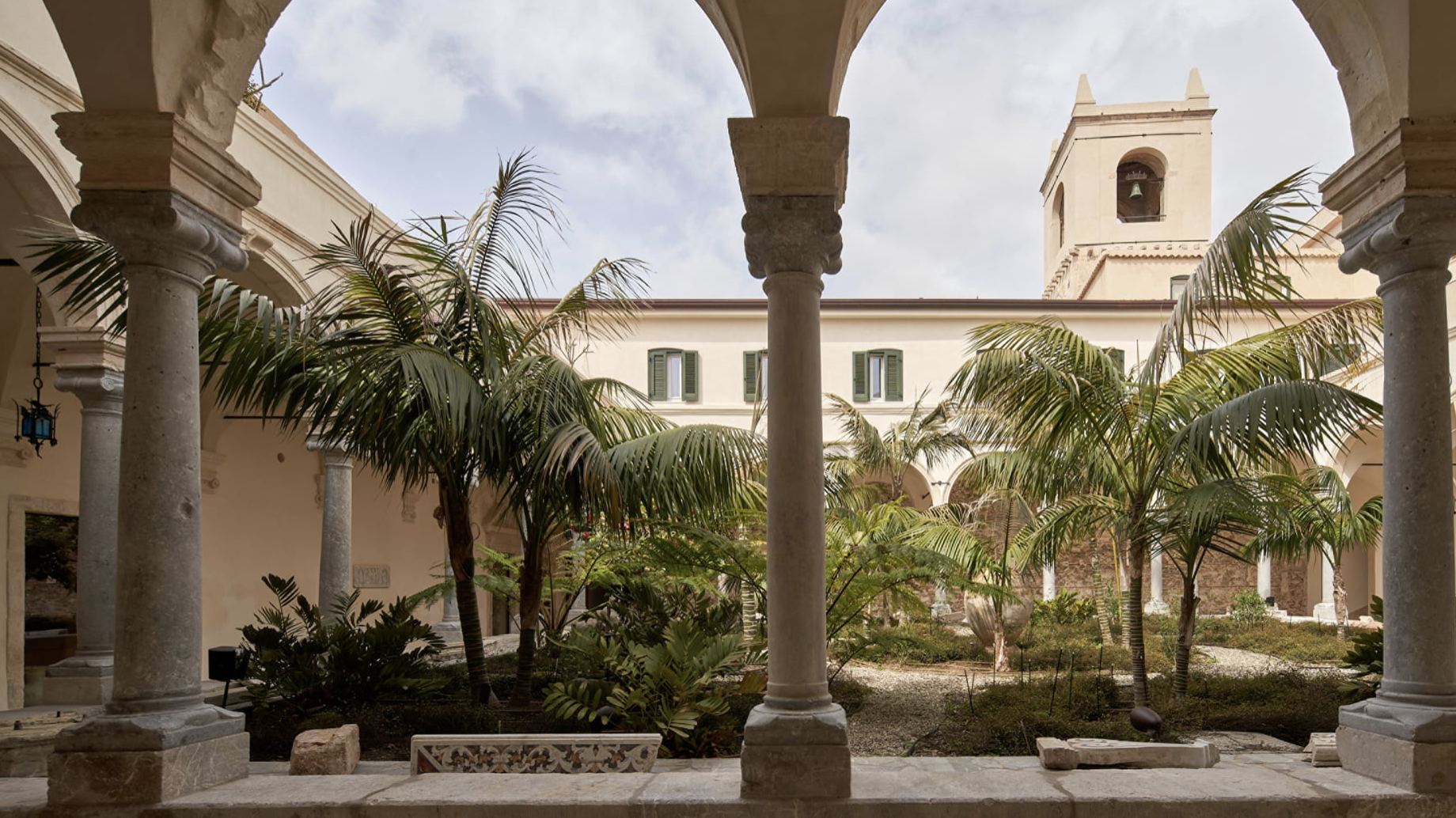
Long before it became a Four Seasons, the property was a Dominican monastery, its earliest cloister dating to the late 14th century. Today, those bones remain intact, forming three distinct historical sections the hotel has carefully restored — or, in certain cases, deliberately left untouched. In one cloister, fragments of original frescoes remain, faded but resolute, a reminder that not everything here has been polished for effect. Elsewhere, gold-leaf mirrors catch the Sicilian light, reflecting guests back at themselves as if to suggest they, too, are part of the composition.
Art and Fashion at San Domenico Palace
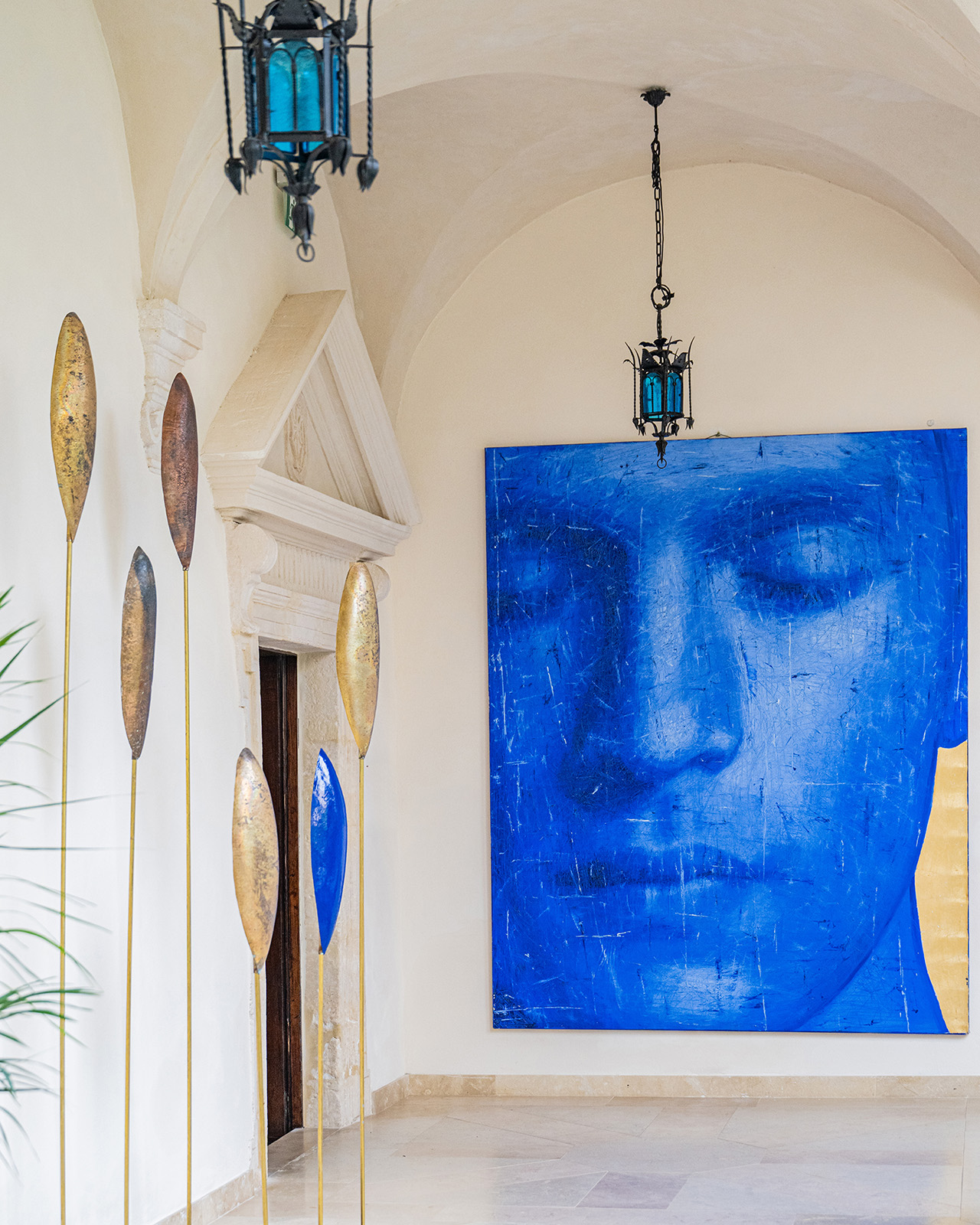
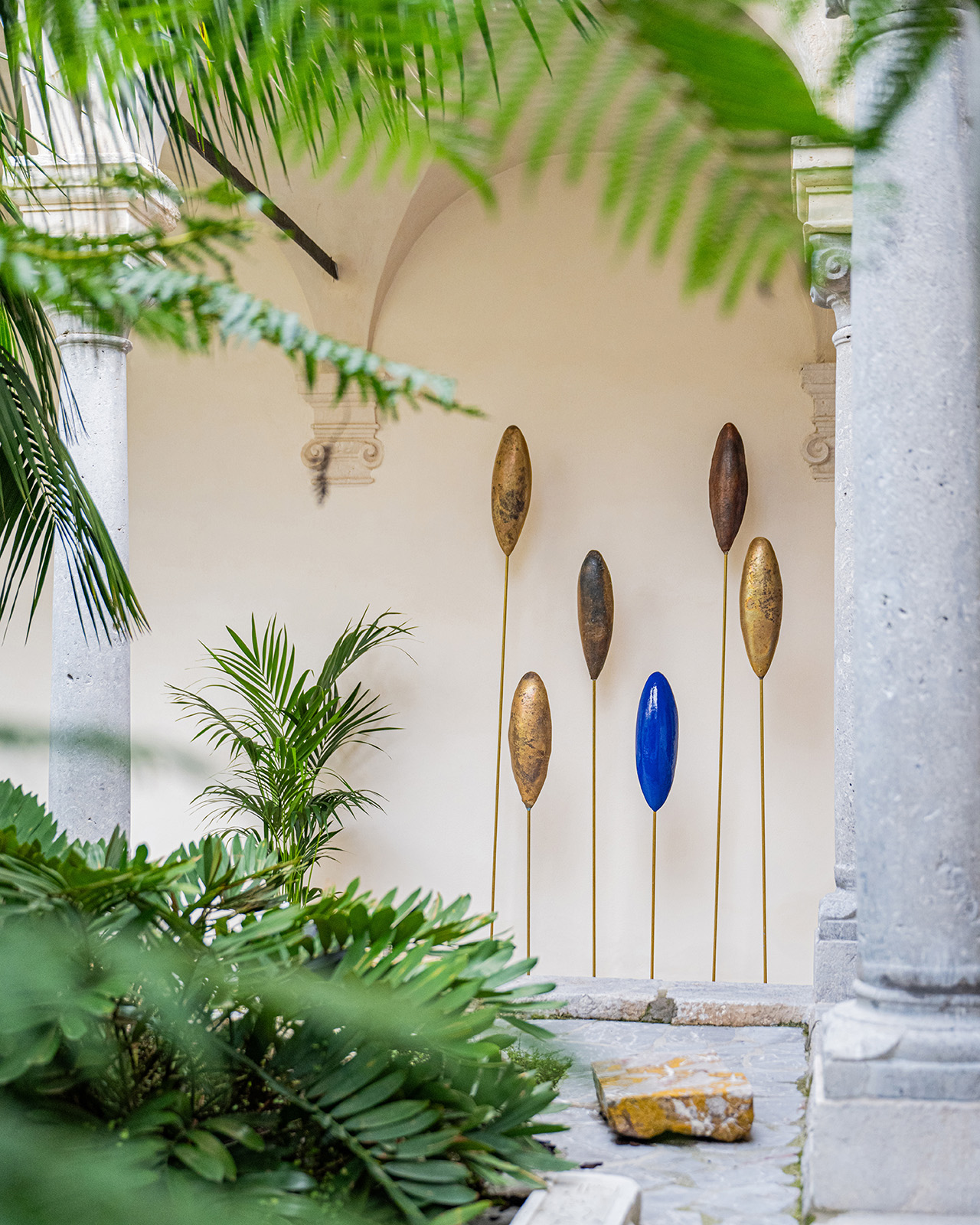
It’s this tension — between preservation and performance — that defines the property. With more than 500 works of art, curated under the guidance of James Robertson, the hotel feels closer to a living museum than a resort. Many pieces trace back to the monastery’s origins: artworks commissioned by monks, liturgical objects once used by the order, furniture designed for meditation — alongside contemporary canvases by Sergio Fiorentino. Even the Sala della Grande Maestra — once a refectory — retains the proportions and gravity of its former life, now recontextualized for a different generation of gathering.
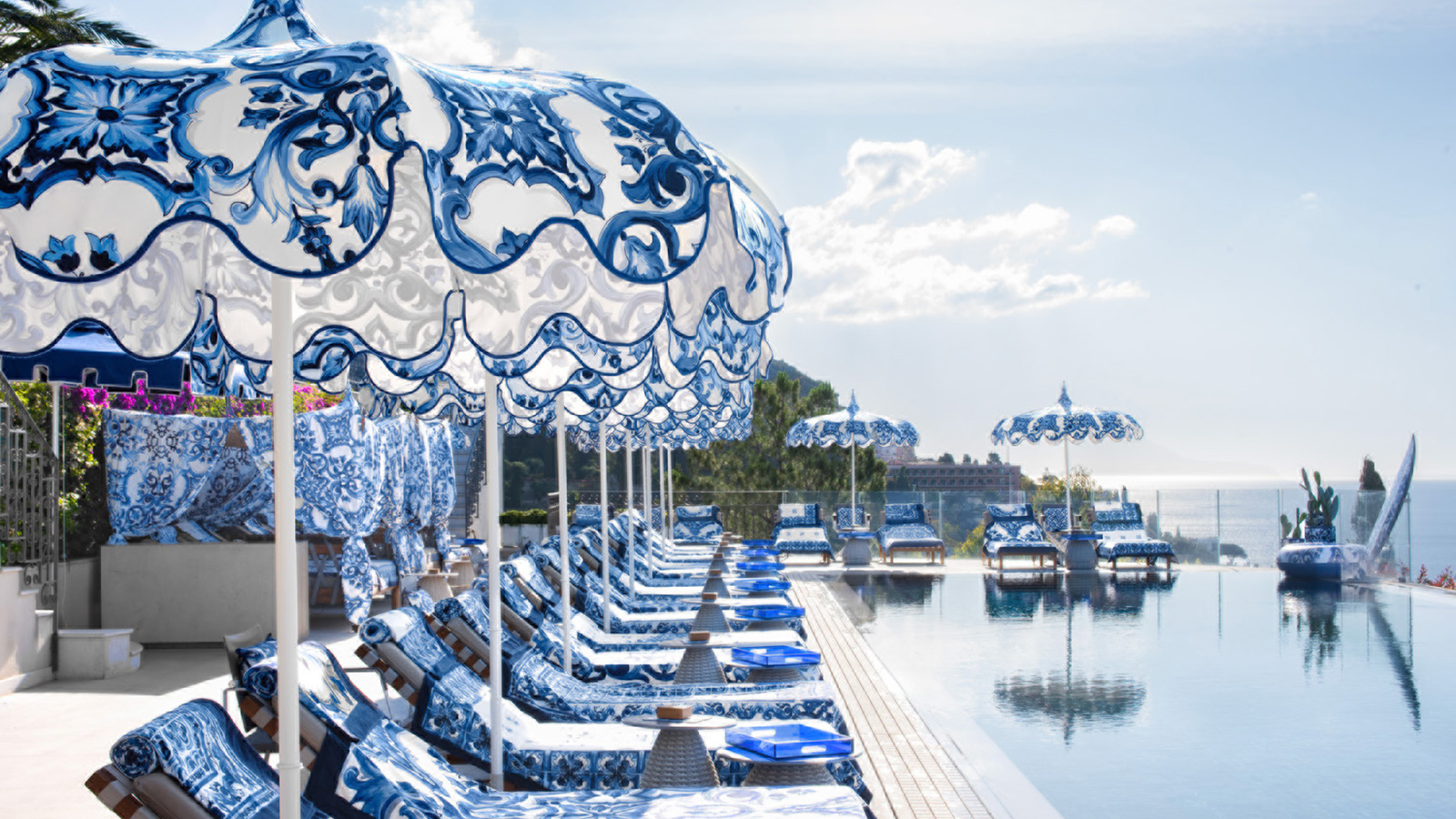
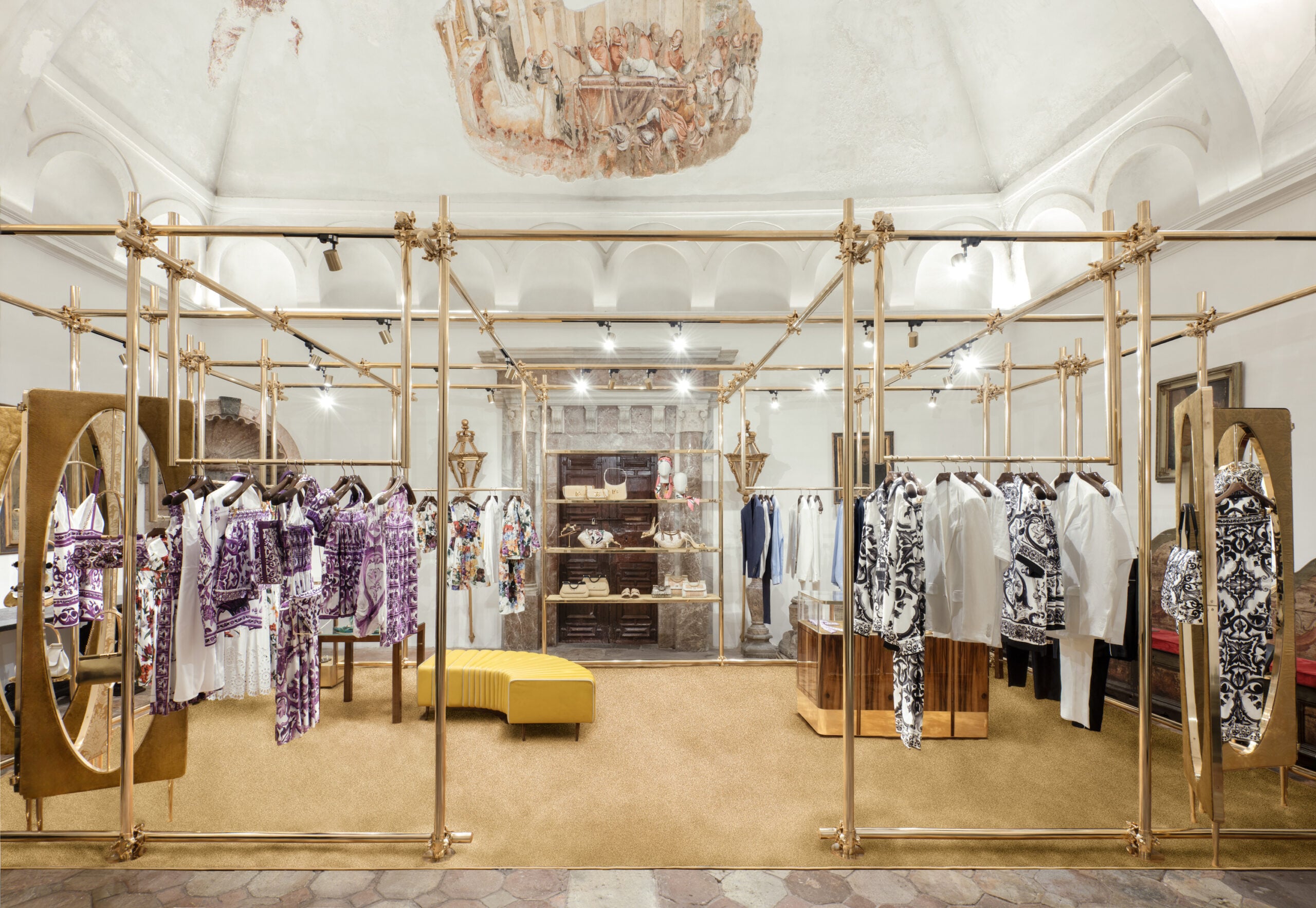
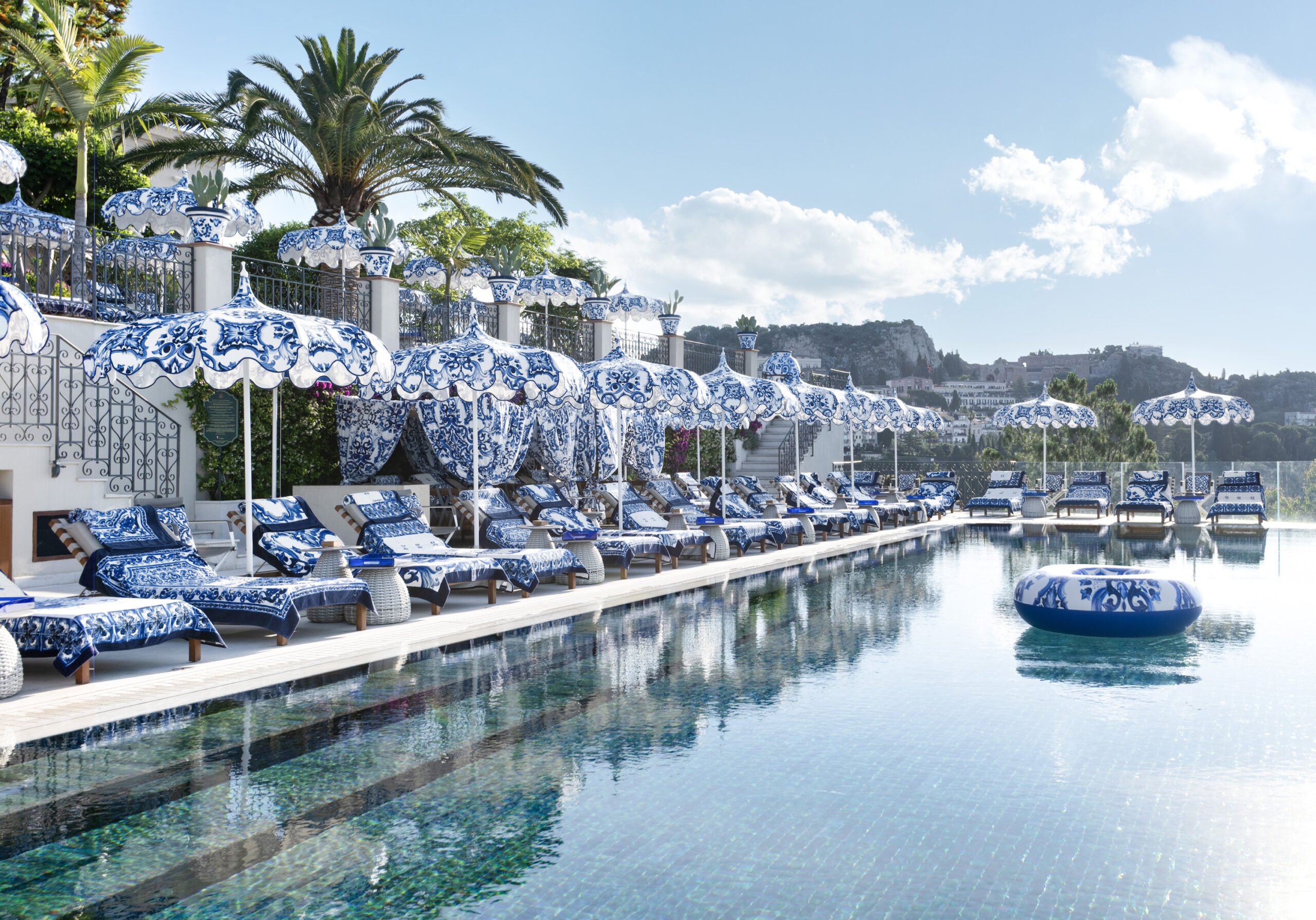
Fashion enters the conversation without friction. Dolce & Gabbana staged its debut Alta Moda show in the very same grand cloister in 2012 — now Bar & Chiostro — and returned last summer with a pop-up boutique and poolside installation that ran through September. It would feel imposed elsewhere. Here, it reads as continuation. Sicily has always specialized in spectacle, and the hotel carries that instinct without effort.
The Room at San Domenico Palace
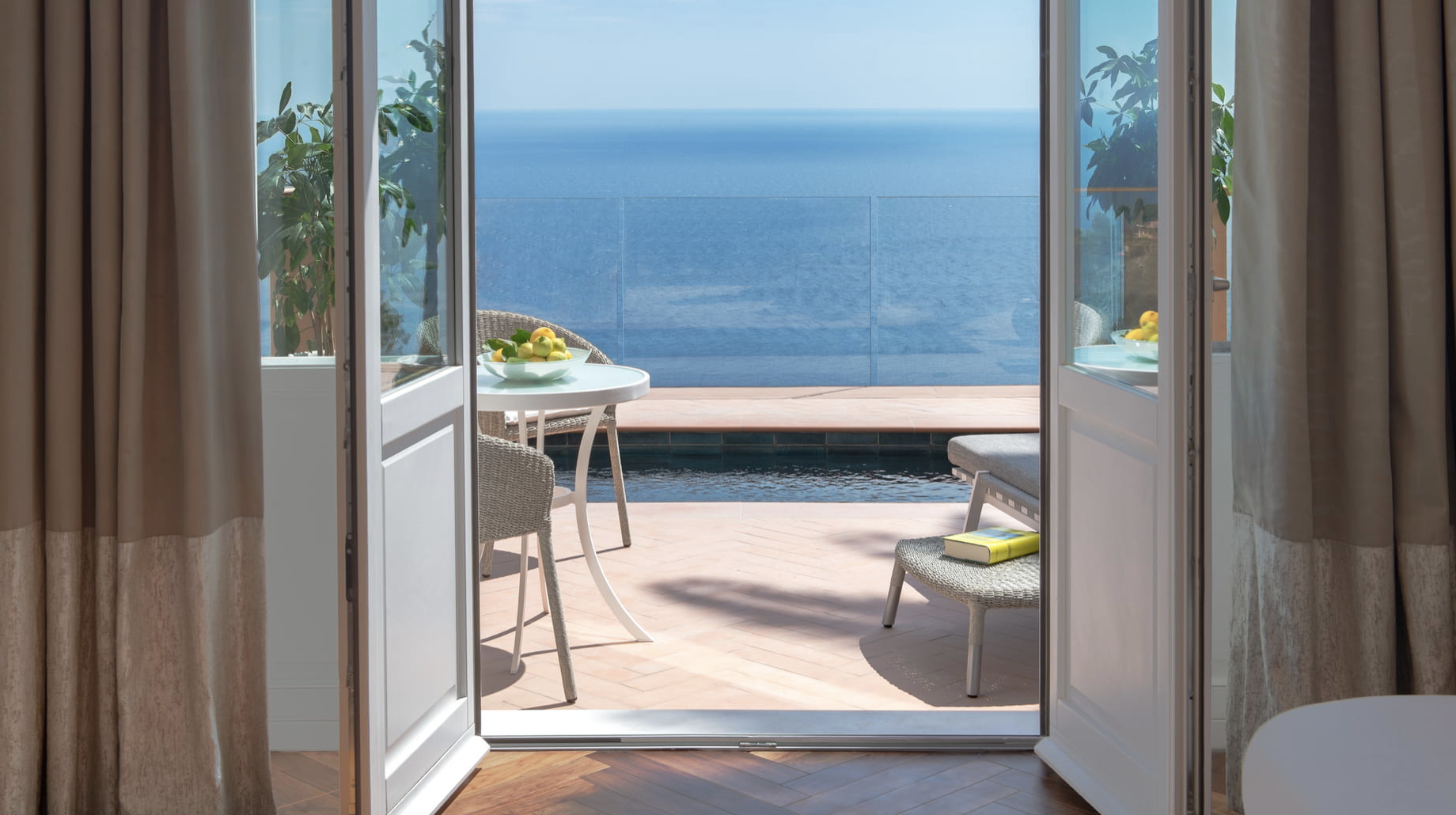
The rooms open onto the sea, the blue stretching out until it fades into the horizon, shifting gradually as the day moves. You leave the windows open and let the breeze run through.
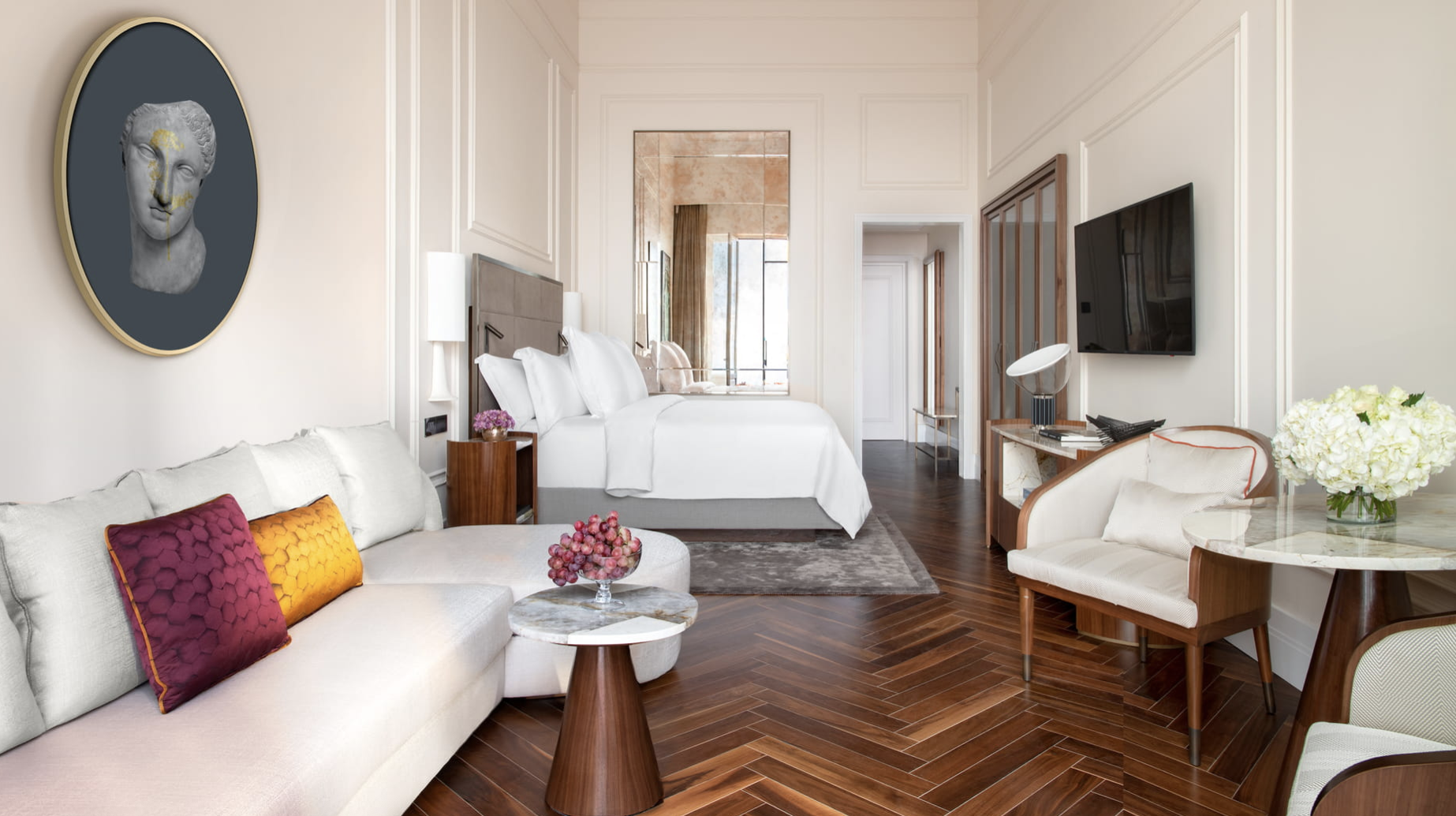
There was prosecco waiting when I arrived, an arrangement of seasonal fruit, and a dark chocolate rendering of the hotel itself — cloisters, arches, the layout constructed into an edible masterpiece. Two Four Seasons baseball caps sat beside it, “Hot Sicily!” woven across the back.
By the time I came back upstairs that night, the bed had already been turned down. Soft pillows, white linen, everything exactly where it should be. It was as comfortable as expected.
Aperitivo at San Domenico Palace
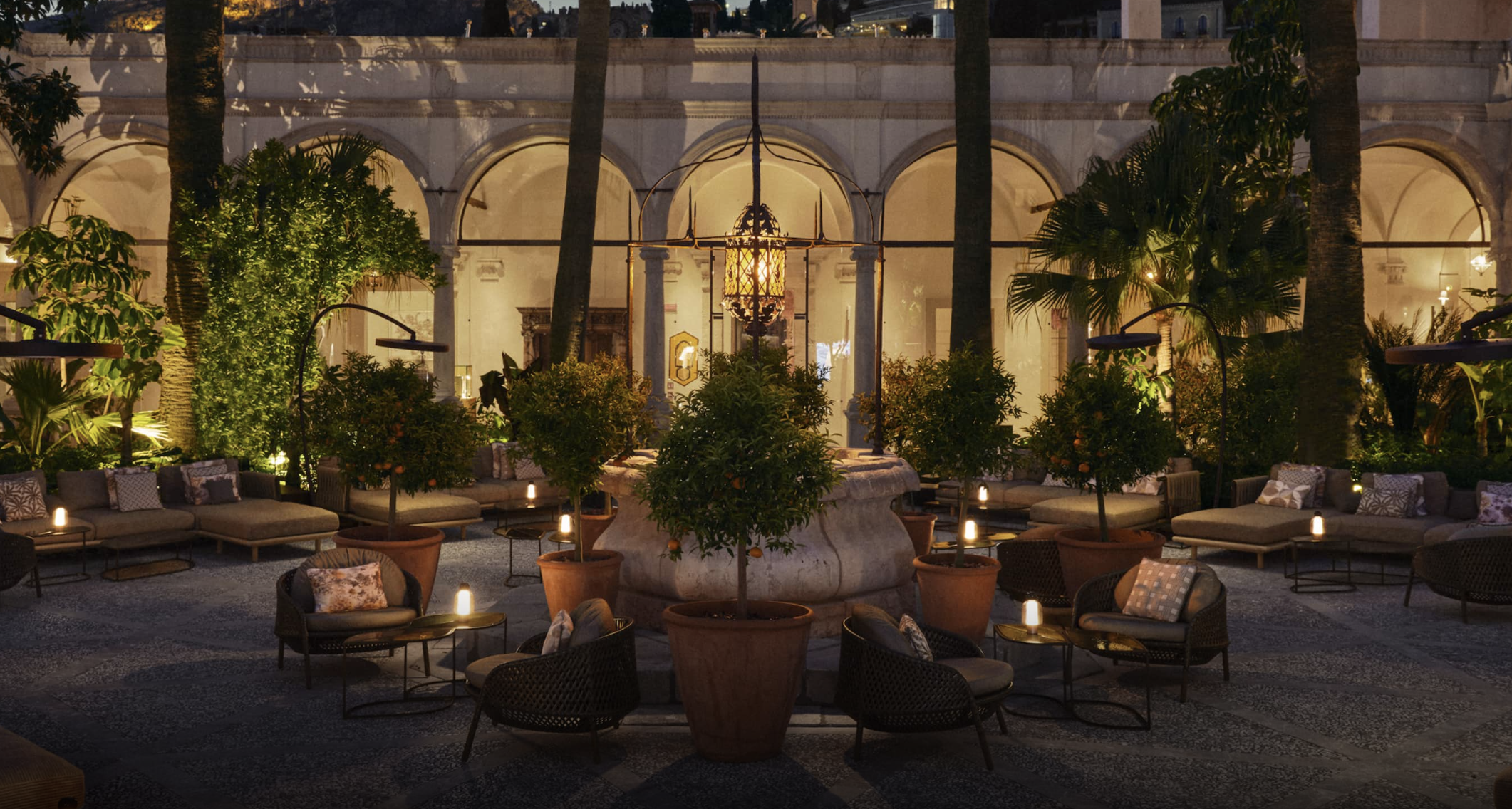
Bar & Chiostro quickly became a daily ritual. By early evening, the cloister fills with a low hum — glasses clinking, live music threading softly through the arches, the occasional swell of laughter. Aperitivo here is unhurried, almost procedural. A spritz arrives cold, condensation already forming. You sit longer than you intend. Time expands. A plate of olives appears, then something else — anchovies, prosciutto, a bite of something fried and perfect — and suddenly the sky has shifted entirely.
I was told one evening that the bartender is the same one featured in The White Lotus, a detail that feels incidental once you’re there. The show may have moved on — Season 4 is now filming in the South of France — but Taormina still holds its presence.
Dining at San Domenico Palace
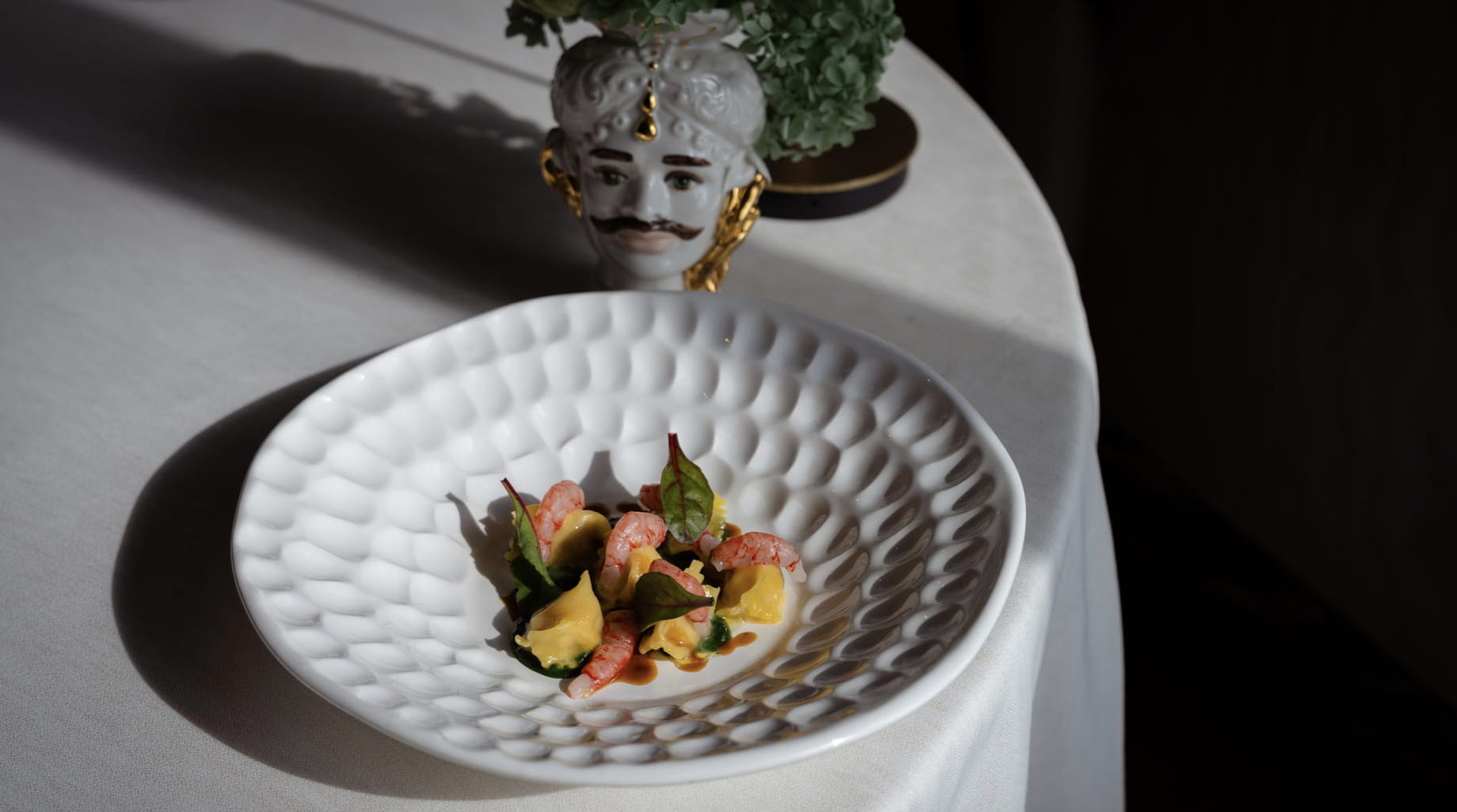
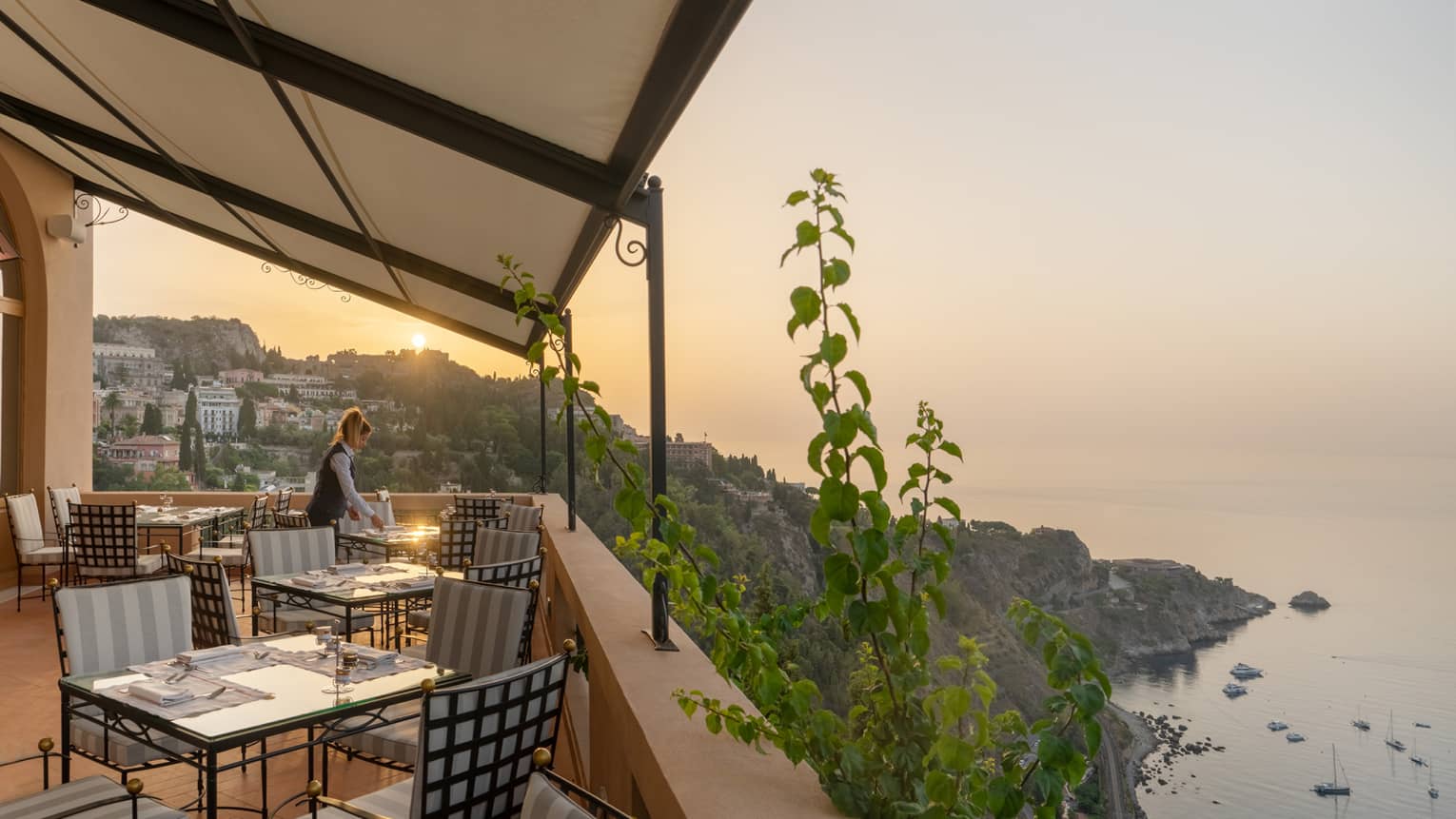
Dinner, when done properly, means a reservation at Principe Cerami, the hotel’s Michelin-starred restaurant. The restaurant is named after Prince Domenico Rosso di Cerami, who transformed part of the monastery into a private residence in 1896, and balances formality with a distinctly Sicilian sprezzatura. The menu leans local, but it’s the precision that stands out. A course built around red shrimps arrives barely touched, its delicateness and sweetness intact; another layers gnocchi with unexpected textures without ever feeling overwrought. Dining here is quiet, focused, and elegant.
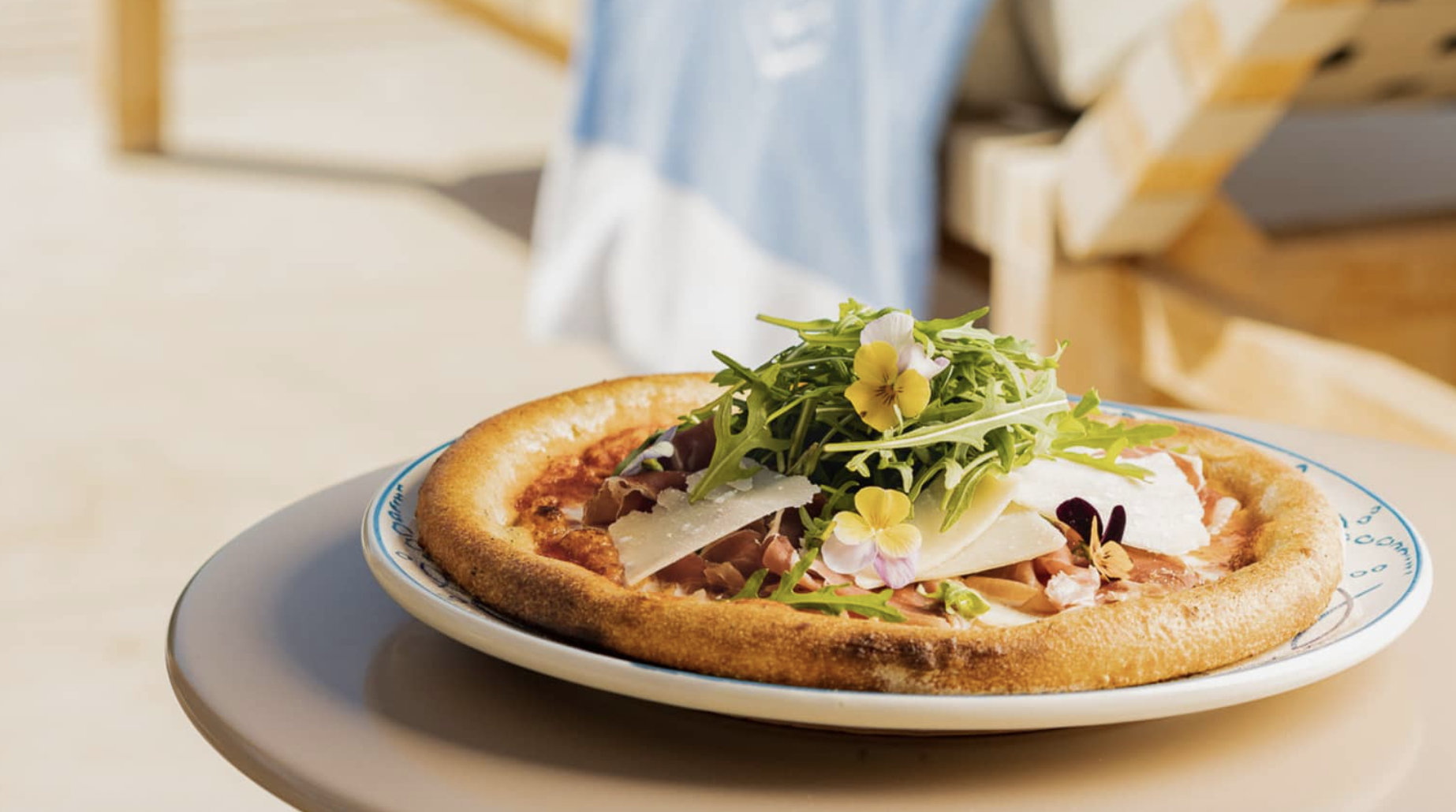
Lunch, by contrast, belongs to Anciovi Seafood Restaurant, set just next to the infinity pool. It’s the kind of meal you don’t rush. Pizza with a blistered crust, seafood pulled from nearby waters and left largely alone — everything served with that same uninterrupted view of the sea. There’s a particular sound that stays with me — the buzzing vibration of cicadas in the heat, the soft percussion of water against the cliff below. You hear it between conversations, between bites.
The Pool at San Domenico Palace
Of course, there are moments when the illusion of continuity gives way to the contemporary. The infinity pool, framing the open sea, is unmistakably modern — though even that now carries its own narrative, immortalized on screen. But what struck me was less the view — though it is, objectively, extraordinary — than the atmosphere around it. It’s calm. People read, swim, disappear into themselves. Even the staff move with a sense of measured tranquility.
Gardens and Grounds at San Domenico Palace
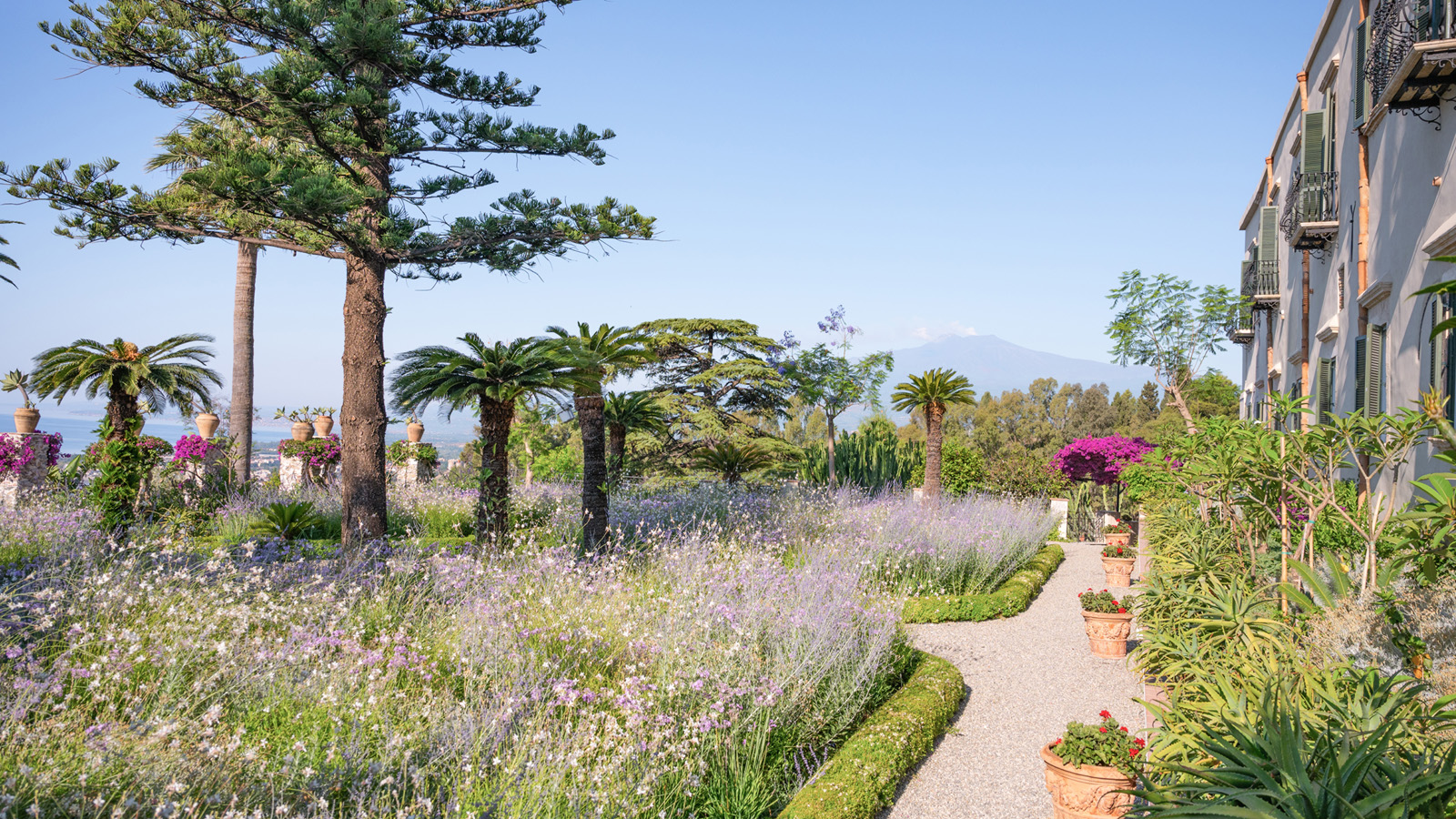
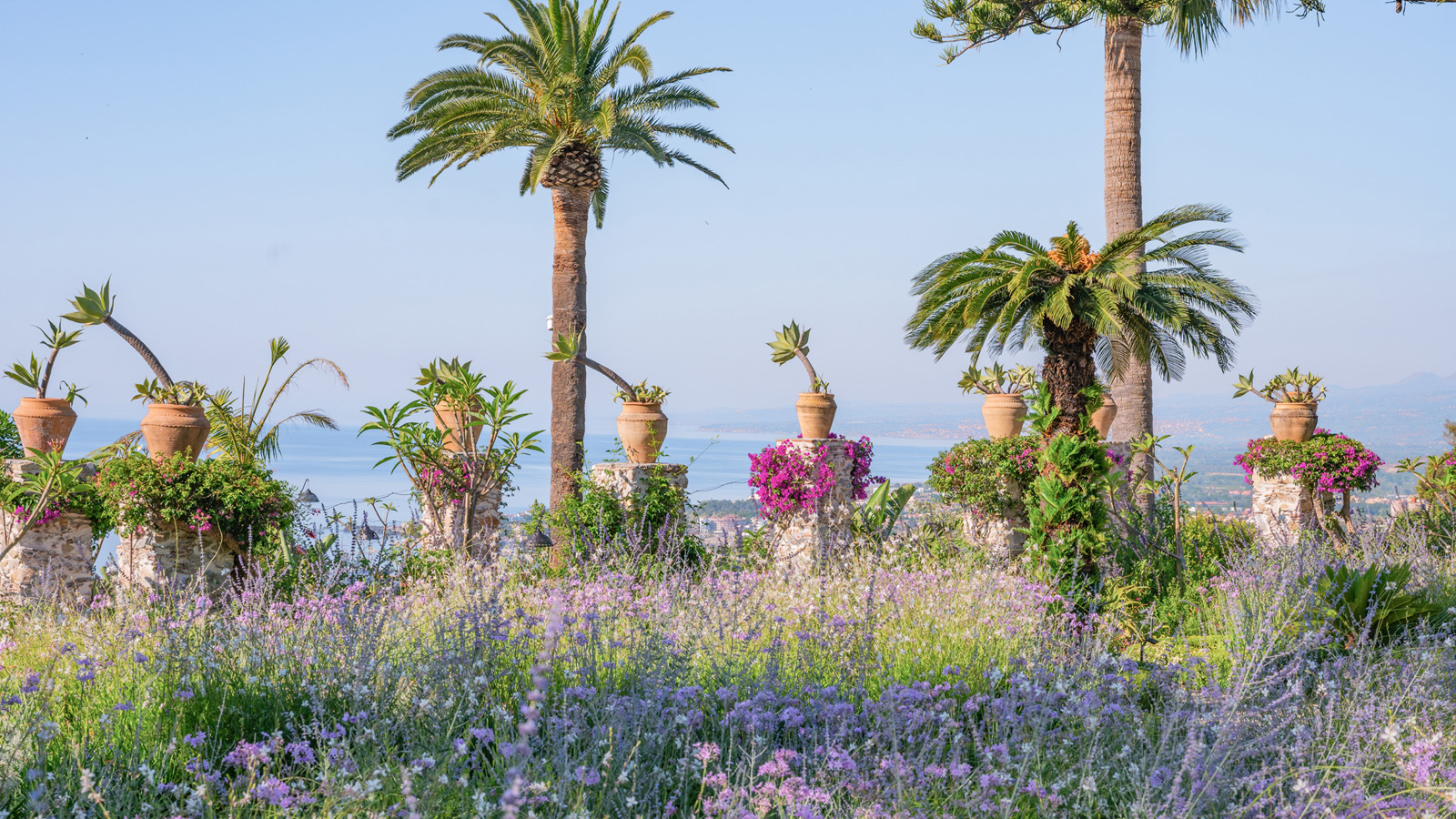
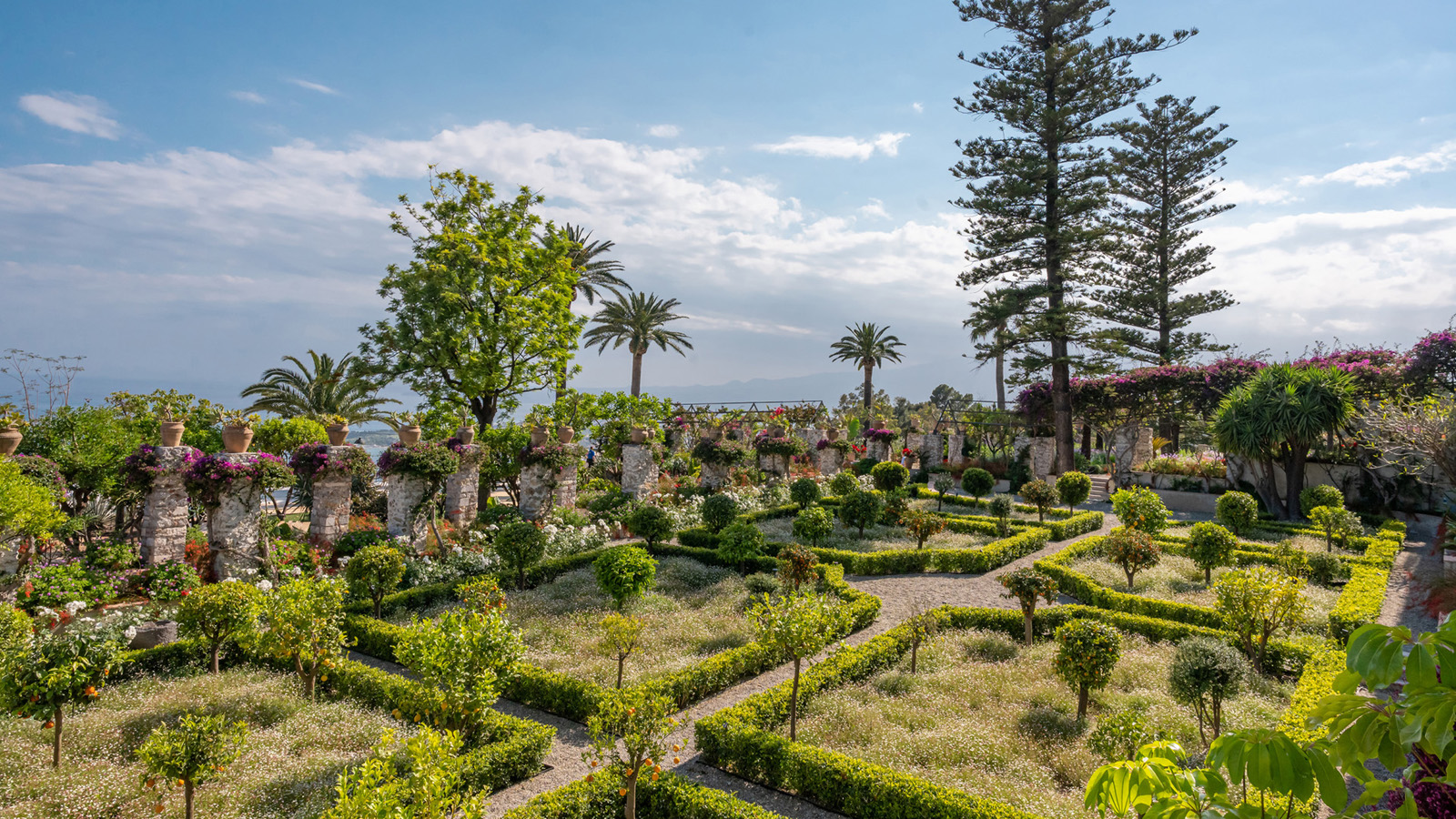
Beyond the pool, the San Domenico Palace gardens offer a different rhythm. Originally used by monks to cultivate medicinal herbs, they remain lush and fragrant, with pathways that feel slightly hidden, as though stumbled upon rather than sought out. The air carries notes of jasmine and melon, cut by an occasional bitter, herbaceous edge. It’s easy to lose time walking without direction.
Final Notes
Throughout my stay, I kept returning to the idea of the hotel as a living composition — one that resists being reduced to any single narrative. Yes, it is a five-star property recognized with Three Michelin Keys. Yes, it is a filming location, a fashion show venue, a meticulously restored historical site. But it’s also something more: a place that layers experience without forcing it. The environment encourages you to take shape within it.
On my last night, I found myself back at Bar & Chiostro without thinking about it. The same table. The same drink. The music was fainter than the night before. The fresco still incomplete.
Nothing had changed. That felt like the point.


