










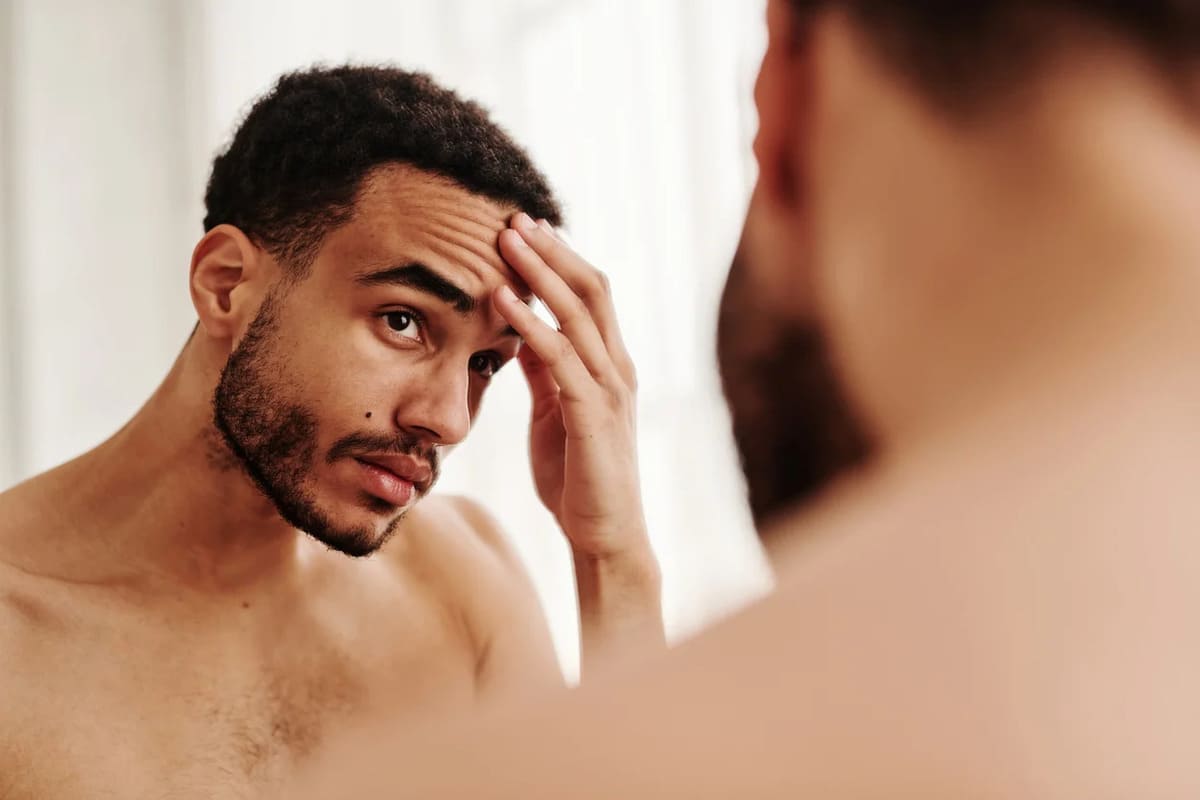
Men have quietly rewritten the rules of the bathroom cabinet – and the skincare industry is scrambling to keep up
For a long time, a bar of soap and a single moisturizer counted as an ambitious grooming routine for most men. That baseline has shifted considerably. Serums, eye creams, hyaluronic acid, SPF – the language of skincare that once felt exclusively feminine has moved into a new demographic, and the numbers behind it suggest this is far more than a passing moment.
A market growing faster than most expected
According to a 2025 study by research firm Mordor Intelligence, the global men’s cosmetics market is expanding at an annual rate of around 6%. The fastest-growing segment within that market is skincare – moisturizers, cleansers, and anti-aging products – which is projected to grow at 8% annually through 2030. Those figures reflect a genuine behavioral shift, not just a marketing repositioning.
What’s driving it? A combination of factors: social media normalizing skincare routines across genders, a younger generation that grew up watching tutorials and ingredient breakdowns online, and a broader cultural loosening around what male grooming is allowed to look like.
What the routine actually looks like in practice?
Aymeric, 32, has had a morning skincare routine for three years. He starts with a facial cleanser, follows with either a hyaluronic acid essence or an anti-blemish serum depending on his skin’s needs, applies a mattifying moisturizer with SPF, and finishes with a protective balm designed to shield against pollution. He came to skincare through GQ and pharmacy consultations, initially using dermatological products for a skin condition before transitioning into general hydration and maintenance.
His level of product literacy – he cites ingredient names, describes formulations, compares brands by packaging – would not have been unusual for a beauty editor a decade ago. Today, it is increasingly common among men in their twenties and thirties.
A structural gap the market is starting to fill
One of the persistent critiques of men’s skincare has been that most of it isn’t really designed for men at all. Hadi Kamouh, founder of Belgian brand Clyde For Men – launched in 2022 – built his entire concept around that observation. As he notes, the majority of men’s skincare lines are simply extensions of women’s brands: L’Oreal Men Expert branching off L’Oreal, Nivea Men from Nivea. Kamouh himself spent 21 years in the industry before founding Clyde, including launching L’Oreal Men Expert in its early days. His argument is that men’s skin has specific needs that aren’t met by rebranded female formulations – and that a growing number of male consumers are starting to notice.
The bottom line
The men’s skincare market is not a trend in the fleeting sense – it is a structural market shift backed by consistent double-digit growth projections, new brand creation, and genuine consumer behavior change. The bathroom cabinet that once held two products is making room for five. And the men filling it know exactly what each one does.

