










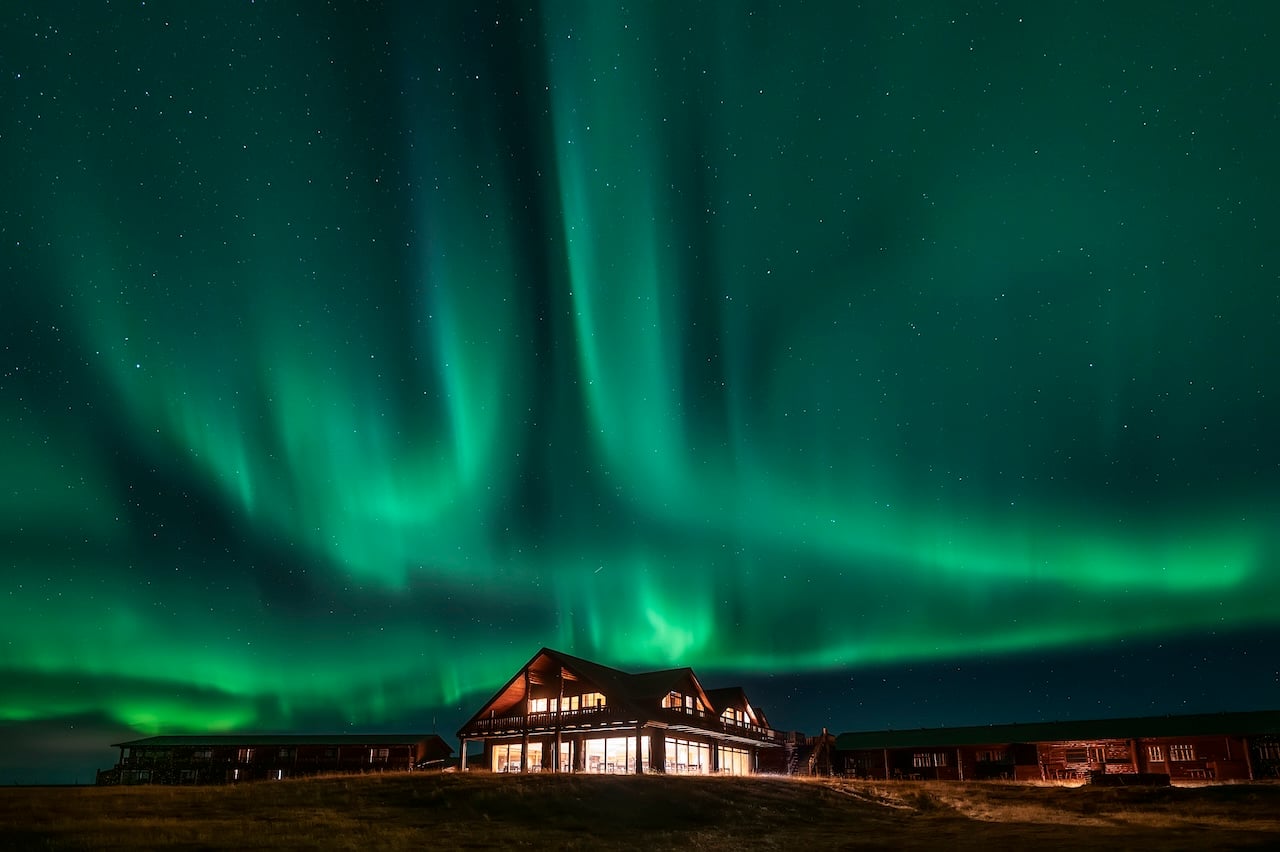
There are certain experiences that feel almost impossible to contextualize while you’re in them — moments where you’re aware, in real time, that what’s happening around you exists outside of your normal rhythm of life.
For me, that moment arrived in the Icelandic countryside, standing in complete darkness, watching the sky begin to move. Not dramatically. Not all at once. But slowly — a soft green haze stretching across the horizon before deepening, shifting, and transforming into something alive. It wasn’t just something to look at. It was something to feel — vast, unpredictable, and entirely beyond control. This was the Northern Lights.
But the Northern Lights don’t perform for you. They reveal themselves.
And in 2026, more than most years, they are doing exactly that.
The Northern Lights 2026: A Rare Window in Time
The reason so many travelers are turning their attention to the Northern Lights this year comes down to something far beyond tourism trends. The sun itself has entered what’s known as a solar maximum — the most active phase of its 11-year cycle — sending increased solar energy toward Earth and intensifying auroral activity. In theory, this means brighter, more frequent displays.
But theory doesn’t always translate to reality, because the aurora depends on a fragile balance — solar conditions, cloud cover, darkness, and timing. Even during peak activity, it remains elusive, which is why the difference between seeing it and missing it often comes down to something less obvious: how the trip itself is designed.
The Off the Map Philosophy: Designing for Possibility
GRAZIA USA spoke with Jonny Cooper, the founder of Off the Map Travel — a bespoke luxury travel company specializing in highly tailored journeys across the Nordic region, designed with one core focus: connecting travelers to nature in its most raw and immersive form, which includes witnessing the Northern Lights. “The first time I saw the aurora, what hit me wasn’t just the beauty, it was how it made me feel: small, fully present, and suddenly aware of the forces moving above and around me,” Cooper shares with me. “It didn’t feel like entertainment. It felt ancient.”
That moment — less about witnessing the aurora and more about how it made him feel — became the foundation for Off the Map, shaping a philosophy rooted in creating space for experiences that are felt, not just seen. A philosophy that only fully reveals itself once you step into it.
Unlike traditional tour operators, Off the Map doesn’t offer pre-packaged itineraries. Each trip is built from the ground up, shaped around seasonality, geography, and the specific experience a traveler is seeking — whether that’s witnessing the Northern Lights, exploring remote wilderness, or simply stepping into a slower, more intentional way of moving through the world. What sets the company apart is not just where they send you, but how they think about the journey from start to finish.
While the Northern Lights may define Iceland’s winter allure, Off the Map’s approach extends far beyond a single season. As winter gives way to longer days, their itineraries shift to reflect an entirely different rhythm of the Nordic landscape — one rooted in light, movement, and a deeper connection to nature. Summer and fall journeys are designed with that same sense of intention, inviting travelers to experience the region through immersive activities like culinary foraging, traditional Nordic sauna and cold-water wellness, and quiet moments of forest bathing. Rather than centering the experience around a single phenomenon, these trips lean into the broader idea of Nordic living — encouraging guests to slow down, reconnect, and engage with the environment in a way that feels both restorative and deeply personal. It’s a natural continuation of the philosophy that defines Off the Map: not just seeing a destination, but experiencing it in a way that stays with you long after you’ve left.
Stepping Into the Experience with Off the Map
On a recent trip to Iceland, I traded the predictability of a typical winter getaway for something far more intentional. I traveled to Iceland with Off the Map on a journey designed around one central goal: to experience the Northern Lights, not as a fleeting sighting, but as something immersive, unhurried, and deeply felt.
But what became clear almost immediately was that the aurora was never the only focus. From the very beginning, the trip was structured in a way that allowed the experience to unfold naturally — each moment building on the one before it, creating a sense of place long before the sky ever came into play. There was no sense of rushing toward a single highlight, no pressure to “catch” anything. Instead, there was space — space to settle into the landscape, to understand it, and to move through it at a pace that felt aligned with it. That’s where Off the Map’s approach becomes tangible.
Rather than centering the itinerary around fixed outcomes, they design journeys that allow for possibility. Evenings are intentionally left open, routes are chosen with flexibility in mind, and each element is positioned to maximize your chances of experiencing the aurora — without ever making it feel forced. “If you design a journey properly — the right place, the right season, the right pace — you give people the best possible chance of experiencing something real, naturally,” Cooper explains to me.
And so, with that foundation in place, the trip began — not with the Northern Lights themselves, but with everything that would make seeing them feel meaningful when the moment finally arrived.
Reykjavík as an Introduction — Not a Stopover
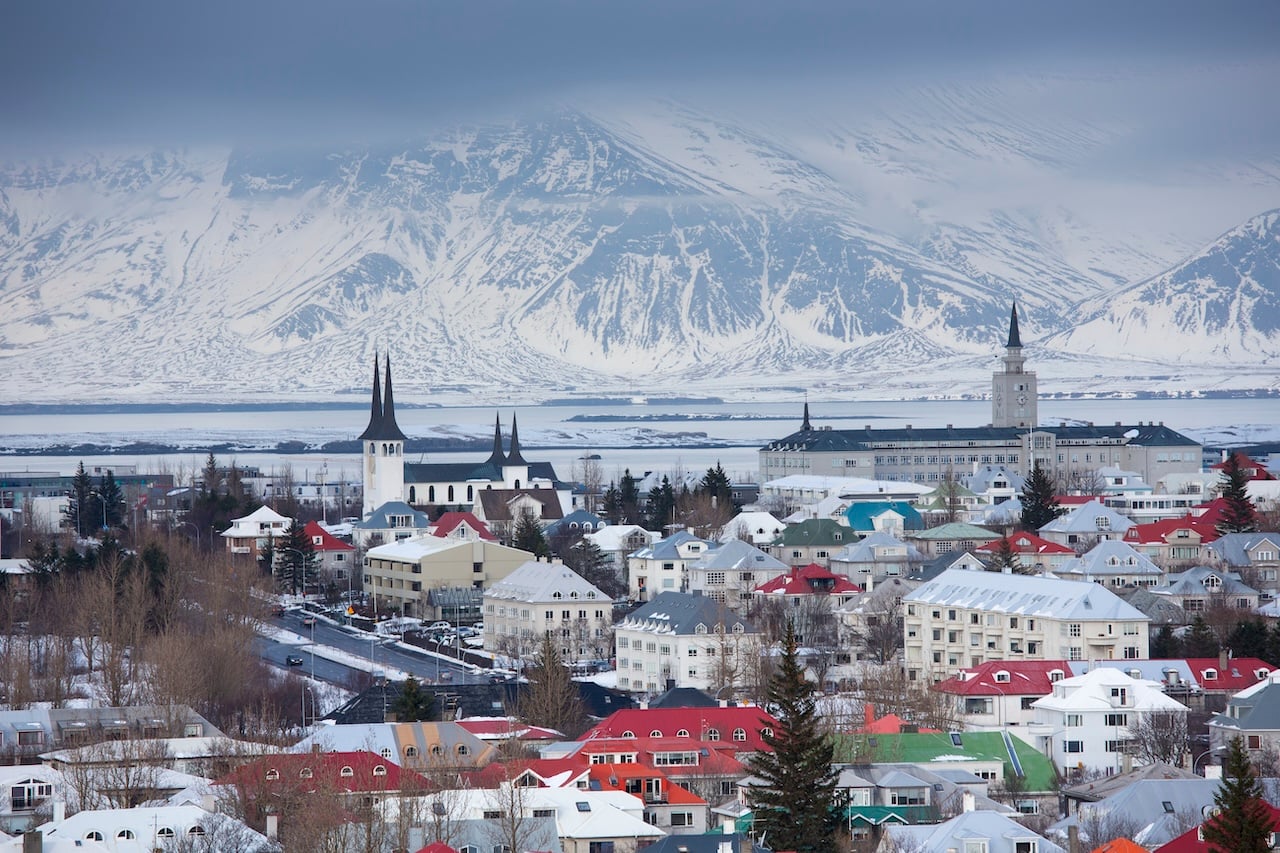
After landing at Keflavík, there was no scrambling, no navigating logistics, no figuring things out on the fly. A private transfer was already waiting, and within minutes we were moving through Iceland’s striking, almost cinematic terrain — a landscape that feels both empty and expansive at the same time.
Rather than rushing us straight into isolation, Off the Map anchored the experience in Reykjavík first — but not in a way that felt rushed or overly structured. The main event: a private Reykjavík Food Lovers Tour, curated through Your Friend in Reykjavík, which unfolded slowly, almost conversationally. It wasn’t about ticking off restaurants, but about understanding Iceland through its food — which, in many ways, is a reflection of its environment.
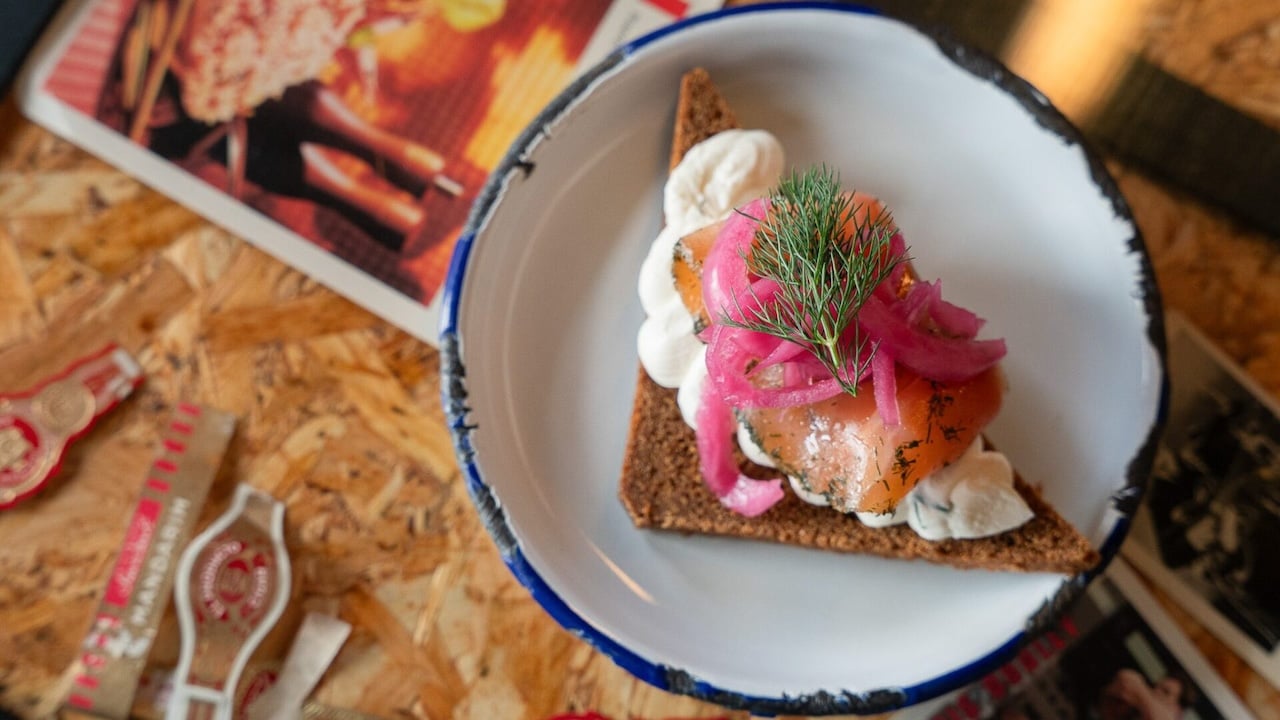




We moved between intimate, locally loved spots, each offering something distinct, led by a wonderfully knowledgeable Reykjavík native whose pride in his hometown was evident in every story told. One moment, we were tasting traditional dishes rooted in preservation and necessity, the next exploring more modern interpretations shaped by Iceland’s evolving culinary identity.
Between each stop, our guide layered in stories — about the city, about Icelandic life, about how geography and isolation have influenced everything from ingredients to culture. It didn’t feel like a tour. It felt like context. By the time we left Reykjavík behind, I wasn’t just oriented geographically — I felt grounded in the place itself.
Following the food tour, we headed towards my home away from home for the weekend, Hotel Rangá, which marked a noticeable shift. The drive had already begun to quiet everything. The further we moved from Reykjavík, the more the landscape opened — roads stretching long and empty, the last traces of artificial light disappearing behind us. By the time we arrived, it was clear that Hotel Rangá isn’t just positioned in the countryside — it’s embedded within it.
Hotel Rangá: A Stay Designed Around the Sky
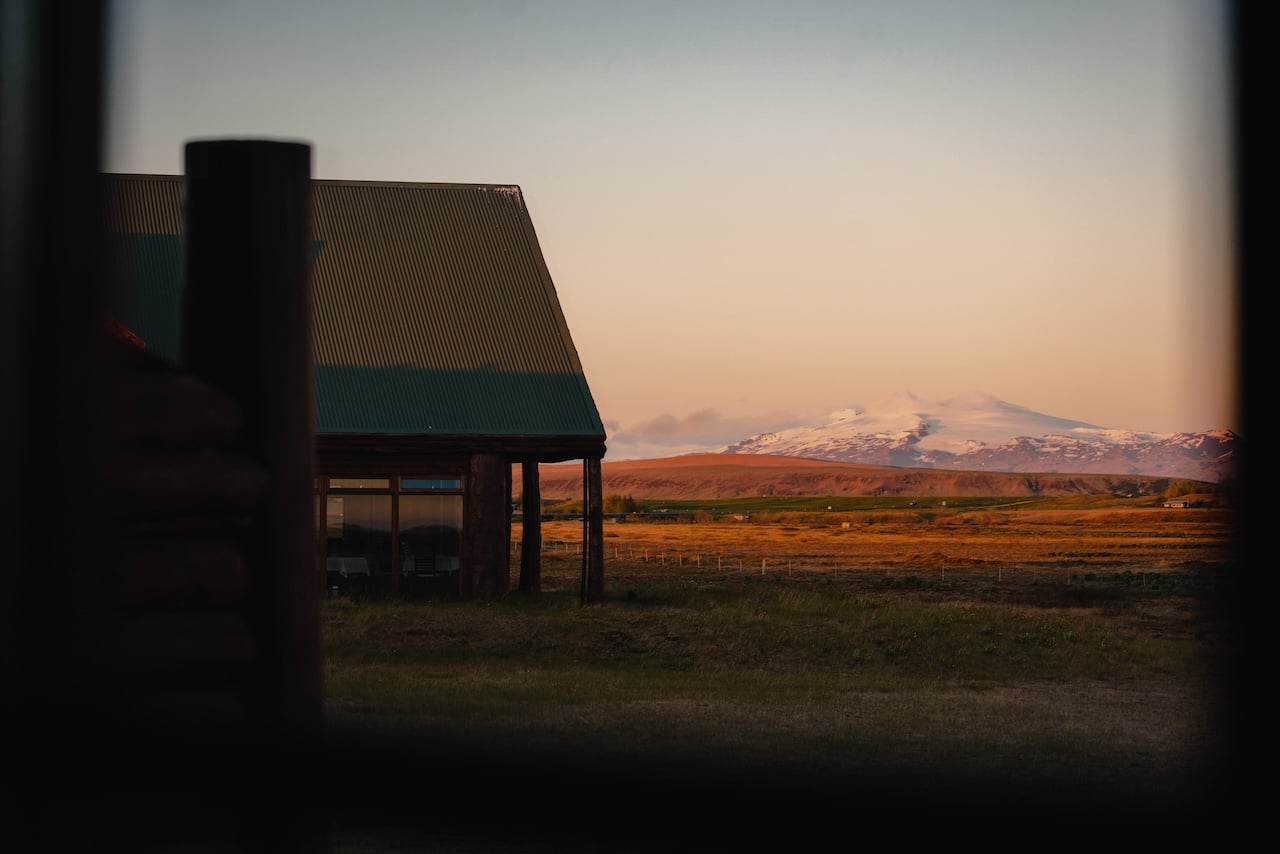
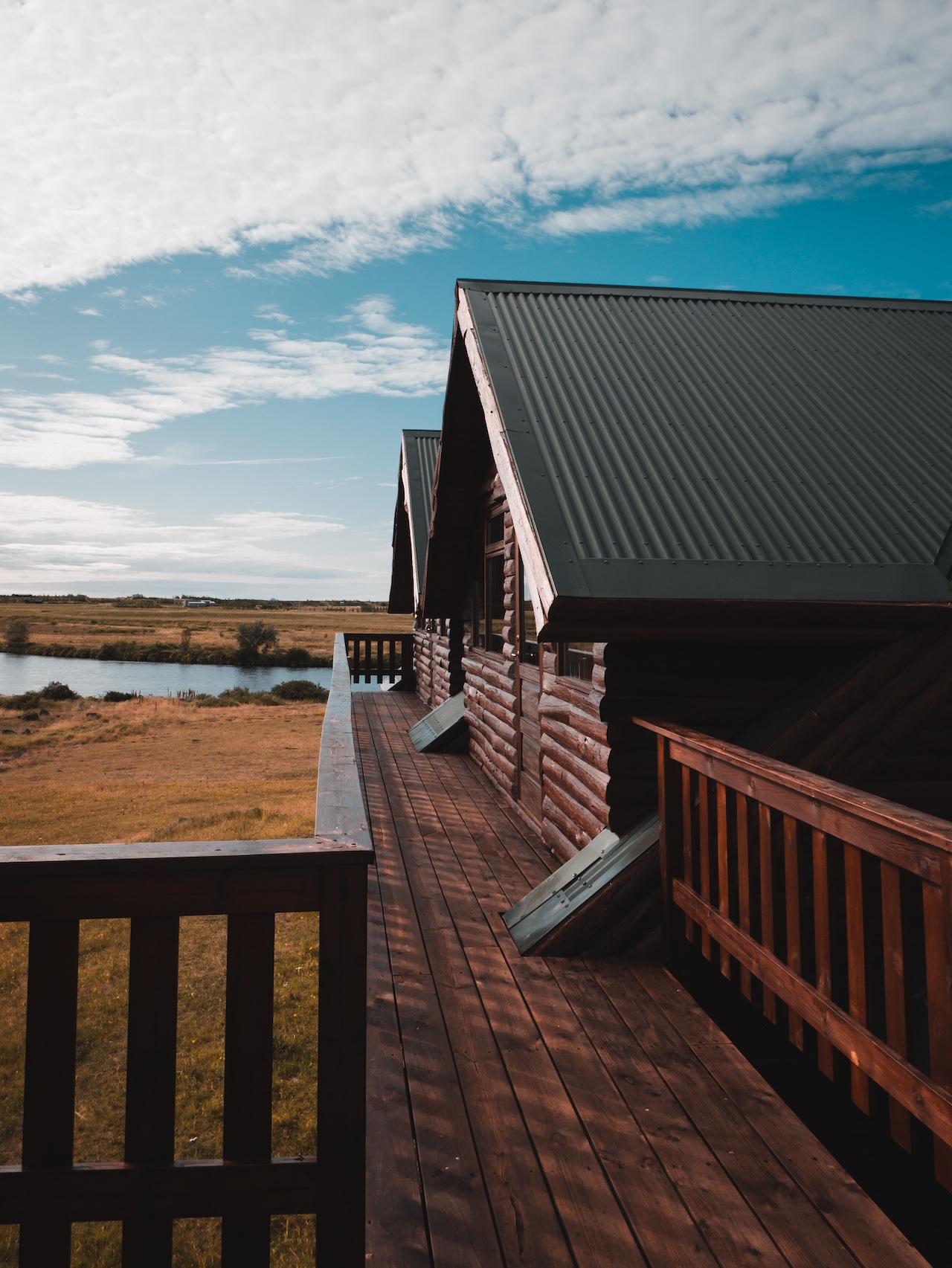
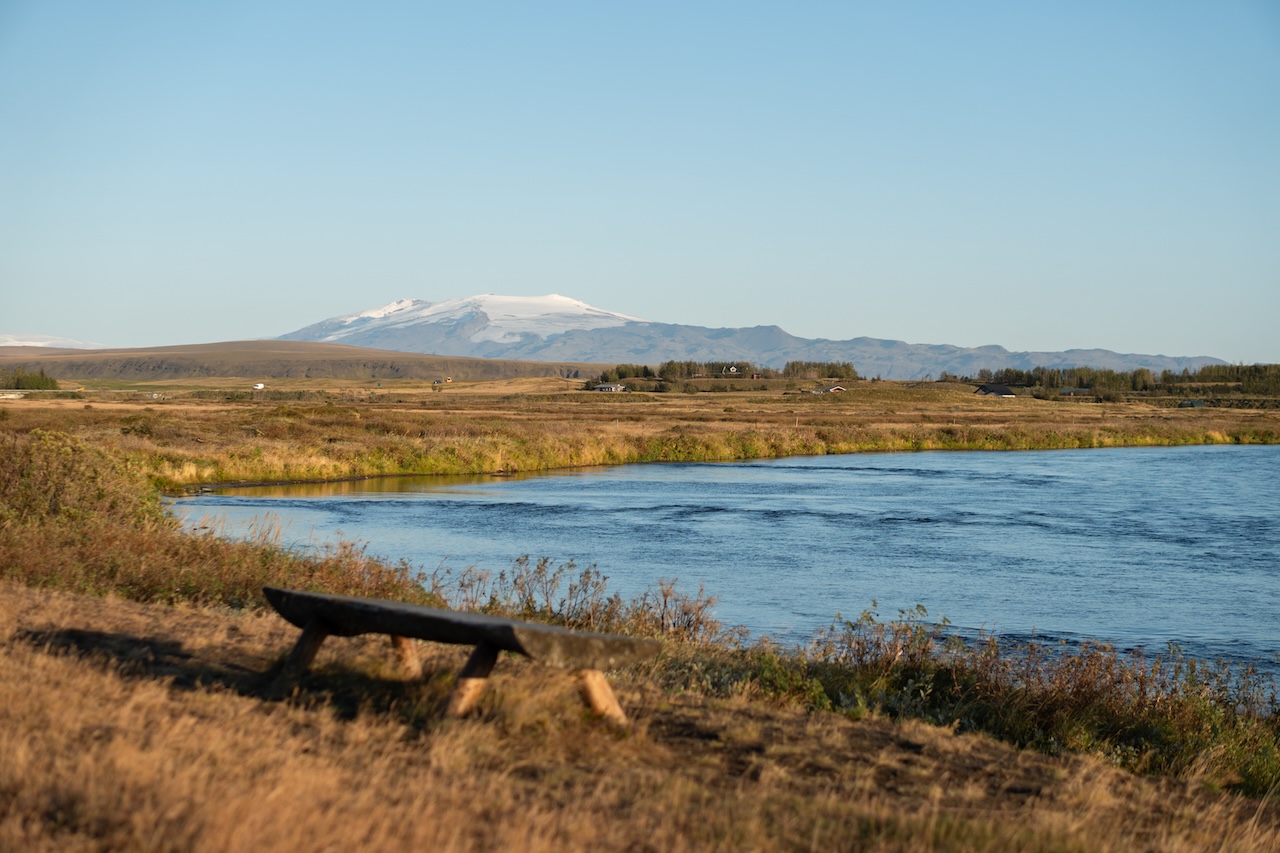
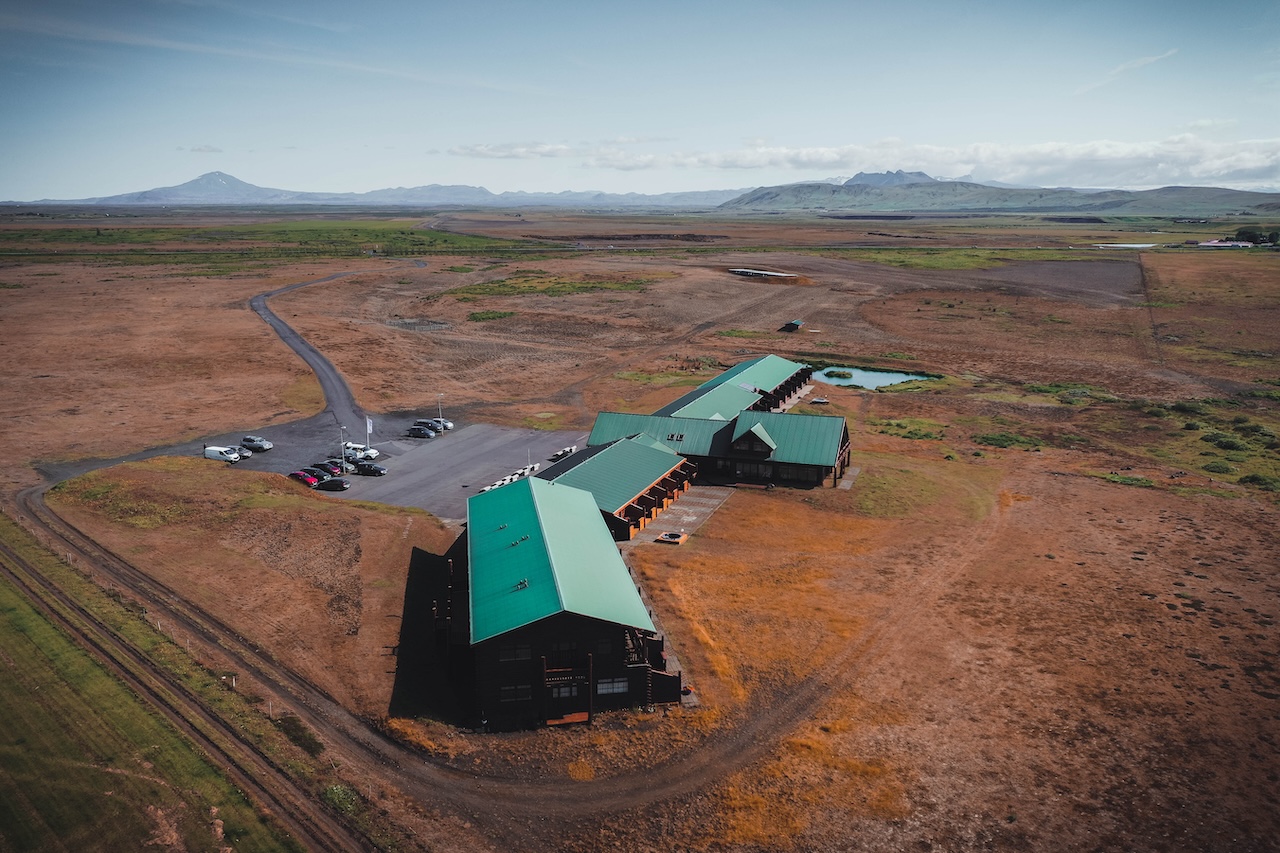
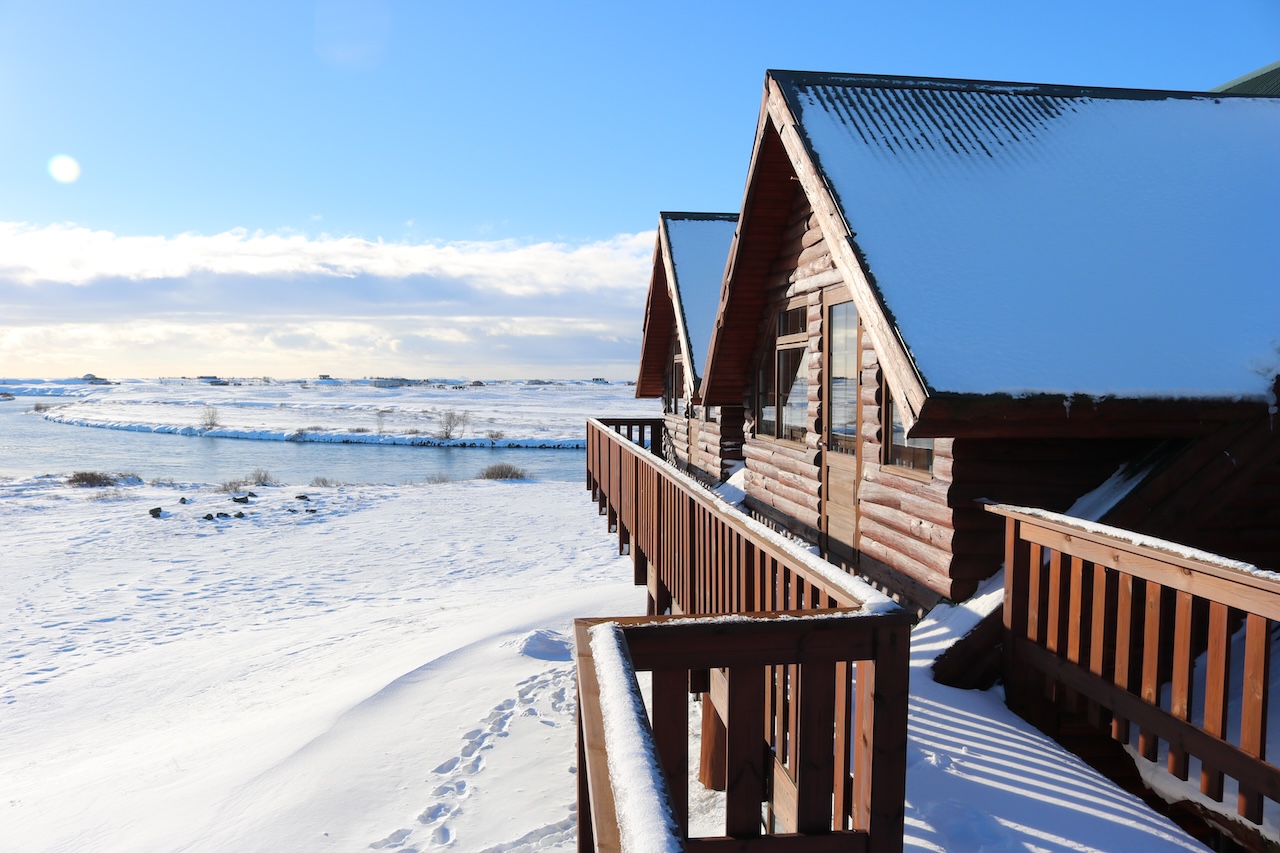
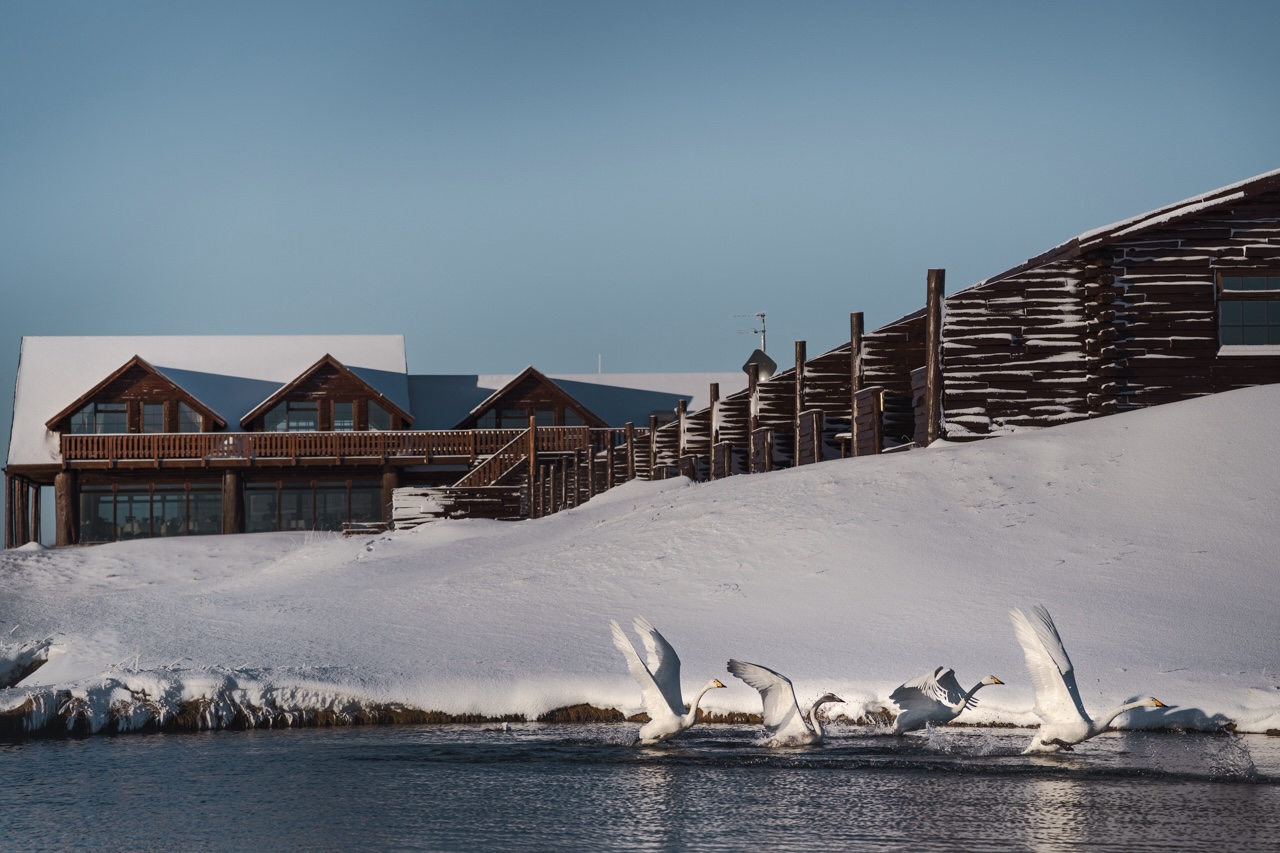
Set along the East Rangá River, with Mount Hekla rising quietly in the distance, the hotel doesn’t try to compete with its surroundings. Instead, it exists within them — grounded, understated, and entirely in tune with the environment that makes it so special. There’s no grand, over-the-top arrival moment. No excessive flash. And that’s exactly what makes it feel luxurious.
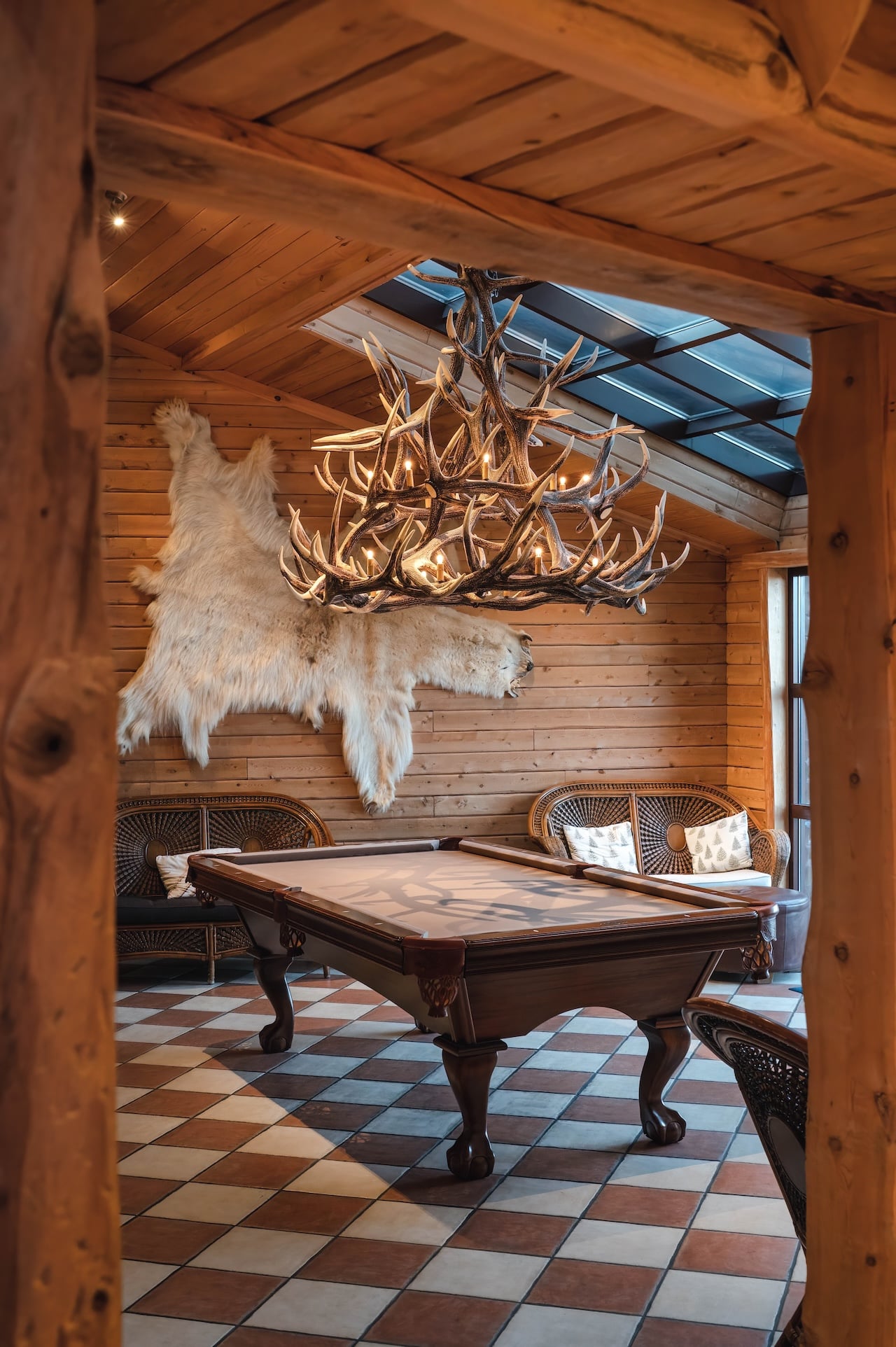
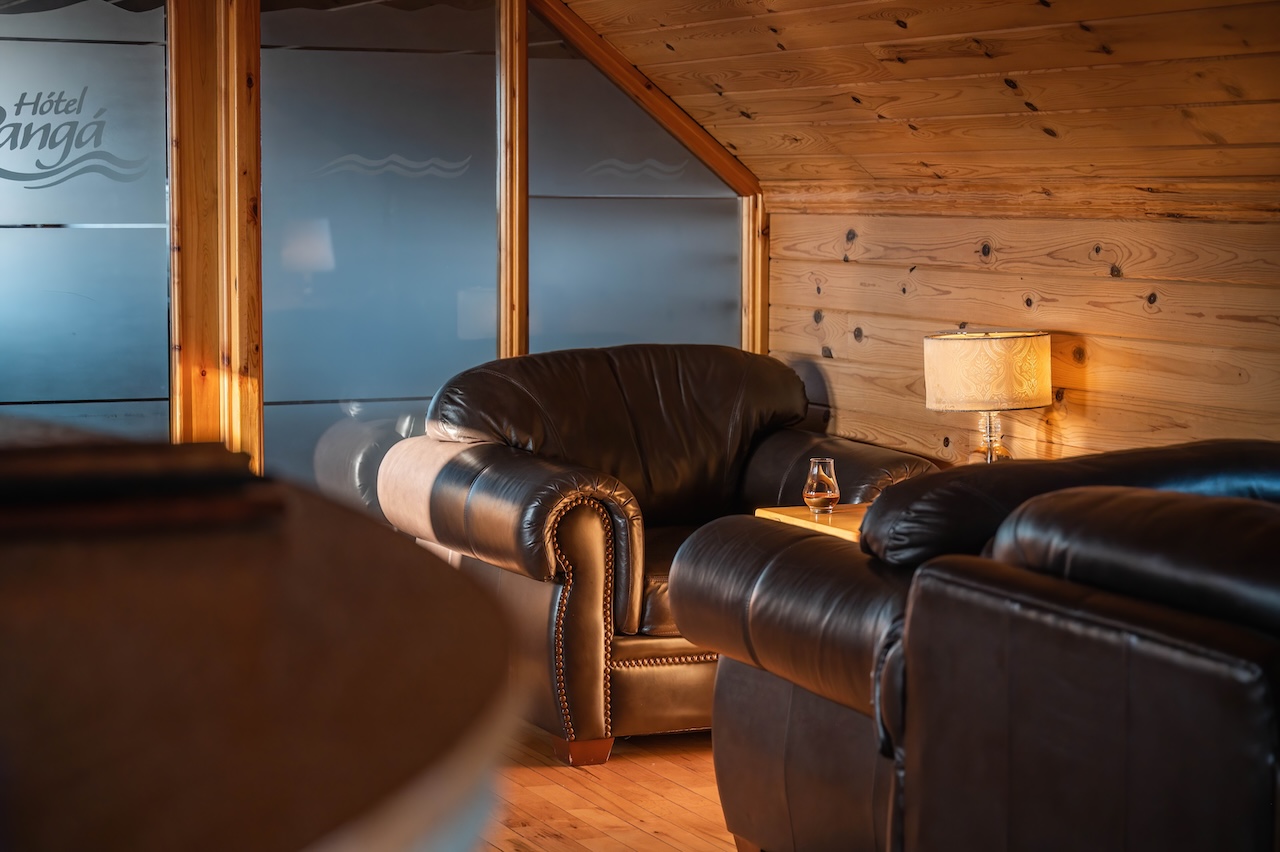
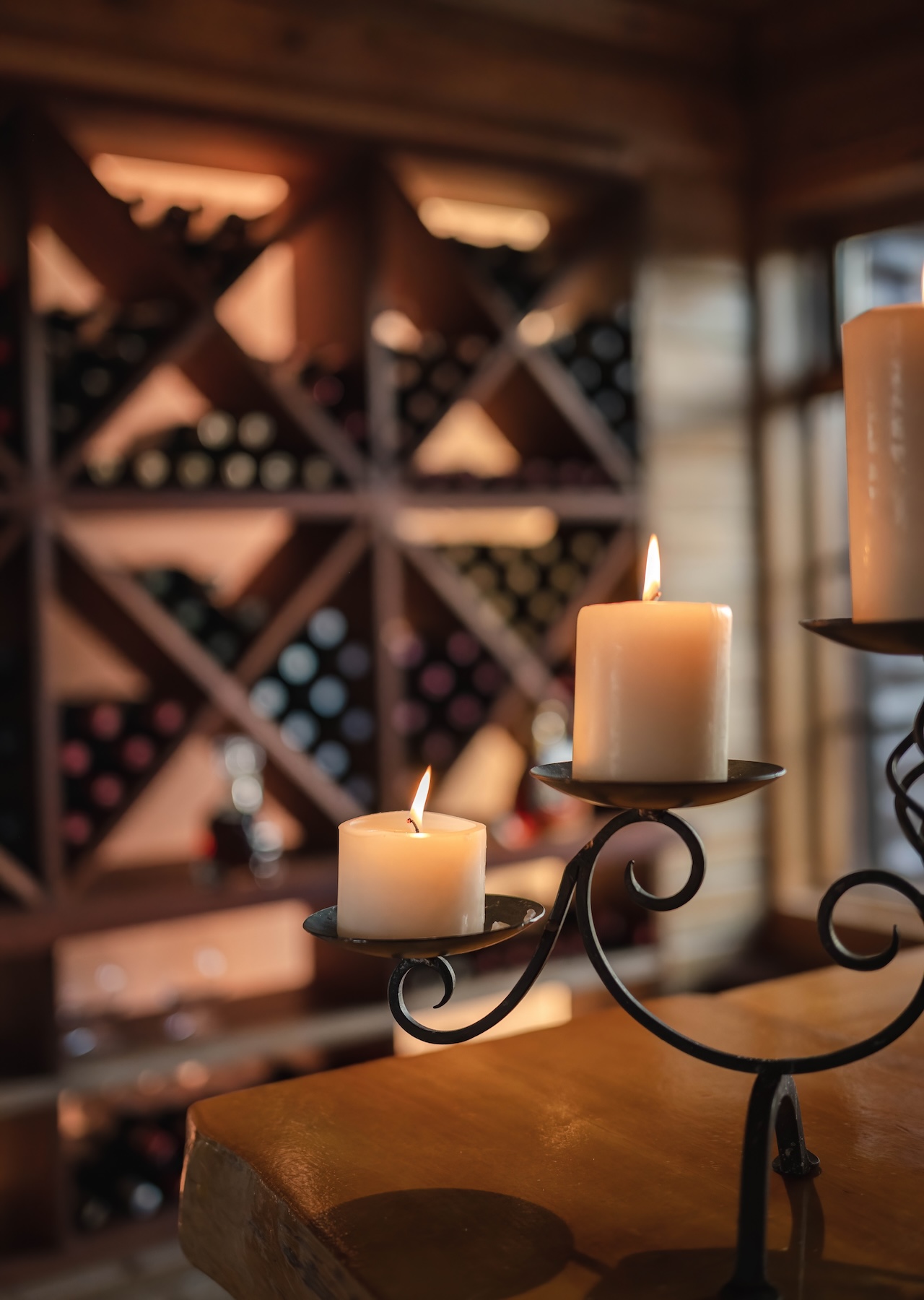
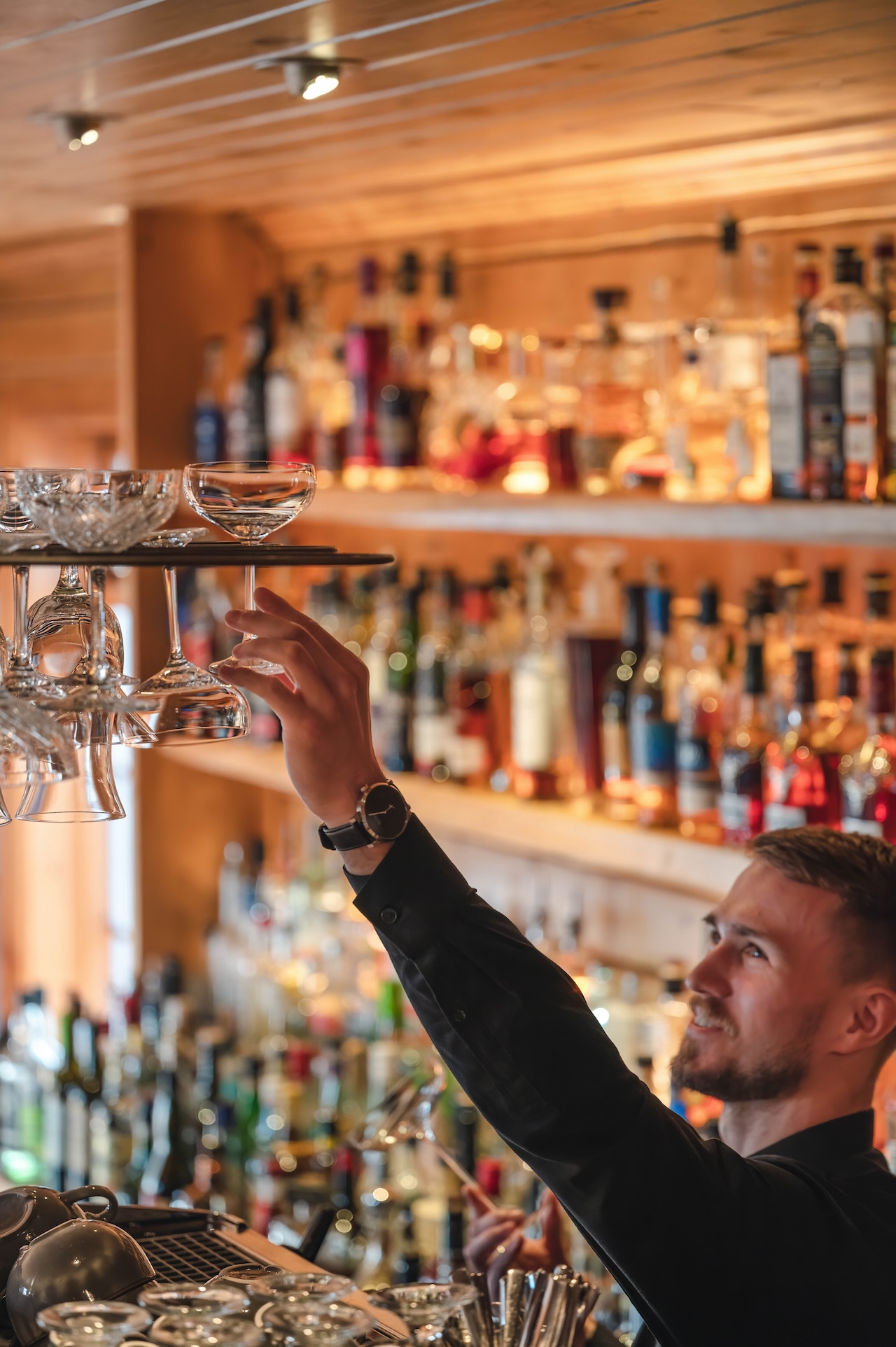
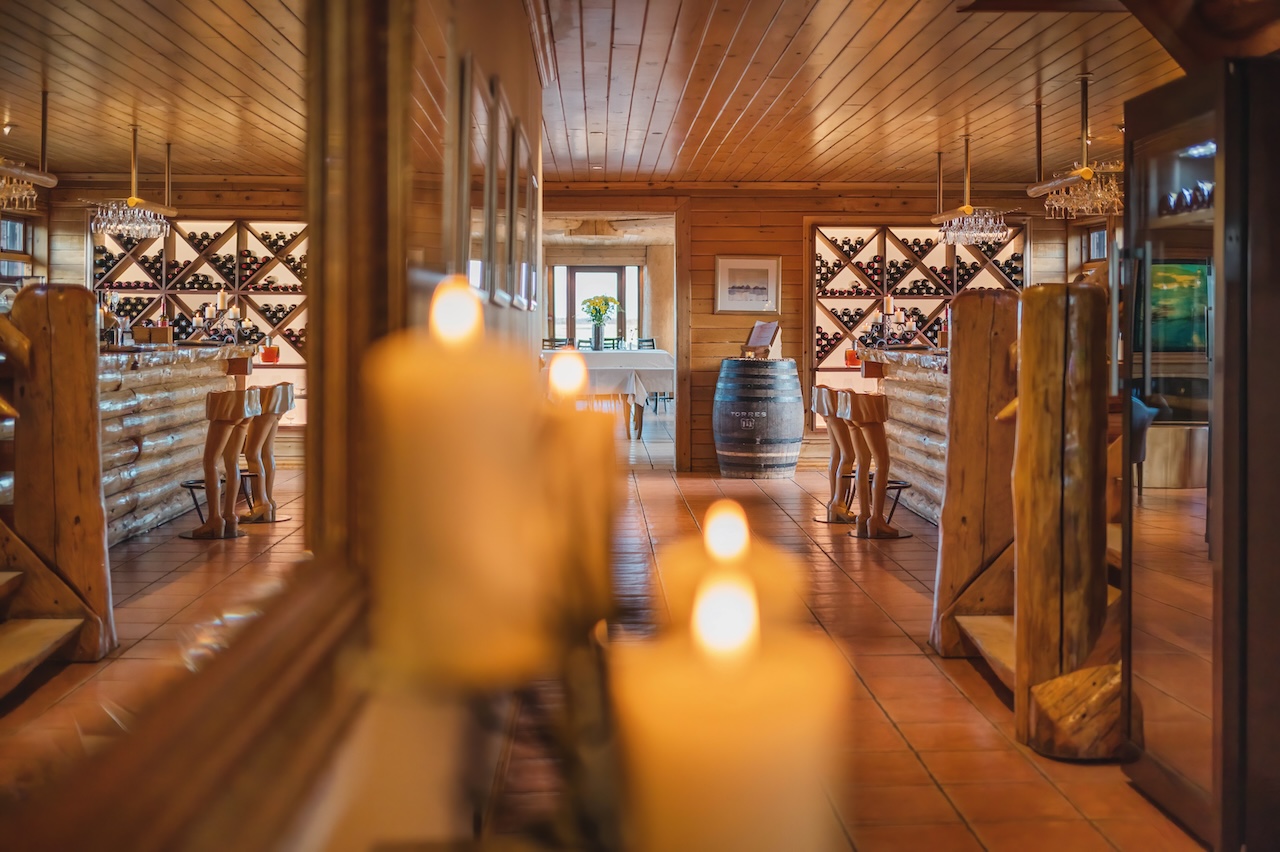
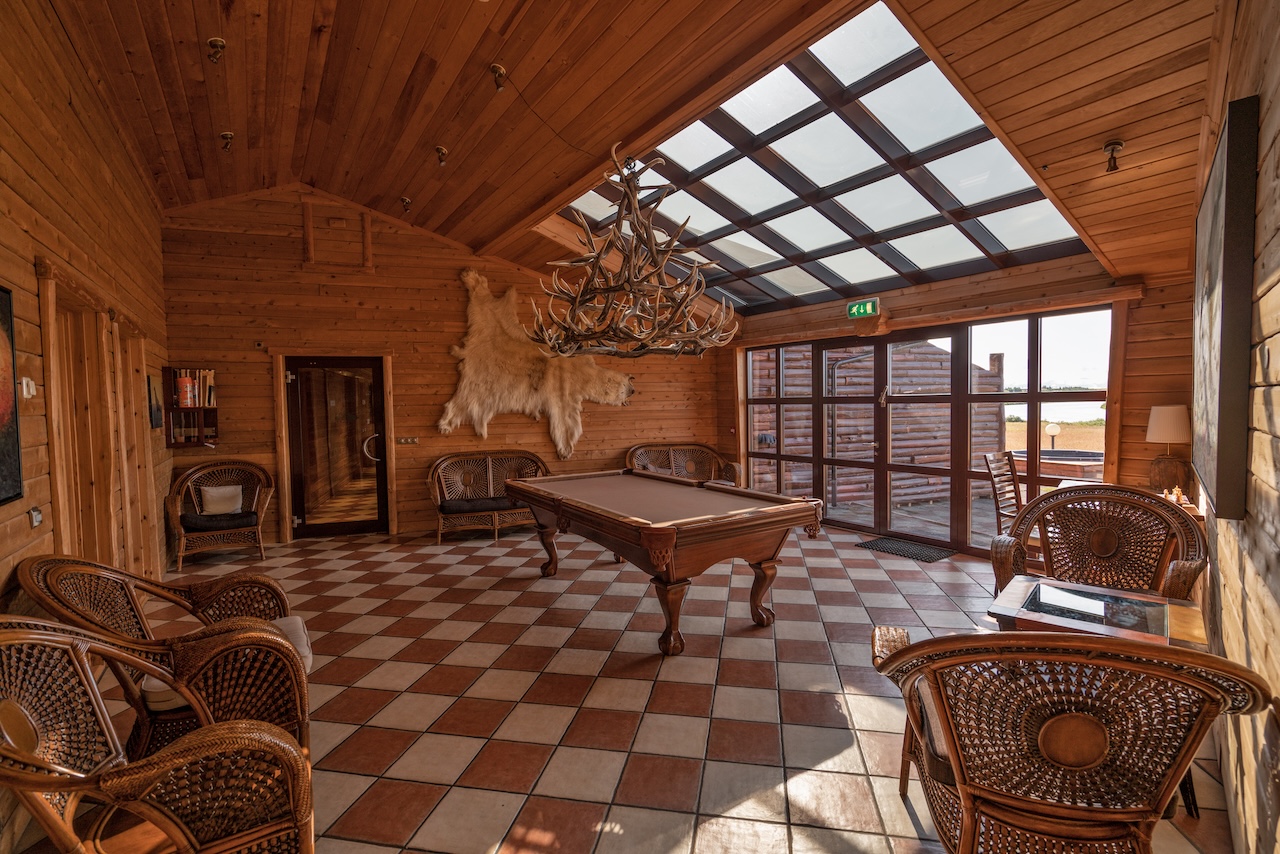
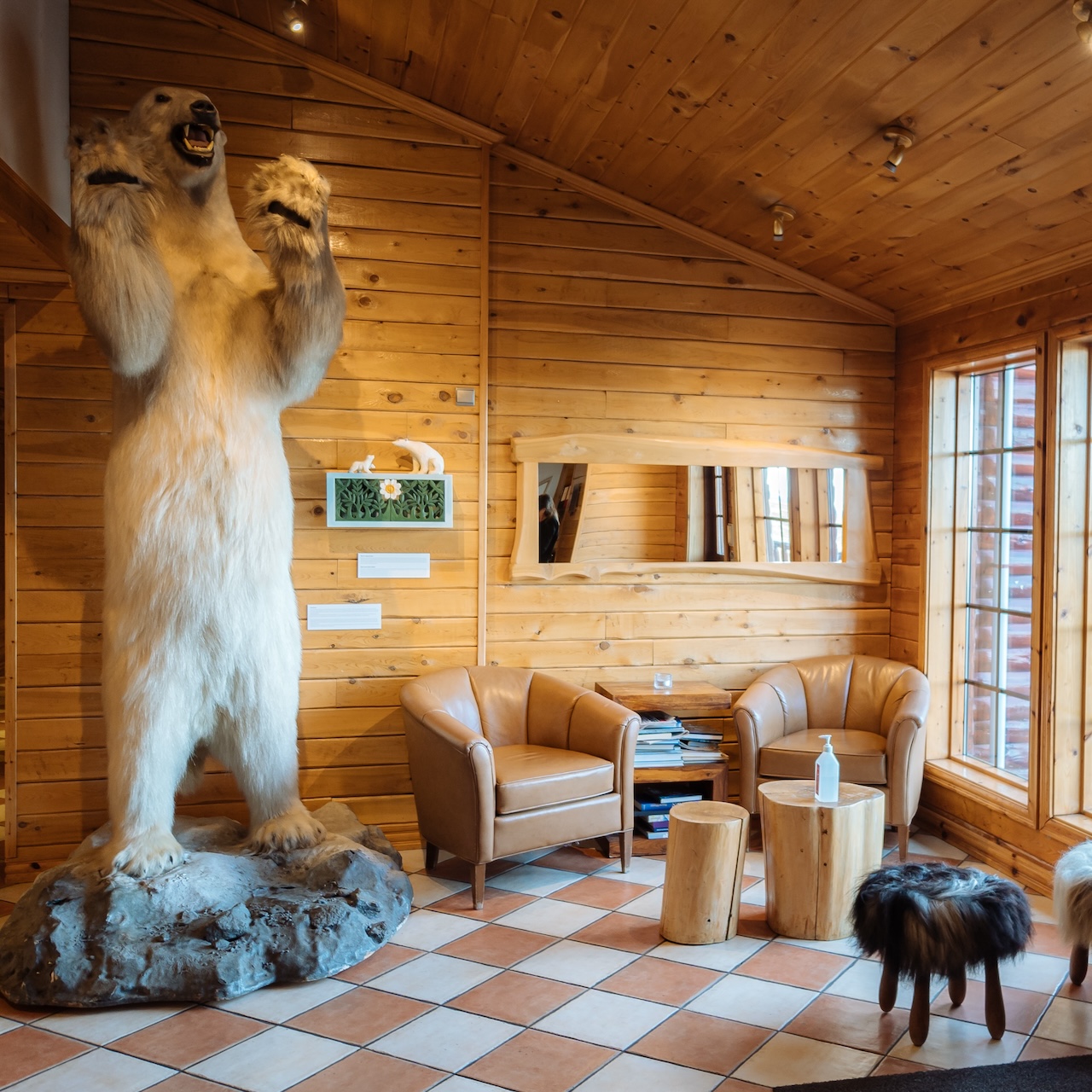
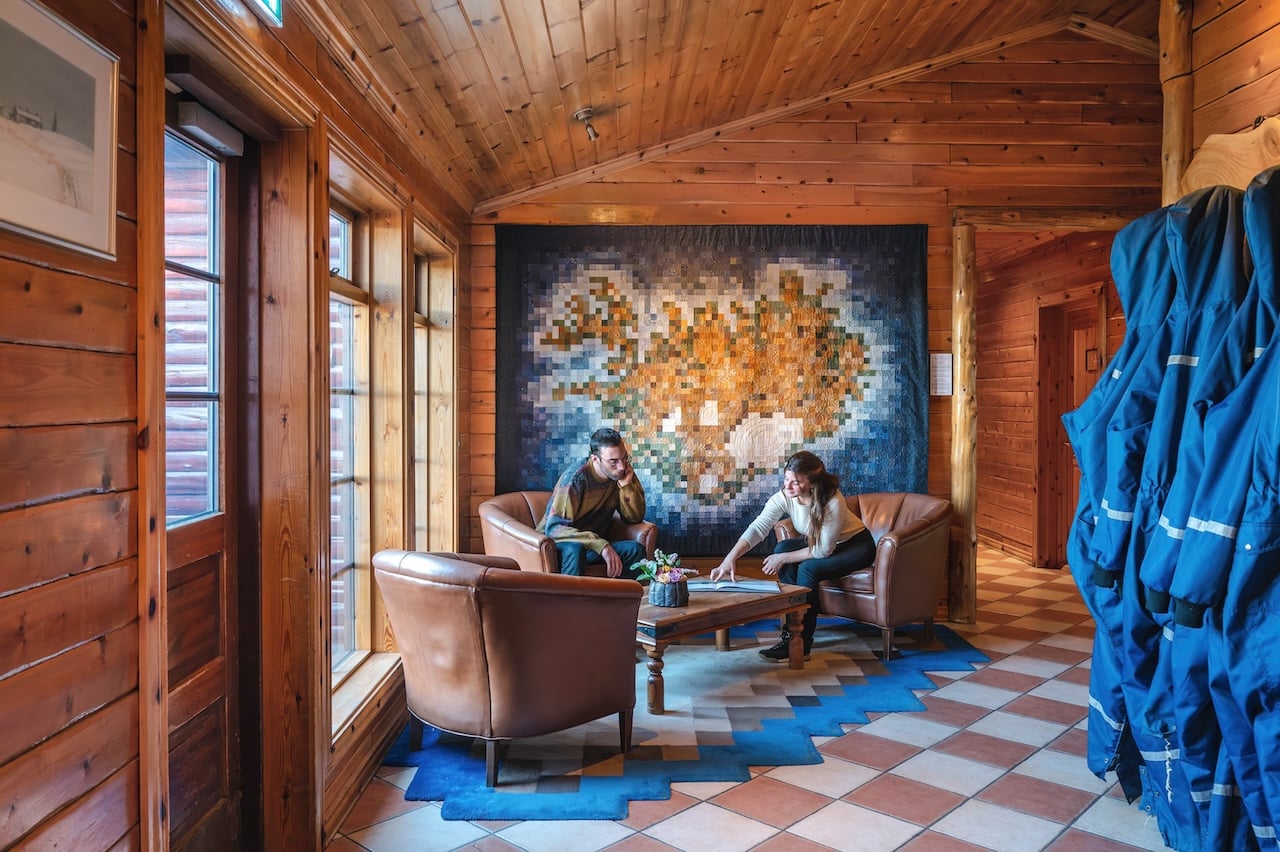
Walking inside, the shift is immediate but subtle. Warmth replaces the cold air, the scent of wood lingers faintly in the space, and the lighting softens everything. It feels intimate — almost residential — as though you’ve arrived somewhere that has been lived in, cared for, and thoughtfully built over time. That sense of personality is everywhere. The interiors aren’t uniform or overly polished; they’re layered with character. Art, textures, objects, and small details feel collected rather than curated, giving the space a lived-in warmth that you don’t often find in more design-forward luxury properties. Each corner uncovers a new spot you’ll never want to leave — from slow mornings sipping coffee in a sunroom filled with board games to afternoons spent in a leather lounger-turned cozy reading nook.
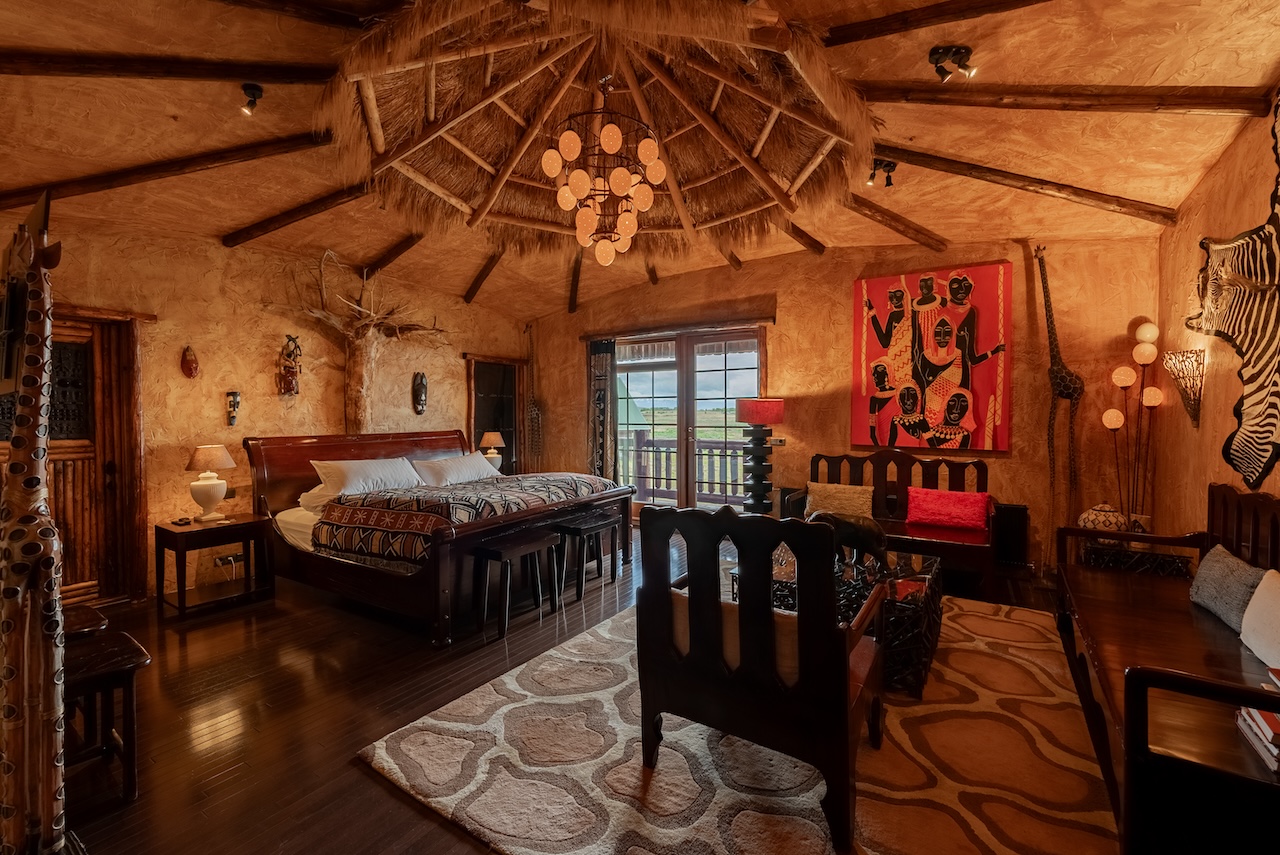
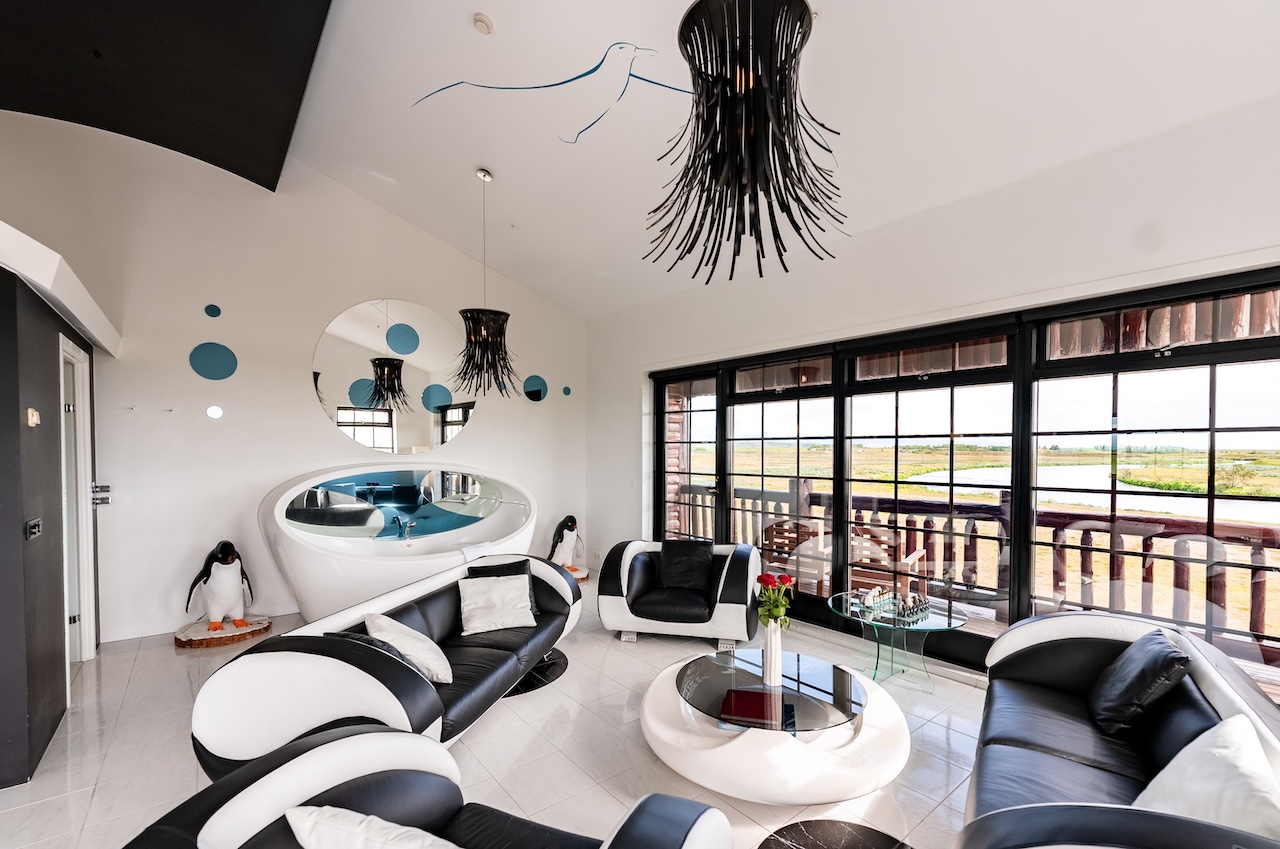
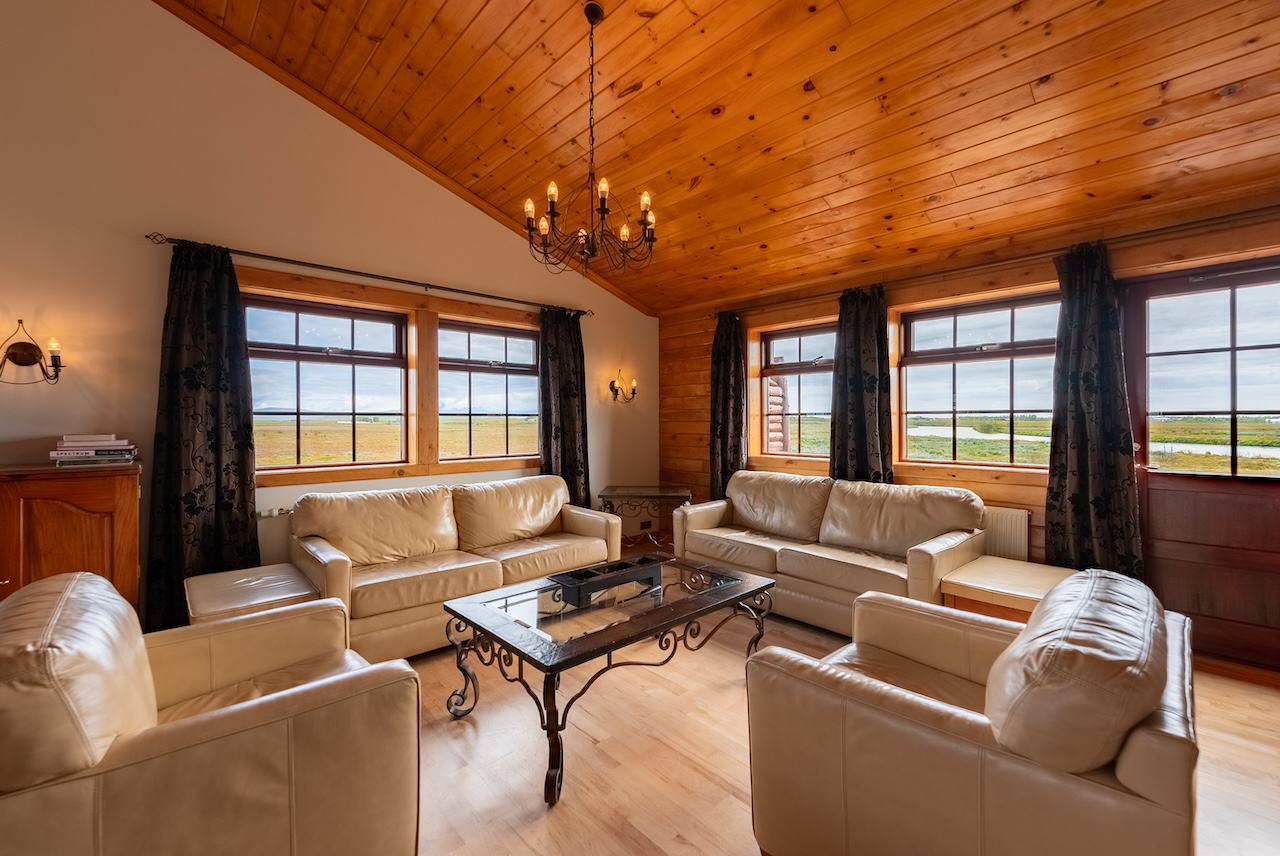
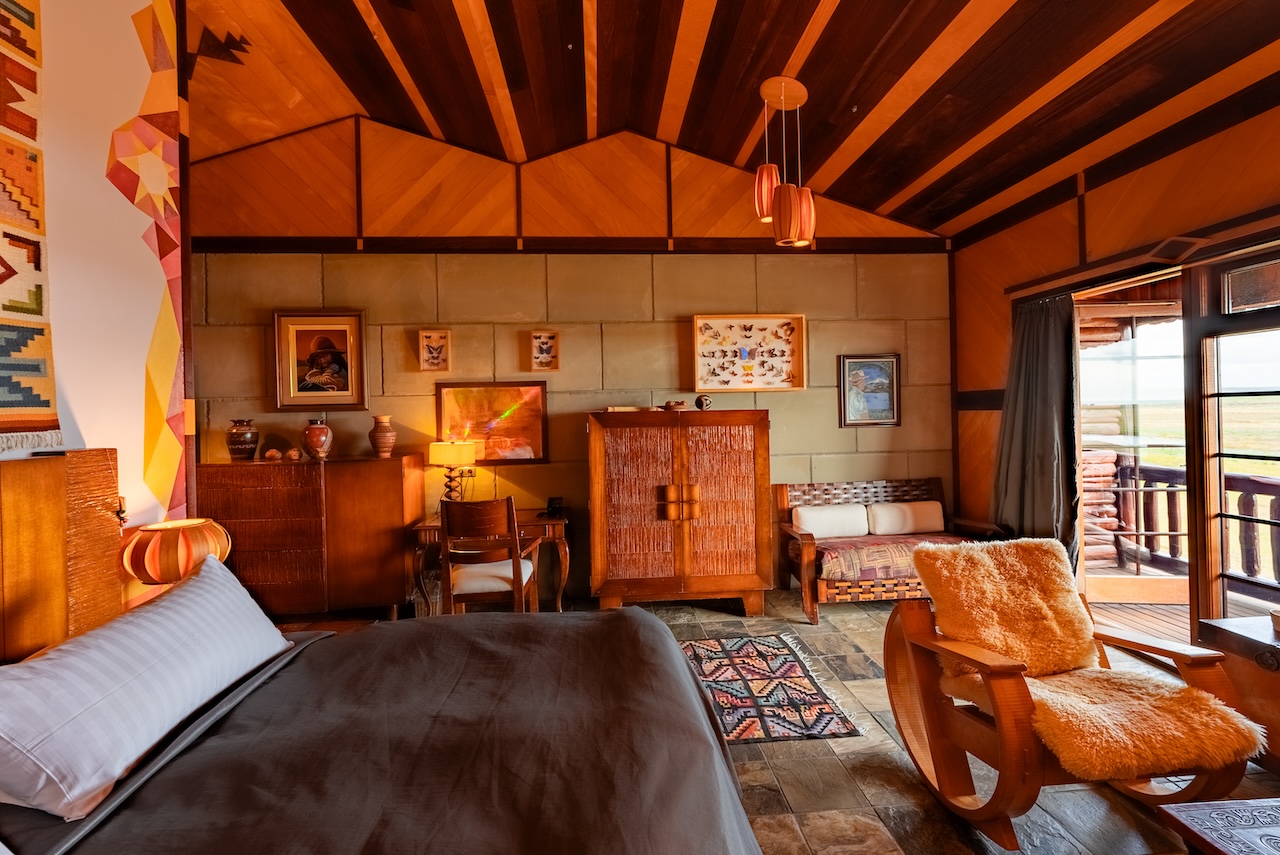
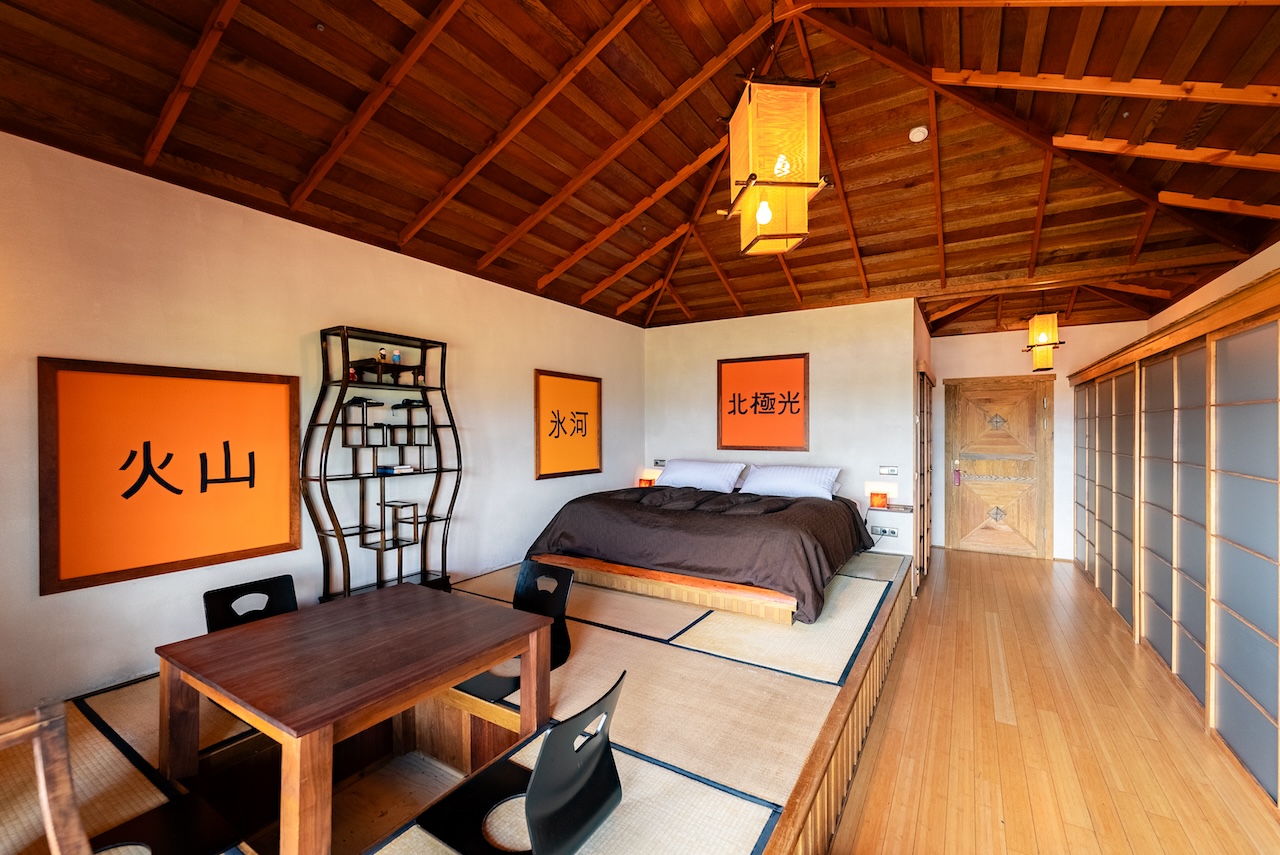
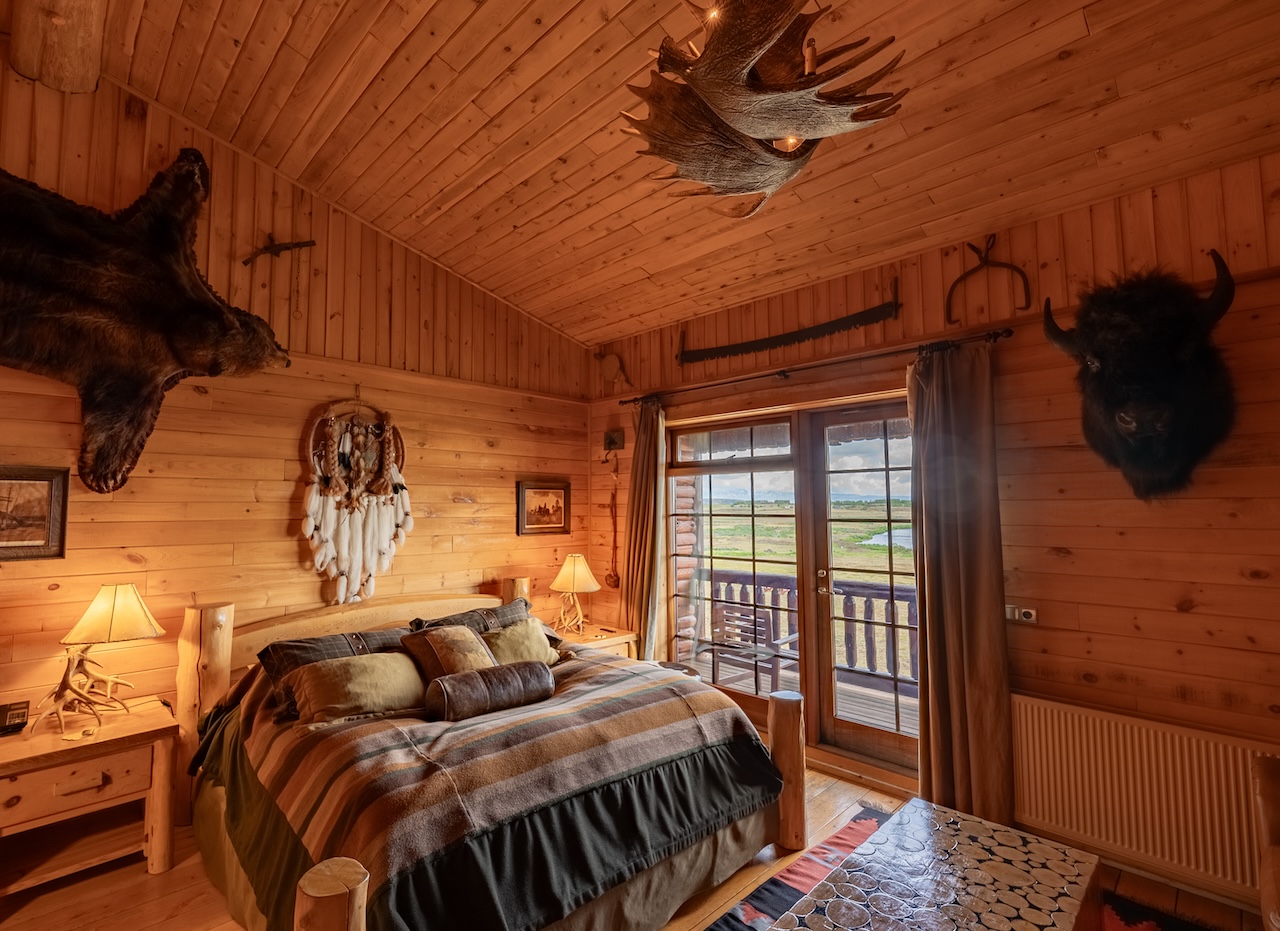
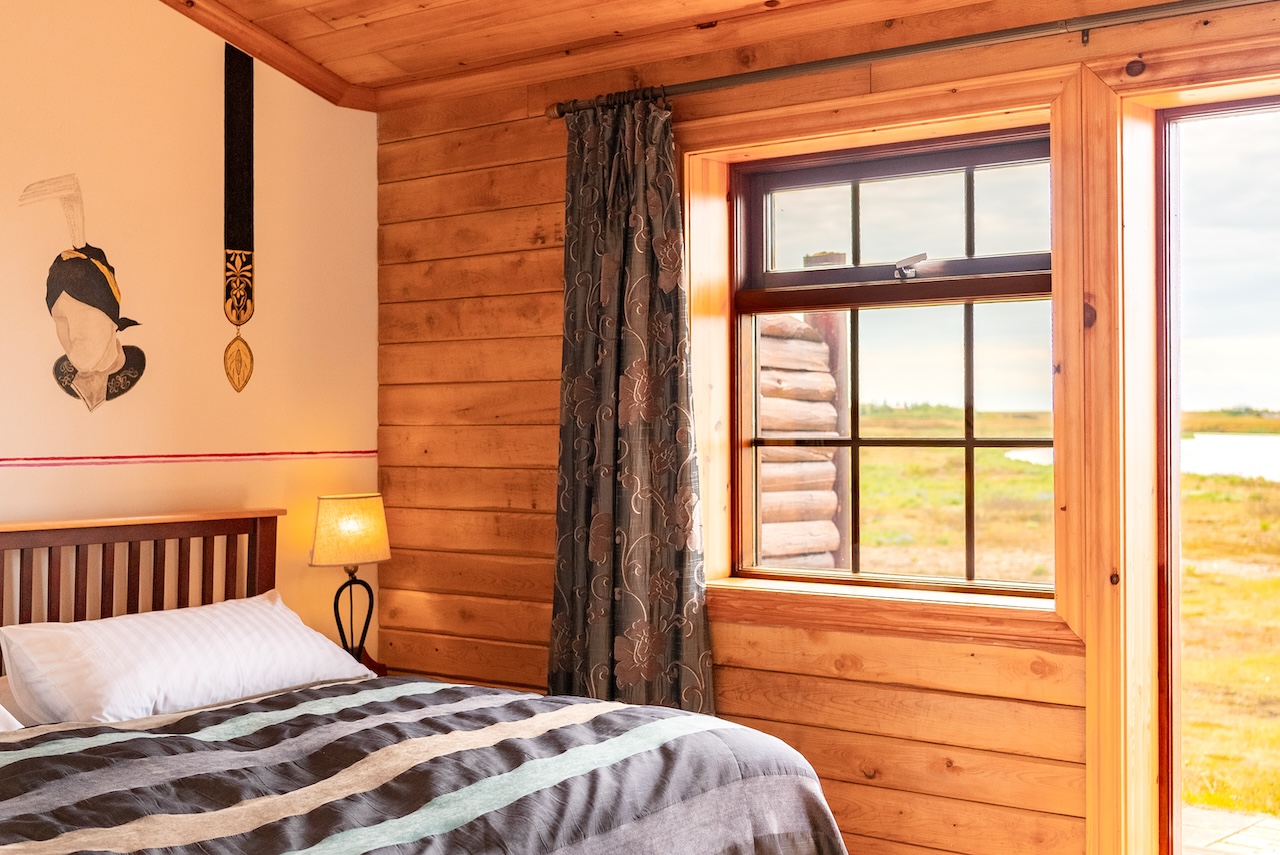
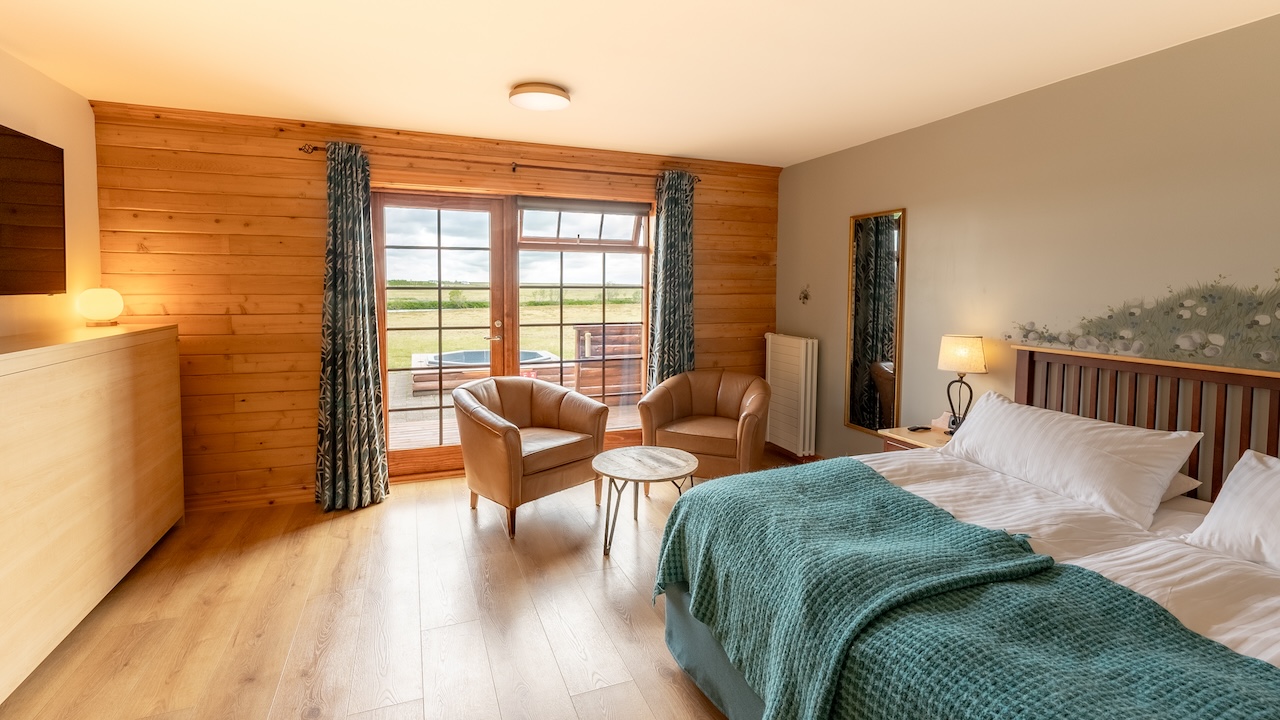
Even the suites tell stories. The hotel’s continent-themed rooms — each inspired by a different part of the world — add an unexpected layer of personality, but still feel grounded in Icelandic craftsmanship. It’s a balance that could easily feel gimmicky elsewhere, but here, it works.
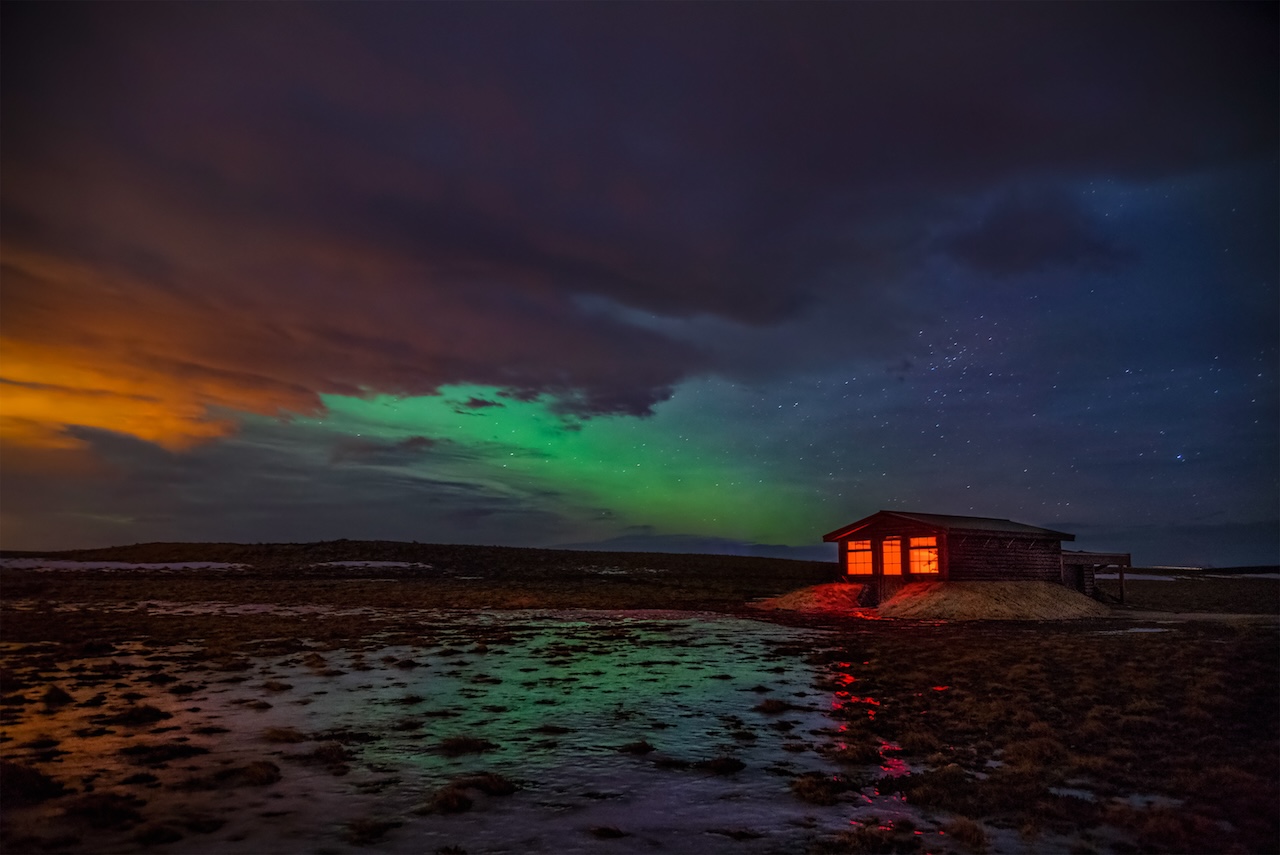
In my own room, what stood out most wasn’t just the comfort — though it was undeniably cozy — but the way the space framed the outside world. The windows and door directly leading outside felt deliberately intentional, almost like quiet invitations to keep looking outward. At night, that became even more pronounced. There’s something about being in a place where the sky feels so close, so unobstructed, that it almost becomes part of the room itself. And those moments outside the room stay with you. Geothermal hot tubs steam against the cold air, offering a contrast that feels uniquely Icelandic. And above it all, the sky remains the focal point, whether filled with stars or waiting in quiet anticipation. It’s in those moments that you begin to understand why this place exists exactly where it does.
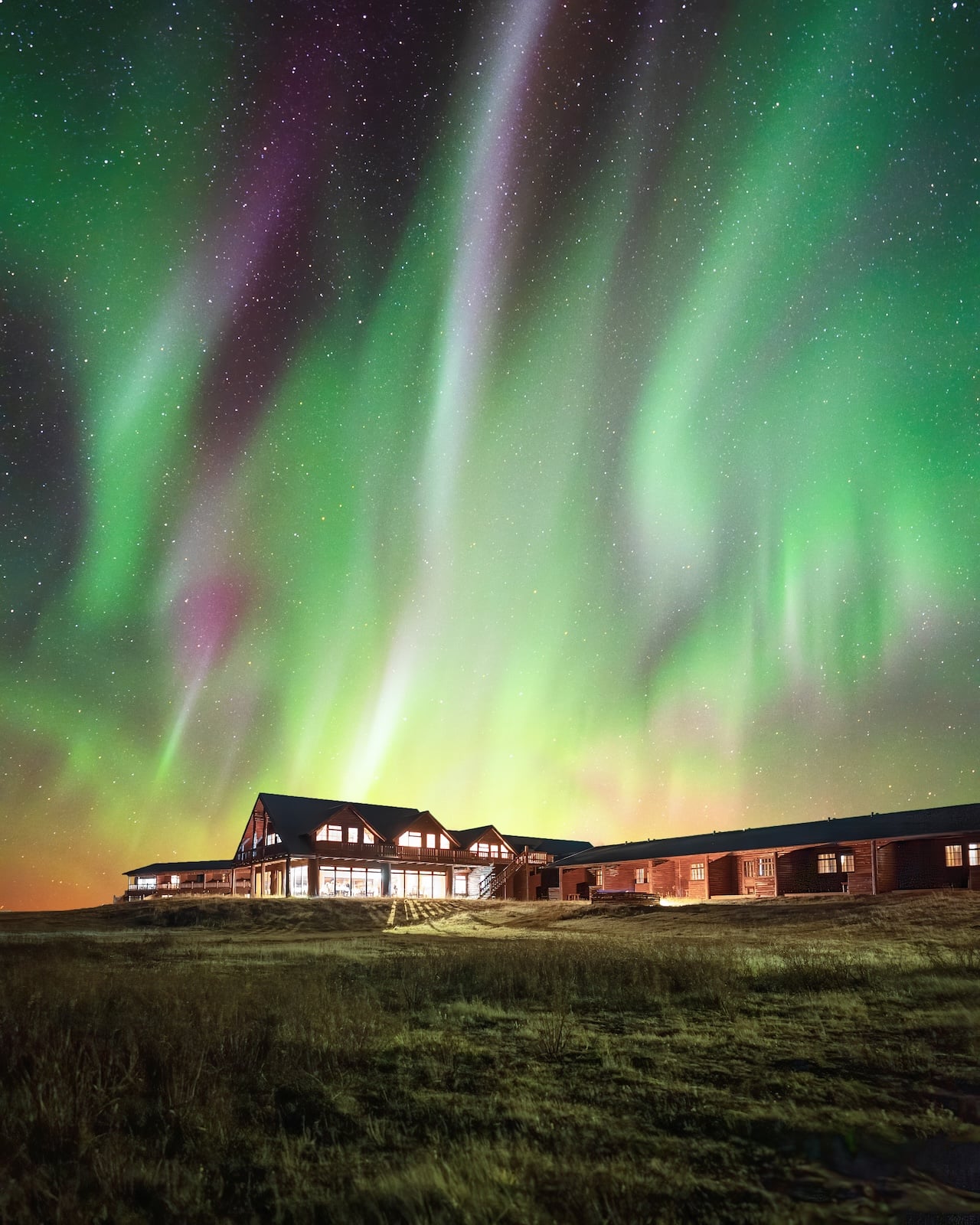
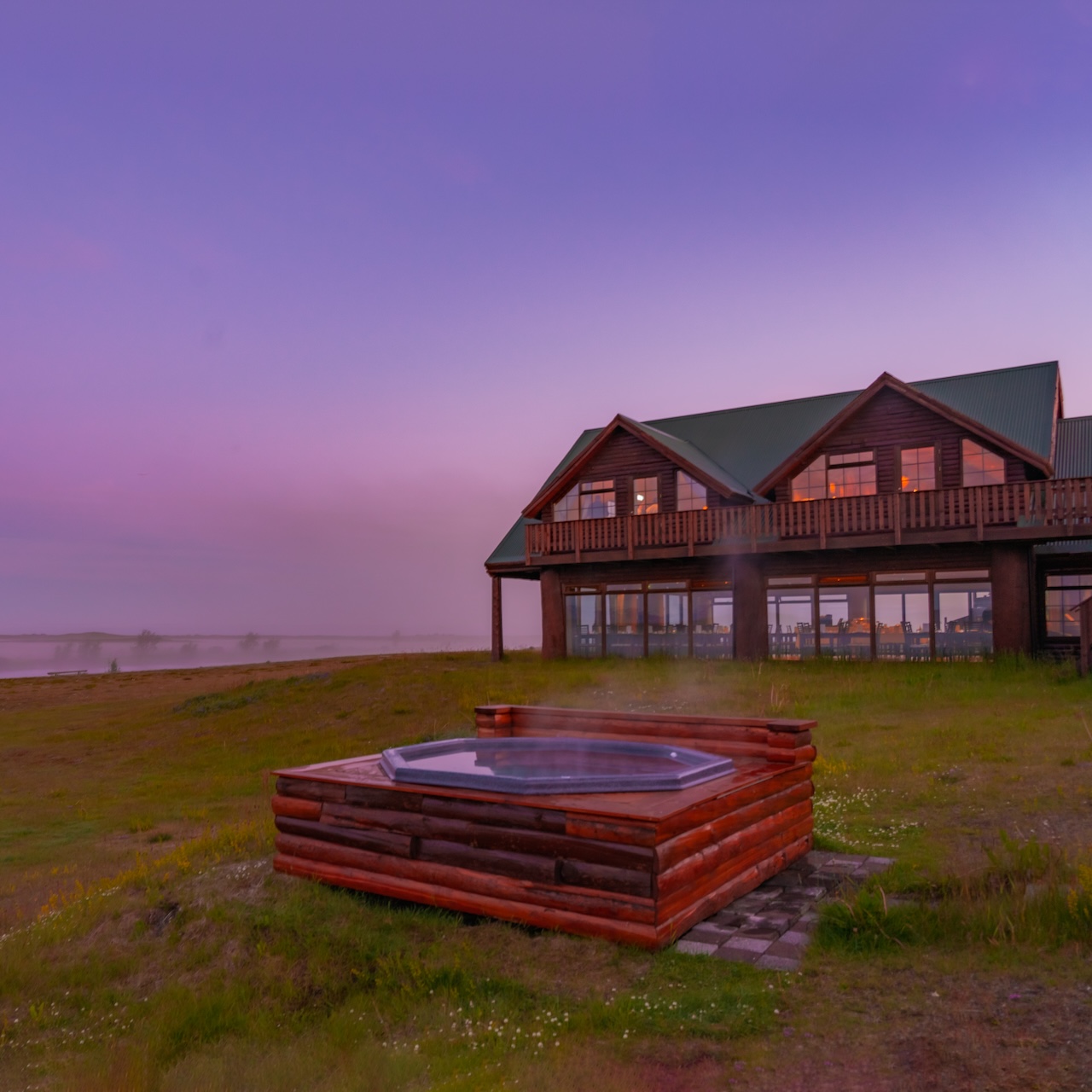
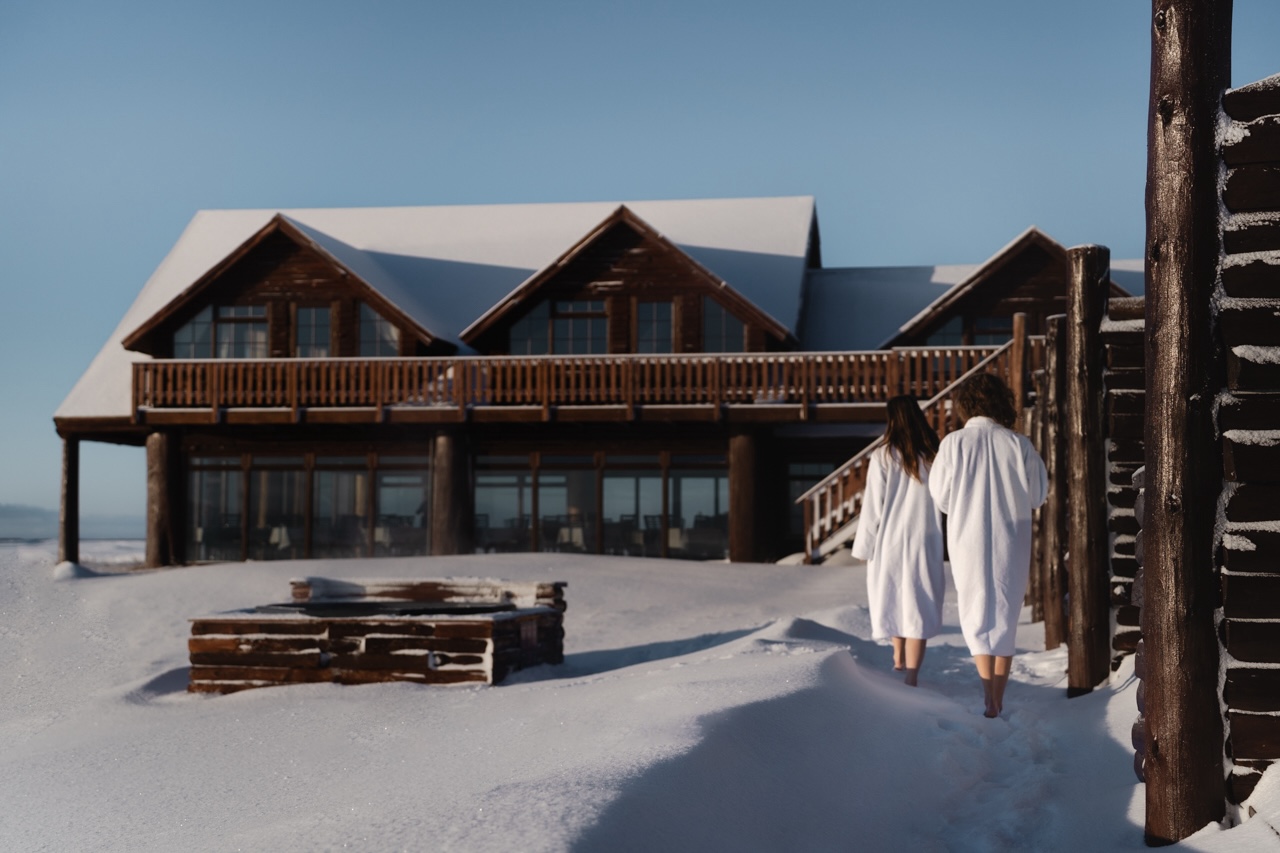
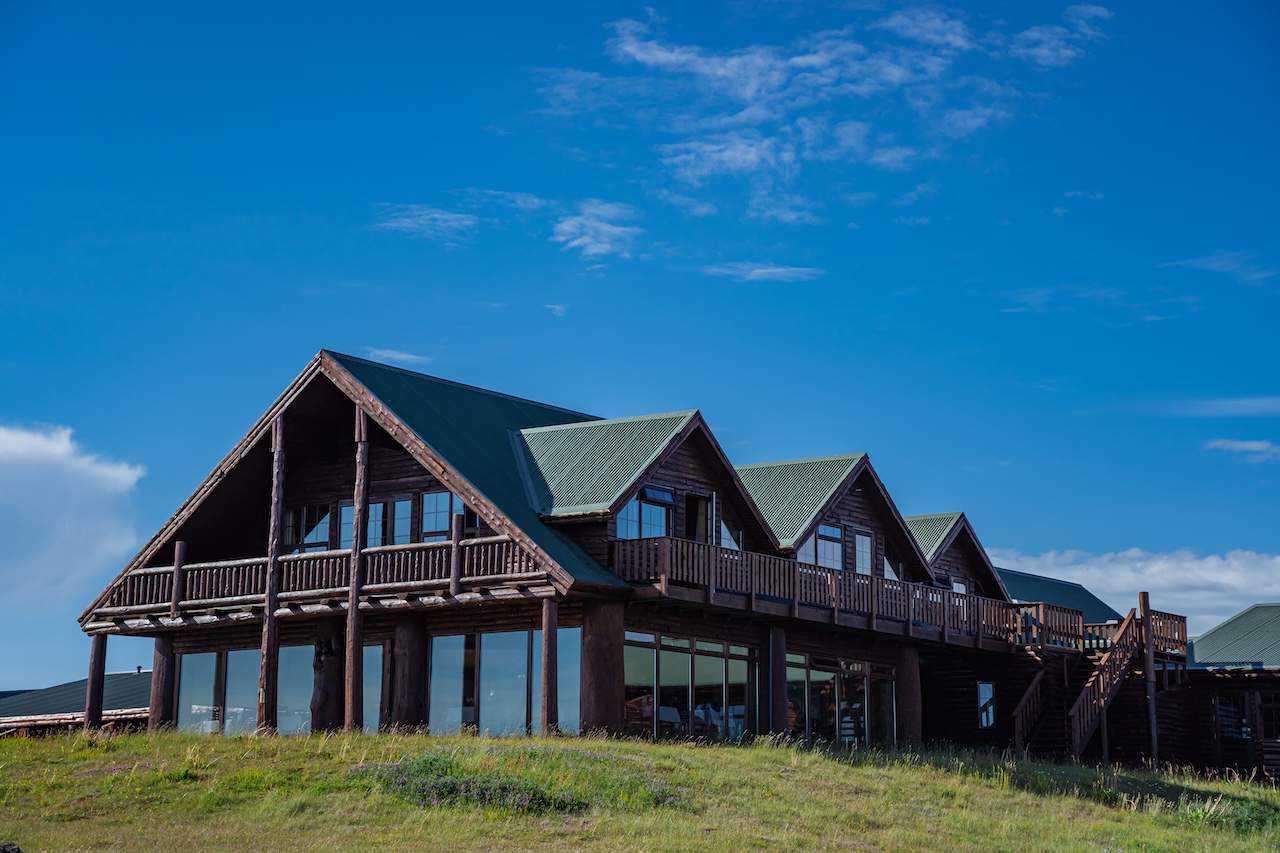
The hotel’s remote location isn’t just a feature — it’s the entire point. With virtually no light pollution, the conditions for viewing the Northern Lights are as close to ideal as you can get. And yet, what makes Rangá stand out is how seamlessly that opportunity is built into the experience without ever feeling forced. There’s a quiet understanding that the aurora may or may not appear. And instead of building pressure around that, the hotel creates an environment where, if it does, you’re already exactly where you need to be. That philosophy carries through even in the smallest details.
The hotel offers Northern Lights wake-up calls — a small but meaningful detail that reflects how deeply the aurora is integrated into the stay. The idea is simple: if the aurora appears in the middle of the night, the hotel will call your room so you don’t miss it. It sounds like a small thing. But in reality, it changes everything. You’re able to fully relax into the experience — trusting that if the moment comes, you’ll be part of it. That kind of thoughtfulness — quiet, intuitive, and entirely guest-focused — is what defines the service at Hotel Rangá. It’s never intrusive. Never overdone. But always present.
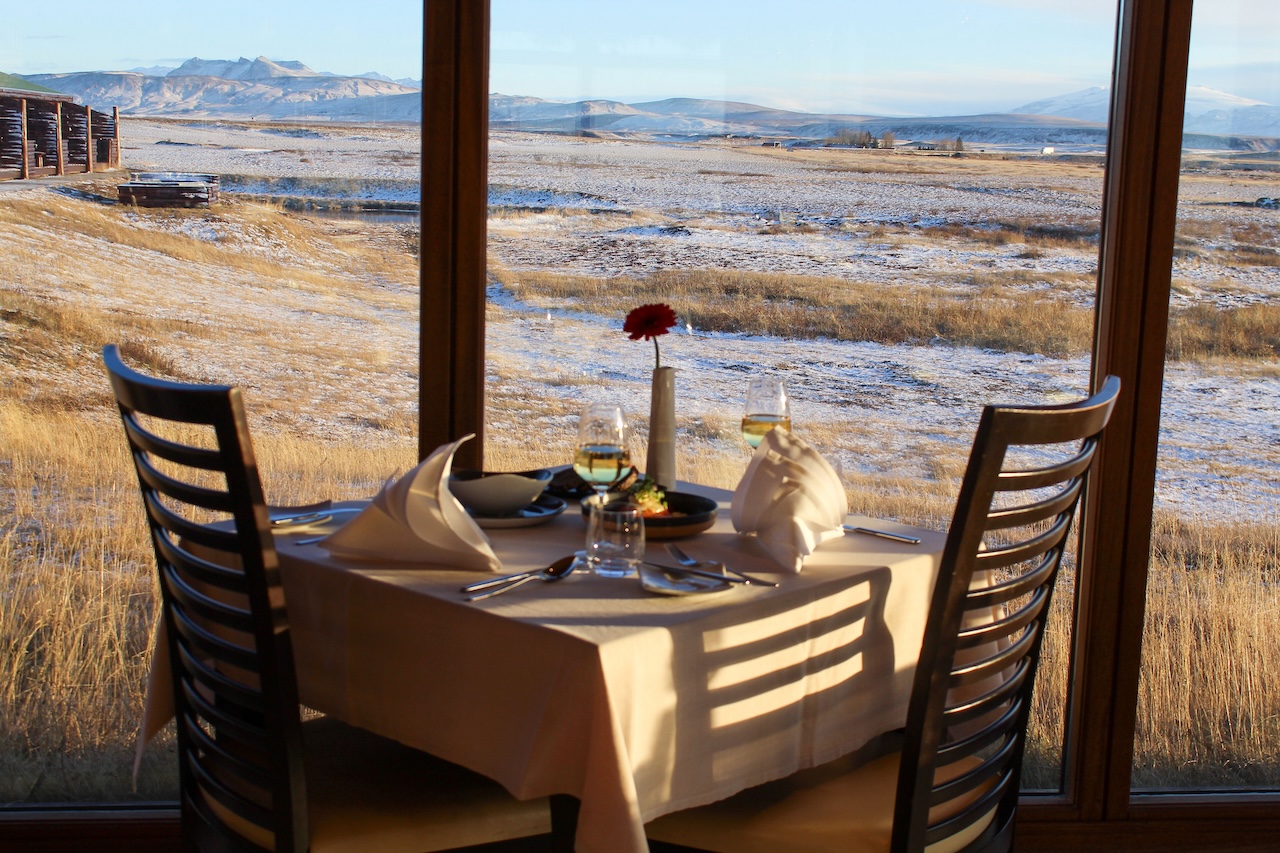
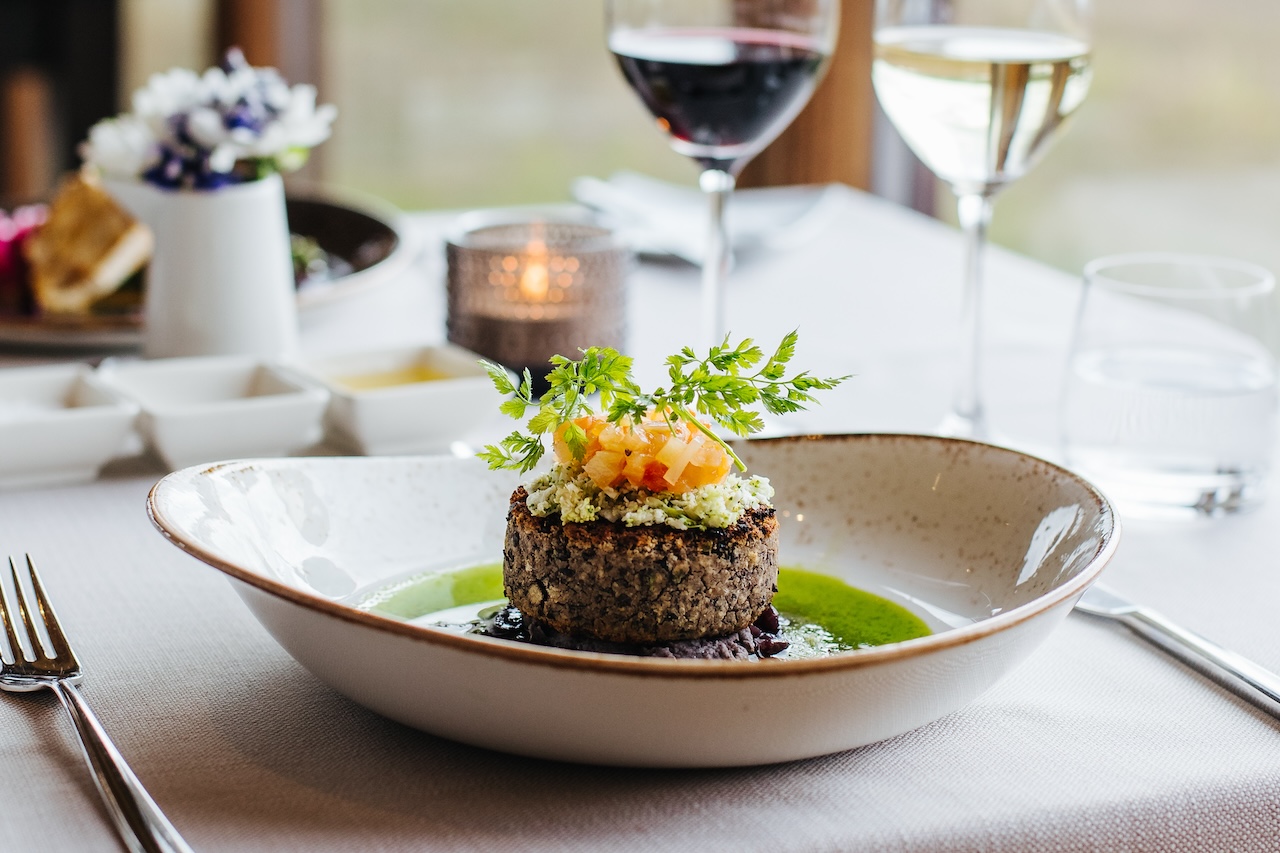
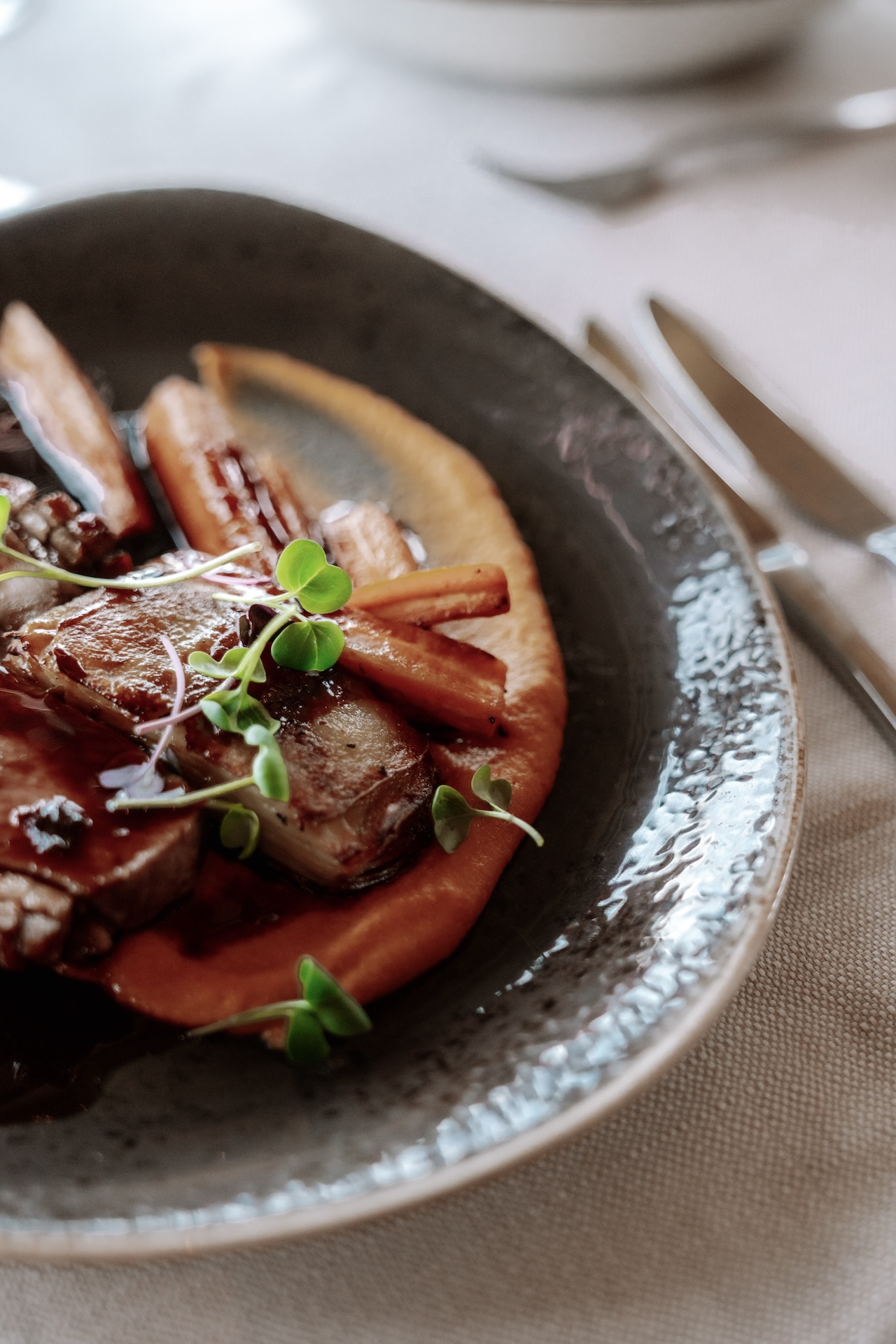
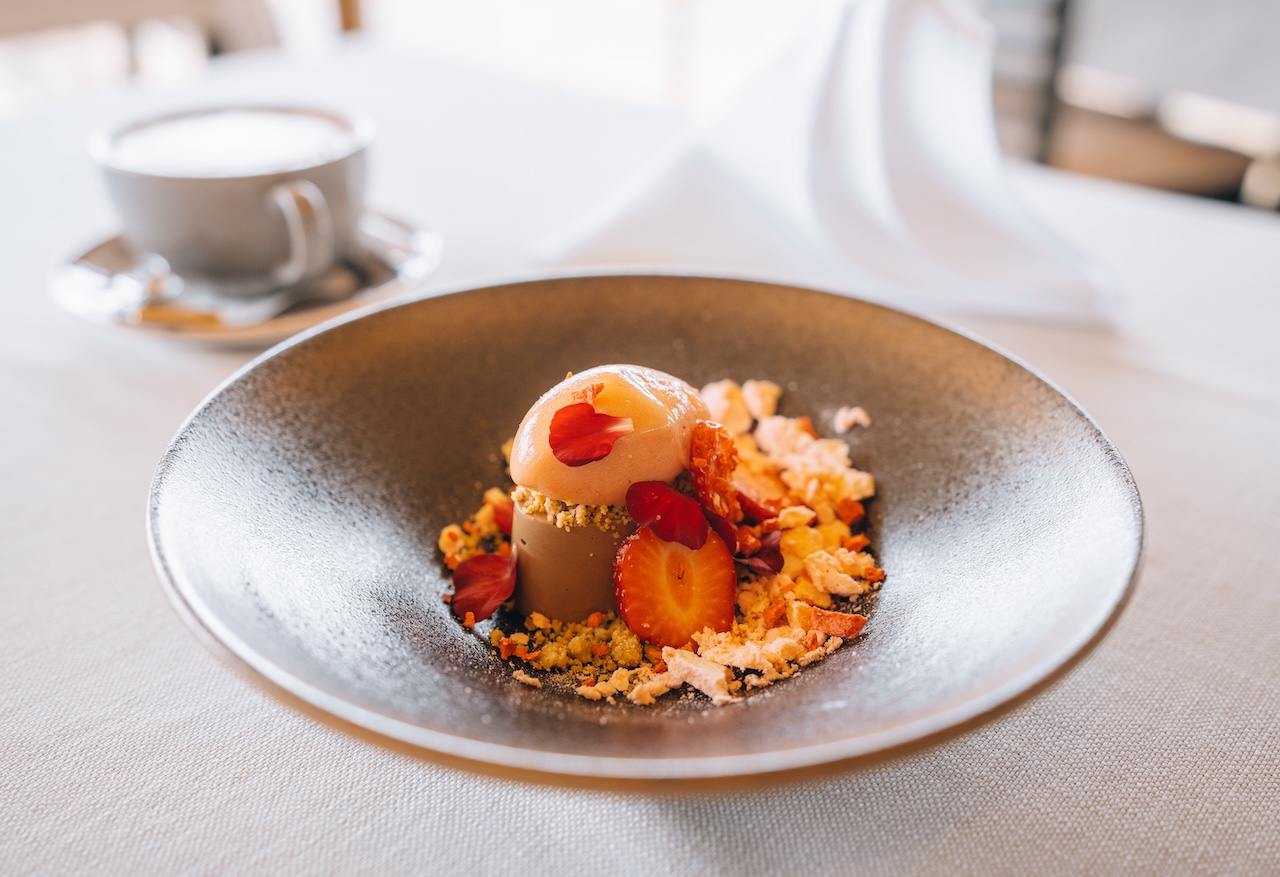
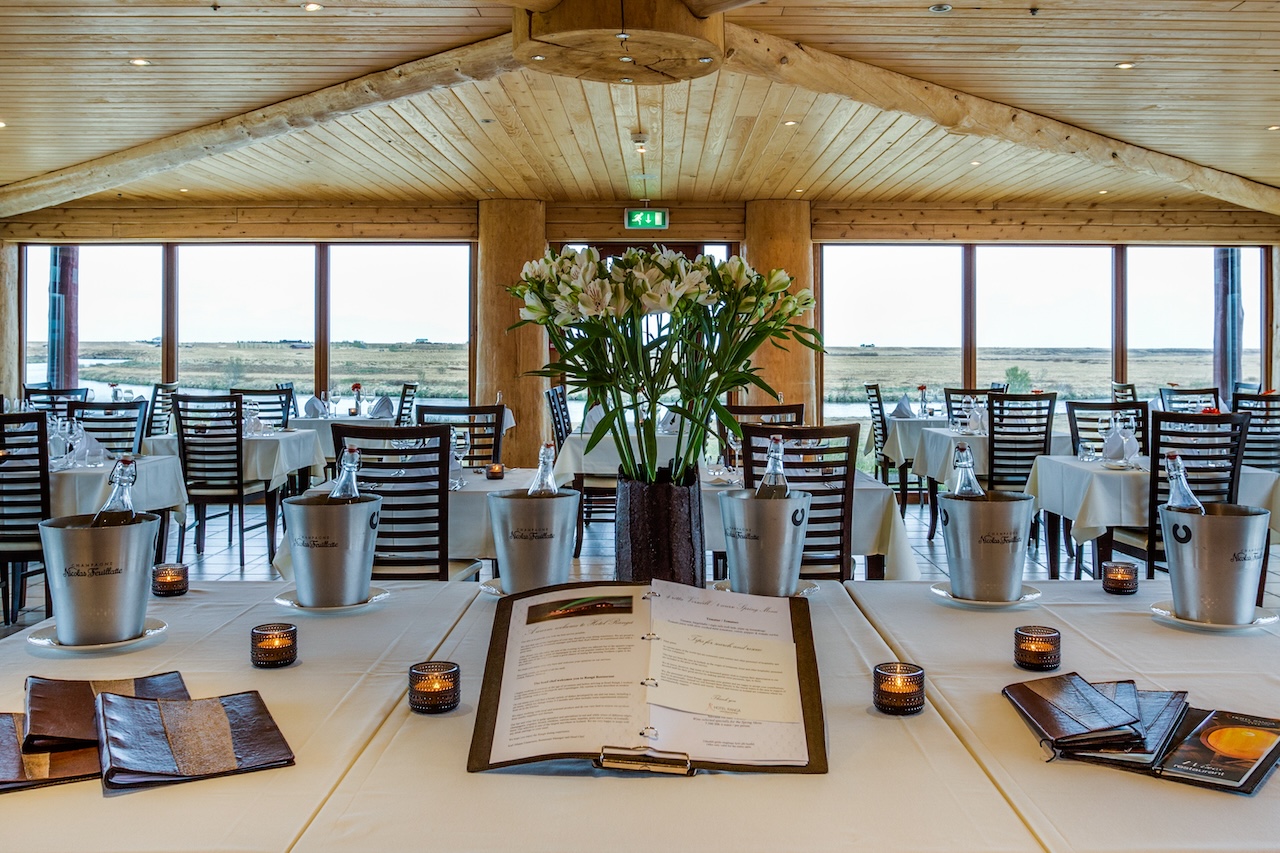
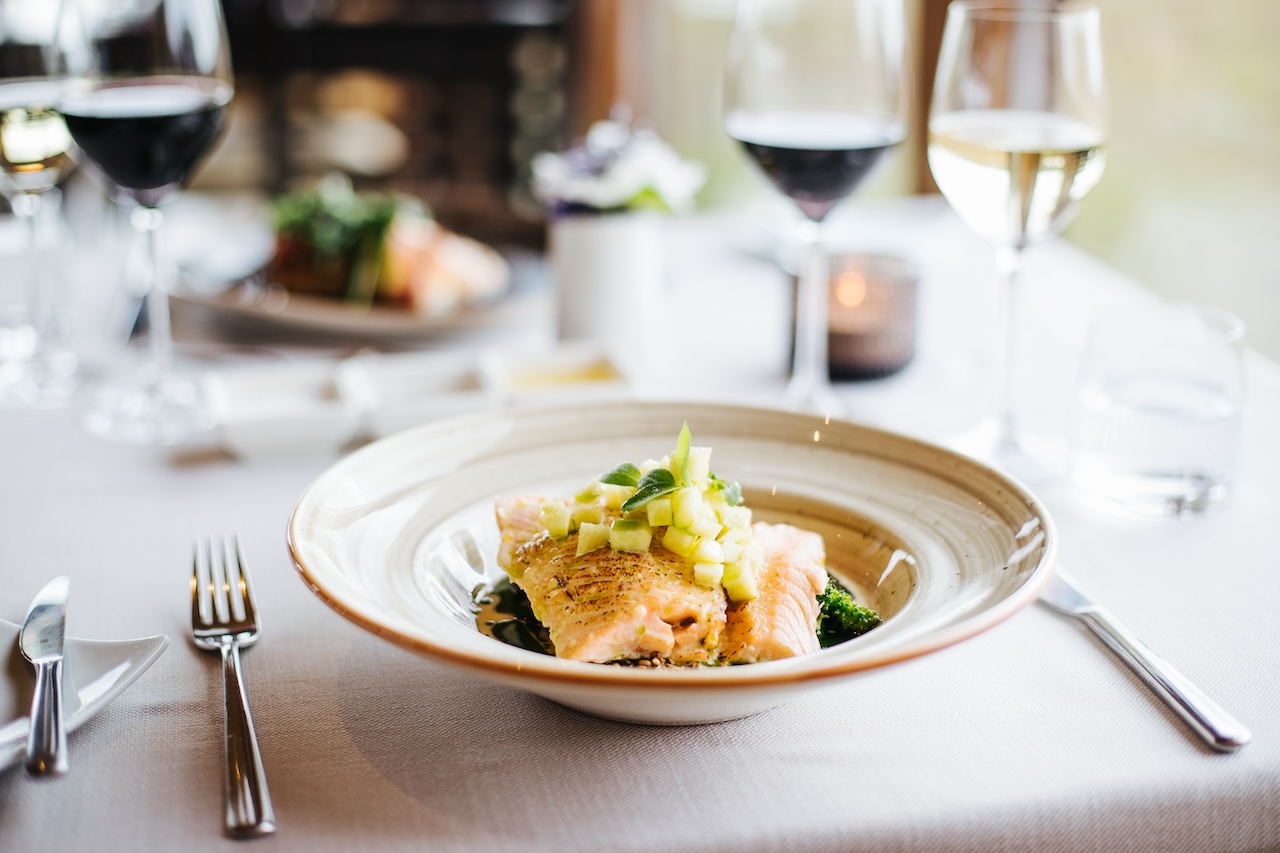
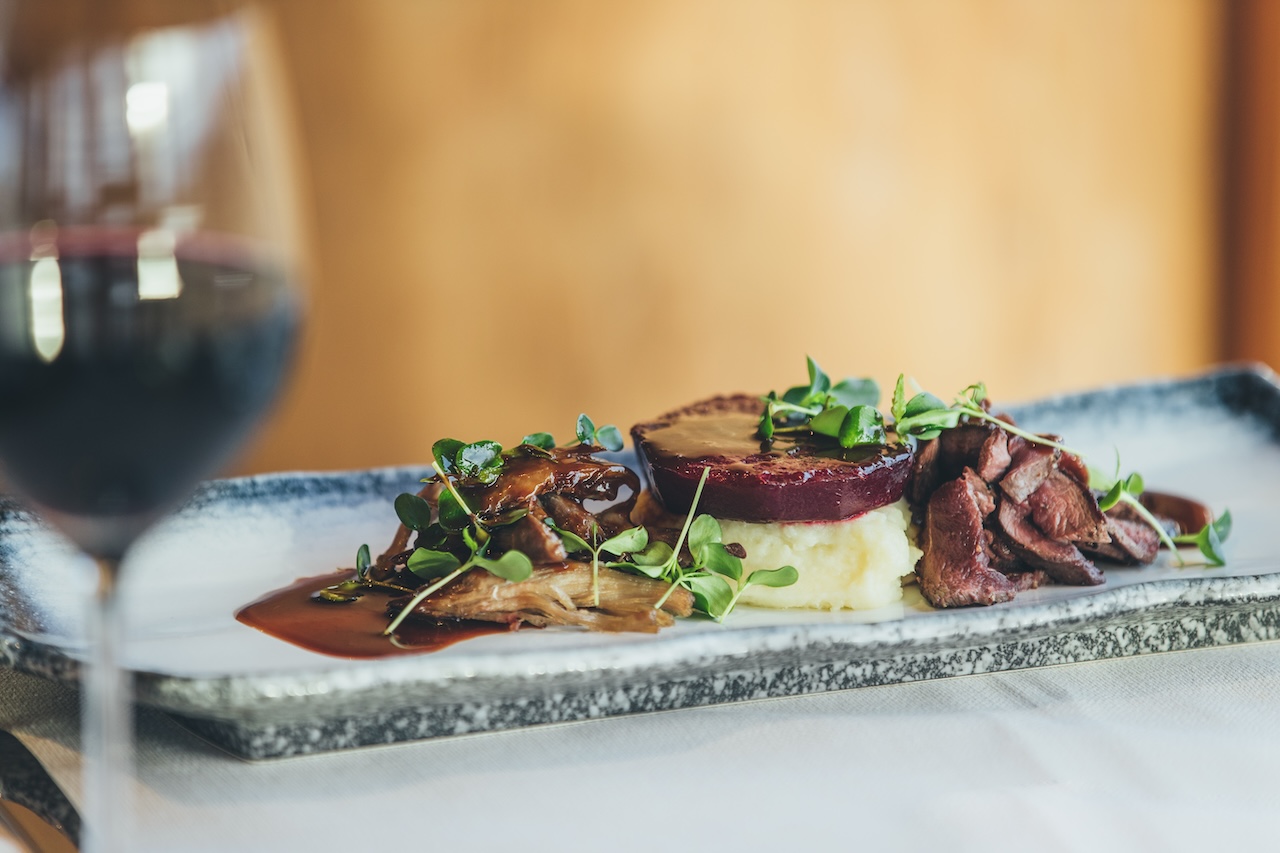
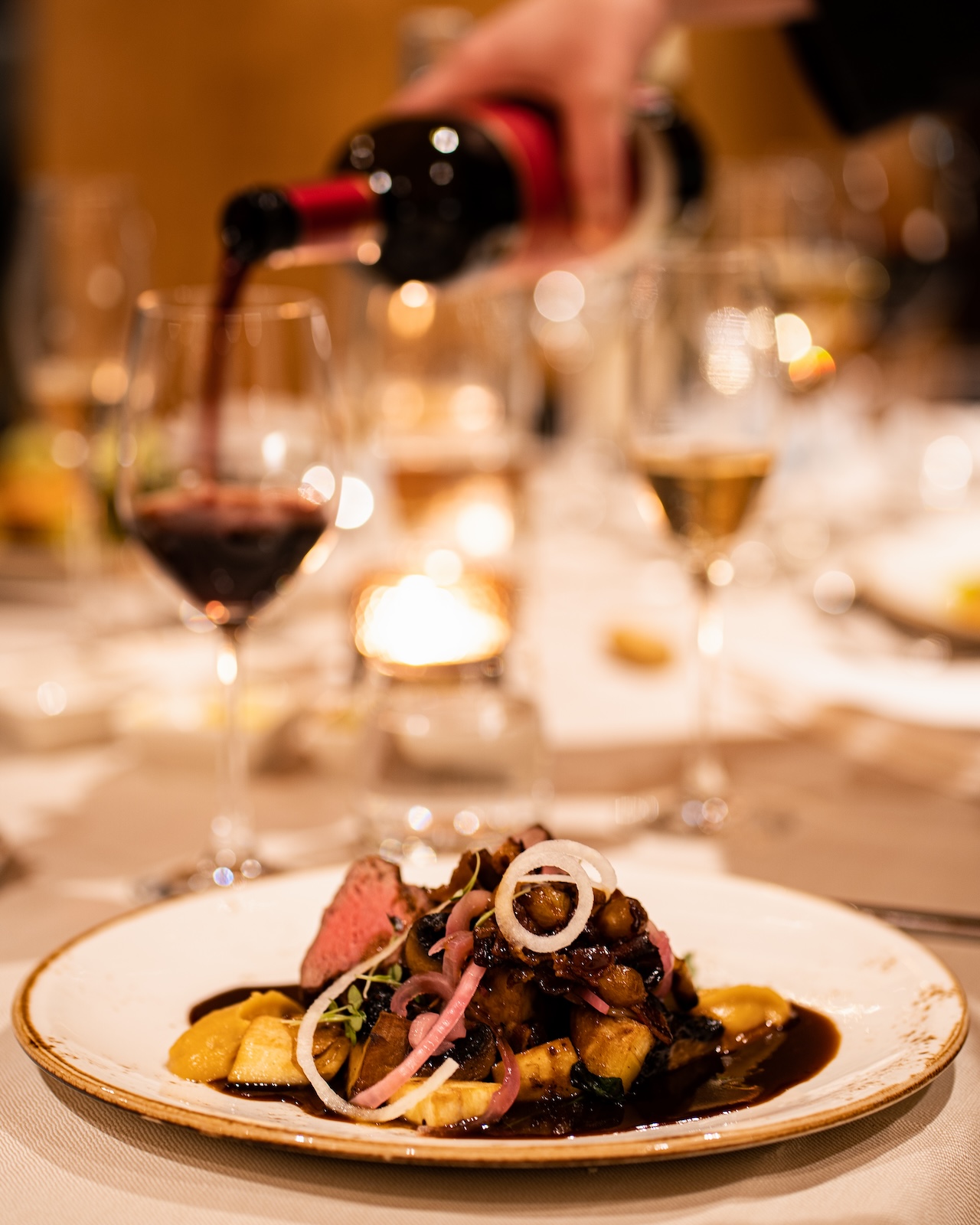
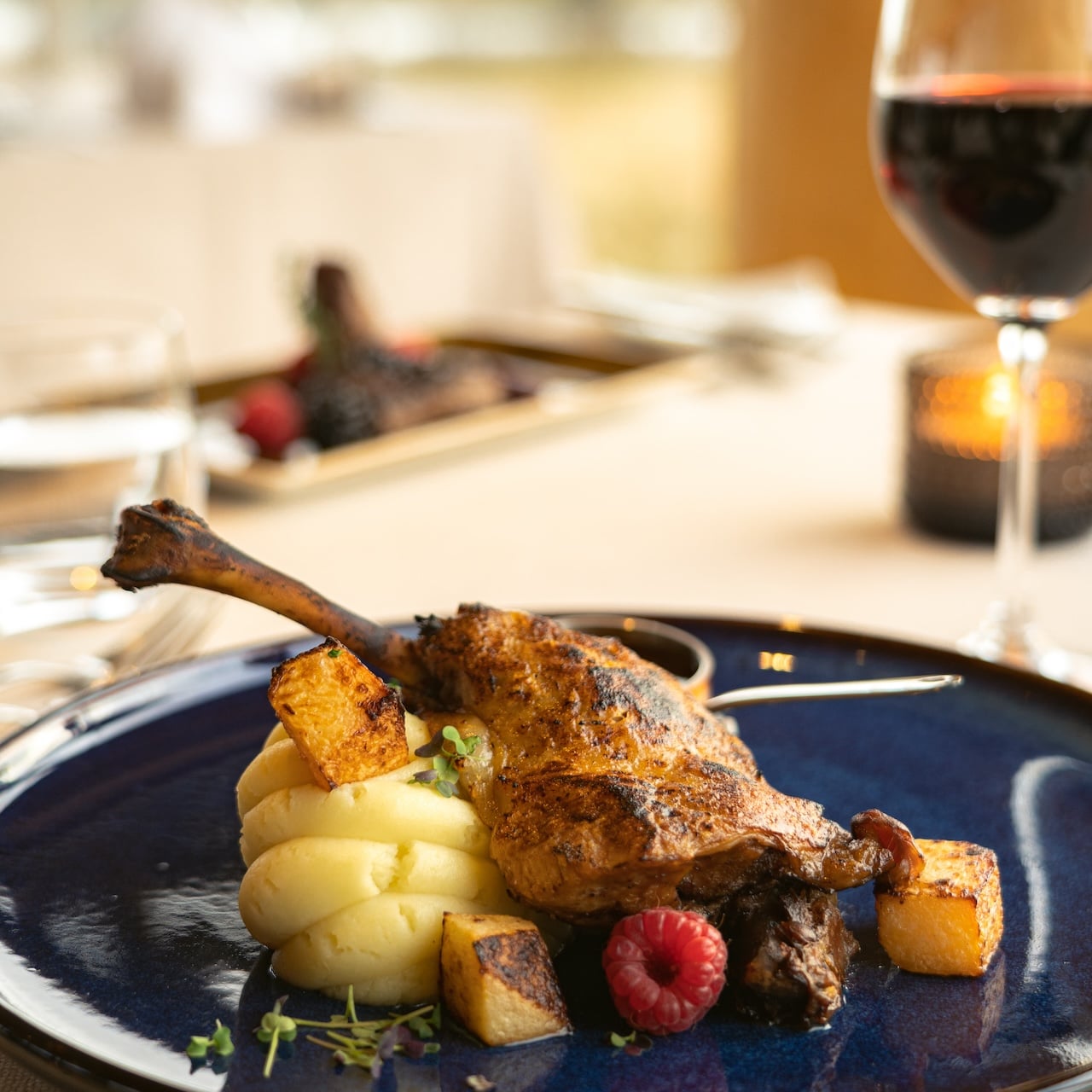
Dining at the hotel follows that same rhythm. At Restaurant Rangá, dinner doesn’t feel like a separate event from the day — it feels like a continuation of it. The menu leans into Iceland’s natural resources, with ingredients that reflect the landscape you’ve just spent hours exploring. Fresh seafood, rich flavors, and seasonal elements come together in a way that feels both elevated and grounded. Each dish is carefully curated to tantalize the taste buds with every bite, calling you to slow down and enjoy the moment; one that you will remember long after the plate is gone (and for me, that’s specifically rings true for a special blueberry crumble dessert that I am still dreaming about).
I remember sitting by the window during dinner, the sky already beginning to darken. There was a kind of stillness to it — a sense that the day hadn’t ended, just shifted into something quieter. And then, later, stepping back outside again. That rhythm — inside, outside, warmth, cold, stillness, movement — becomes the heartbeat of the stay. And it’s in those quieter, more personal moments that the level of care at Hotel Rangá becomes even more apparent.
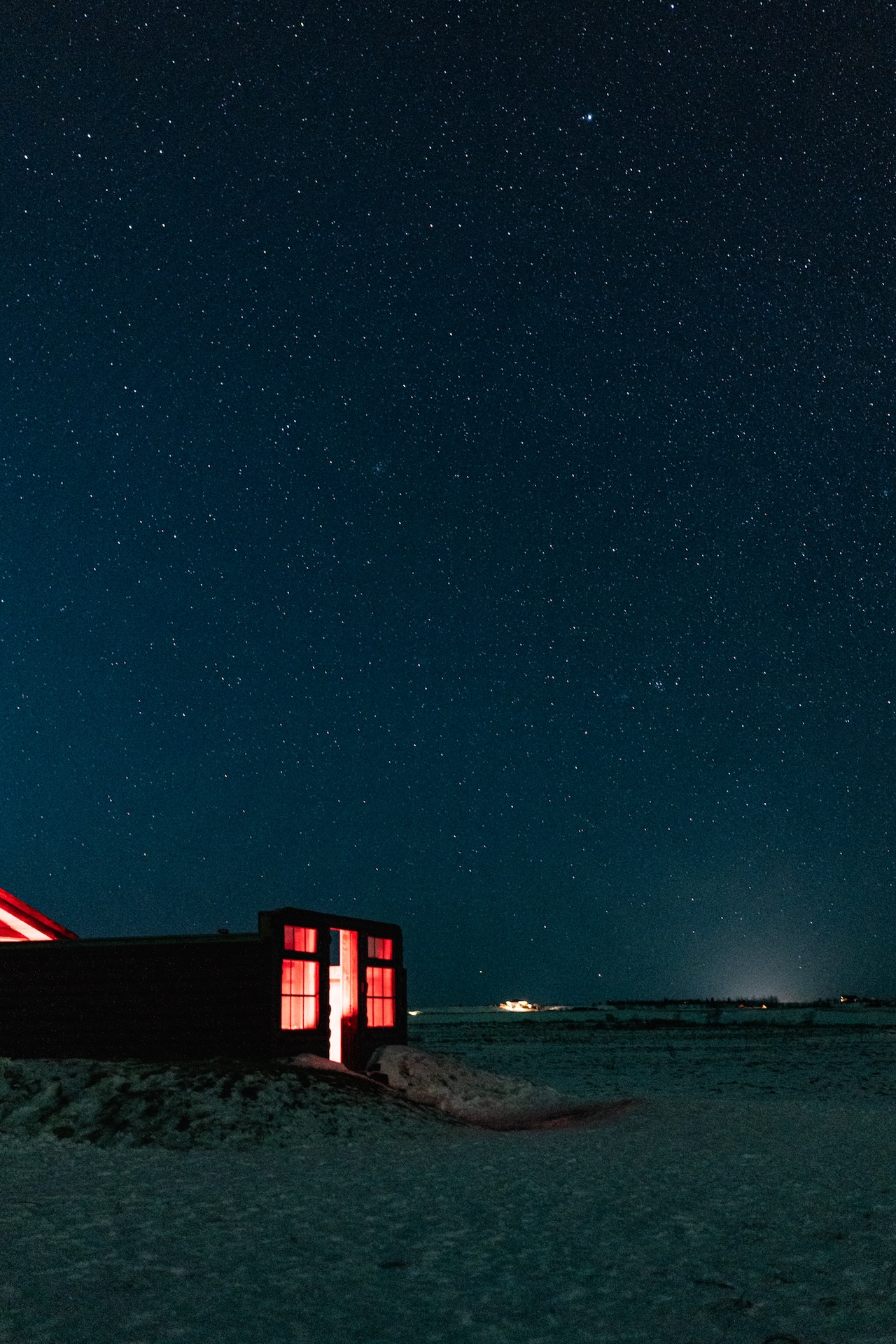
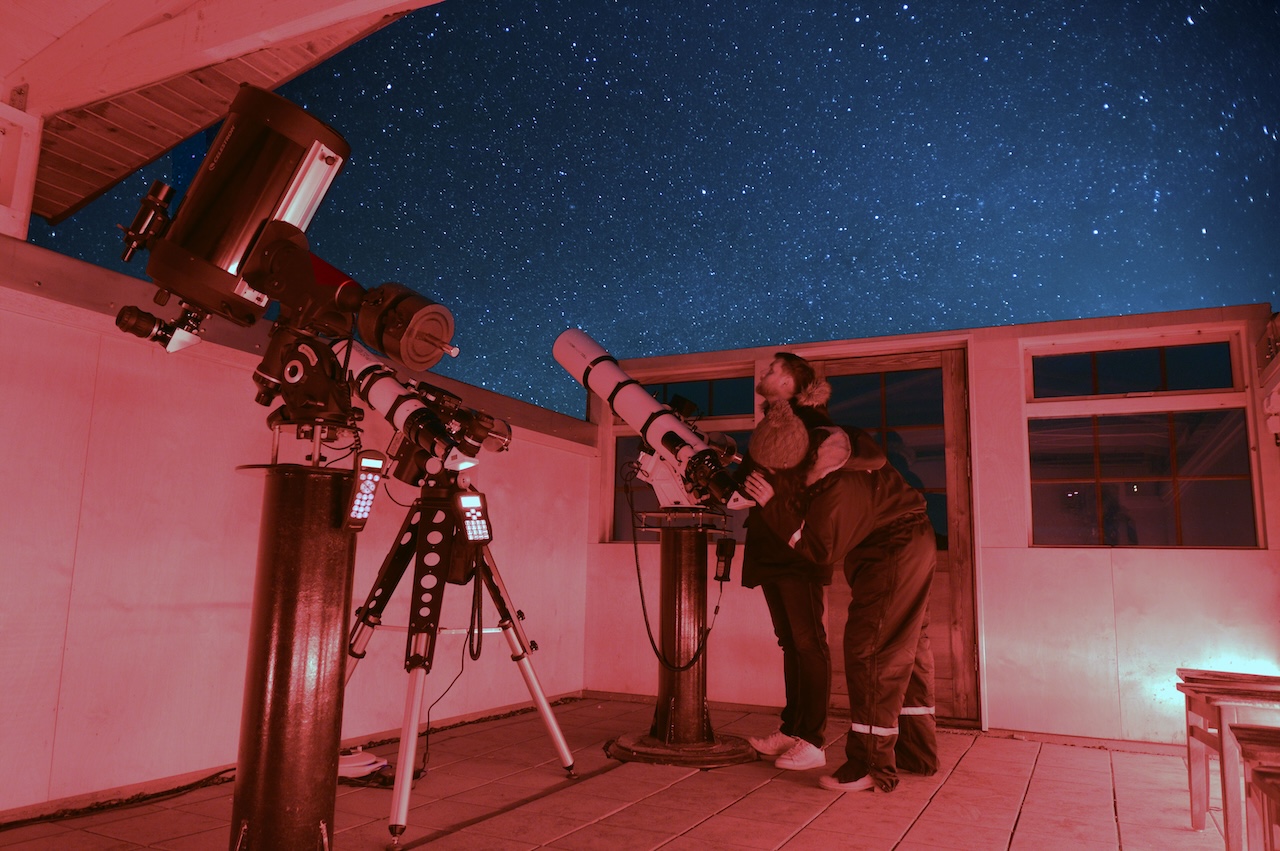
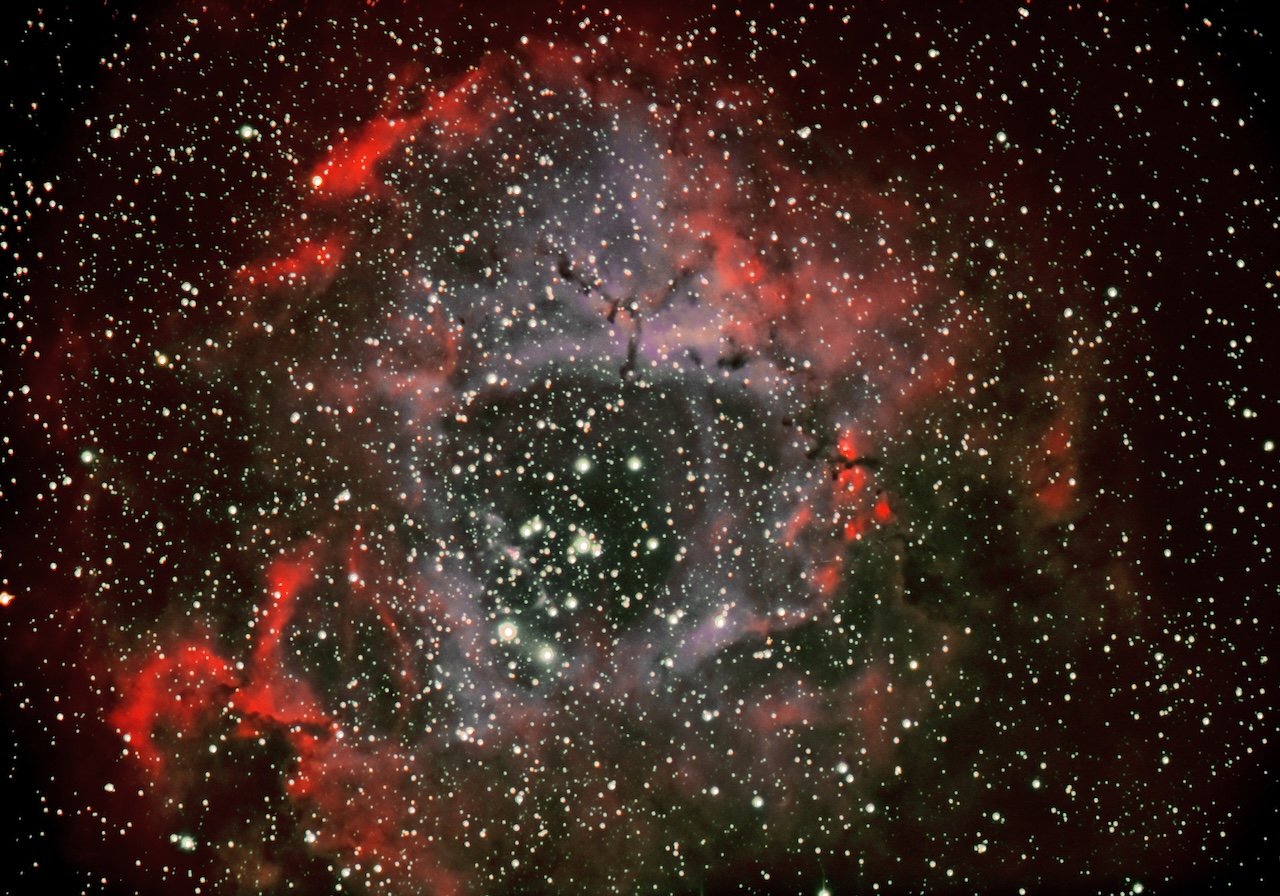
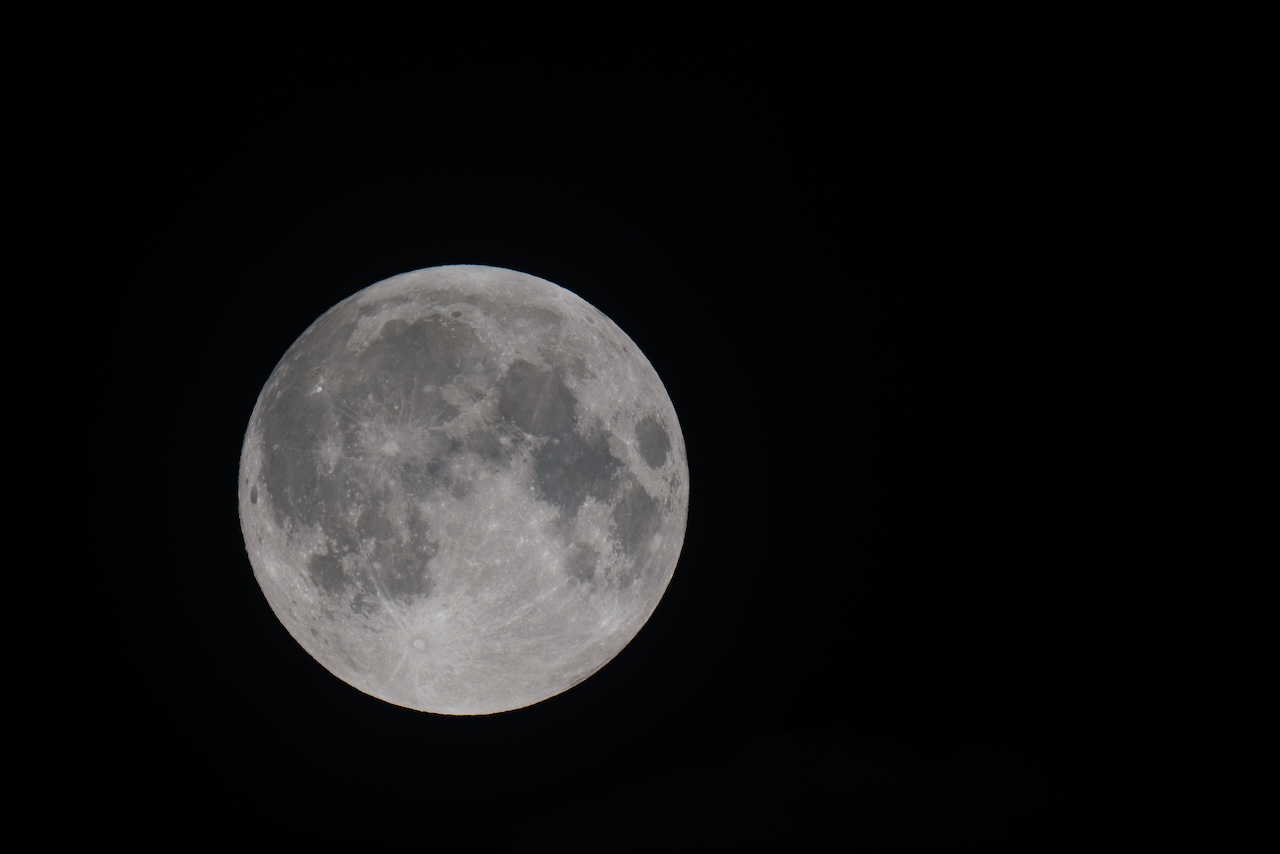
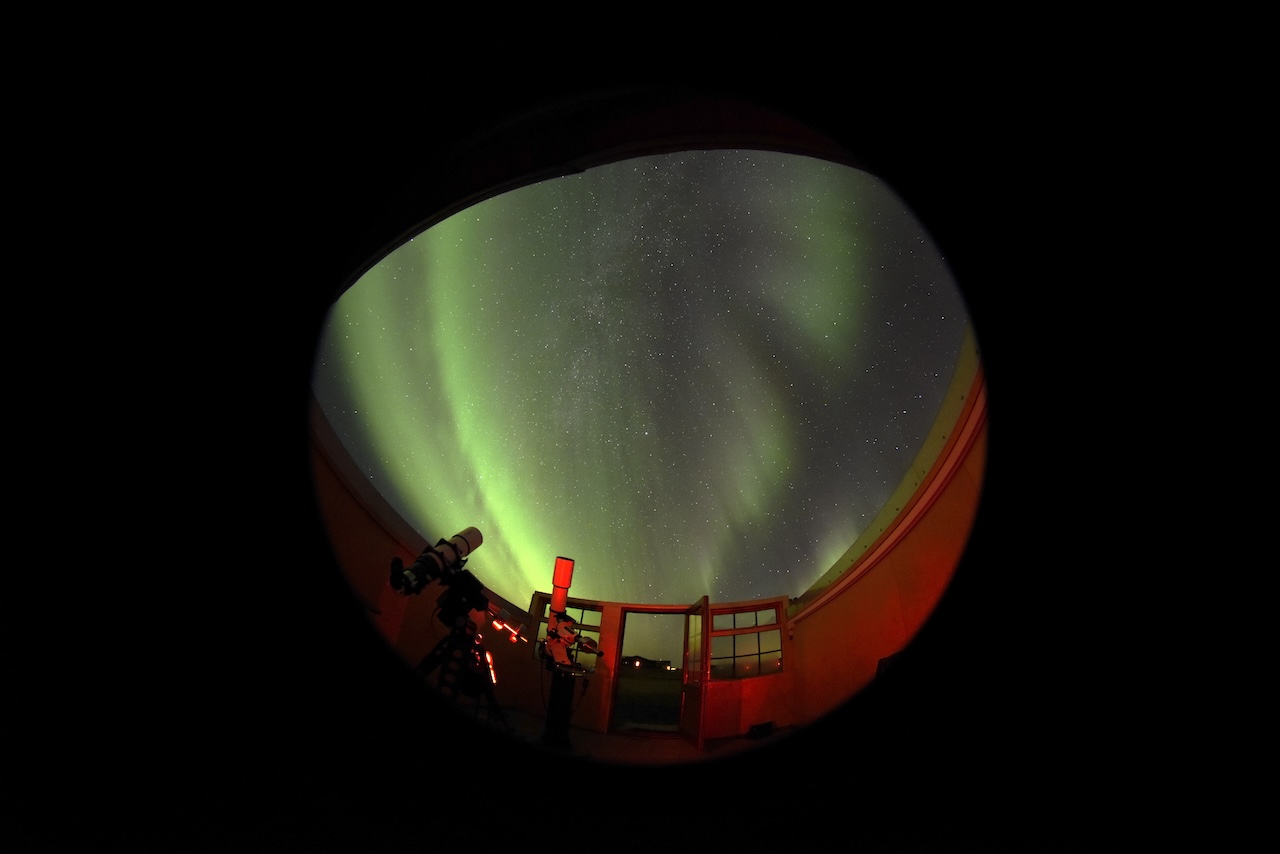
For those who want to go even deeper into the night sky, the hotel’s on-site observatory offers something truly special. Unlike anything I’ve experienced at a hotel before, it allows you to explore the stars in a way that feels both intimate and expansive at the same time. Guided by experts, you’re not just looking up — you’re understanding what you’re seeing, placing yourself within it in a way that’s both grounding and surreal. It’s not just about the Northern Lights; it’s about the sky as a whole — and your place within it. And that, ultimately, is what makes Hotel Rangá so memorable. It’s not trying to be the most extravagant property in Iceland. It’s not competing for attention (even though they continue to have their fair share of notable guests). Instead, it does something far more difficult: it creates space. Space to slow down. Space to look up. Space to feel something.
Over time, that approach has made it one of the most sought-after stays in Iceland — particularly among travelers who understand that true luxury isn’t about excess, but about access to the stillness, darkness, and moments that feel entirely your own. And in a place like this, that’s everything.
Þórsmörk — Where Iceland Feels Untouched

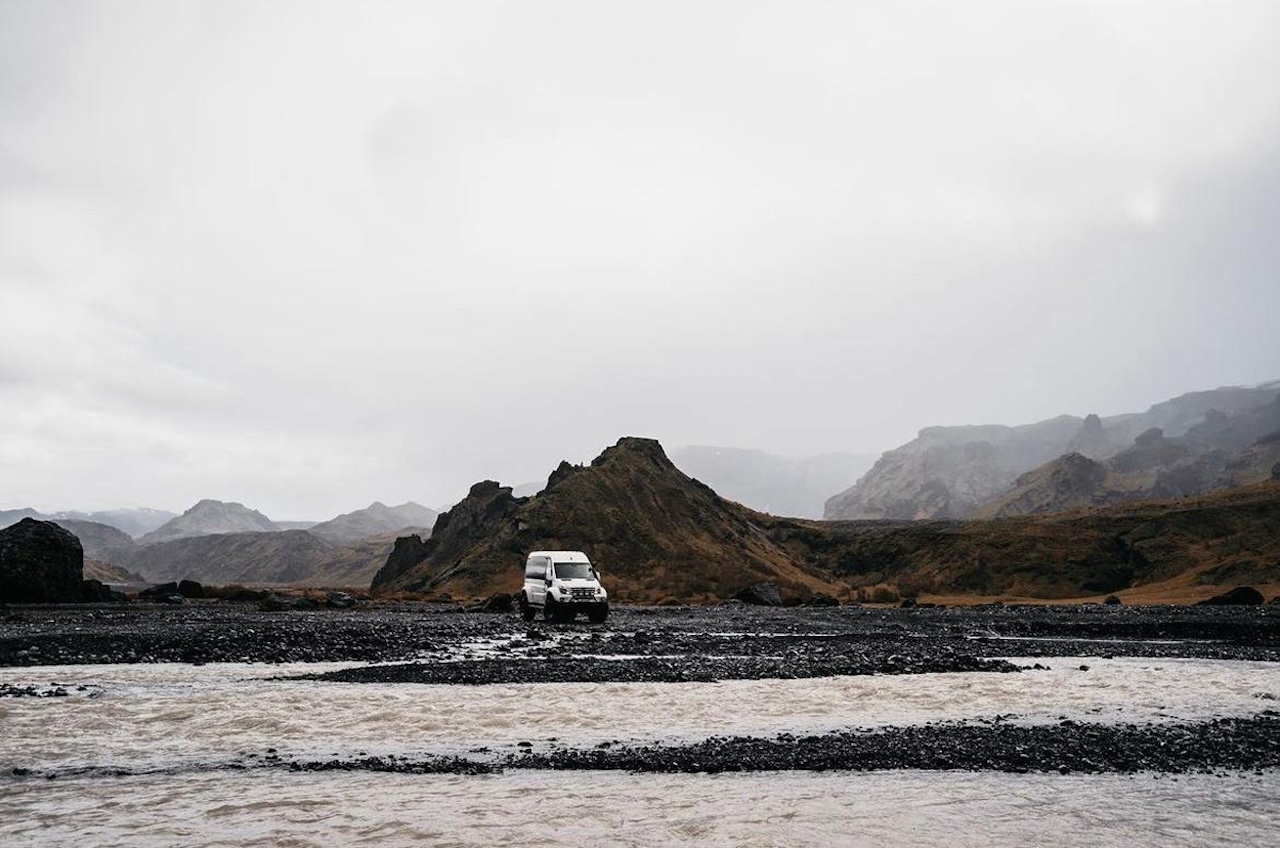
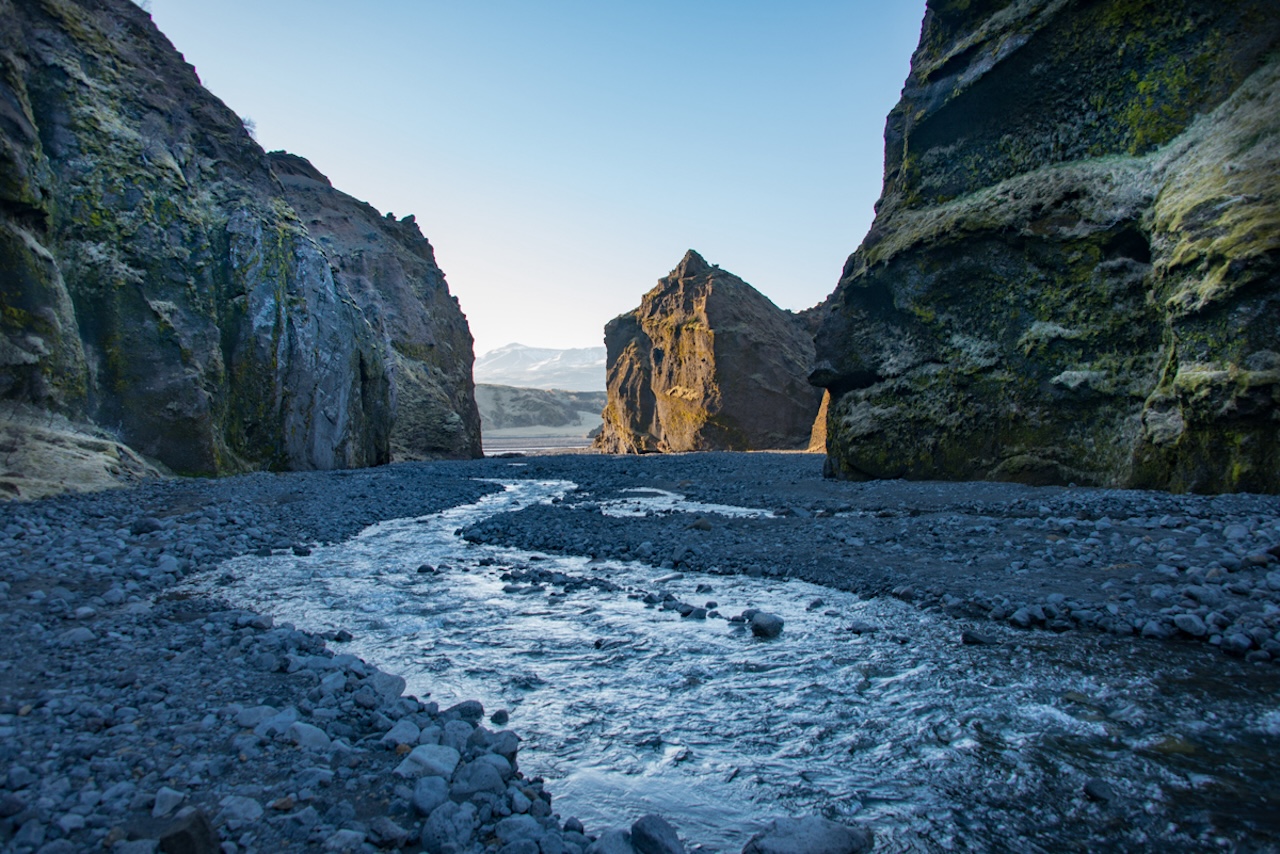

The following morning began quietly, with breakfast overlooking the surrounding landscape — a calm start before stepping into something far more dynamic: a Super Jeep tour with Southcoast Adventure. This tour didn’t just take us somewhere, though. It brought us into a completely different version of Iceland.
Þórsmörk is not easily accessed, and that difficulty is exactly what preserves its sense of untouched beauty. As we moved deeper into the region, the terrain shifted constantly — glacial rivers cutting through volcanic earth, moss-covered valleys rising against jagged mountain ridges, and vast expanses that felt almost prehistoric in scale. There’s something about being in a place like that that recalibrates your sense of proportion. You stop thinking in terms of plans or schedules. You simply move through the environment, observing and absorbing. At times, we stepped out into complete silence — no background noise, no movement, just the presence of the landscape itself.
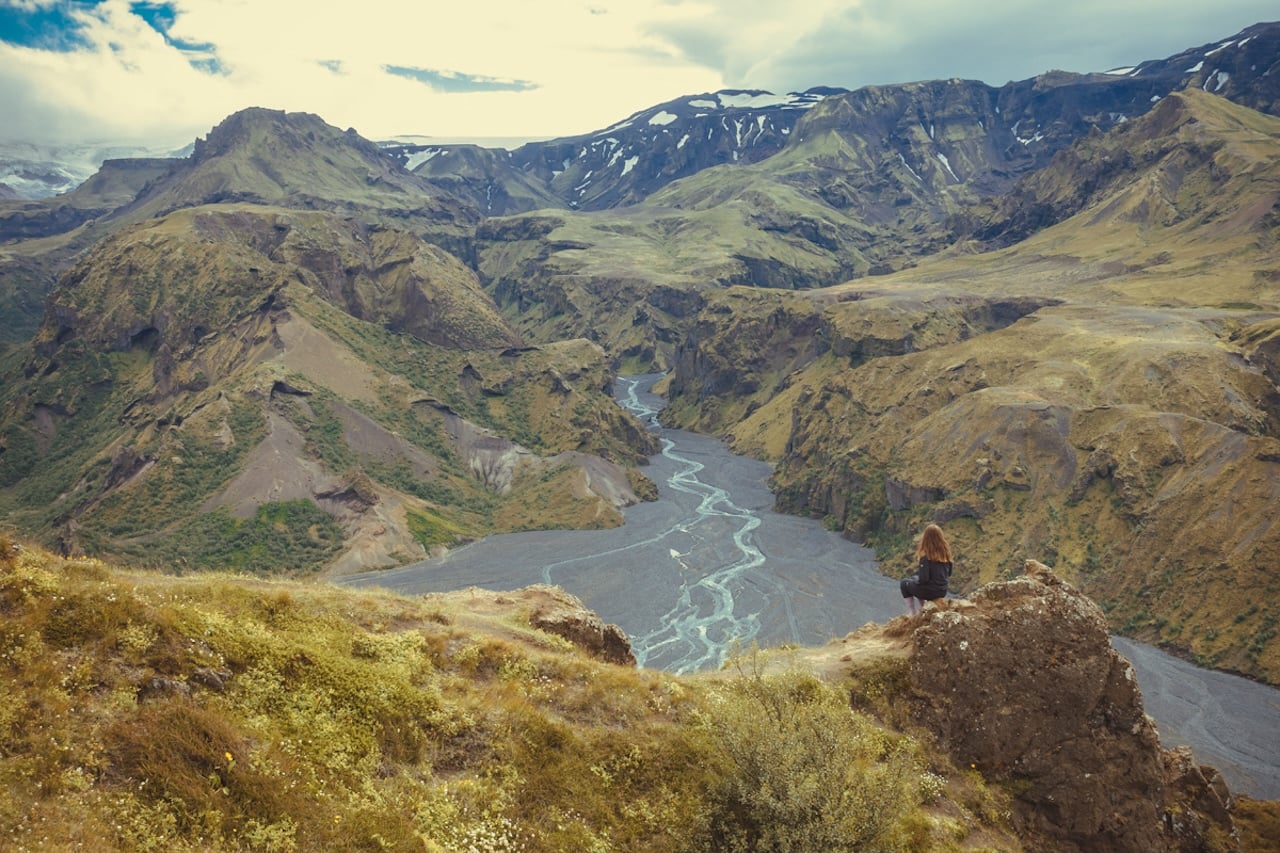
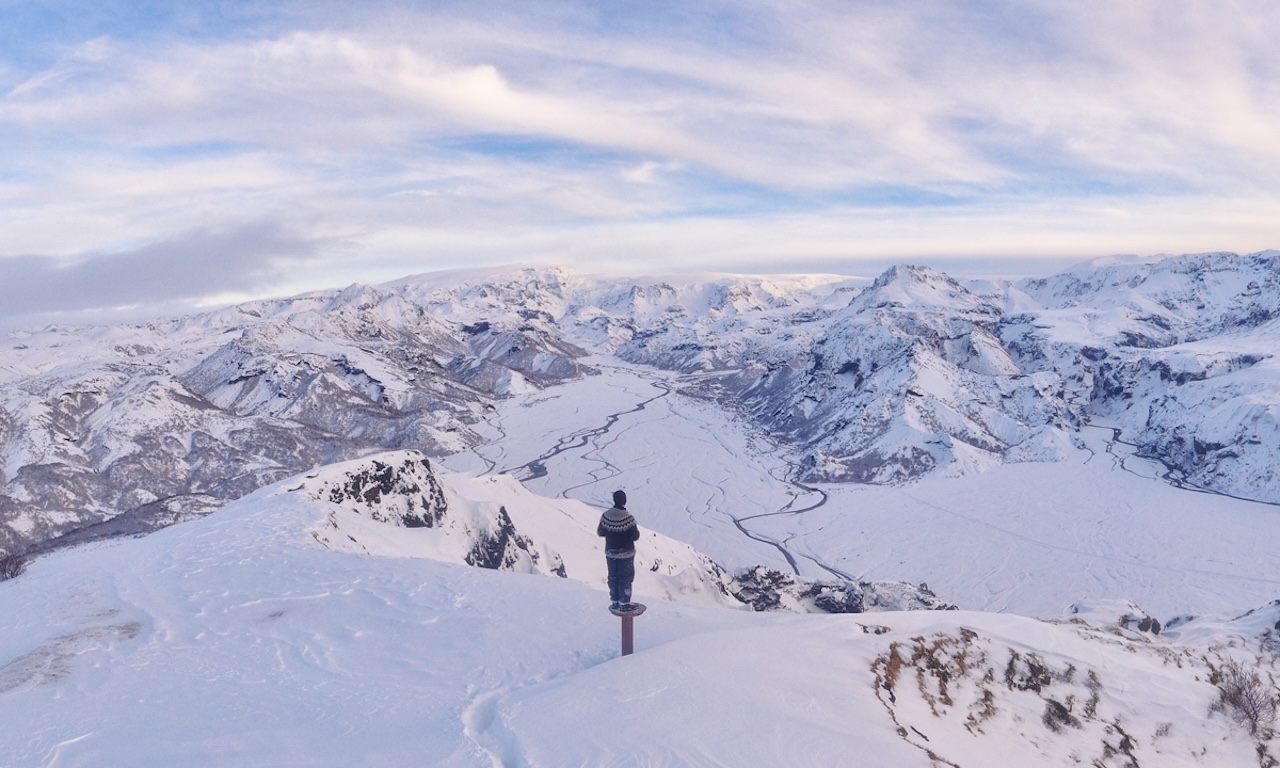
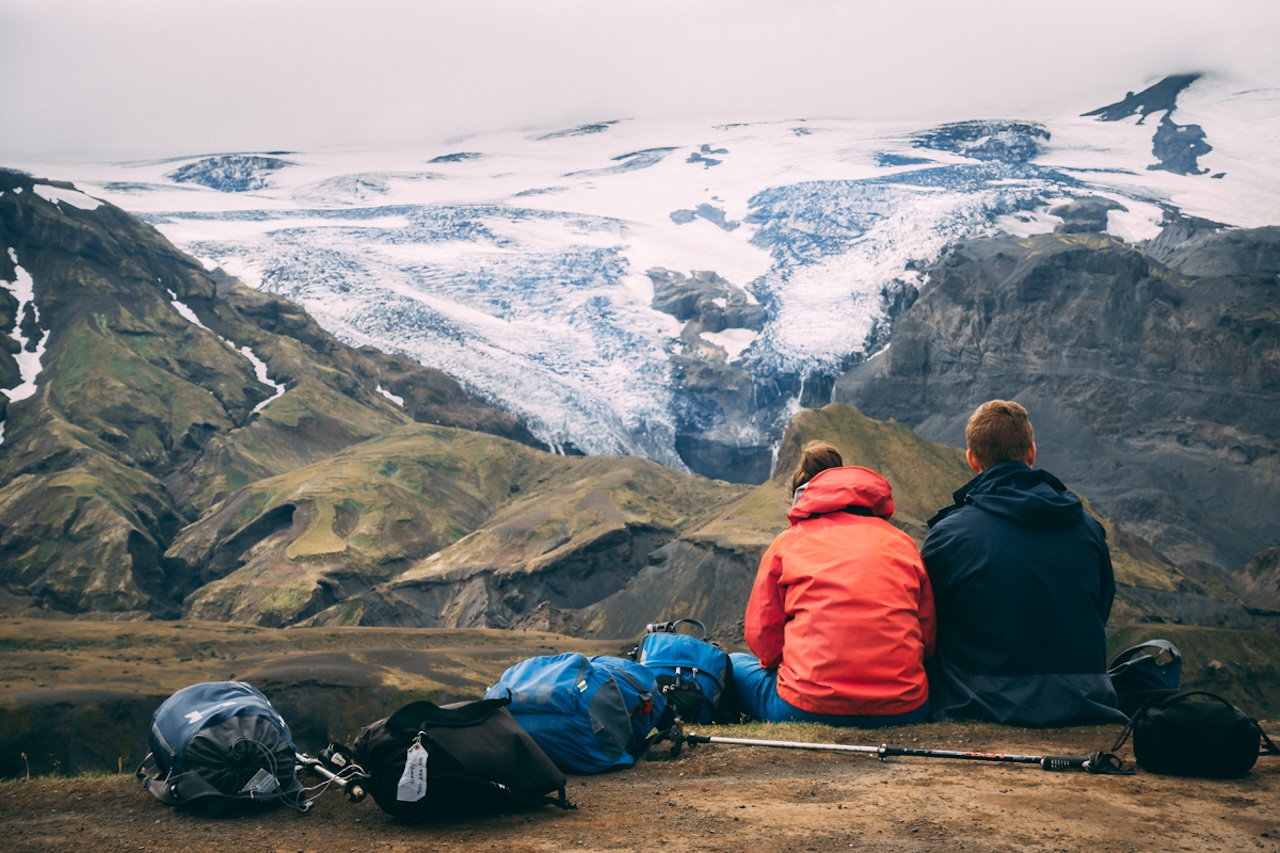
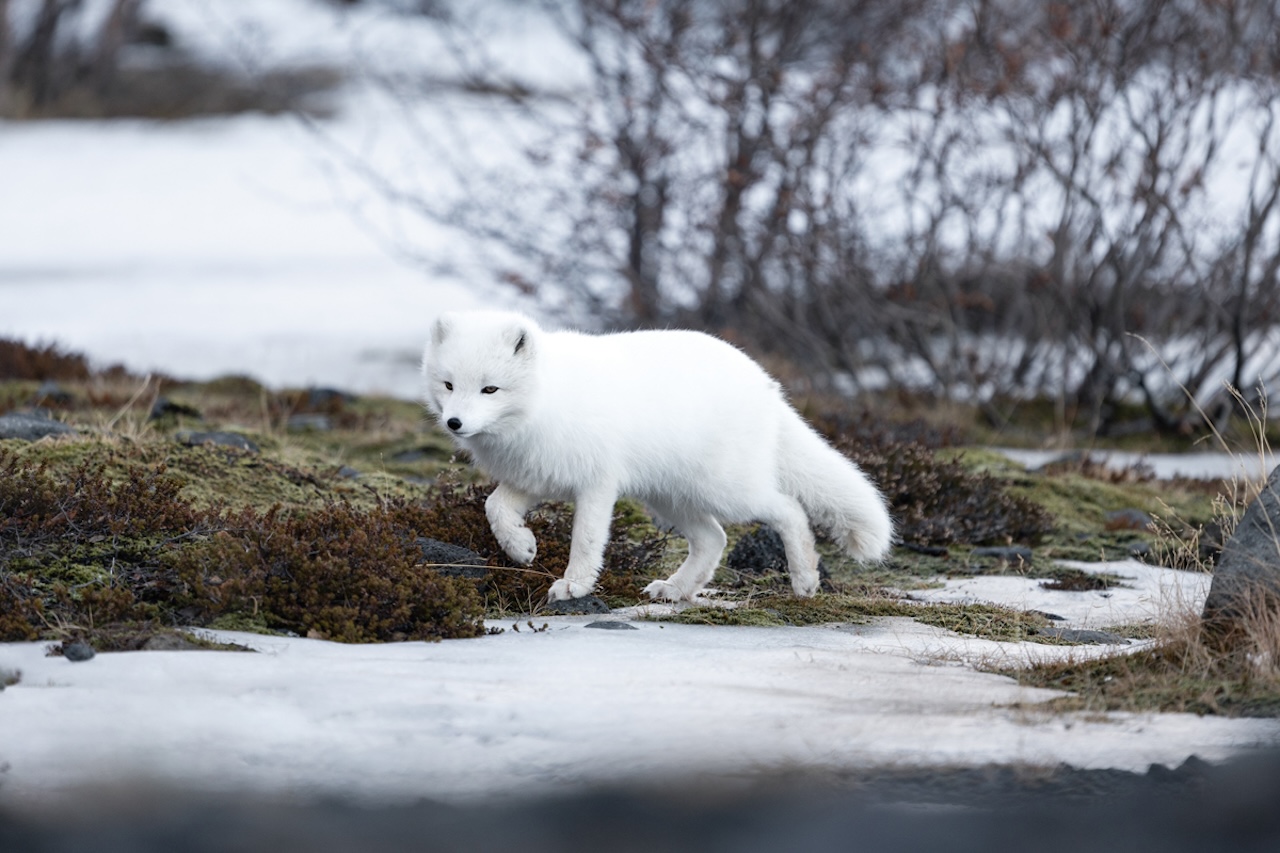
“We work in environments where nature sets the pace, not the itinerary,” Cooper says of Off the Map’s custom-curated journeys. And here, that pace was undeniable. The day unfolded organically — moments of movement through the Eyjafjallajökull, Mýrdalsjökull, and Tindfjallajökull glaciers, moments of stillness listening to the water rushing by, moments where you simply stood and looked, trying to take in something that didn’t feel entirely real.
days Rooted in Contrast
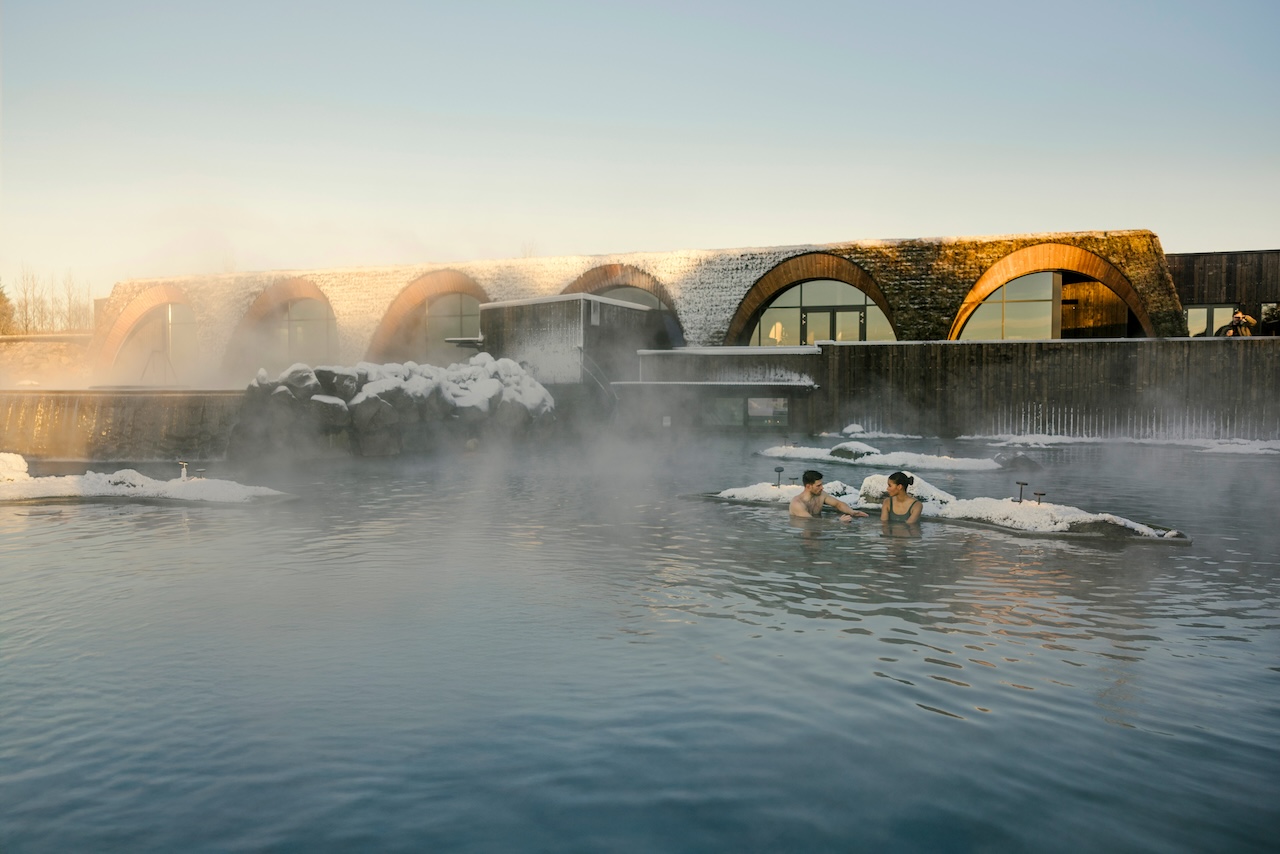
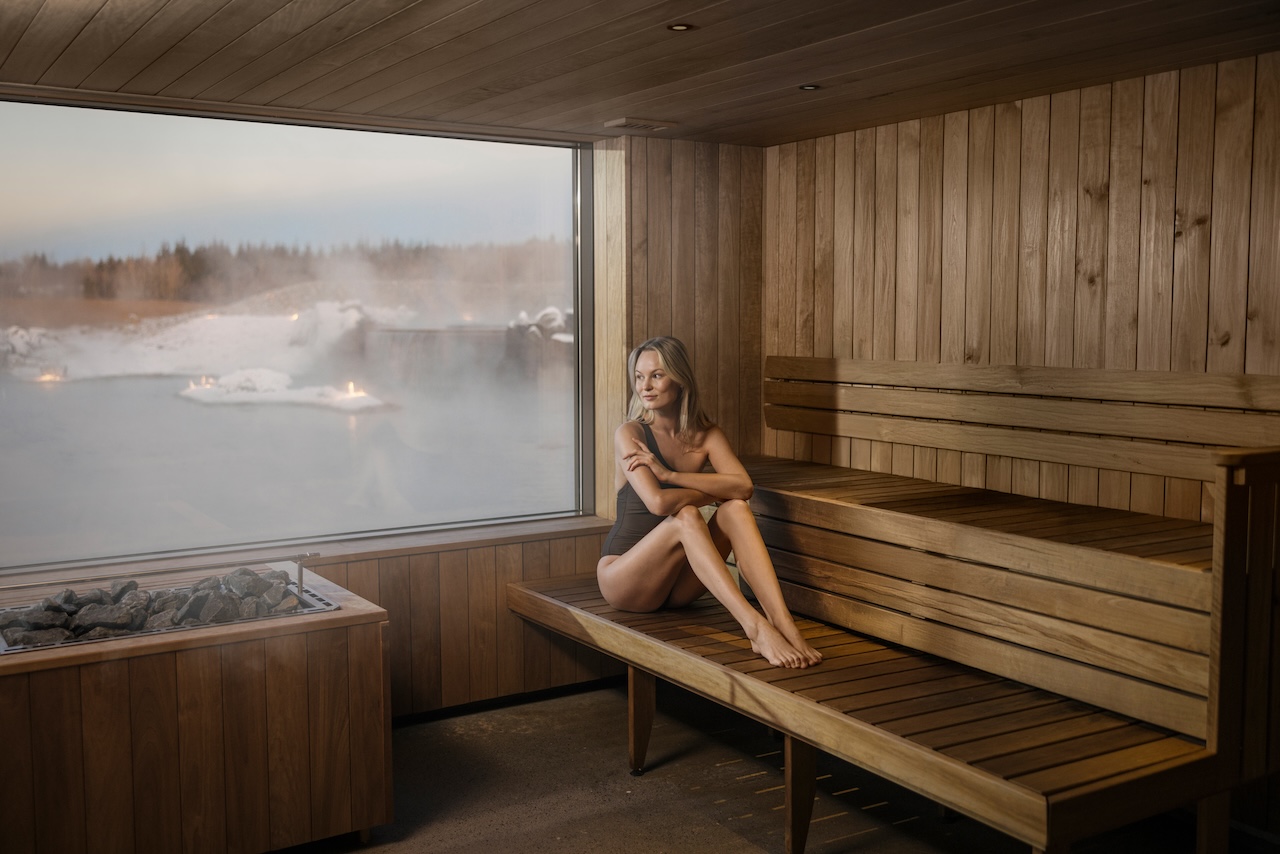
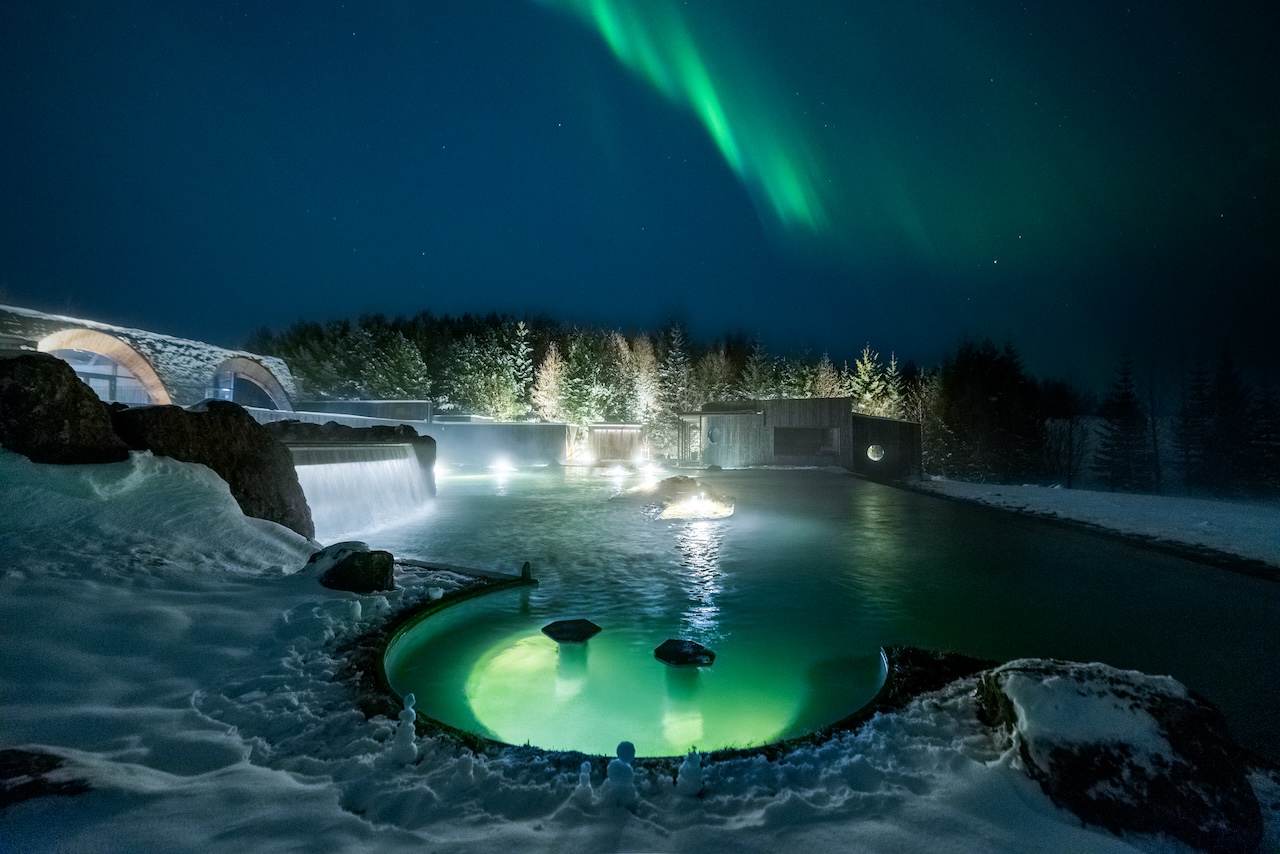
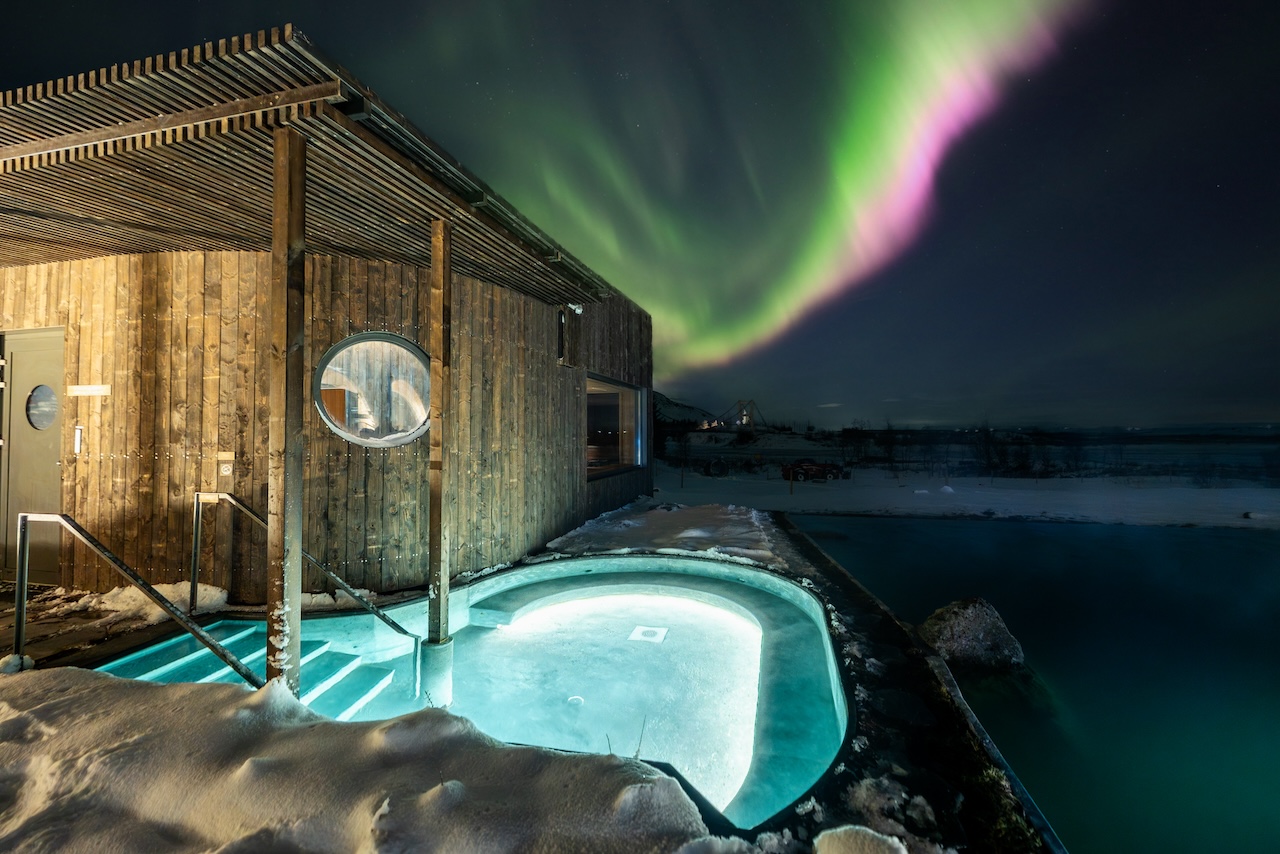
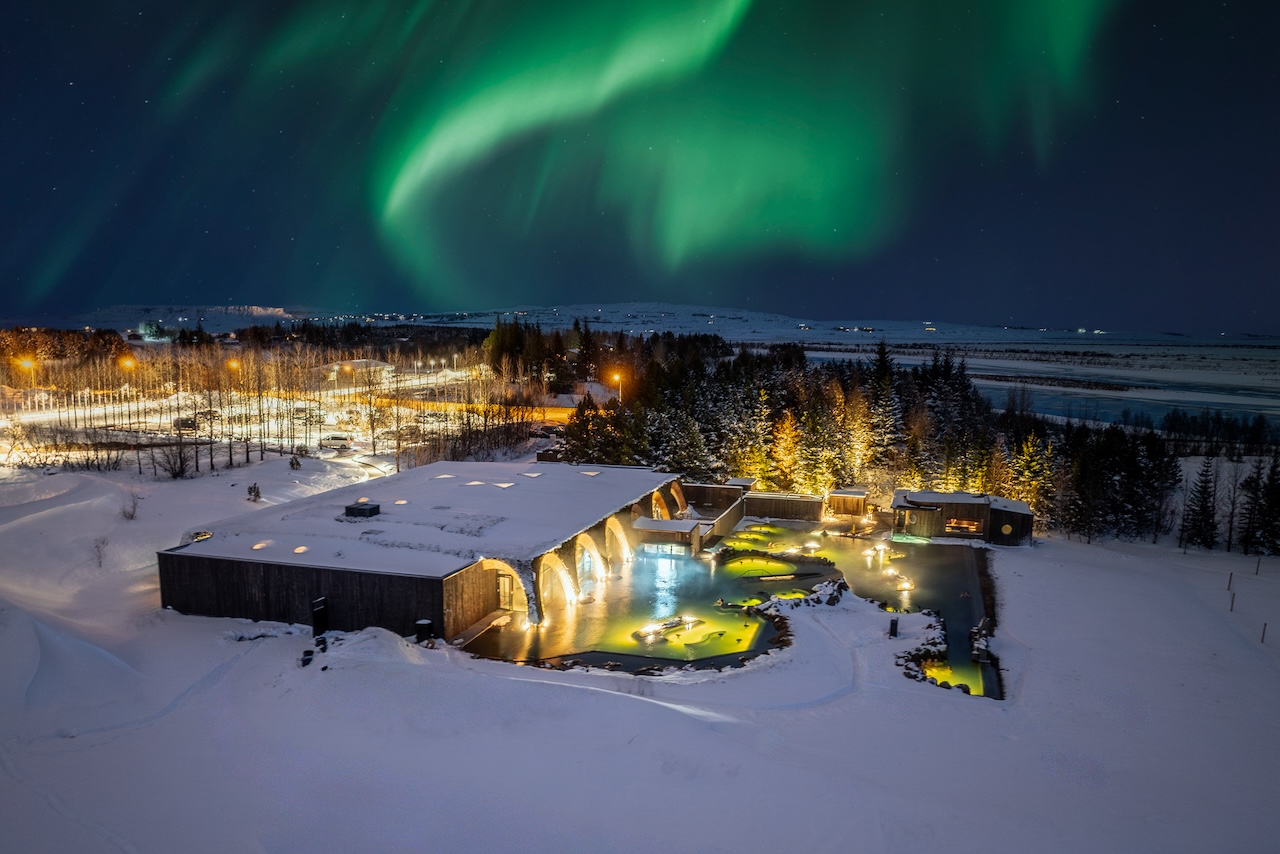
Day three marked a special occasion, as I was in Iceland during my birthday. Knowing this, Off the Map left the morning intentionally open. No fixed plans. No urgency. Just space — something that’s surprisingly rare in travel, and even rarer on a day that often comes with expectations. That space carried into the afternoon at Laugarás Lagoon, which was a natural continuation of everything the trip had been building toward. And as a fellow spa lover, spending the afternoon at a lagoon in Iceland felt like the ultimate upgrade.
Unlike Iceland’s more widely known geothermal spas, Laugarás feels more intimate — designed not for spectacle, but for presence. The layout encourages movement without rush, guiding you between warm pools, cooler air, and the quiet intensity of the sauna. At one point, sitting in the warmth of the water while looking out over the Hvíta River, there was a moment where everything felt suspended — the kind of stillness that doesn’t demand your attention, but quietly holds it. It’s exactly the kind of contrast Cooper describes: “Exposure balanced with warmth. Adrenaline followed by stillness.”
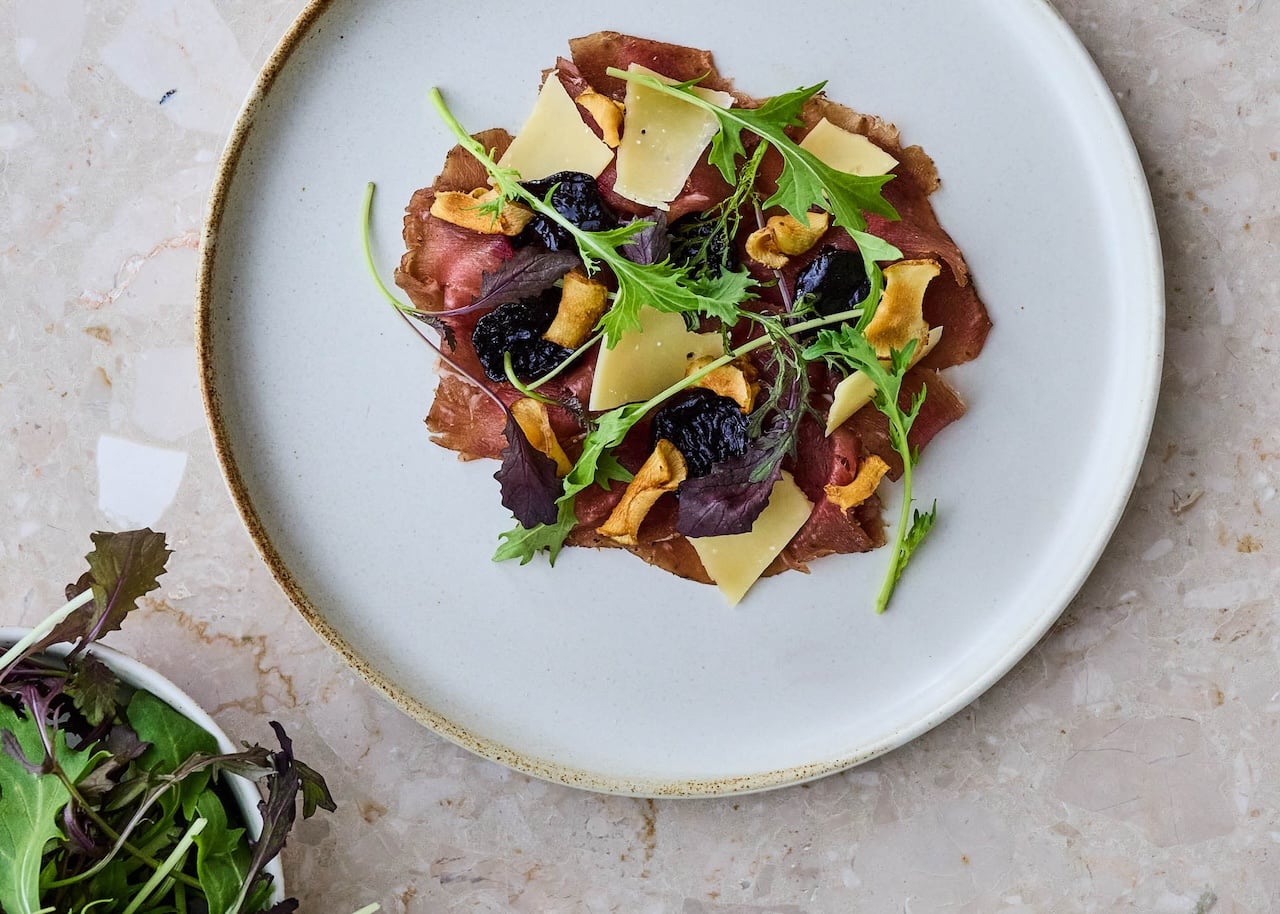

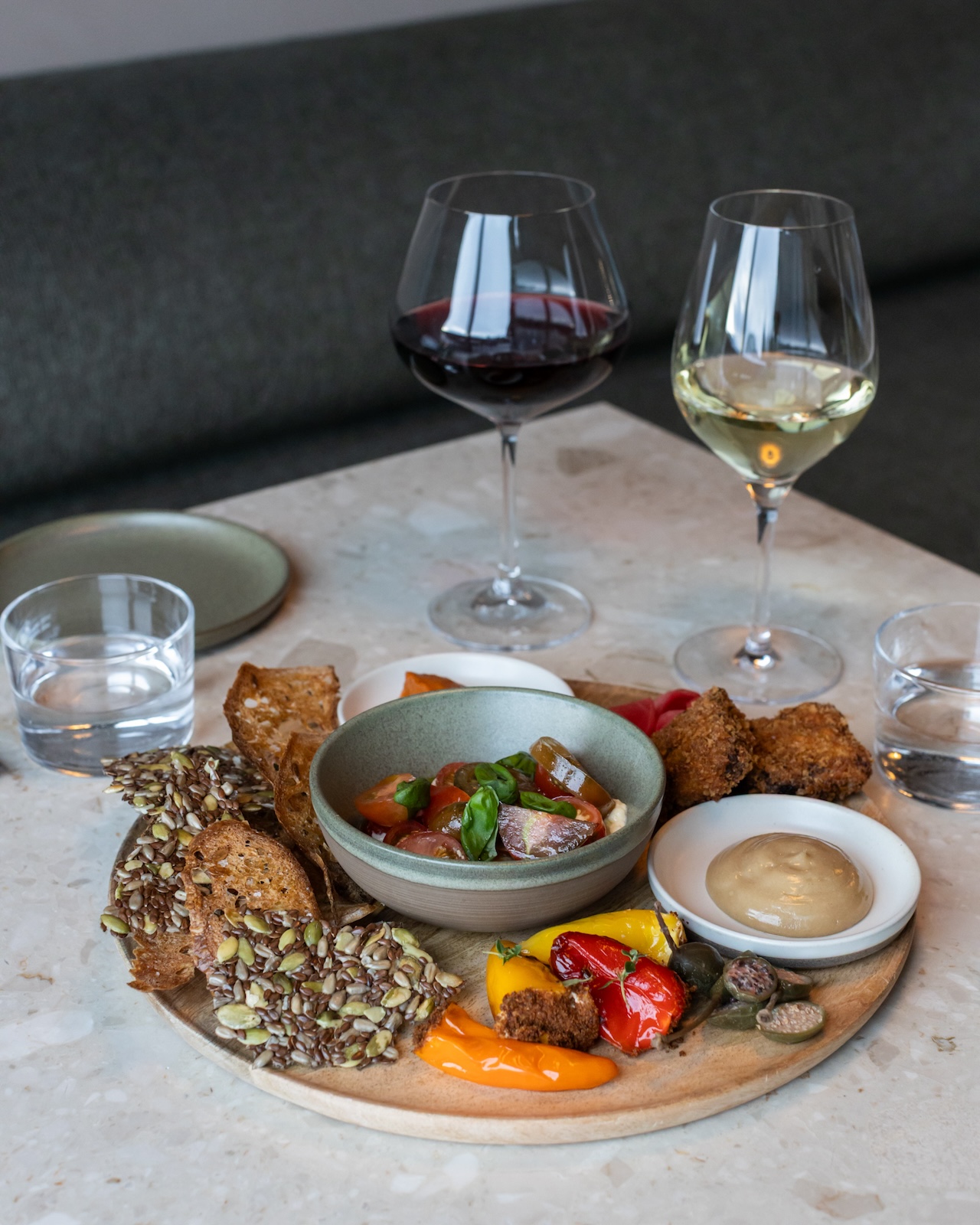

That rhythm carried into the evening at Ylja Restaurant, also located at Laugarás Lagoon, where the experience shifted once again — this time into something more intimate and celebratory. The meal itself reflected the landscape I had spent the past couple of days exploring. The menu draws from Iceland’s landscape in a way that feels both thoughtful and elevated, with ingredients sourced from local fisheries and geothermal greenhouses, translating the surrounding environment directly onto the plate.
Each course was beautifully composed yet unfussy, allowing the quality of the ingredients to speak for itself — delicate seafood, rich, warming flavors, and subtle nods to traditional Icelandic cuisine reinterpreted through a more modern lens. There was a quiet confidence to the cooking, guided by one of the most celebrated chefs in Iceland, Gísli Matt, whose approach felt as considered as the setting itself, balancing creativity with restraint. Sitting there, moving through each course at an unhurried pace, encouraged me to engage every sense while still maintaining the calm, grounded atmosphere that defined the day.
What It Feels Like to Witness the Aurora Reveal Themselves
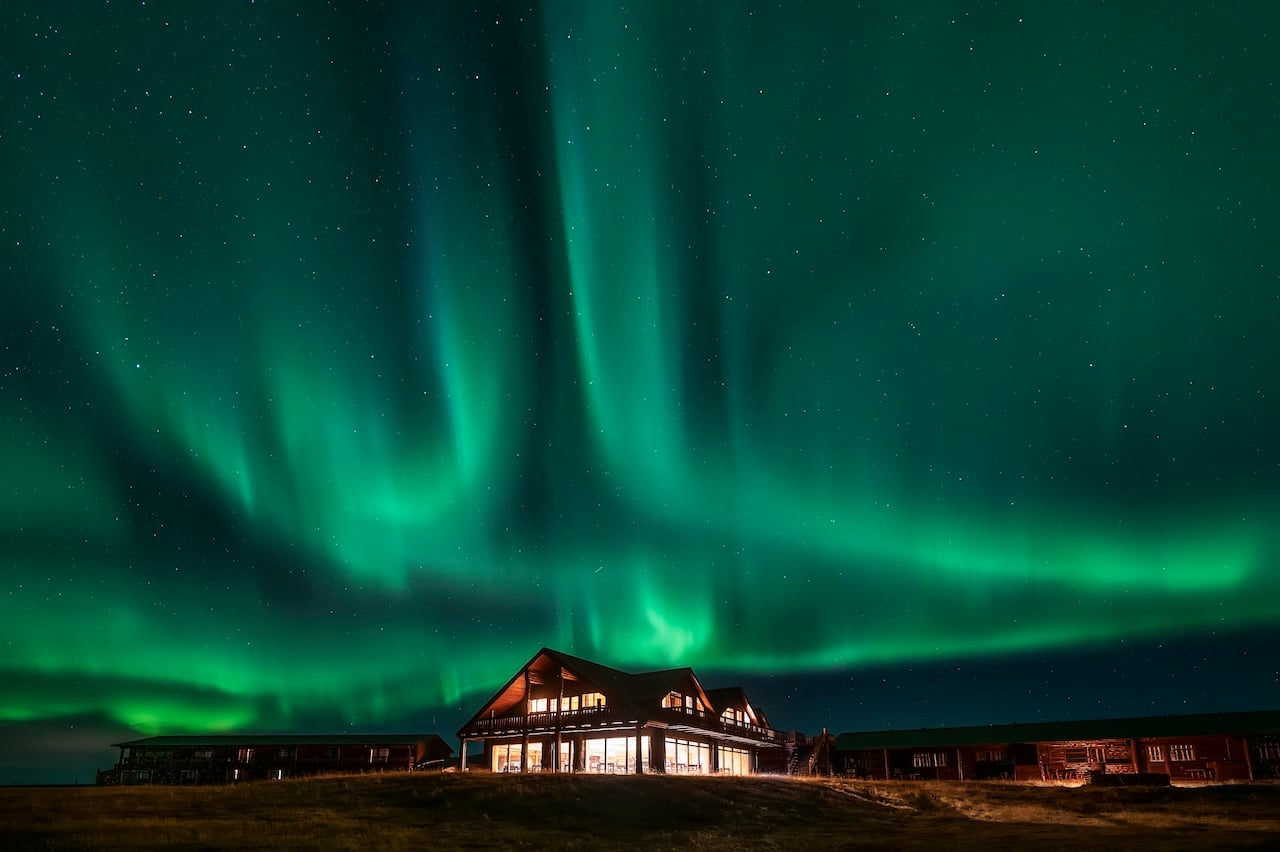
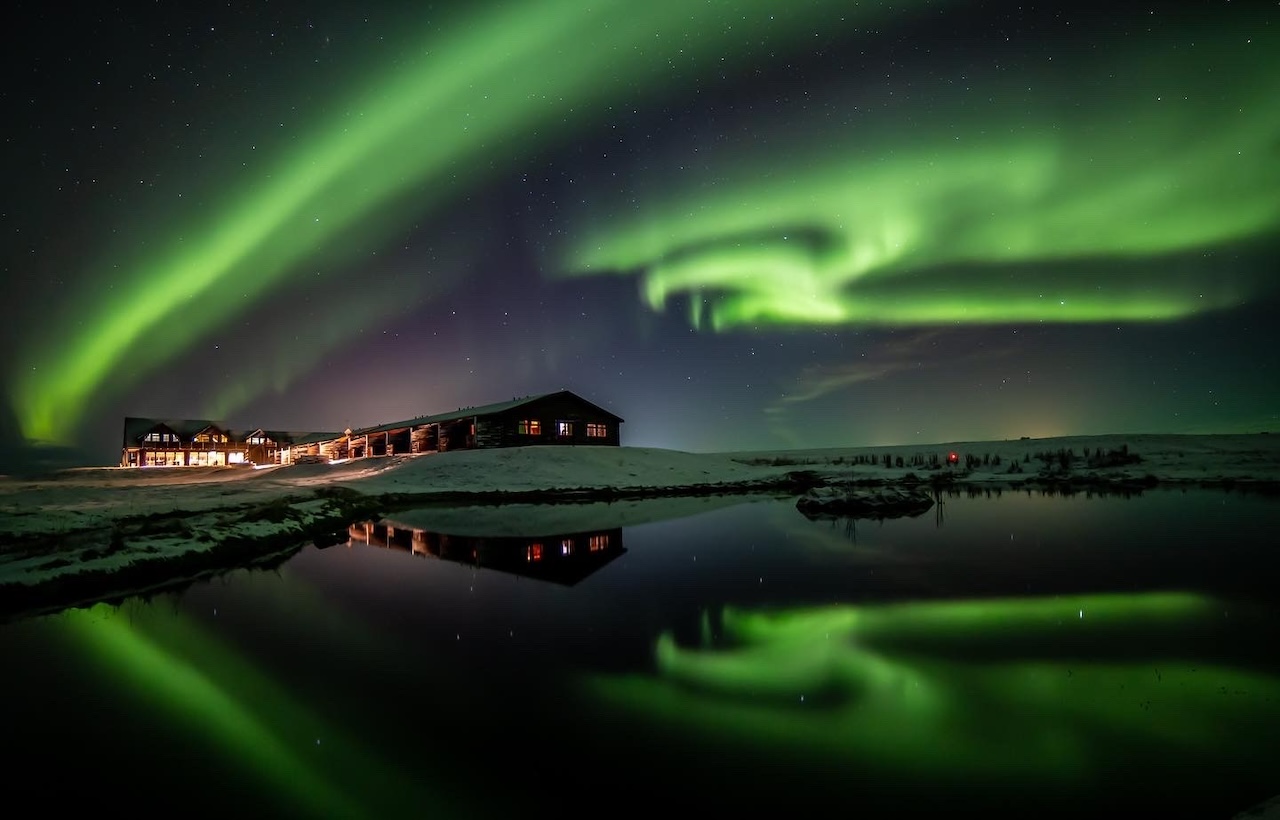
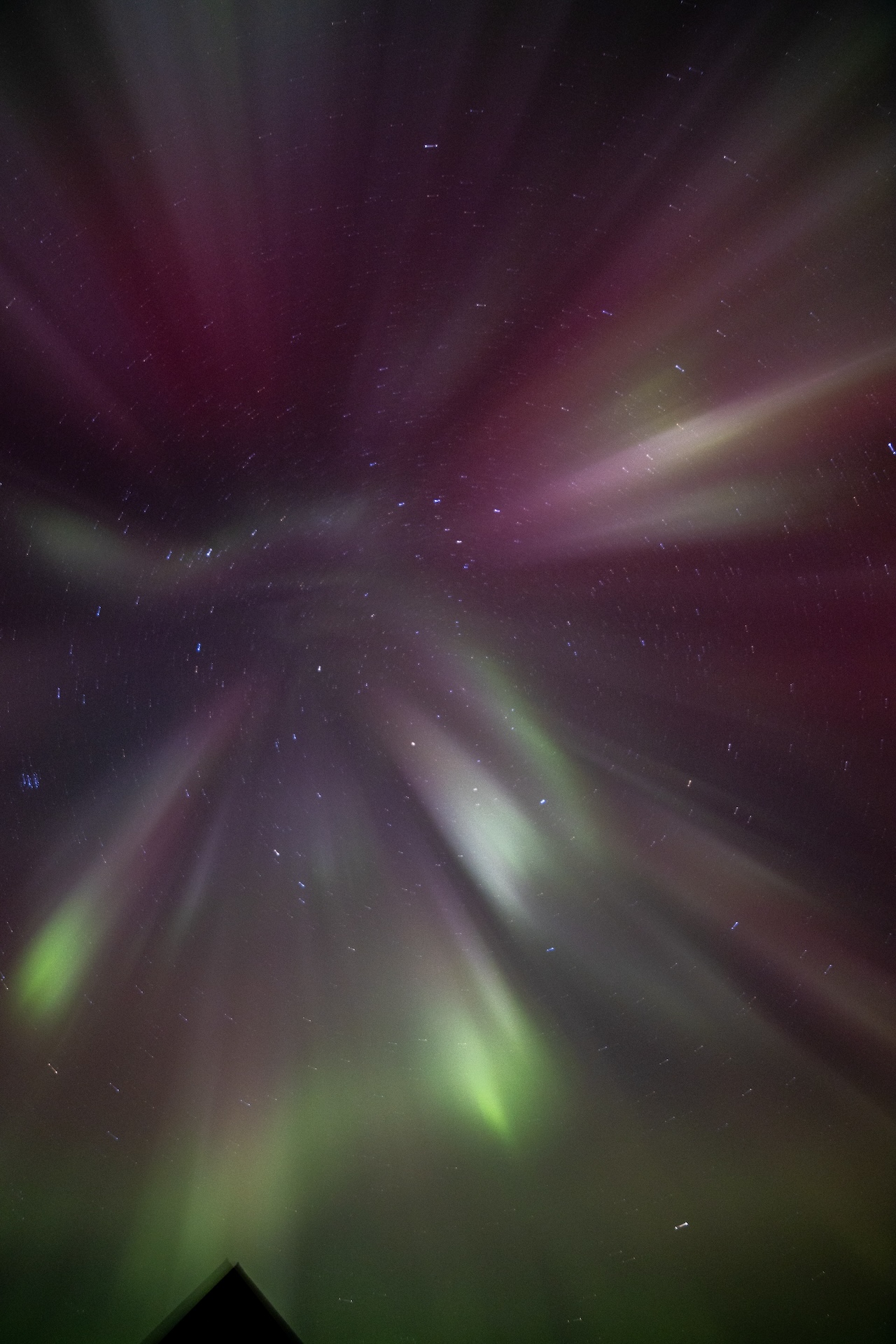
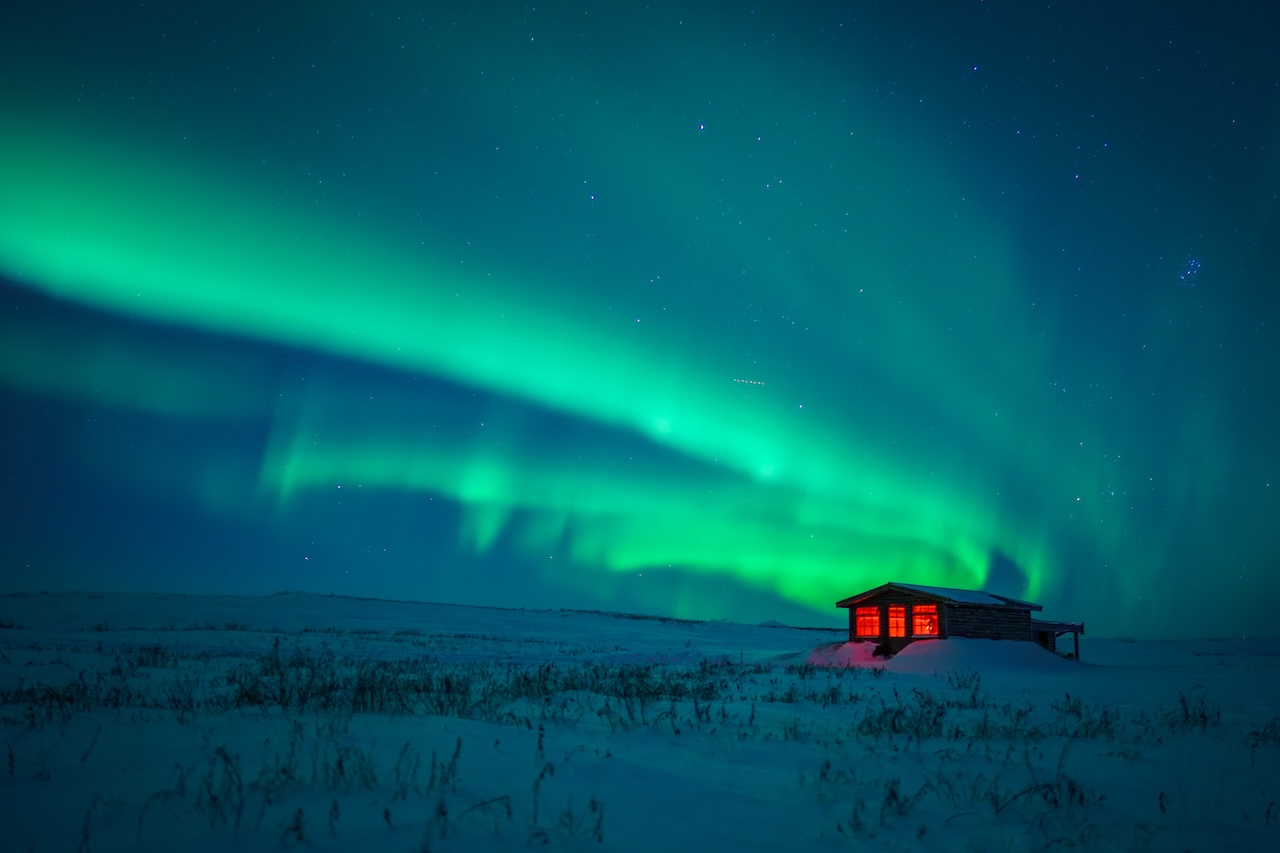
During my trip to Iceland, my dreams of seeing the Northern Lights came true. There was no expectation, no anticipation — just the understanding that if it happened, it would happen. And then, almost imperceptibly, it did. During dinner at Restaurant Rangá, one of the staff members started clinking their glass to make an announcement: the aurora had just been spotted. The restaurant’s team invited all of the guests who wanted to pause their meals and go take a look at the night sky to do so, which I, of course, did, and ran with the masses to the nearest door.
At first, it was subtle — a faint glow stretching across the sky. Easy to miss at first, if you weren’t paying attention. But then it began to shift as the night went on. The color deepened, the movement became more pronounced, and suddenly the sky was alive — rippling, expanding, changing in ways that felt impossible to predict. I stepped out into the cold, surrounded by complete darkness, and just stood there, smiling ear to ear, witnessing the pure magic of Mother Nature.
“You’re watching the sun’s energy travel across space and meet our atmosphere,” Cooper explains of the aurora. But in that moment, it didn’t feel like science. It felt like magic. Throughout the rest of the evening, I moved between the observatory and the open fields just beyond it, and drifted in and out of the hotel as the night deepened. Each time I stepped back outside, the sky had shifted again — subtle at first, then increasingly alive, as though it was building toward something we couldn’t quite predict. I found myself checking the time almost absentmindedly, marking the hours not by a schedule, but by the way the lights evolved.
What began as soft, distant movement gradually intensified, the greens growing brighter, more defined, until, nearing midnight, the entire sky seemed to open up. It stretched wide above me, pulsing and rippling in a way that felt almost impossible to comprehend. I remember standing there, completely still, a smile fixed on my face that I couldn’t have shaken if I tried. And then, midnight arrived — marked by the quiet awareness that I was stepping into a new year of my life beneath something so vast, so beautiful, and so fleeting. It felt like pure bliss in its simplest form.
What surprised me most was how quiet it all felt. There was no dramatic crescendo, no sense of spectacle in the way you might expect from something so visually extraordinary. Instead, it unfolded in near silence, the light moving slowly, almost thoughtfully, as if it had its own rhythm entirely separate from ours. The longer you stand there, the more your eyes adjust, picking up subtle shifts in color and movement — soft greens intensifying, edges blurring and reforming, streaks appearing and dissolving in seconds. And in that stillness, you just watch. Fully present, completely absorbed, aware that this is something you can’t recreate or predict — only witness as it happens, and carry with you long after it’s gone.
The Invisible Layer: Why Everything Worked
What made the experience so seamless wasn’t just luck — it was the invisible layer of planning behind it. From the positioning of the hotel to the pacing of each day, from the flexibility built into the evenings to the integration of tools like Aurora Buddy, every element was designed to increase the likelihood of that moment happening.
Cooper didn’t just build Off the Map around the aurora — he also created Aurora Buddy, an AI-powered platform designed to help travelers better understand when and where they might see it. But importantly, it doesn’t try to remove the unpredictability that makes the Northern Lights so powerful. Instead, it reframes it.
“The aurora is really not that predictable, but it’s that unpredictability that is a big part of the magic,” he explains. What Aurora Buddy does is take the complexity behind aurora forecasting and translate it into something intuitive and usable in real time. Rather than forcing travelers to interpret technical data, the platform provides a clear sense of when it’s worth stepping outside, and when it’s better to wait. “We use AI to interpret the signals that actually matter in real-time — space weather, cloud cover, and local conditions — and translate them into something guests can act on,” Cooper continues.
During my trip, that shift in understanding made a noticeable difference. There was no sense of urgency or stress, no constant checking or second-guessing. Instead, there was a quiet awareness — a sense of being guided by the conditions rather than chasing them. And perhaps most interestingly, Aurora Buddy doesn’t just function as a tool, but as a shared experience. Travelers can upload sightings, connect with others nearby, and contribute to a collective understanding of where and when the lights are appearing — all of which I happily partook in.
“It turns the aurora from a private chase into a shared moment — still wild, still unpredictable, just a lot less stressful,” he shares. In a journey defined by stillness and presence, it feels like the rare kind of technology that enhances the experience without ever distracting from it.
What Stays With You
When I think back on the trip now, the Northern Lights are, of course, the most visually striking memory. But they’re not the only thing that stayed with me. It’s the quiet moments — the stillness of the countryside, the scale of Þórsmörk, the warmth of the lagoon against the cold air, the feeling of being completely present in a way that’s difficult to replicate in everyday life.
“If someone comes home feeling changed, not just impressed, then we’ve done it properly,” says Cooper. And looking back, that feels like the most accurate way to describe the experience that Off the Map provides.
The Northern Lights are never guaranteed. Not in 2026. Not ever. But in a year where the conditions are as strong as they’ve been in over a decade, the opportunity is undeniable. Still, what ultimately determines whether you experience them isn’t just timing; it’s how you choose to approach the journey itself.
Because the magic of the aurora isn’t just in the moment it appears. It’s in everything that allows you to be there when it does.


