









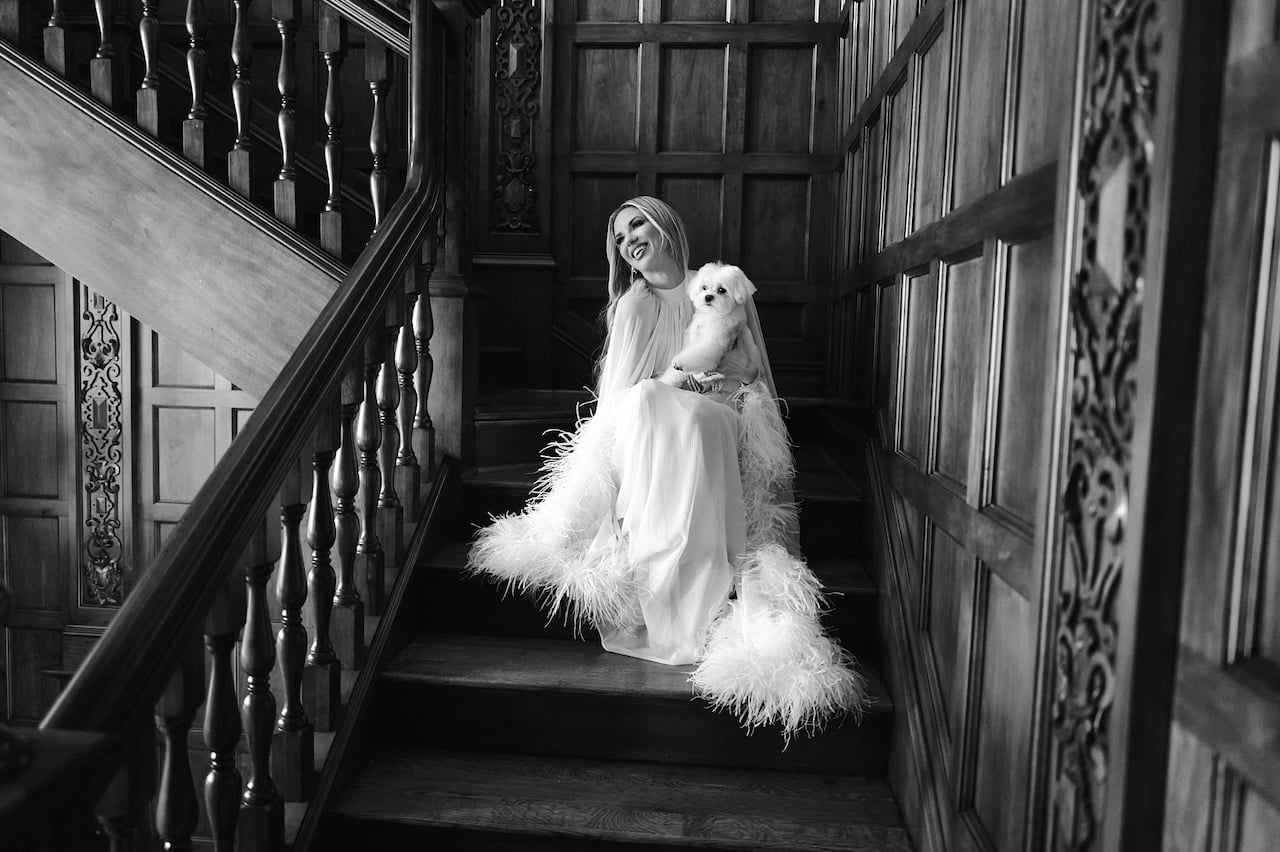
Photographer: Johnny Lavallee
Stylist: Carlos Alonso-Parada
Makeup: Virdi Anarivas
Hair: Jonathan Masters
For Marcella Raneri, movement has always been more than choreography. It is a language — one that exists somewhere between instinct and discipline, emotion and form. On stage, that language unfolds through gesture and rhythm, but off stage it continues in quieter ways: in the silhouettes she gravitates toward, the creative collaborations she pursues, and the values that guide her life beyond performance.
Today, the dancer moves fluidly between worlds — art, fashion, and philanthropy — yet the origin of her creative identity remains deeply personal. Long before dance became a career, it was simply the way she understood the world.
“I think I realized it before I even had the language to describe it,” she tells GRAZIA in an exclusive interview. “As a child, movement felt instinctive, almost like a second voice.”
That early instinct revealed something powerful: movement could hold emotions that words could not.
“I remember discovering that certain emotions I couldn’t articulate with words could suddenly exist in a gesture, a turn, a pause in the music,” she explains. “Dance unlocked a kind of honesty in me. It allowed me to express vulnerability without needing to explain it.”
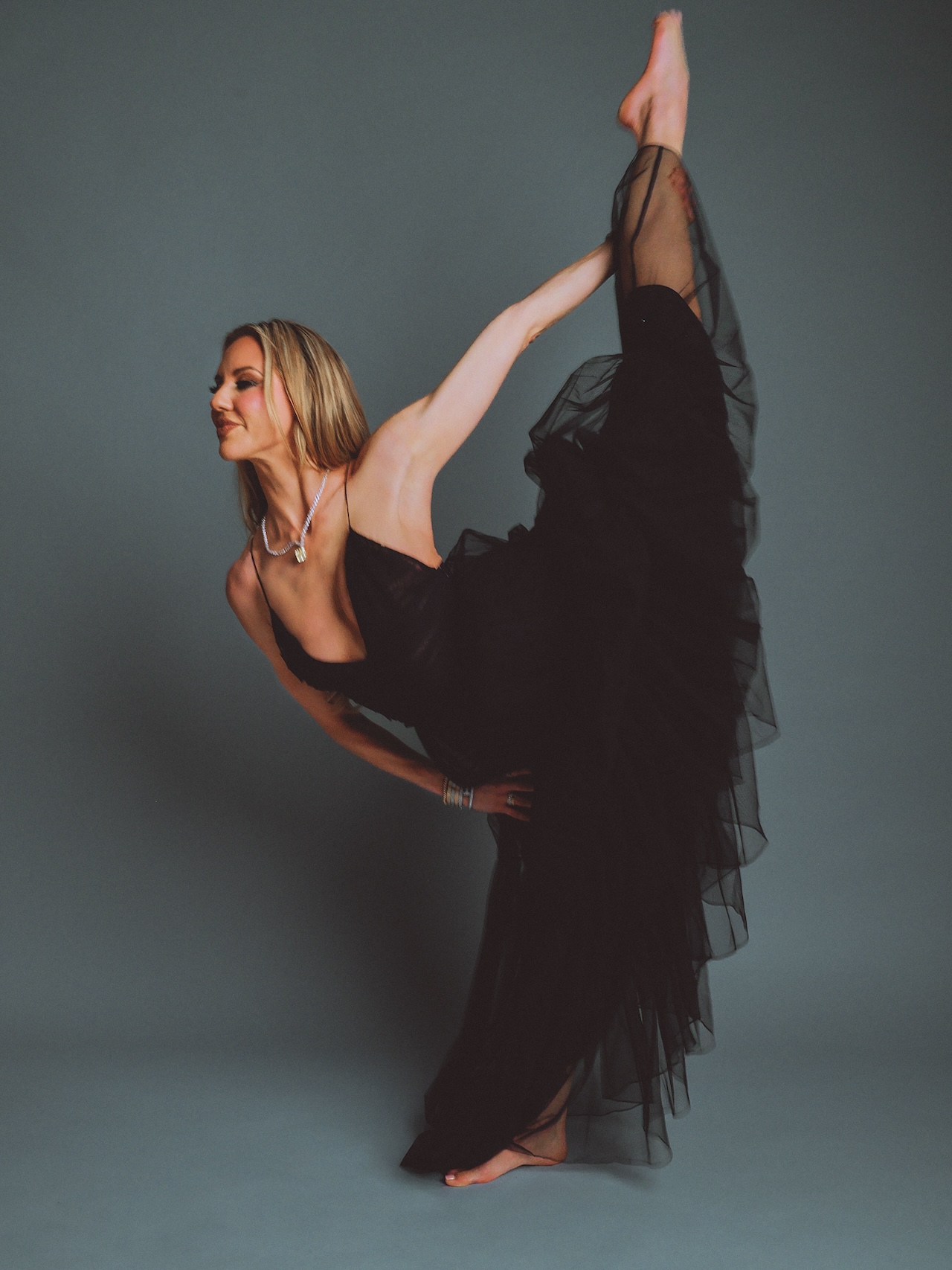
Photographer: Johnny Lavallee
Stylist: Carlos Alonso-Parada
Makeup: Virdi Anarivas
Hair: Jonathan Masters
That emotional clarity still shapes the way she approaches her craft today. While audiences often experience dance as effortless expression, Raneri knows that sense of freedom is built upon years of rigorous discipline.
“For me, discipline is actually what creates freedom,” she says. “The years of repetition, the technical training, the constant refinement of small details… They build a kind of trust with your body.”
Only once that trust exists can a dancer truly surrender to the moment.
“Once that foundation is there, you can step on stage and let go. The technique becomes invisible, and what remains is the emotion.”
Where Fashion and Movement Intersect
For Raneri, dance does not exist in isolation from the visual world around it. Fashion, in particular, has become an extension of the same expressive language she uses in performance.
Both disciplines rely on the body as their medium. A garment, like choreography, can transform posture, mood, and the energy a person brings into a room. The interaction between fabric and movement becomes a quiet dialogue.
“Clothing changes everything,” she says. “A fabric, a silhouette, the way something drapes or restricts: it can completely alter the energy of movement.”
For Raneri, that relationship makes fashion feel almost choreographic in nature.
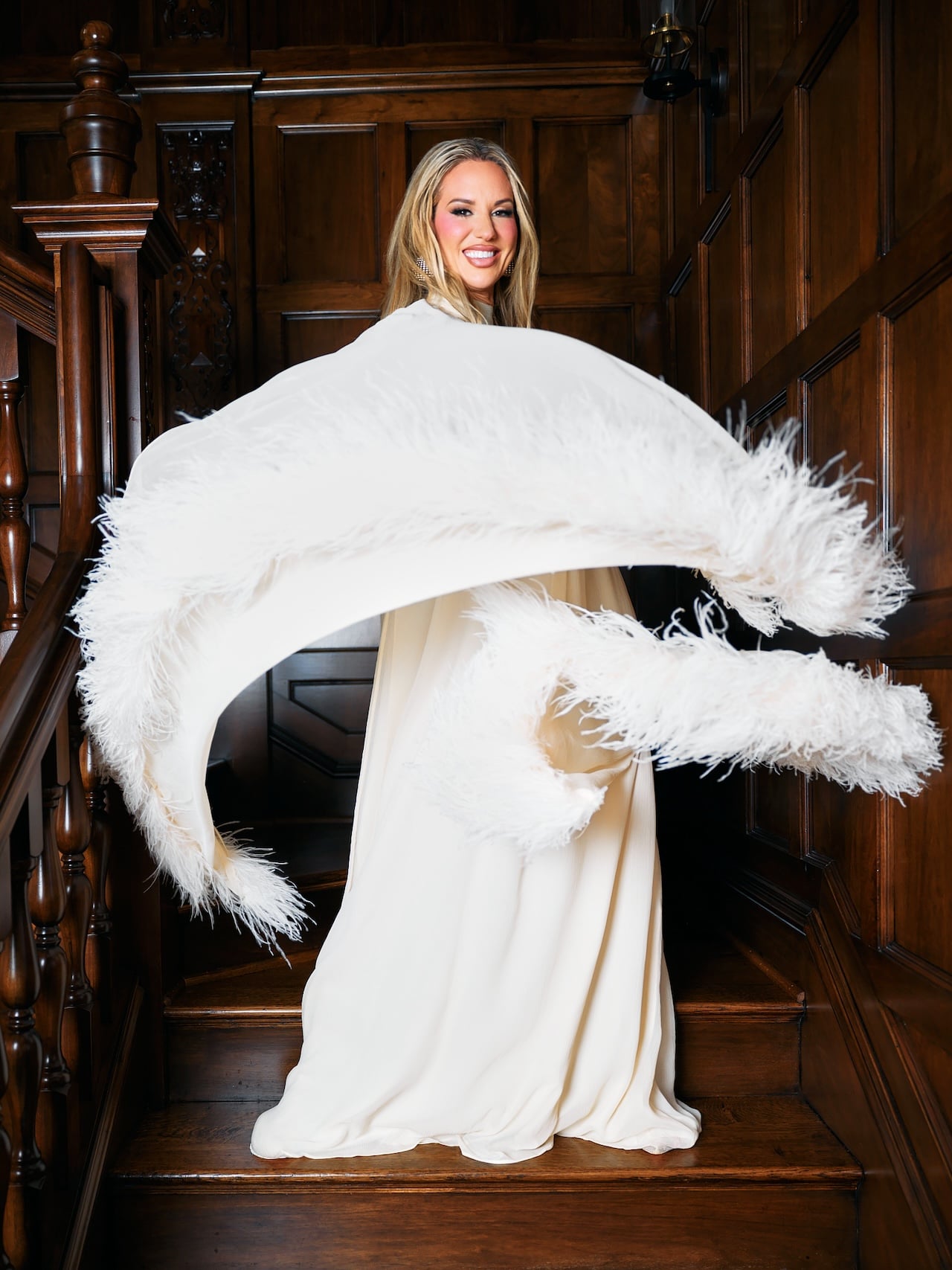
Photographer: Johnny Lavallee
Stylist: Carlos Alonso-Parada
Makeup: Virdi Anarivas
Hair: Jonathan Masters
“A structured piece might create a sense of power and control, while something fluid encourages softness and expansion,” she explains. “I love that dialogue between garment and body. In many ways, fashion becomes another choreographic element.”
Her personal style reflects that same philosophy of movement and ease. Like many young artists, Raneri once approached fashion as experimentation — trying on aesthetics the way a performer might try on roles. Over time, however, that experimentation gave way to intuition.
“My style has definitely evolved with me,” she says. “When I was younger, I experimented a lot, trying different aesthetics, almost like trying on different identities.”
Today, her approach is quieter and more intentional.
“I gravitate toward pieces that feel effortless but intentional: clean lines, beautiful fabrics, something that moves with the body. I suppose it mirrors my approach to dance now — less about proving something, more about expressing who I am.”
Finding Confidence in Authenticity
Like many artists, Raneri’s most important transformation did not happen during a single performance. Instead, it unfolded gradually — through the slow realization that her artistic voice did not need to conform to anyone else’s expectations.
“I think the most transformative moment wasn’t a single performance, but a gradual realization that I didn’t need to fit a predefined idea of what a dancer should be,” she says.
Early in her career, external validation felt inevitable. Teachers, directors, and audiences all played a role in shaping the environment she was navigating. But with time came a deeper trust in her own instincts.
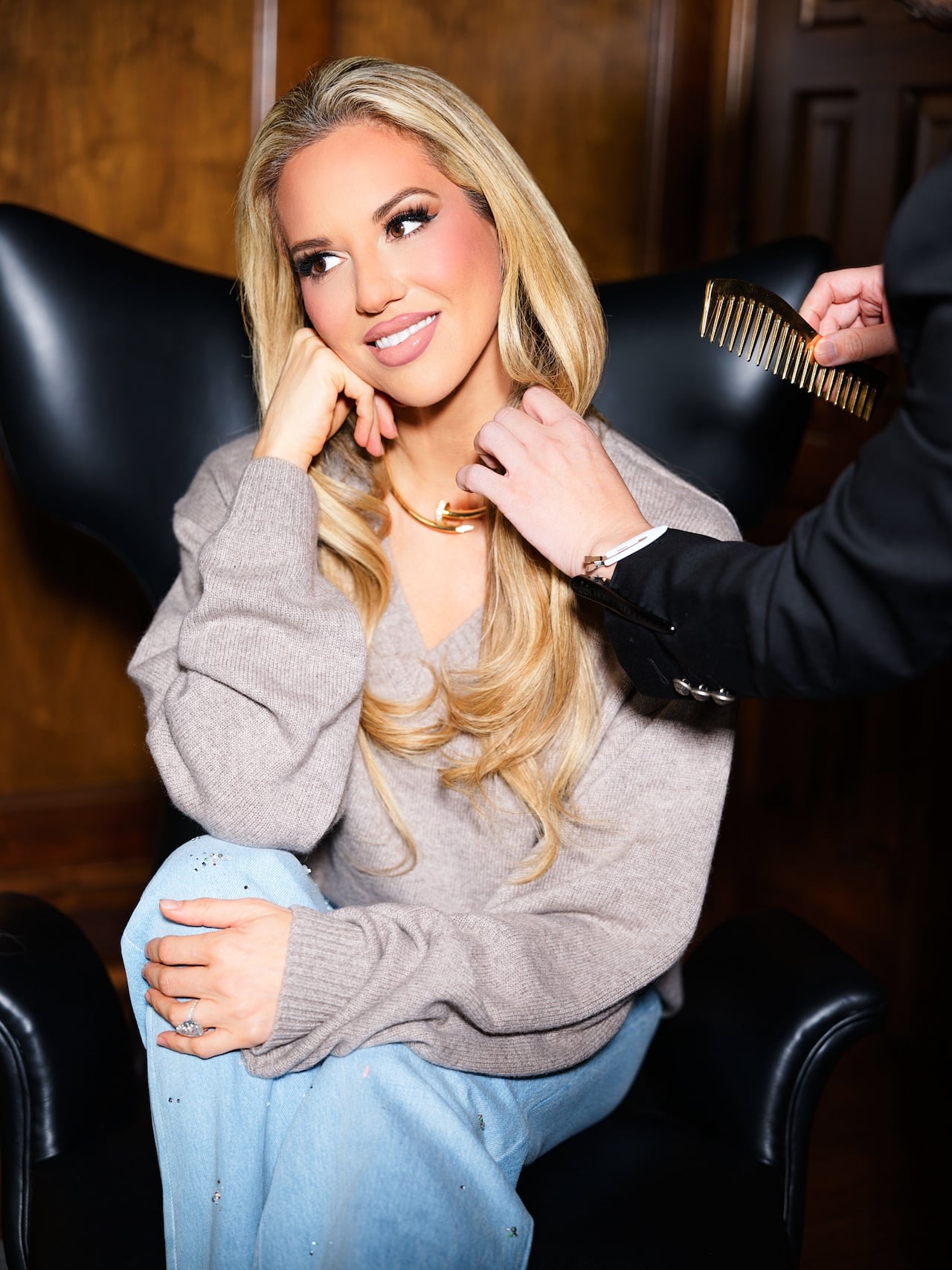
Photographer: Johnny Lavallee
Stylist: Carlos Alonso-Parada
Makeup: Virdi Anarivas
Hair: Jonathan Masters
“That shift created a new level of confidence and clarity,” she says. “I started approaching movement not just as technique, but as a personal language.”
In that moment, dance became something far more intimate.
“When that happened, dance became much more than performance, it became a way of expressing identity.”
The Discipline — and Vulnerability — Behind the Art
While dance often appears graceful and effortless to an audience, the reality behind it is far more demanding. The profession requires physical precision, emotional openness, and a resilience that is rarely visible from the outside.
“Self-doubt is part of any artistic journey,” Raneri says. “Dance is incredibly demanding, both physically and emotionally, and there are moments when you question yourself.”
Over time, she has come to see vulnerability not as something to overcome, but as an essential part of growth. Returning to the joy that first drew her to dance has remained her compass.
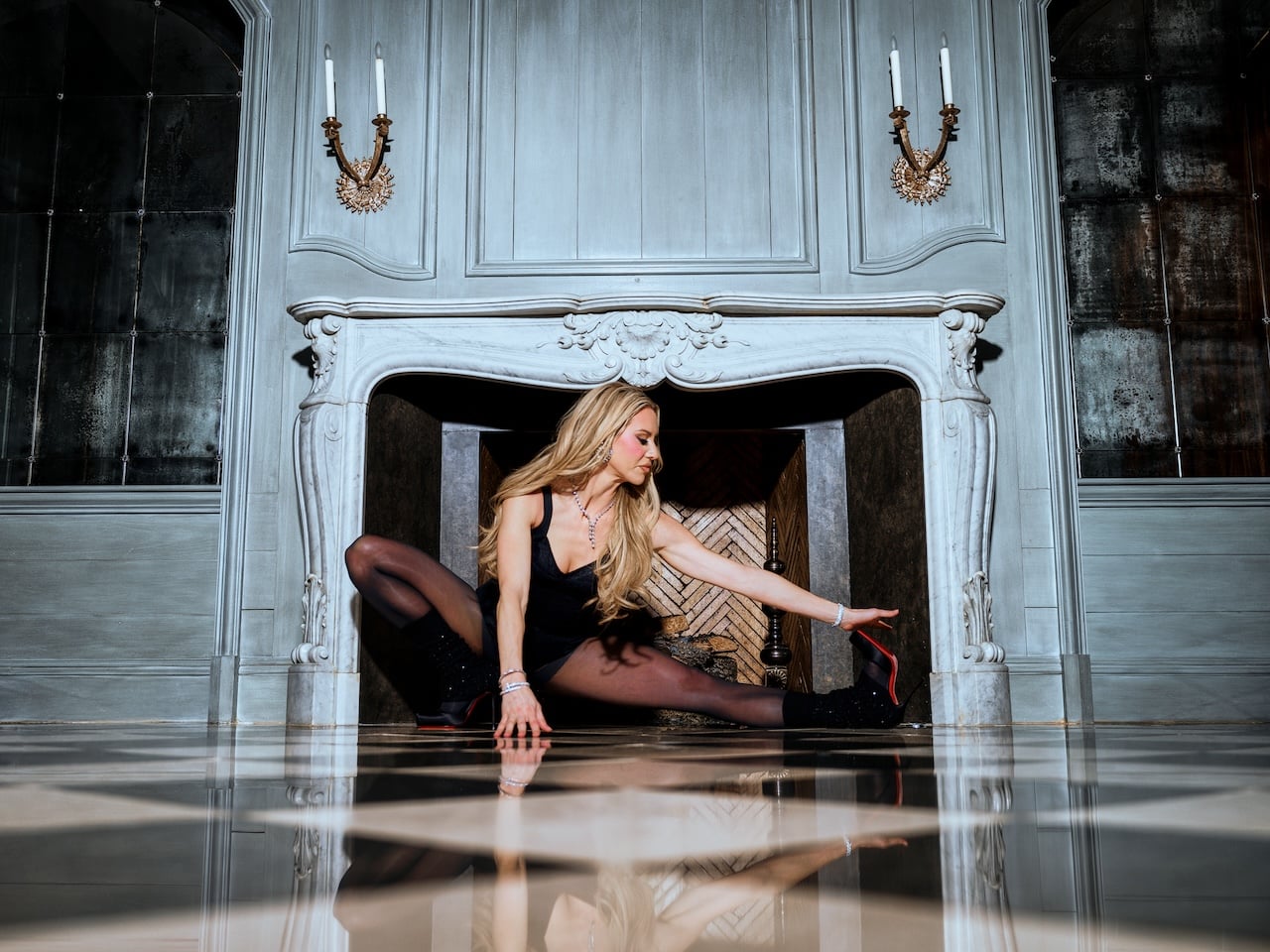
Photographer: Johnny Lavallee
Stylist: Carlos Alonso-Parada
Makeup: Virdi Anarivas
Hair: Jonathan Masters
“I try to stay grounded, focused on the joy of movement, the discipline of training, and the reason I fell in love with dance in the first place.”
A Life Taking Shape Beyond the Stage
Outside the studio, Raneri is also entering a new chapter of her personal life. She is currently preparing for her upcoming wedding in Gstaad — an experience that has offered a sense of grounding within an otherwise transient artistic career.
“Life as an artist can feel very transient… constantly moving between projects, places, identities,” she says.
Planning a wedding, however, has introduced a different perspective.
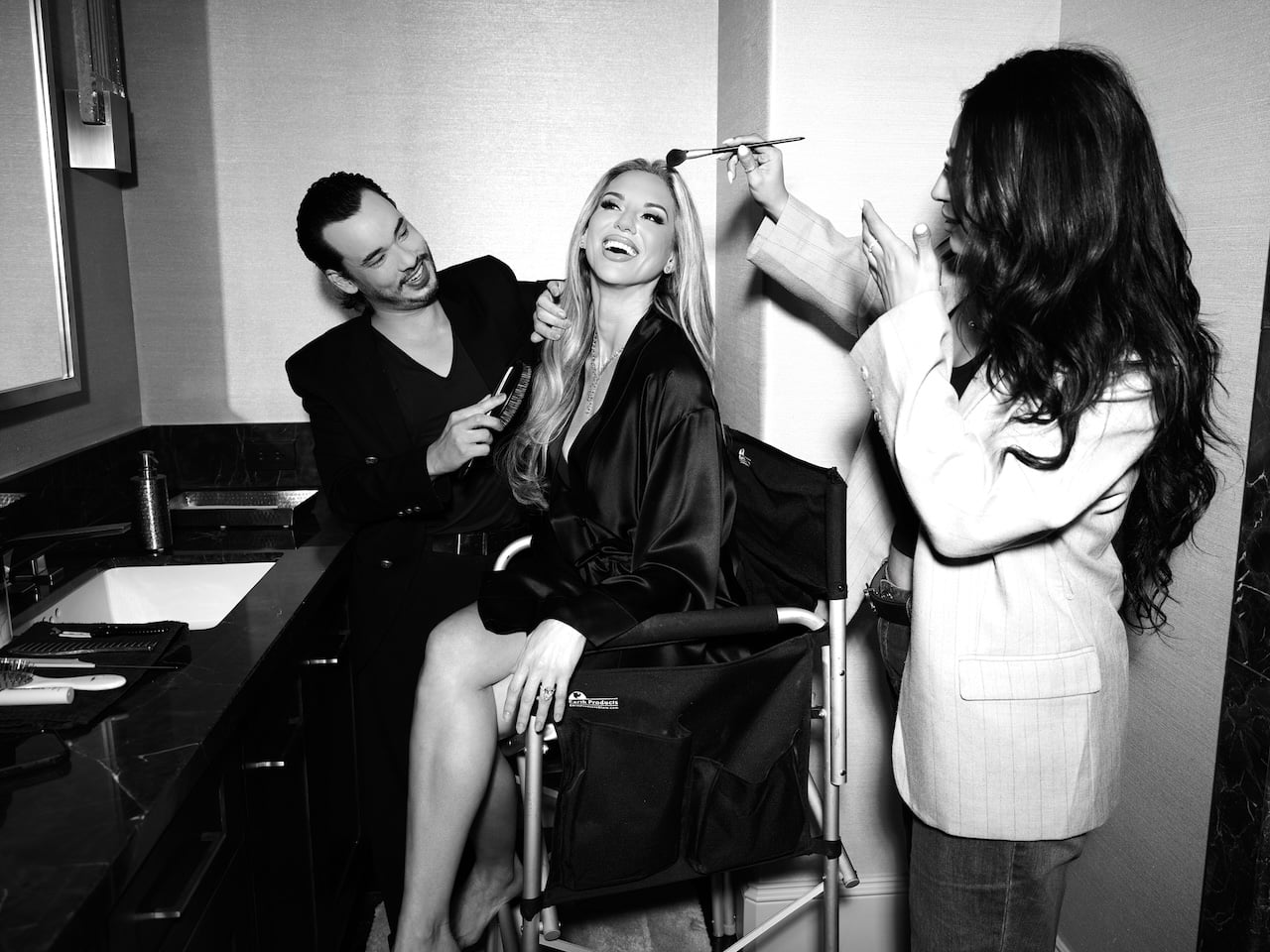
Photographer: Johnny Lavallee
Stylist: Carlos Alonso-Parada
Makeup: Virdi Anarivas
Hair: Jonathan Masters
“It’s made me think about legacy, about building something meaningful beyond the stage. Creatively, it’s also reminded me how powerful rituals and shared moments can be.”
Even the design of her wedding dress carries personal significance. Rather than approaching the process purely as fashion, Raneri describes it as an emotional collaboration built on trust.
“What makes it especially meaningful is that my dress is being designed by someone with whom I’ve built a very special relationship over time,” she tells us.
The result reflects more than aesthetics — it reflects who she has become.
“The design is incredibly beautiful, but more importantly, it feels like me. It reflects the woman I am today, my personality, my sensibility, and the journey that has brought me to this moment.”
Using Art and Influence with Intention
Beyond dance and fashion, Raneri has also devoted energy to philanthropy alongside her partner through the Daniel and Marcella Nutkis Charitable Foundation.
“Giving back has always been something very important to both Dan and me,” she says.
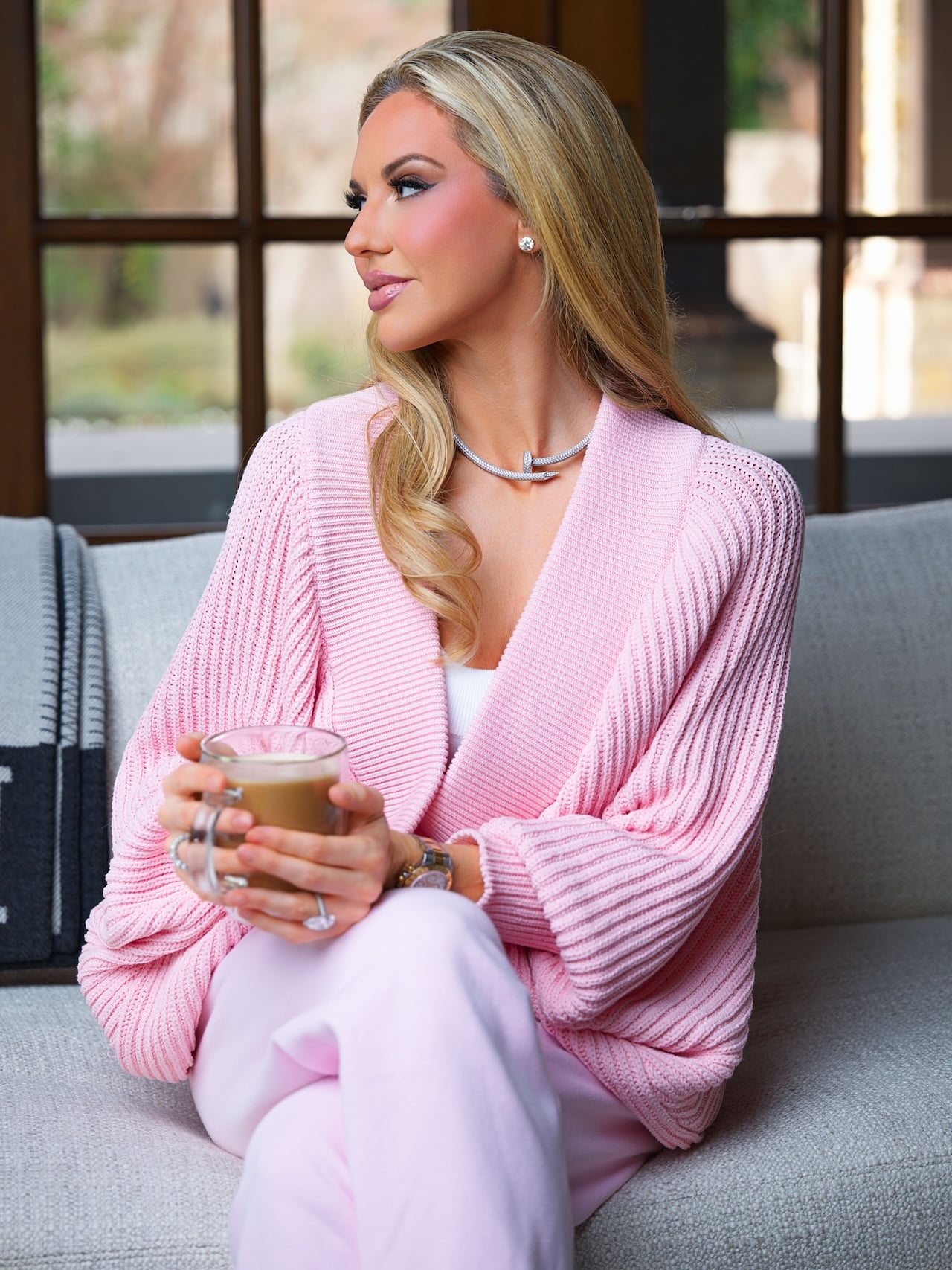
Photographer: Johnny Lavallee
Stylist: Carlos Alonso-Parada
Makeup: Virdi Anarivas
Hair: Jonathan Masters
The foundation supports initiatives focused on improving access to healthcare, helping children, and assisting underserved communities — an effort rooted in a belief that success should extend beyond personal achievement.
“True success is measured not just by what you accomplish personally, but by the positive difference you help create.”
For Raneri, the connection between dance and philanthropy is deeply tied to storytelling.
“Dance is a form of storytelling that transcends language,” she explains. “Behind every cause there are human stories, and those stories are what truly move people.”
Supporting those stories, she says, is another way of using her platform with purpose.
The Moment When Everything Disappears
When Raneri performs, there are moments when years of discipline fade into instinct.
“It’s a very special state, almost like time slows down,” she says. “The technical aspects that you’ve practiced for years become completely instinctive, and you stop thinking about them. Instead, you’re fully present in the music and the emotion of the moment.”
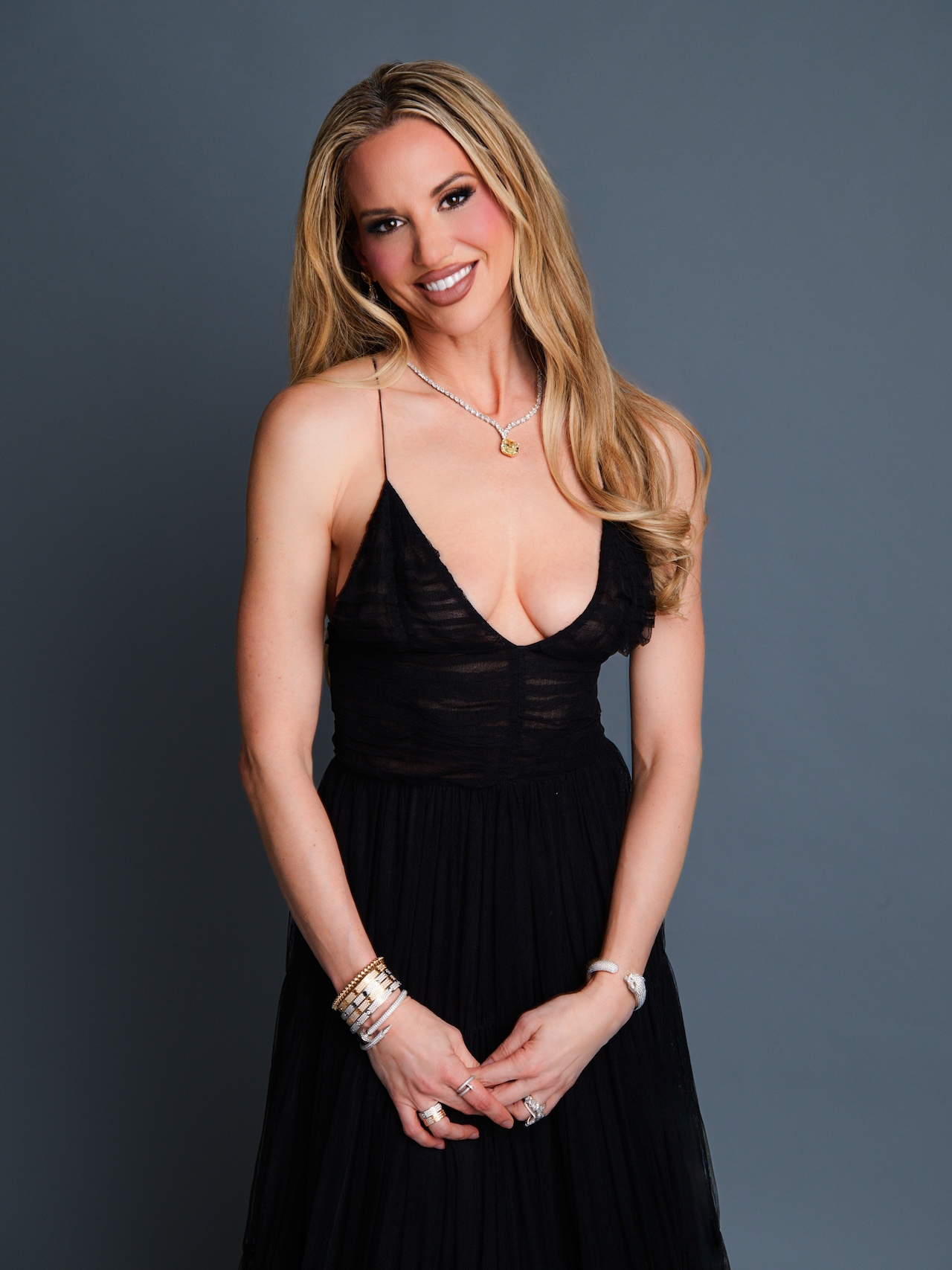
Photographer: Johnny Lavallee
Stylist: Carlos Alonso-Parada
Makeup: Virdi Anarivas
Hair: Jonathan Masters
The experience becomes something closer to conversation than performance.
“In those moments, you’re not performing for the audience, you’re simply sharing something real.”
Looking ahead, Raneri hopes to continue exploring that intersection of artistry, authenticity, and impact.
“Ultimately, I hope to be someone who not only creates beauty through art, but also contributes positively to the world around me.”


