



Newsfeed

Our cultural crafts are an integral part of who we are, and the people behind them deserve all the recognition for their contribution towards preserving heritage. Therefore, it’s essential to revive and revitalise the local handicrafts sector as an empowerment movement for artisans, especially craftswomen.
This can only be executed with relentless effort and a clear direction, which, in the UAE, came from Her Highness Sheikha Jawaher bint Mohammed Al Qasimi, wife of His Highness the Ruler of Sharjah, and Chairperson of the Irthi Contemporary Crafts Council.
Since its establishment in 2015 under her patronage, the organisation has been transforming the social and economic lives of women artisans across the Emirates, the wider MENA region, and Asia, spreading and elevating their ancestral works around the world.
A decade of uplifting tradition and reshaping livelihoods
This year, as Irthi marked ten years of providing impactful programmes and leading global collaborations, the council organised over seven local and global events, including in Sharjah, London, Basel, and Moscow, and launched five new strategic partnerships. The organisation’s directive is to upskill craftswomen through training, promote cultural exchange, and open new opportunities in the marketplace for their creations.
Beginning in Sharjah, the initiative has reached the shores of 13 countries, spanning a growing network of 640 artisans. In 2019, thanks to these efforts, UNESCO crowned Sharjah a “City of Crafts and Folk Art” for the preservation and promotion of Talli, the UAE’s traditional handicraft of braiding colourful threads into garments and fabrics.
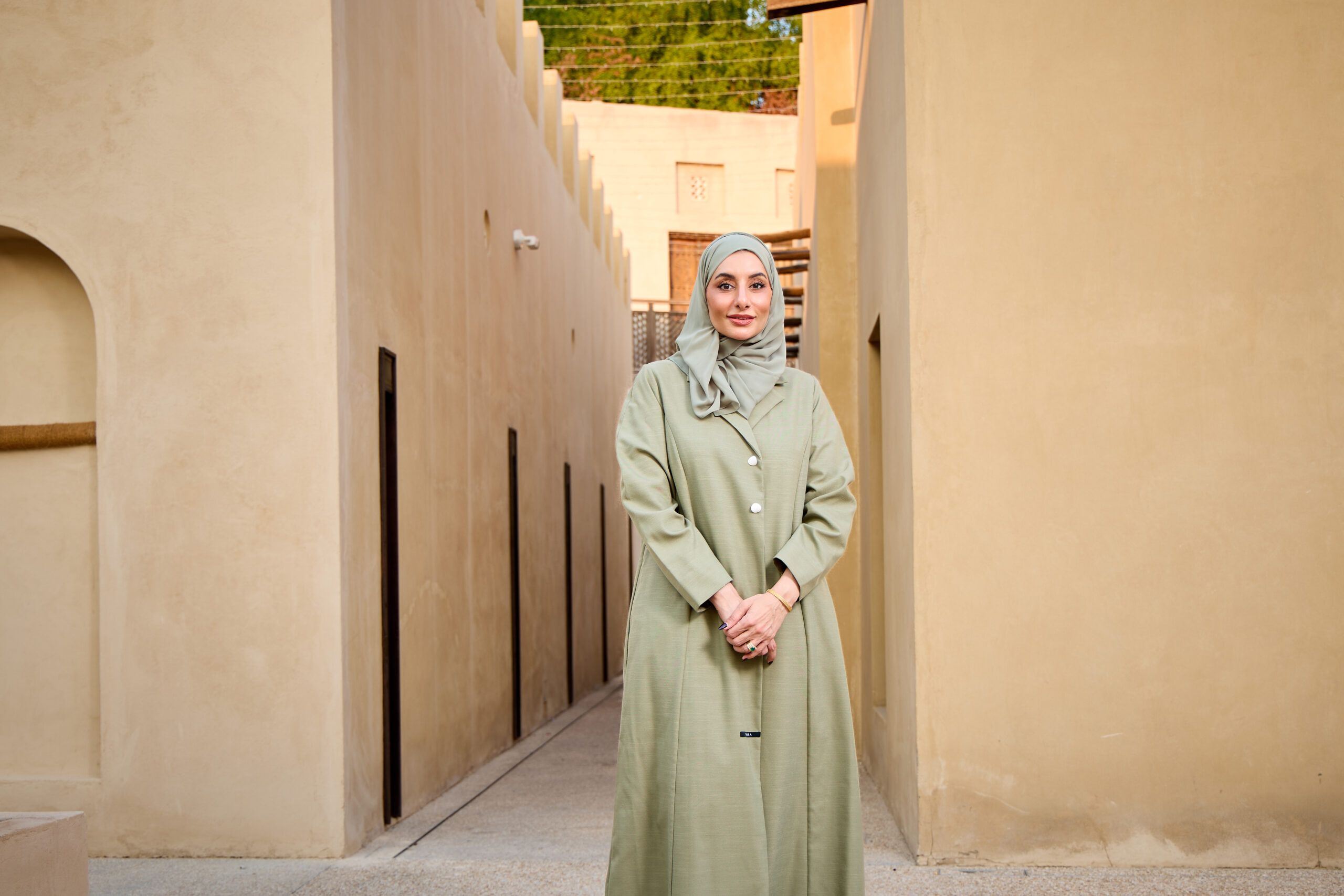
Reaffirming the commitment of carrying the 10-year legacy forward, Her Excellency Reem BinKaram, Director General of Irthi Contemporary Crafts Council, noted, “Guided by the vision of Her Highness Sheikha Jawaher, we are committed to developing a thriving creative sector that deeply values the contributions of craftswomen, equips them with the latest resources to stay ahead of market dynamics and lead a global momentum of heritage revival.”
She added, “In the next phase, the council builds on the global momentum created by the reimagined heritage crafts’ landscape, ensuring that younger generations find meaning, purpose, and fulfilment in this creative sector that is rooted in tradition and yet evolves to cater to a forever-changing audience and marketplace.”
From the UAE to the world
To demonstrate the enduring relevance and resilience of the nation’s legacy, Irthi has seamlessly blended tradition and modernity, using ancient techniques to create contemporary accessories, decor, fashion, and much more. These innovative forms have dispelled the notion that handicrafts belong in a bygone era; rather, they are dynamic and versatile, in aesthetics and in purpose.
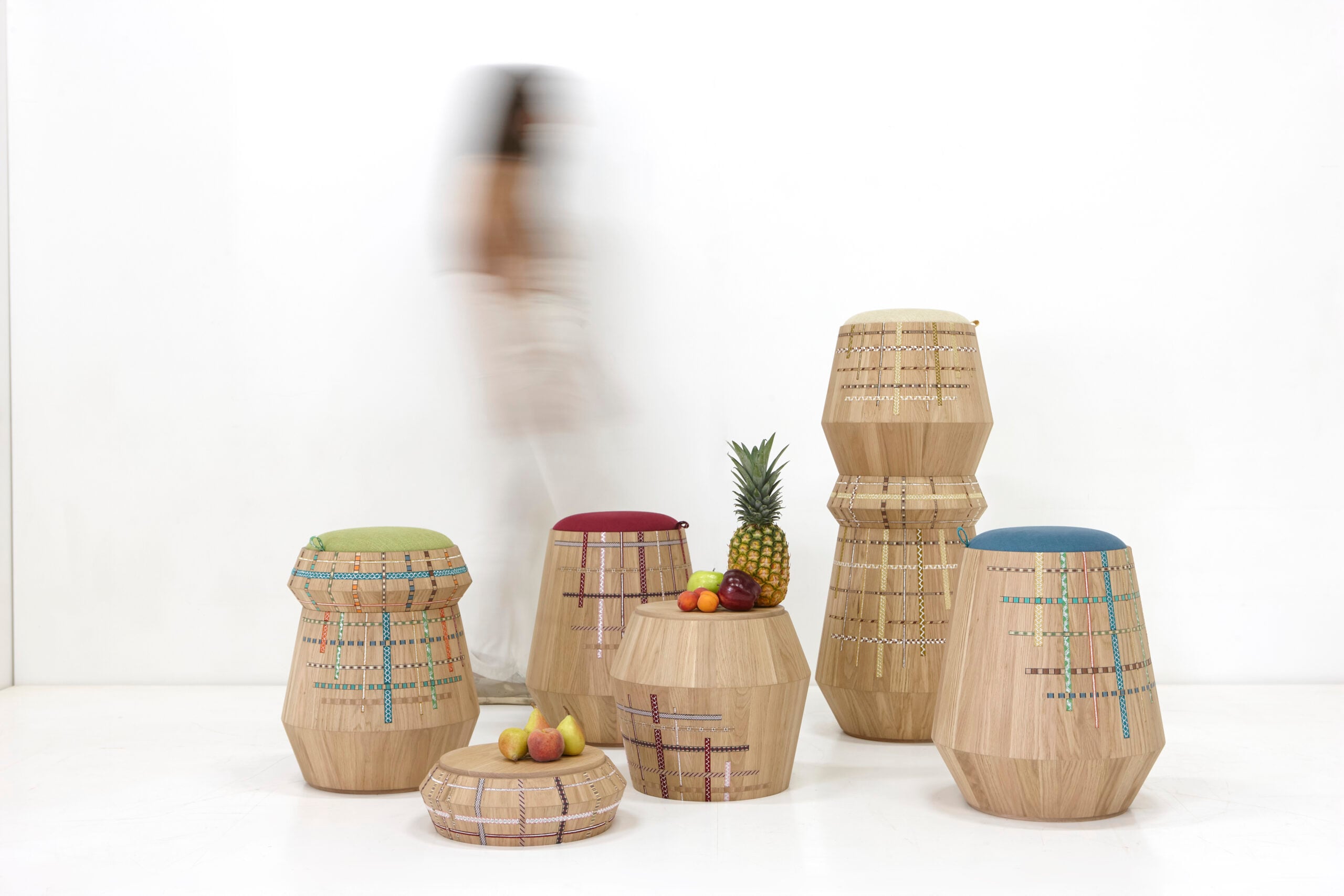
Inspired by Emirati heritage, this fusion of perceptions is vividly demonstrated in the council’s collections, including ‘Al Taif,’ ‘Moui,’ ‘Tilad,’ ‘Nadd,’ and ‘Sofra,’ among others. Energised by cross-cultural collaborations, locally-sourced materials such as metallic thread or palm fronds have met the likes of Mexican pine or volcanic rock, Palestinian glass or Italian Murano.
Through collaborations with its partners, several of whom are leading names in the world of design, such as Bvlgari, Cartier, and Design Miami, the organisation has showcased the work of Emirati craftswomen at prestigious global fairs in Paris, London, Dubai, Moscow, Shanghai, Milan, and São Paulo.
Bridging cultures, sharing knowledge
In its community programmes, Irthi has brought together Emirati, Palestinian, Jordanian, and Pakistani craftswomen to exchange, experiment, and learn each other’s techniques, designs, and cultures.
Irthi is also attempting to close the generational gap by elevating the appeal of Emirati heritage crafts for younger audiences, who are known for their affinity for digital content. The council’s free “Hiraf” app invites users to virtually practice the braiding and weaving techniques used in the traditional Emirati arts of Talli and Safafah, even providing the option of having their online creation 3D printed.
The UAE has been at the crossroads of past civilisations and is today a modern gateway to cultural dialogue. Sharjah, recognised by UNESCO as the Cultural Capital of the Arab World in 1998 and Capital of Islamic Culture in 2014, has always valued the role of shared history and practices in shaping the identity of a community.
Irthi is proving that by placing heritage crafts where they belong, in contemporary markets, global conversations, and in our everyday lives, we can ensure that traditions are not left behind in the name of progress but continue to be integrated in today’s world.


