

Newsfeed
A slicked-back bun in the office communicates empowerment; a bouncy blowout for a girls’ night out embraces the wild and free, while intricate updos can make us feel put together for a formal event. Hair holds memories, and often we change its length and colour to welcome the new. But beyond that, our hair, like makeup and clothing, is a way for us to express our personal identities and connect with our heritage. The ritual surrounding hair differs across cultures and regions, such as various braid patterns that anchor people to cultures originating in Africa, while others connect people to Nordic communities dating back to the Vikings; kitchen remedies from Latin communities stand alongside the ritual of hair oiling as a common practice in many Eastern households. For this reason, hair is a language that conveys the identity of the past and present, particularly here in the Arab region.
The ’60s saw global cultural change, as women’s style in its early years drew inspiration from Jackie O’s iconic tailored co-ords. In contrast, the later years saw a dramatic shift, embraced by the boho energy of the flower-power era, and empowered by the feminist movement, which found freedom through activism and style. Over the span of these 10 years, hairstyles like the beehive and bubble bob required a lot of teasing and hairspray, with the mantra “the higher the better,” while Brigitte Bardot introduced bangs and long layers as a statement of effortless chic, which helped define a French aesthetic. Style and trends define generations – Jennifer Aniston’s famous ‘Rachel’ haircut from her Friends character dominated the ’90s, and Sabrina Carpenter’s perfected curtain bangs took over the internet in more recent years, displacing the blunt-bob era that seemed to take over the early 2020s.
The Arab world has long played a defining role in fashion and beauty, and as the region modernised, waves of Western culture seemed to infiltrate the beauty scene. During the 1960s, Arab countries entered a world of post-colonial urbanisation, and women in populous cities such as Cairo found ways to adapt hairstyles seen on celebrities and runways to their thicker, longer hair.
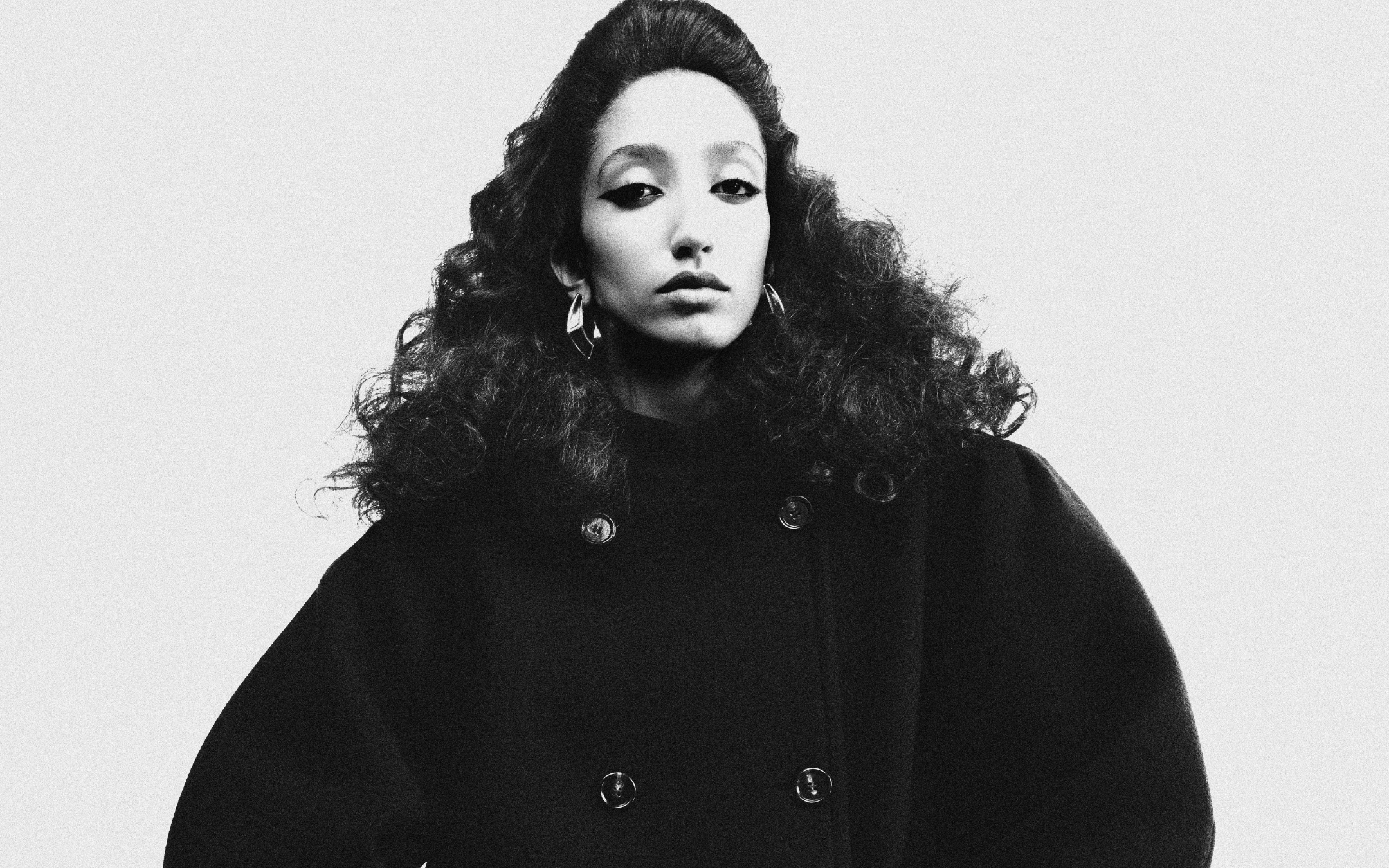
Eurocentric beauty became a global standard to which women were expected to conform, and inspiration made its way from the runways of Milan to the streets of Amman. For Beirut, this formative decade was a golden age, and the women of higher status found themselves inspired by the styles they saw at Paris couture shows, mirroring these voluminous updos, specifically the beehive and bouffant hairstyles that suited their thicker locks, while hairstylists asserted themselves as architects of beauty.
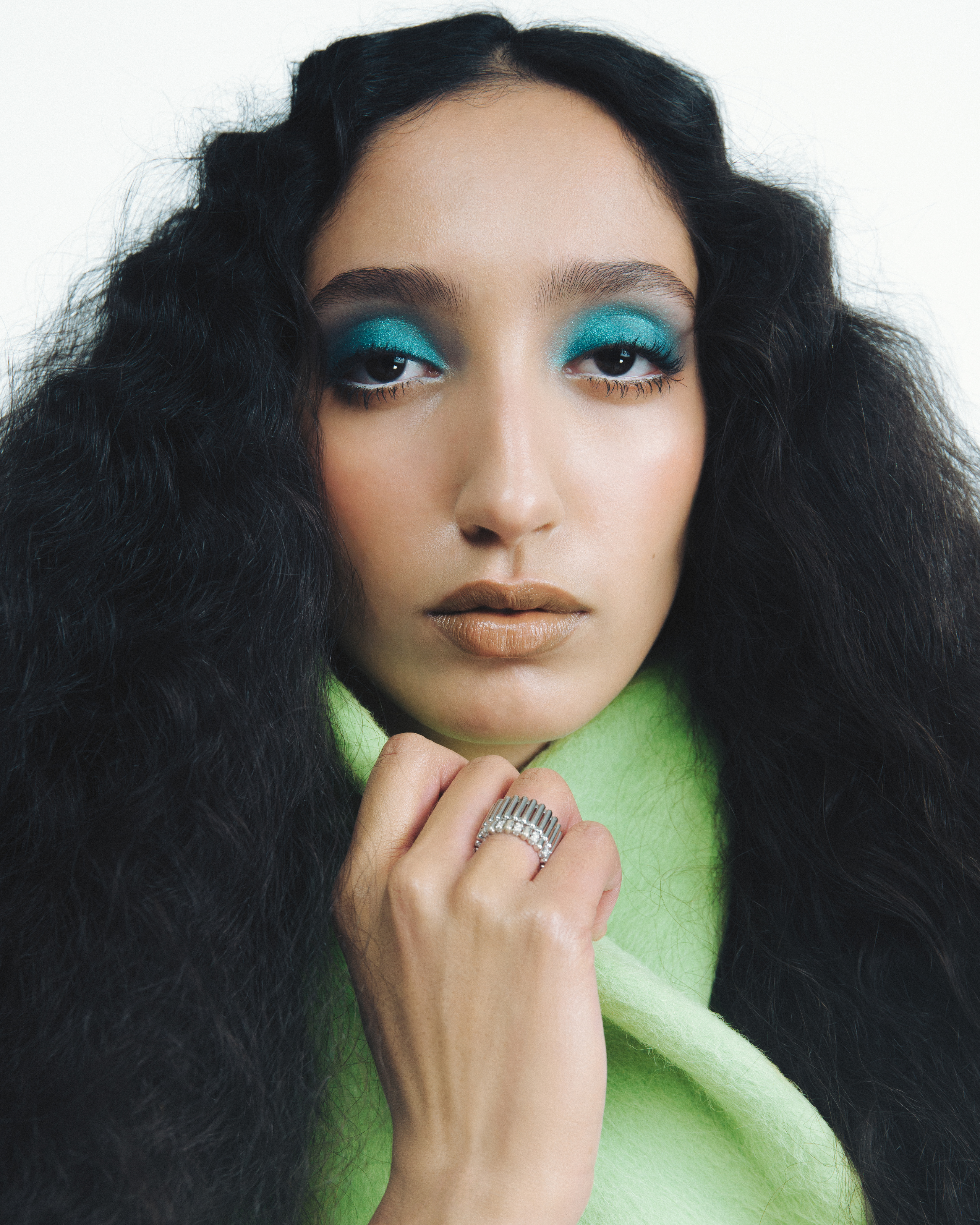
In these vibrant cities, hair became an identifier of the modern woman who adopted a cosmopolitan lifestyle, and hair salons became a social space for women to connect and converse. Moreover, the salon, which today we see as a simple luxury, was then a signifier of status. Access to hairstylists and international products was something only the elite could afford, and thus, having your hair professionally styled was an expression of socioeconomic identity, allowing these women to be at the forefront of trend movements.
In 1963, the film Cleopatra, starring Elizabeth Taylor as the strikingly beautiful female pharaoh, premiered and went on to win four Academy Awards, including Best Costume Design. Not only did this film become an instant classic, but it also helped usher in a trend for sculpted and precise chin-length bobs with shorter bangs, becoming a popular style among a younger generation who looked to film stars for inspiration. This reflected an apparent generational gap between them and women from older generations, who often found inspiration from the covers of magazines and their own traditional styles. Younger women were entering the workplace in greater numbers, creating a sense of independence, and this autonomy was reflected in the individuality they expressed through beauty. Beyond this, the rise of Arab cinema brought women and culture into the spotlight – no longer merely observers and admirers of fashion but a driving force as regional aesthetics and culture began to shape and influence the mainstream.
Like clothing, hair trends and patterns are ever-evolving and shaping the culture of the time. But perhaps the most vibrant era over the past century has been the 1970s – an era in which pattern and colour represented newfound freedom, and the disco and bohemian silhouette came alive. Makeup was bold, fabric flowed, and hair spanned everything from punky perms that left a generation’s hair chemically curled to the Allen Edwards-crafted ‘Farrah Fawcett flip ’, which screamed ‘the wider the wilder’. Overall, this was a generation defi ned by volume and texture, perfect for thicker and longer hair. A major beauty influence during this time was Lebanese singer Sabah, whose bleached-blonde, voluminous trademark look was perfected by her Beirut-based hairdresser, Naïm Abboud. These bombshell blonde curls personified disco glamour, which felt fitting for the ‘diva of music’, and embodied the fast-growing and vibrant nightlife scene in Lebanon at that time, which in turn reflected the economic growth and liberal values shaping the country. This period is largely characterised by a push for modernisation, inspired by Western ideals of progressivism. This trend was not uniform across the Arab region and existed alongside traditional and conservative ideals of neighbouring countries.
As Sophia Khalifeh, founder of Campy Chronicles and a fashion photographer with a background in culture, explains: “Different regions have different experiences via their politics and cultural dynamics.” In turn, as these dynamics and politics shift and transform, so do the people’s experiences. The rapidly expanding developments in Lebanon all came to a sudden halt in 1975 as the civil war broke out, which would last 15 years. Against the backdrop of this new reality, hair shifted from performance to practicality and gave space for tradition to reemerge. With power cuts and disruption of trade, access to hair tools and products became scarce. This is not to say that women gave up on being fashionable; on the contrary, they found ways to adapt to these difficulties, and haircare became an extension of self-preservation. They let their natural waves and curls flow free and took to using home-based haircare methods, many of which – such as hair oiling – were practised rituals in the region. Thus, the social bubble of the salon returned to the home.
By the mid-to-late ’70s, the meaning of hair began to shift into political discourse. While the Arab world most certainly followed international trends, there was a prevalent cultural shift towards headscarves, following the rise of Islamic movements. Here, a negotiation between style and modesty began to take shape. The hijab claims hair as something intimate, sacred, and, in doing so, calls for its own form of care and intention, because it requires concealment and maintenance to become an extension of worship.
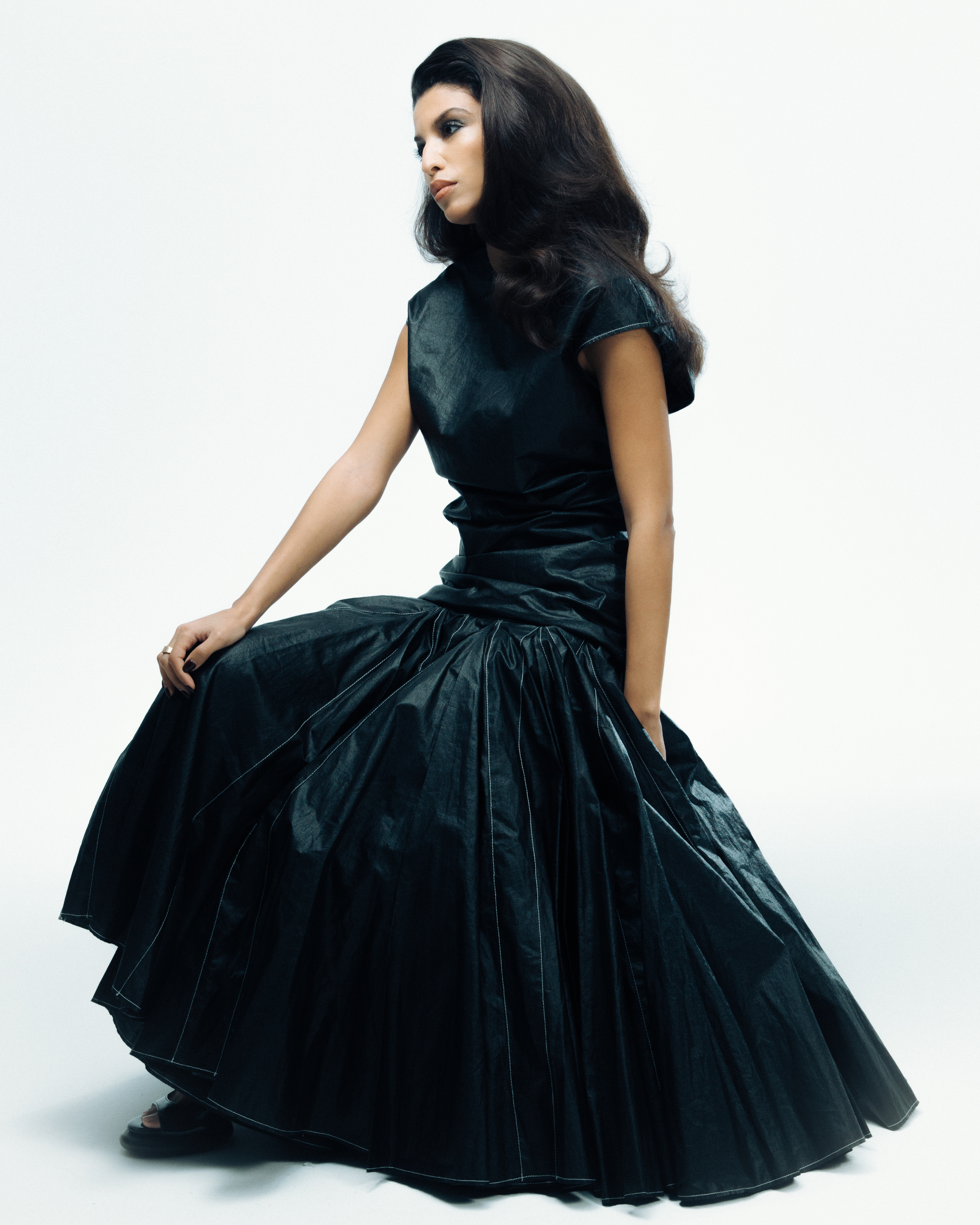
Khalifeh highlights this as the relationship between fashion and faith, explaining style as “a way for people to integrate identity through something culturally found as restrictive”. Although the hijab could be read as a resistance to Western beauty standards, women still found ways to showcase individuality through it. Palestinian women used their national keffiyeh, a symbol of resistance and nationalism, as a hair covering, while women in other countries across the region embraced lightweight materials, colourful turbans, and different wrap techniques as material ways to interpret common hair trends. Hijabi women were often left out of fashion discourse, but their presence in fashion continued to inspire and establish them as symbols of modest fashion archetypes.
Women in coastal North African countries such as Tunisia and Morocco allowed their hairstyles to lean into movement and less structure. Natural curl patterns were embraced, and hair was styled by humidity, ocean air, and a slower pace of life that connected them more to the bohemian movement, which felt instinctive and less engineered. While political unrest captured many nations, Gulf countries were experiencing an oil boom, transforming their cities into metropolitan hubs, reshaping their economies and increasing access to luxury beauty products and tourism, making them the new financial and beauty capitals of the region, which embraced Western and even South Asian influence with open arms and excitement.
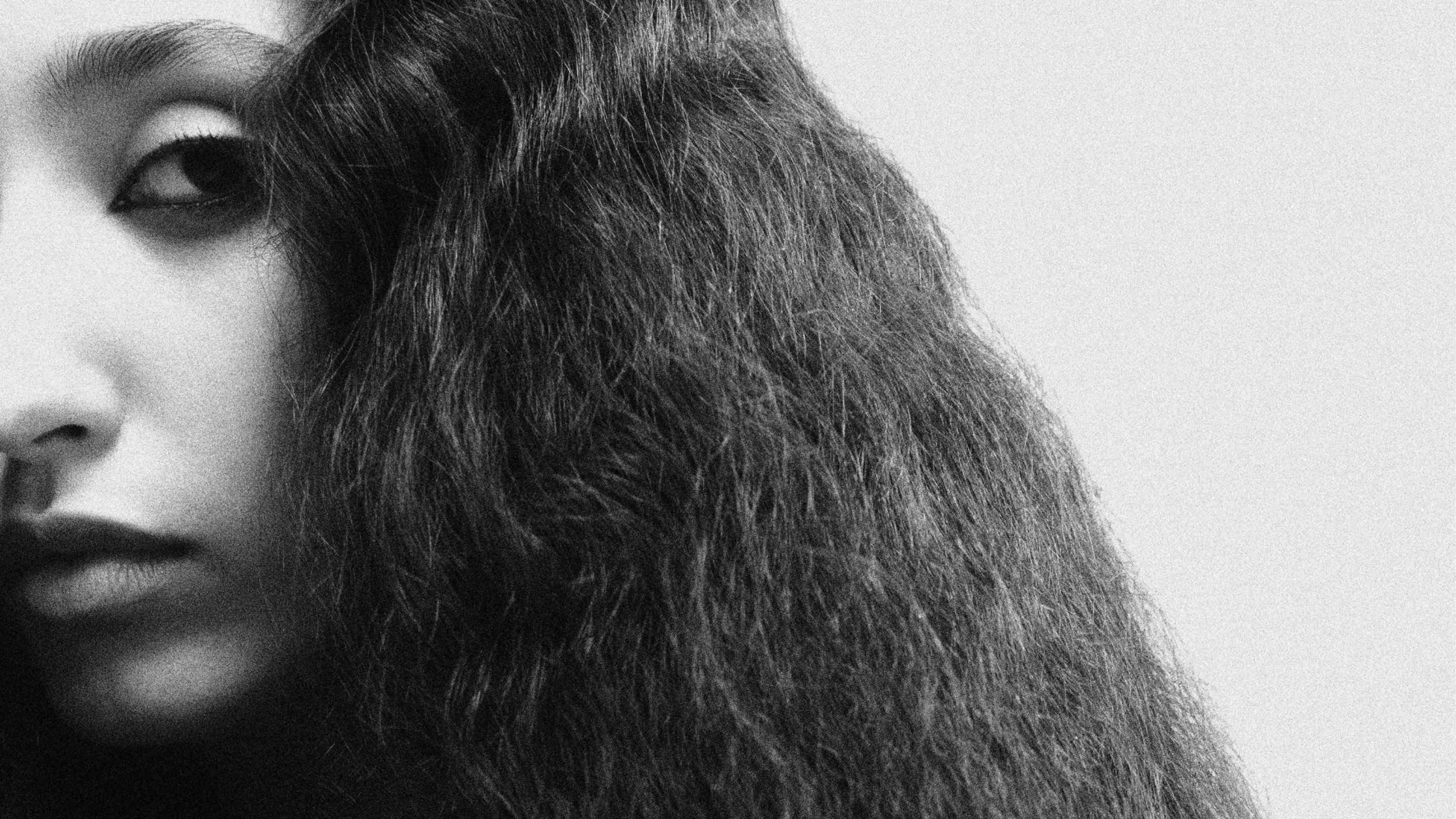
Arab women are not only fashion followers but enthusiasts who admire artistry above all else. For centuries, Arab culture has been at the centre of the beauty space. From makeup to skincare to clothing and hair, women have taken pride in their physical beauty and the image they present to the world. For many women, hair becomes an expression of identity and a personification of the freedom they have fought valiantly to achieve. While society has previously promoted Eurocentric beauty standards as the norm, recent years have seen greater acknowledgement and appreciation of diversity, materialising in a desire for people to connect with their ancestry and ethnic backgrounds. What lingers from the women of the ’60s and ’70s is not simply a trend or a snapshot in time, but an existence sculpted by history, politics, and inheritance. As a language, beauty, and all it encompasses, transforms with time; it exists not solely as nostalgia, but rather as a continuity of understanding: unbroken maintenance and hereditary intention.
PHOTOGRAPHY: ANISSA HIDOUK
ART DIRECTION & STYLING: MAYRA HOCINE
DIRECTOR: RAHMAN ABDOUL
HAIR: SADEK LARDJANE
MAKEUP: SEBASTIEN CATALAN
FASHION ASSISTANTS: INÈS EL FAEZ, CLARA & LÉNA LADU
PRODUCTION: MARINE DUBOIS-ROSUEL
MODELS: IBTISSAM ADLIM & SALWA RAJAA
WORDS: LAYLA BODIAT
“IN HER OWN FRAME” IS PUBLISHED IN THE 18TH EDITION OF GRAZIA MIDDLE EAST. ORDER YOUR COPY HERE.


