


Newsfeed

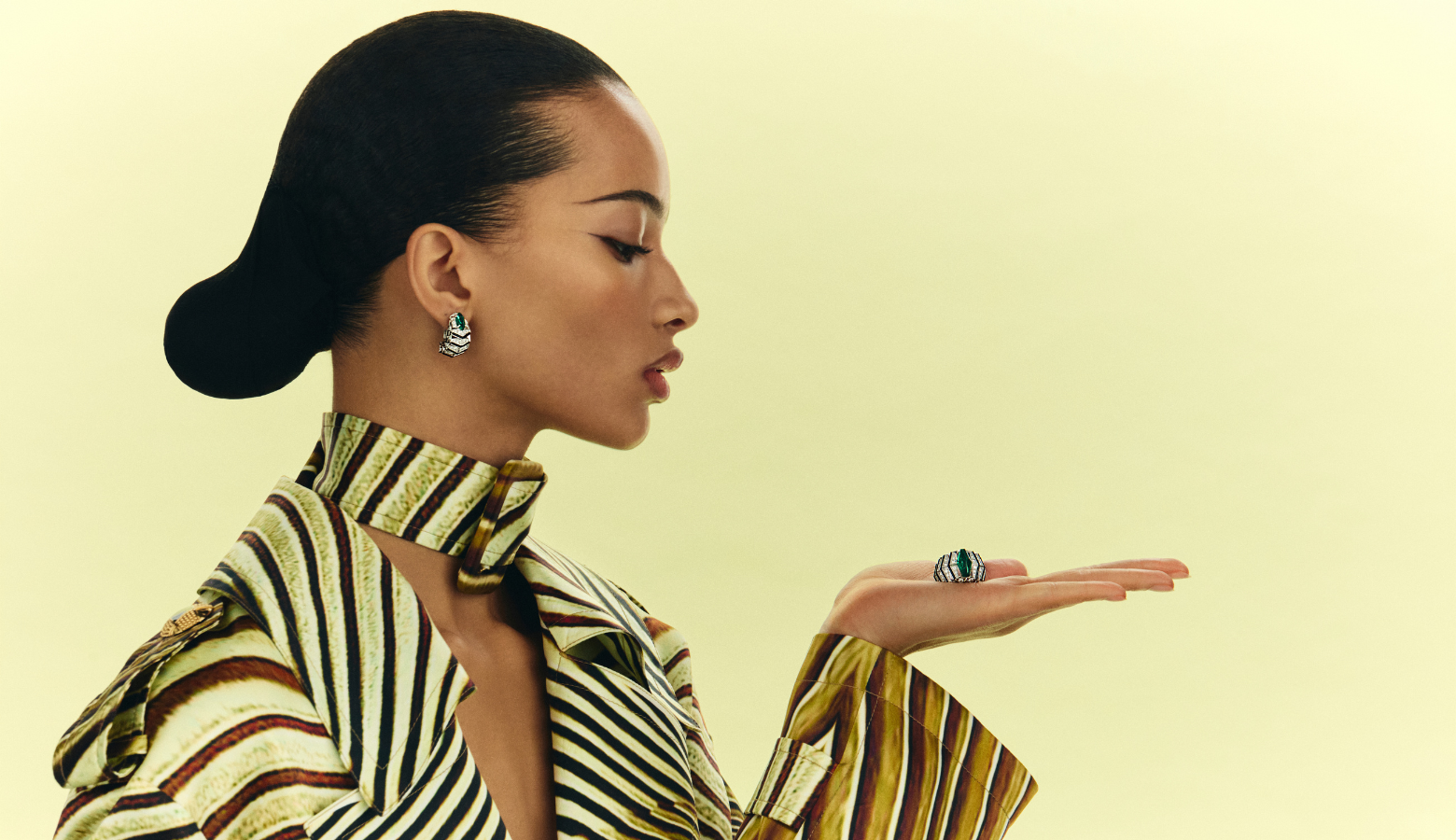
Astrology and numerology are not suddenly everywhere; they have simply stopped hiding. Long embedded in culture, language and design, they are now shaping how jewellery is chosen, worn and understood.
Birthstones, once symbollic, are becoming deeply personal markers of intention. Before astrology becomes belief, it begins as curiosity. Before numerology is understood, it is felt—a sense that some things align, while others resist. Jewellery is giving form to this intuition, transforming birthstones into something wearable, deliberate and quietly resonant.
To understand numerology’s role in jewellery, Mumbai-based Numero Vastu consultant Biindu Khuraana begins not with belief, but with lineage. “The science of gemstones, which is called gemology, is an ancient science coming to us from the Rigveda,” she explains.
In this framework, gemstones are not ornamental afterthoughts but precise energetic tools. Each number corresponds to a planet, a gemstone, a metal, a colour, and even the specific finger on which a piece should be worn. The body, in this system, becomes part of the equation. “These gemstones are often considered as triggering the nerve of the finger they are worn on, giving benefits for the purpose they are chosen for,” she adds. Numerology, in this sense, is exacting. There are foundational rules governing how a gemstone should be worn to be effective. It must touch the skin. It should be energised through ritualistic mantras.
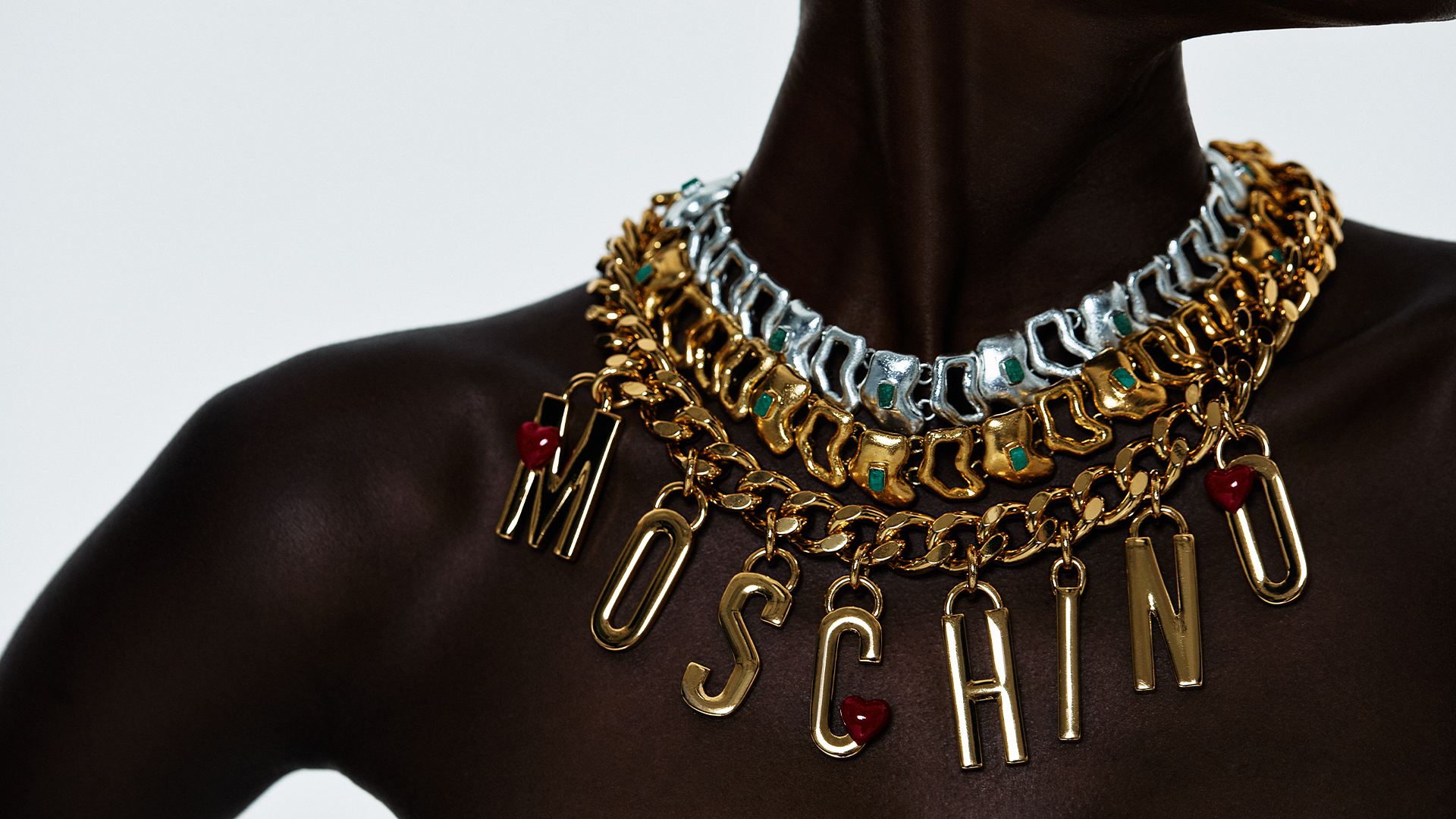
Timing matters: the correct day, date and hour are crucial. Metal is not interchangeable, and even the hand on which a piece is worn carries significance. Traditionally, men wear gemstones on the right hand and women on the left, although working women are often advised to wear them on the right as well. From there, the system becomes highly individualised.
“Those born on dates that reduce to the number one, such as the first, 10th, 19th or 28th, are advised to wear a ruby set in gold, worn on the ring finger at sunrise on a Sunday. Number two births align with pearls in silver, worn on the little finger at moonrise on a Monday. Each number unfolds its own logic: emeralds for number five, diamonds for number six, cat’s eye for number seven, blue sapphire for number eight, and coral for number nine—each with its prescribed finger, metal and timing,” says Khuraana.
The intention behind these choices is as important as the stone itself. “The benefits of gemstones are plenty,” Khuraana notes. Confidence, clarity, relationships, finances and intuition—each stone supports a different dimension of life.
Design, too, plays a role. A ruby shaped like the sun can support career growth; a pearl designed as a moon may enhance emotional peace; a triangular setting can amplify Jupiter’s expansive energy. In today’s world, she adds, science and spirituality no longer exist in opposition. Worn as rings, pendants, bracelets or discreet trinkets, gemstones can be both meaningful and aesthetic—proof that alignment, too, can be beautiful. While birthstones are commonly assigned by month, astrology, as Hindu pandit Mohit Setpal explains, operates on a far more intricate level.
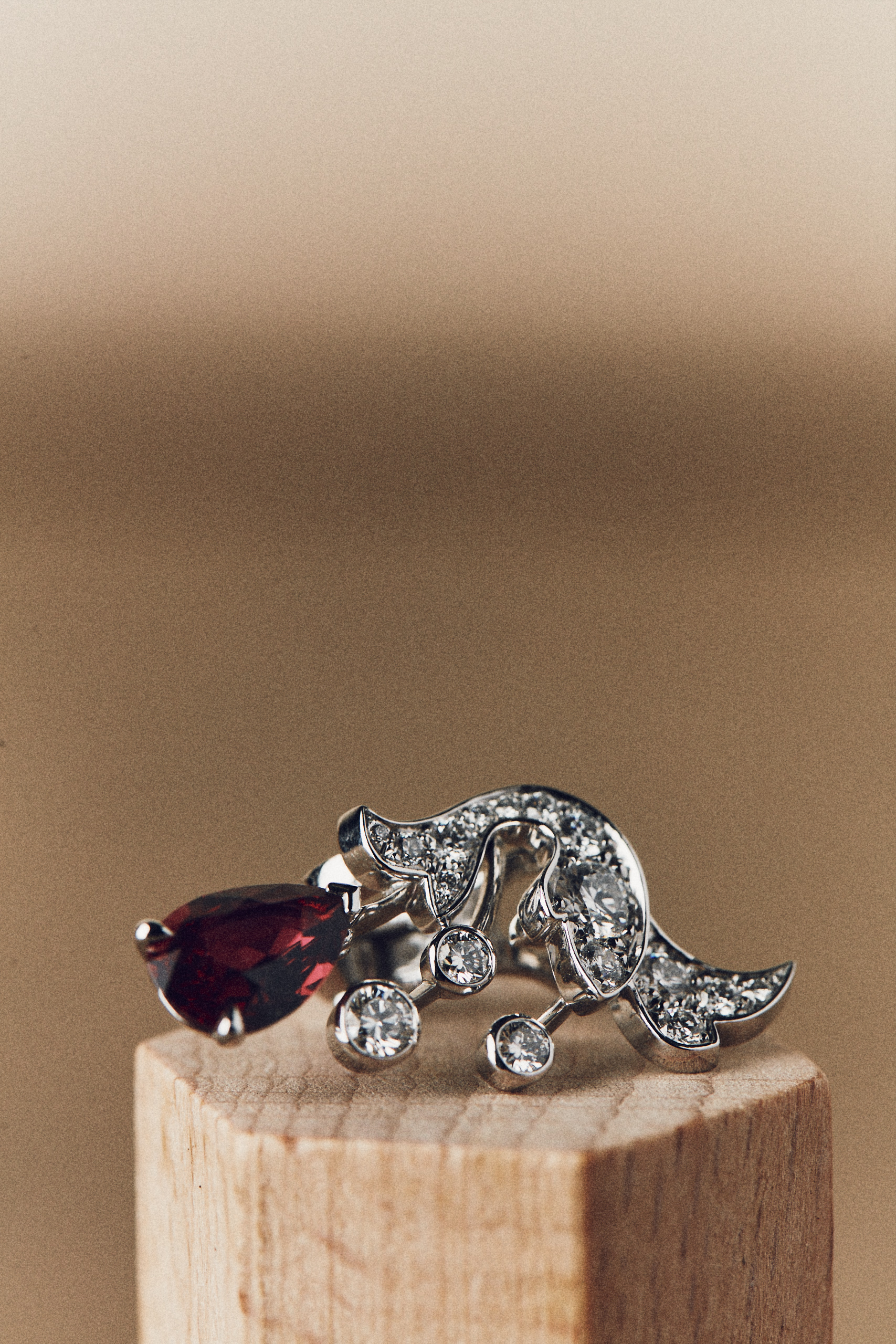
“Birthstones are a general concept,” he says—useful, but ultimately broad. They are typically linked to a single planetary influence associated with the month of birth. For true astrological alignment, however, this is only the beginning Setpal, who has carried forward the astrological legacy of his grandfather and has been practising for over 12 years, explains that an individual cannot be understood through one planetary placement alone.
“For an individual, a total of 16 charts have to be studied,” he says. In Vedic astrology, the moment of birth is interpreted through these 16 charts, each mapping a specific area of life and its planetary alignments.
“The first chart is the lagna,” Setpal explains, “which gives a basic understanding of a person’s identity.” It forms the foundation: how an individual presents themselves to the world, their temperament and their natural inclinations. From there, the system becomes increasingly specific. “The saptamansh chart offers insight into children and lineage, while the navmansh chart focuses on marriage and the relationship with one’s spouse. Each chart highlights different planetary strengths and vulnerabilities, revealing where support may be needed, and where excess could be disruptive,” he says.
This layered approach is what makes gemstone selection so precise. A stone traditionally considered beneficial may not be universally so. “On the basis of reading each of these charts,” Setpal explains, “one can suggest wearing or avoiding certain birthstones.” The aim is not to amplify every planetary influence, but to correct imbalance—strengthening weakened energies while restraining those that may already dominate. In this context, jewellery becomes a form of fine-tuning rather than symbolism. Two individuals born under the same sign may wear entirely different stones depending on how planets behave across their charts. A gemstone that supports one person’s relationships could unsettle another’s career; one that enhances clarity for one wearer might overwhelm another emotionally.
Astrology, as Setpal frames it, is less about prescription and more about precision. Birthstones are not rejected, but refined—filtered through the deeper intelligence of the chart. When worn correctly, jewellery moves beyond tradition and trend, becoming a personal intervention designed to support the life an individual is actually living.
In an era where jewellery trends change by the season, the question arises: how do we balance fashion with pieces aligned to who we truly are? Setpal’s answer is as meticulous as it is revealing. “As I mentioned, a total of 16 charts must be studied—the lagna, saptamansh, navmansh—and one must also consider the current dasha, or planetary period,” he says. “Only then can a conclusion be drawn about which gemstone or piece of jewellery will bring balance to an individual’s life.”
It is a subtle calibration. The goal is not to reject fashion, but to weave it with intention—ensuring that what adorns the wearer supports their energy, their timing and their life’s trajectory. In this sense, a carefully chosen stone becomes both a style statement and a personal tool, harmonising aesthetic appeal with cosmic alignment. Jewellery, then, becomes a dialogue between the wearer and the universe.
The next time you choose a piece, consider not just how it looks, but how it works for you. What appears to be a sparkling accessory could be an ally— attuned to your chart, your number and your intentions—a reminder that sometimes, the cosmos fits perfectly on your finger.
Words by Amrita Katara. This article was originally published on GRAZIA Singapore and has been repurposed here with permission.


