



Newsfeed

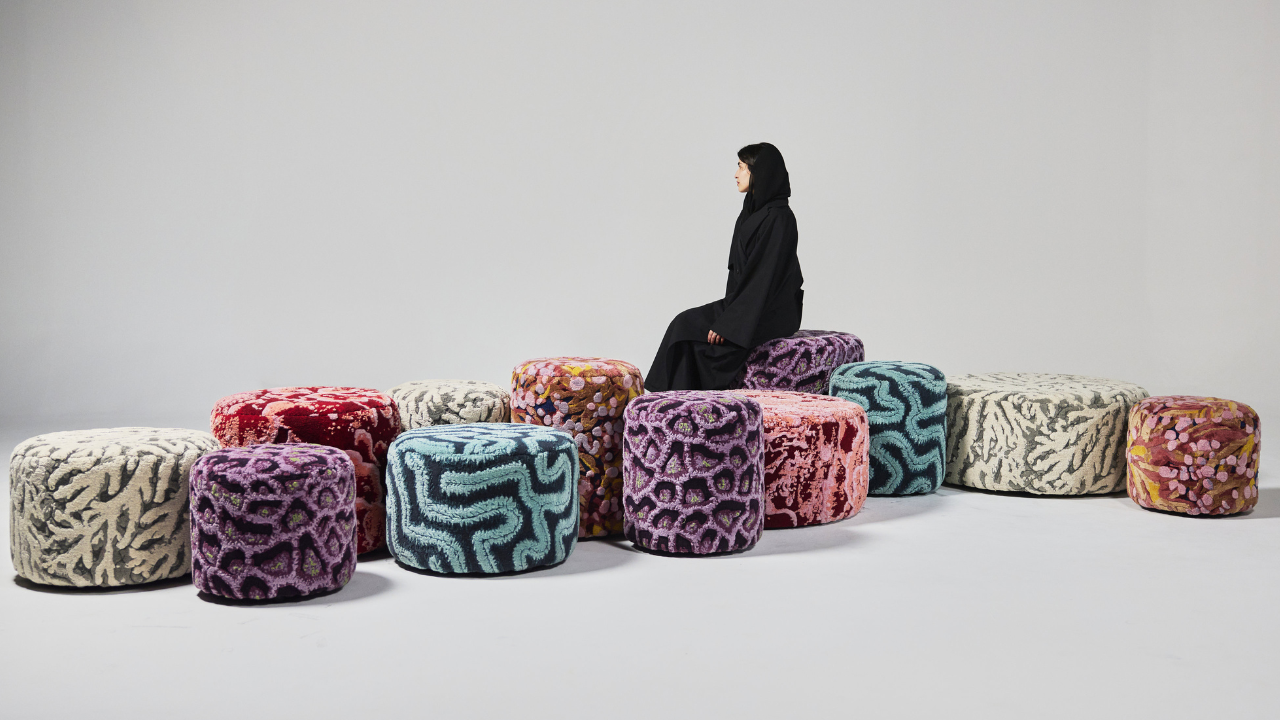
Another Milan Design Week has come and gone for the year – and it’s safe to say Arab designers definitely made their mark in 2026.
Each year, designers from across the globe showcase storytelling through different forms of design – expression that can be found in art, architecture and design. This, of course, extends to designers and creative from the region who were present at Milan Design Week, taking it by storm.
Below, GRAZIA brings you a closer look at Arab designers who exhibited their work at Milan Design Week 2026 (Salone del Mobile).
Maurizio: Elias & Yousef Anastas
This was perhaps one of the most important pieces at Milan Design Week despite its quiet nature. Palestinian designers Elias and Yousef Anastas’ use material to convey the discourse of displacement. The structure was a stone table, that relied entirely on balance for its integrity – there was no adhesive, no fastening and no glue holding it together. Fixed in its precise, interlocked form, the Anastas’ showcased that the survival of this structure relies on the collaboration between blocks. The individual pieces were interlocked in support, a shared performance defying gravity. Furthermore, proving that unity is the driving force behind resilience.
Iwan Maktabi
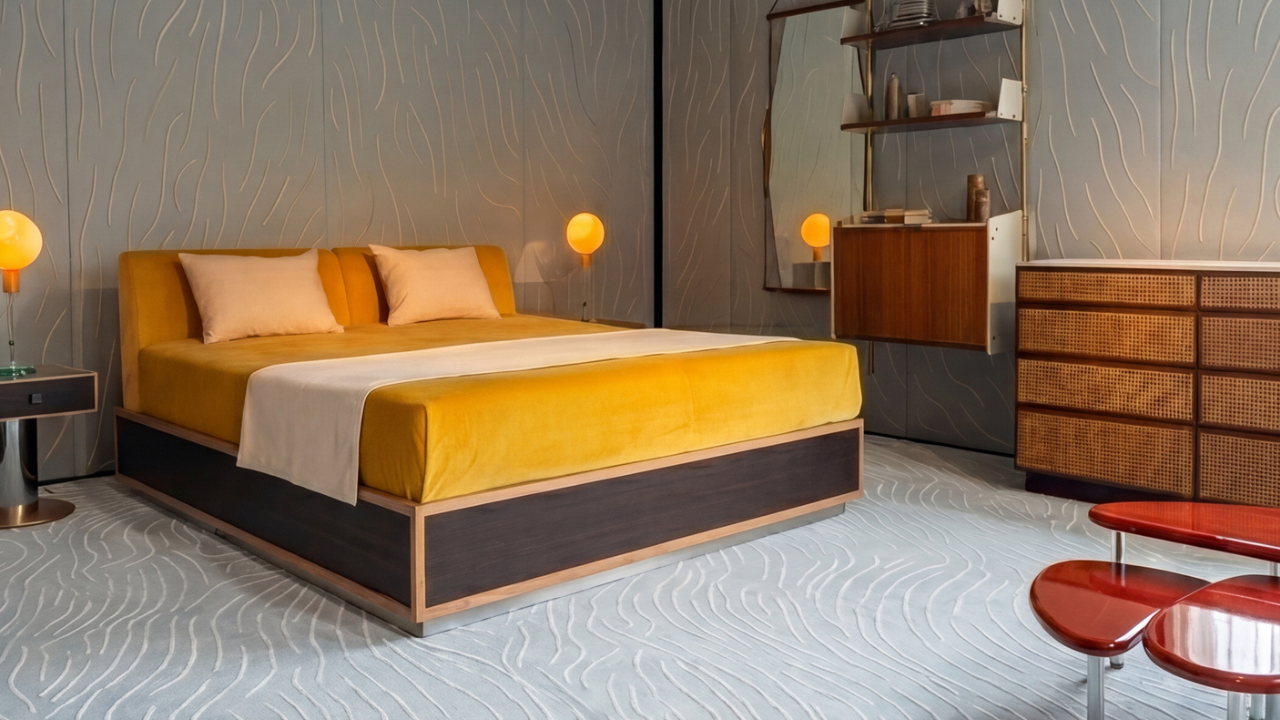
A continuation of legacy and the importance of preserving culture is found within Iwan Maktabi. The design firm nurtured the collaboration of artists and designers to create antique rugs, modern carpets and custom pieces. With a rich history, Iwan Maktabi was founded in 1995 by H. Abbas Maktabi but its legacy goes back a century. In 1926, Isfahan connoisseur Hajj Hussein Maktabi began his journey of creating oriental carpets based on Islamic art. Now, under the guidance of the third generation Iwan Maktabi blends modernity with tradition and transforms it into innovative, contemporary design.
Vessles of the intangible: Richard Yasmine
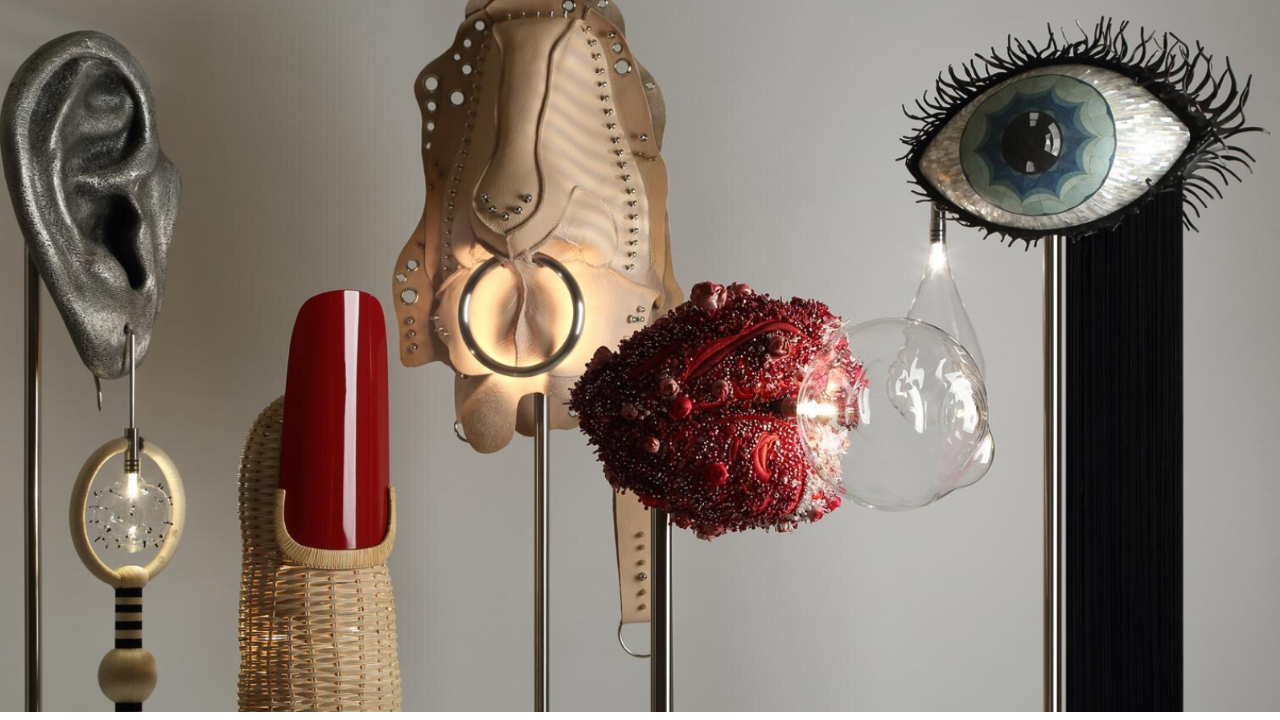
Lebanese designer Richard Yasmine reimagined bodily autonomy and the five senses as sculptural lighting in this scenography and object design installation. The exhibit translated basic human senses into optical expression, using intricate materials such as leather, wood, glass and embroidery. An example of this is shown in Yasmine’s sculpture of the lips, designed with blooming and fragile glass made florals.
Default is not universal: By Multiple MENA Region Artists
This exhibit was brought to life by several brilliant, creative and talented Middle Eastern artists under Isola Design. The concept is simple: “Same designs, different perspectives.” The observer was invited to interact with the works of the designers. The exhibition showcased the works of artists Abdulla Buhijji, Fajr Basri, Stephen Amoyo, Davina Atallah and Nermin Habib, with the purpose being to reject singular interpretation. This exhibit was fuelled by design research, indicating that individuals of different cultures perceive the same object, image or form in differing ways.
aman: Helix Bespoke Studio
The exhibit was a collaboration under Algerian firm Helix Bespoke Studio, between the design house, Cape Town based designer Laurie Heerden and Katia Lunar Benai. The ‘Aman’ sculpture was created as a result of this collab, is based on Amazigh culture and craftmanship. Aman’s intention is to keep the memory of what moves unseen, and how in reality, mere objects are persevering cultural artefacts. This display of craftmanship is credited to The Amazigh’s, also known as “the free people”, and the indigenous people of Morocco. Their intricate craftmanship is no secret, using traditional techniques that have been passed down for generations. The sculpture translates cultural heritage into contemporary form, built from the material matter of cork. Its intricate form resembles a piece of wall found in a temple, eroded by the patience and duration of water.
li beruit: between shadow & light by Mark Farhat Giusti, Rami Lazkani & Yeh Studio
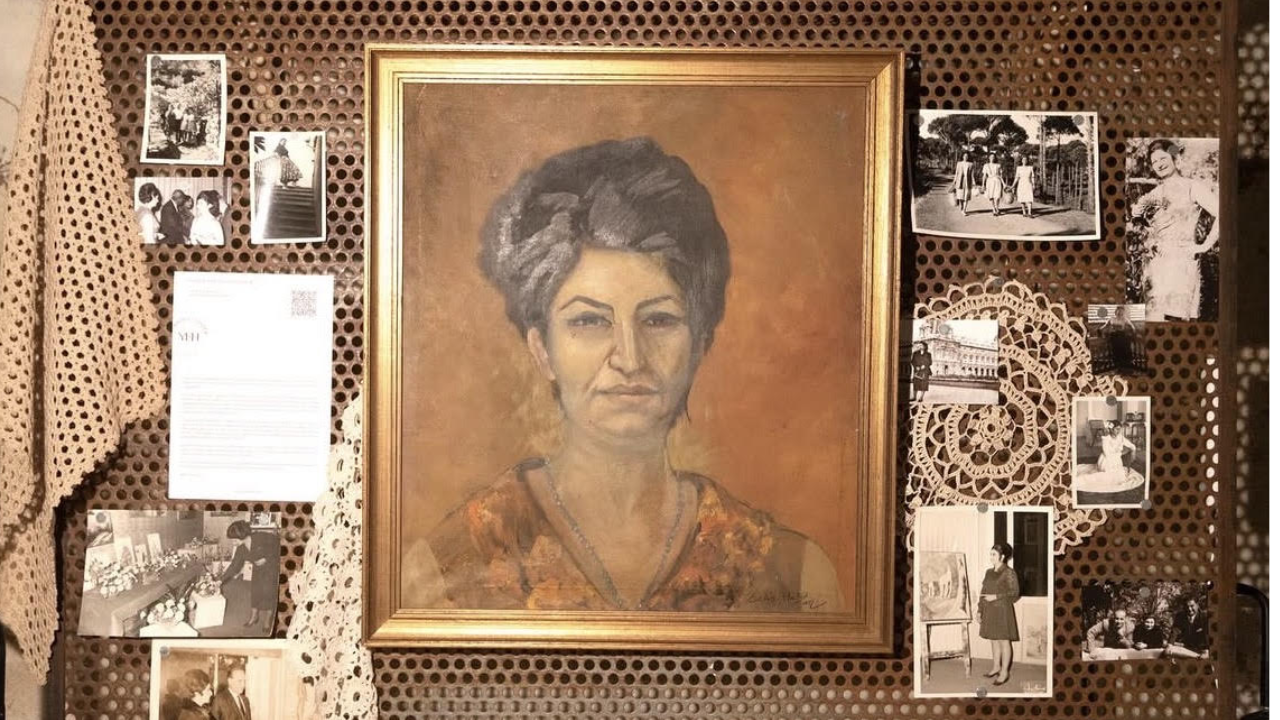
As one of the week’s most soulful designs, Li Beruti: Between Shadow & Light was an emotional, and heart touching exhibit. It was brought to life by Lebanese designers, Rami Lazkani, Mark Farhat Giusti and Yeh Studio’s founder Youssef El Hadi. The exhibit visualized resonating elements of a Lebanese home, portraying personal history through scent, sound and sight. It showed how Lebanese history is preserved but simultaneously evolving. Shaped by cultural experience, the exhibit powered by these three designers told a shared story of home, heritage and progression.
The loop bench: Roseline Jabbour
Roseline Jabbour is a graphic and industrial designer from Lebanon who took part of Isola Design Gallery: a primary hub of MENA region designers as a part of Milan Design Week. The maroon sculpture showed delicate bends, an expression of the fluidity of daily life and routine. As a contemporary design with a twist, Jabbour’s creativity was given a platform by Isola, as the gallery values the recognition of emerging, Middle Eastern voices in the creative space.
Zaza Maizon
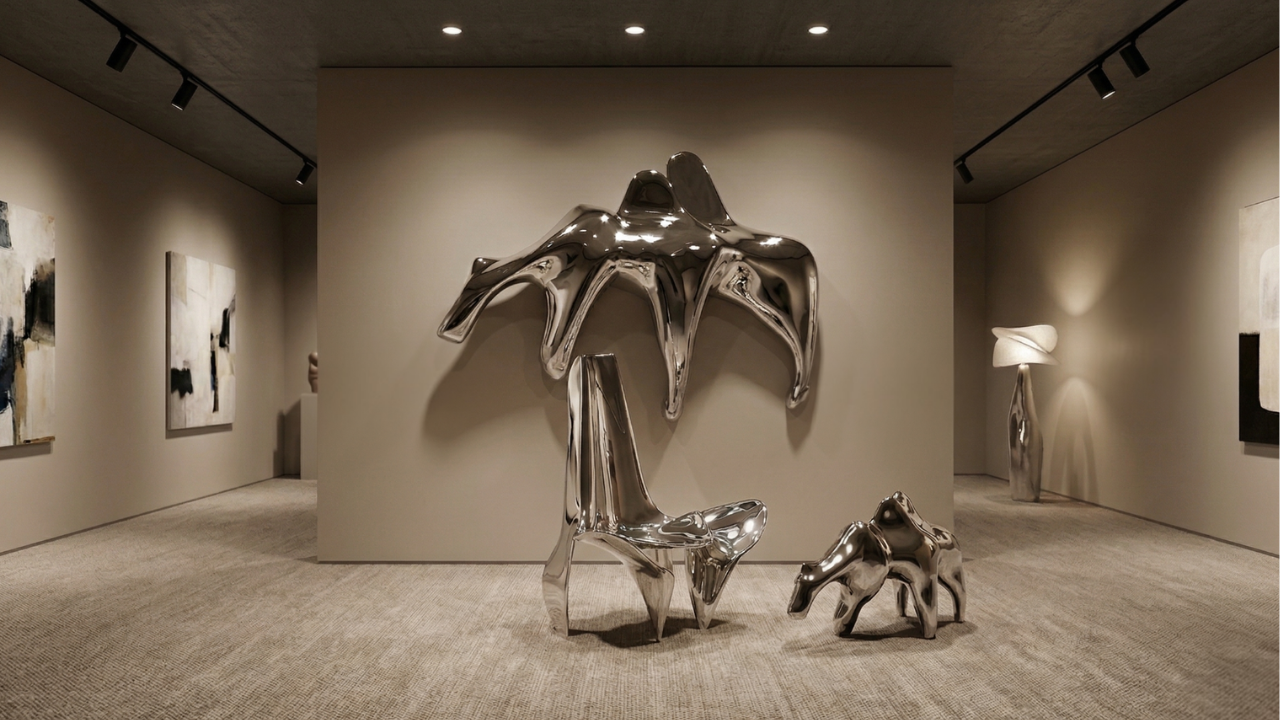
From culture to contemporary, this Saudi interior design studio projected designs that felt awfully familiar to those in the MENA region. The firm replicated fragments of the desert, such as camels and falcons and reimagined them into futuristic contemporary design pieces. The exhibit was an indirect replica of Saudi history, where houses originated on sand dunes, and are now replaced by skyscrapers. However, regardless of this progression history is never forgotten and is deeply appreciated within Saudi and Middle Eastern culture.
The cactus collection: Georges Mohasseb
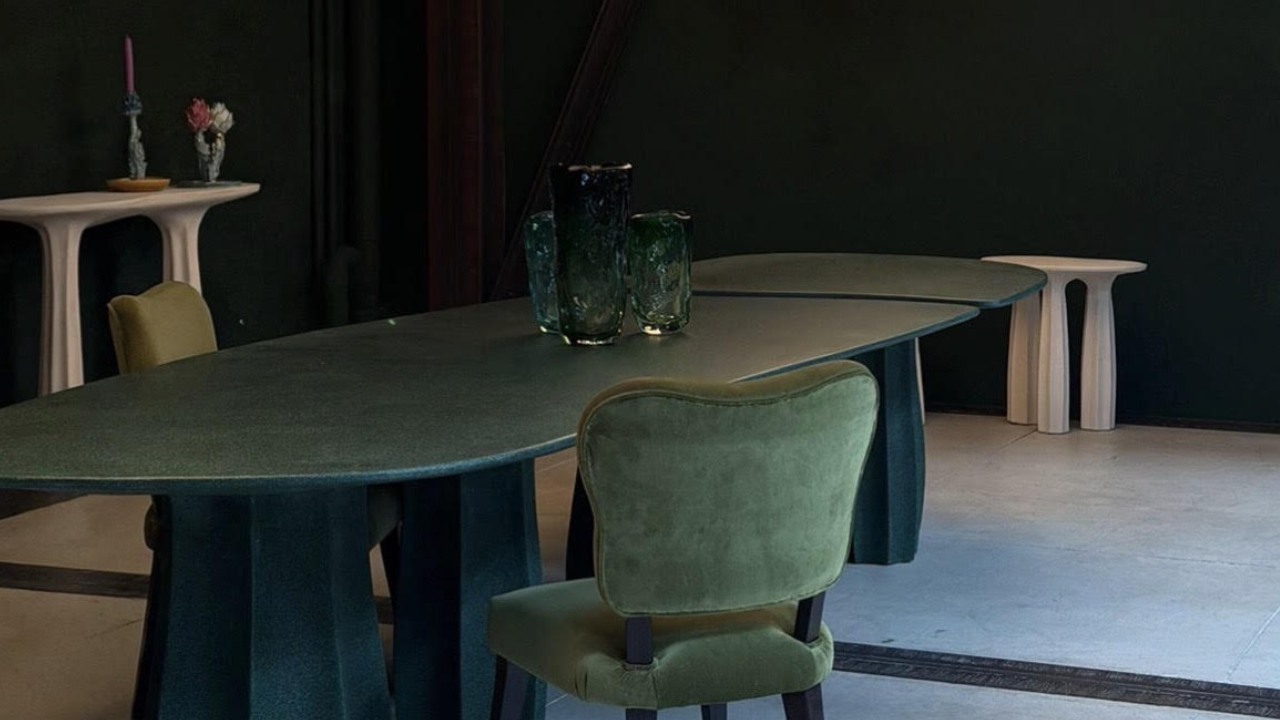
A structural metaphor for the Middle East’s diligence, Georges Mohasseb composed marble depictions of the desert form. As a Lebanese artist, his work is a nostalgic representation of the Middle East’s past. His display reimagined the past by integrating it into its present, where sand has turned to concrete. Concrete held the weight of resilience, technology, and sustainable growth. The structures were composed of marble and limestone, tied together by resin and 3D printed molding. Mohasseb’s designs depict a line between erosion and creation, where origin is not erased but rather reimagined.
Metamorphasis in motion: Lina Ghotmeh
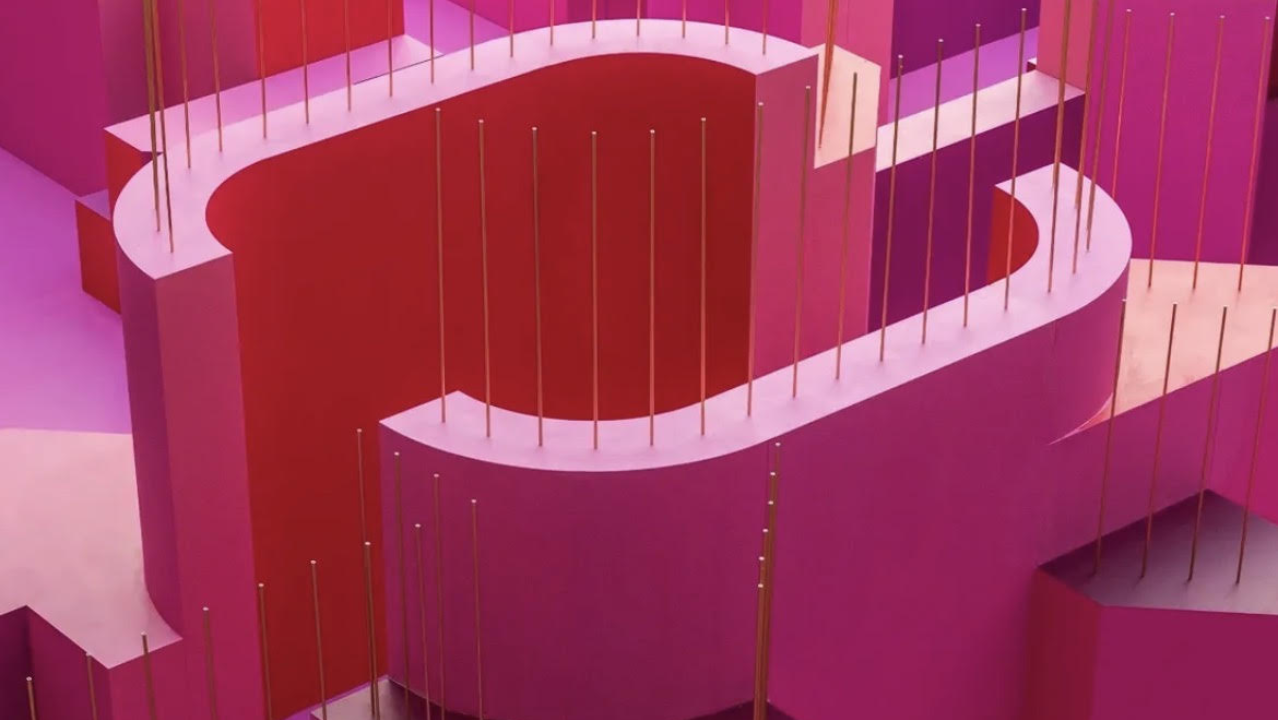
Lebanese architect Lina Ghotmeh’s creation was rooted in her philosophy “archeology of the future”, which was also the centrepiece of MoscaPartners variation 2026 at Palazzo Litta. The architectural formation invited visitors to actively participate rather than simply observe. The labyrinth called for individual choreography, as the movement of the audience is unique to their perspective. The design acted as a living stage, where the performance is the visitor’s memory and exploration.


