



Newsfeed

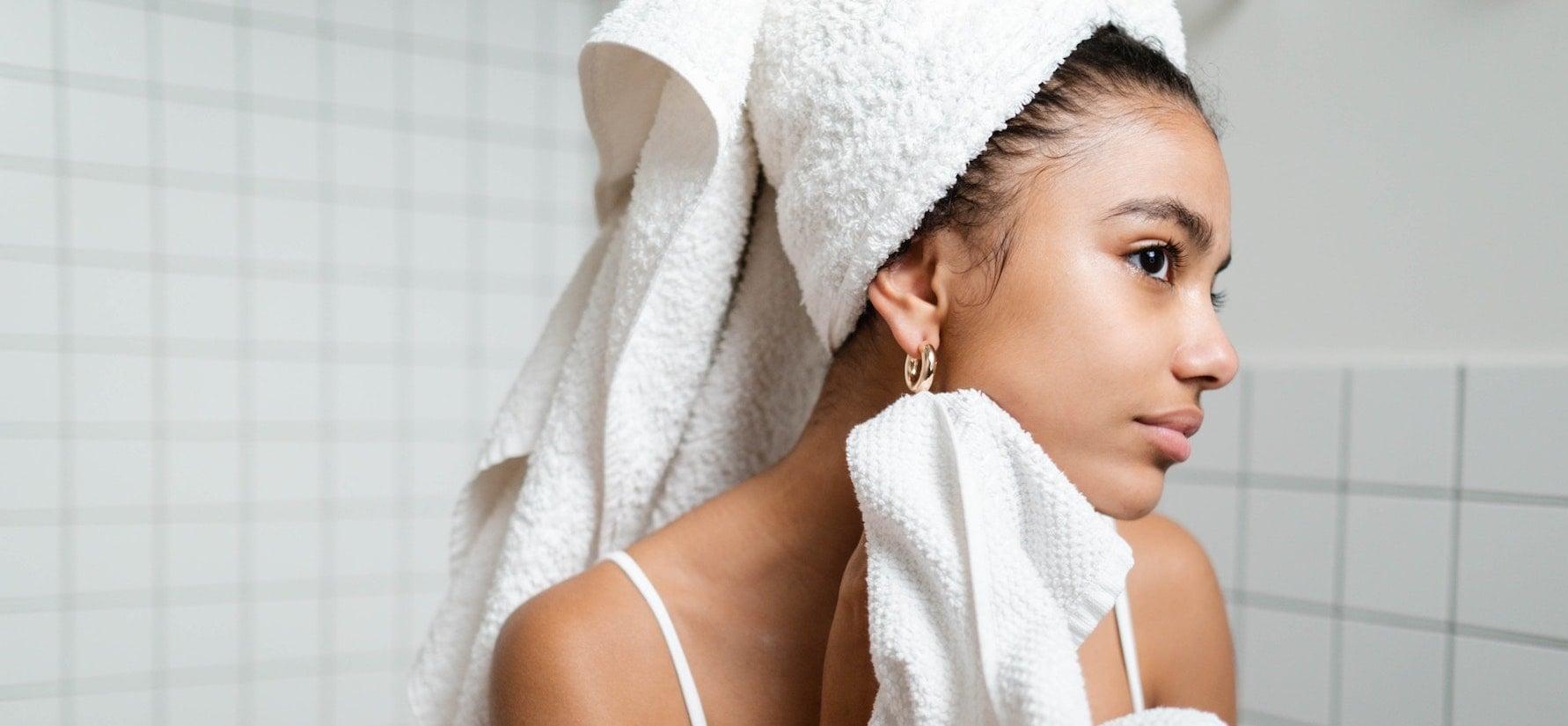
For decades, a fashion or beauty campaign ran on one rule: find a face, sign the face, build the season around the face. One actress, one supermodel, one pop star, printed across a billboard and a glossy spread. That rule is quietly cracking. Brands now spread the same budget across dozens, sometimes hundreds, of creators, and the practice behind it has outgrown its buzzword phase: influencer marketing. The Goldman Sachs research on the creator economy sizes that wider ecosystem near 250 billion dollars, with room to nearly double by 2027, and global spend on creator partnerships has tripled since 2020 to roughly 34 billion.
The traditional single-muse approach now exists alongside a broader range of creator voices, contributing to changes in how fashion and beauty brands connect with audiences.
From one famous face to a hundred feeds
The old model was elegant in its simplicity. A house chose an ambassador, shot a campaign, and let a face carry a season. It worked because attention pooled in a few places: magazine covers, prime-time television, a handful of billboards downtown. Attention does not pool like that anymore. It scatters across millions of feeds, each with its own tone, its own in-jokes, its own trusted voice.
So brands followed the attention. Instead of betting an entire season on one celebrity, they now cast a spread of creators who each own a slice of the audience. A skincare launch might run through a dermatologist on TikTok, a budget-beauty reviewer on YouTube, and a cluster of smaller creators whose followers actually buy what they recommend. The campaign stops being a monologue. It becomes a chorus.
None of this retired the celebrity face. Luxury houses still crown famous ambassadors, and a red-carpet name still moves culture. What changed is the layering. The celebrity sets the tone at the top, and creators translate it into a language each community trusts. Contrary to the old either-or thinking, the sharpest brands run both at once and let them amplify each other. The face on the billboard and the voice in your feed are no longer rivals. They are a relay.
What creator-led influencer marketing actually changes
Strip away the glamour and this discipline solves a very practical problem: trust. Audiences have grown fluent in advertising. They scroll past polish. They lean toward people who feel like a knowledgeable friend rather than a paid billboard. Roughly 69 percent of consumers say they trust a creator’s recommendation over a message straight from the brand. That gap is the whole game.
Scale changed too. The industry once chased the biggest possible follower count. The focus is increasingly on fit. Micro- and nano-creators, who tend to have smaller but highly engaged communities, account for nearly 46 percent of U.S. influencer spending, reflecting their potential to foster stronger engagement and audience response. Ten well-matched creators often beat one mega-name, at a fraction of the cost. A niche skincare fan with 8,000 loyal followers can move more product than a global star whose audience skims past the ad without blinking.
The content itself shifted shape. User-generated formats, unboxings, get-ready-with-me clips, honest first impressions, now sit at the center of beauty and fashion marketing rather than its edges. Half of brands plan to grow their use of creator-made content this year. The underlying idea is straightforward: content that feels grounded in everyday life may be more likely to resonate with audiences. A candid phone video of someone enthusiastically using a lipstick can, in some cases, resonate more strongly than a polished studio advertisement.
Why beauty moved first, and fashion followed
Beauty was made for this. The category is built on demo: swatches, before-and-after, application technique. That’s native content for a creator with a ring light and steady hand. Long before influencers were included in board meetings, beauty consumers were using blogs to review foundations and eyeliner collections. Brands just learned to get in the conversation.
Fashion took longer to warm to it, in part because desire in the category has been fueled by distance and mystery. Creators thrive on intimacy and access — the illusion of a friend, really, showing you what they wear. That was a harder sell for a long time, until fashion realized that the same kind of content could lend new life to heritage labels and house styles. A creator video showing a bag on the way to work may carry more cachet than a still image.
The numbers underline the pull. Social media overtook paid search as the largest advertising channel in the world back in 2024, with about 247 billion dollars flowing through it. Where audiences gather, budgets follow. Fashion, never late to a trend for long, caught up fast and rarely looked back.
There is a lesson in the order of events. Beauty did not win because it spent more; it won because its content was already social by nature. Fashion learned to loosen its grip, to let a coat be shown in a messy bedroom rather than only under studio lights, and desire survived the descent from the pedestal. If anything, it grew. Proximity, it turns out, can be its own kind of aspiration.
The economics behind the influencer marketing boom
Finance teams have been looking at creator partnerships more closely than ever before, from both a business impact and creative fit point of view. Brands make, on average, 5.78 $ for every $ they invest in micro- and macro influencers, with the most successful campaigns bringing in tens of times more ROI. This kind of performance is no longer an experiment; it’s a fact defended in boardrooms.
Accountability sealed the shift. Performance-based deals, tied to clicks, conversions, and sales, climbed from 23 percent of contracts in 2024 to 53 percent in 2026. The old flat-fee handshake is giving way to arrangements where creators share both the upside and the risk. That rigor is what let influence graduate from marketing’s fun cousin to its reliable earner. The table below sketches how the two models compare, and why so many houses now run the newer one.
| Dimension | The single-celebrity model | The creator-led model |
| Casting | One famous face per season | A spread of matched creators |
| What it sells | Aspiration and distance | Proof, closeness, and trust |
| Cost structure | Large flat fee, front-loaded | Scalable, often performance-based |
| Measurement | Reach and impressions | Conversions and real return |
| Agility | Locked in for a campaign cycle | Adjusted week to week |
| Risk | Concentrated on one name | Spread across many voices |
Who actually builds these creator campaigns
Creator campaigns often involve work that readers may not see: identifying voices that fit a brand, providing a clear brief while preserving each creator’s style, coordinating timely content production, and measuring campaign results. That coordination is a craft in itself, and it is where specialist agencies earn their keep. Clark Influence has built its name on exactly this, connecting brands, consumers, creators, and culture from offices in Montreal, Toronto, Paris, and Austin, with a reported network of more than 20,000 vetted creators spanning fashion, beauty, and lifestyle. The agency’s instinct is telling: rather than pitting celebrity glamour against creator authenticity, it blends the two, letting a famous face set the tone while a constellation of trusted creators carries it into the feeds where buying decisions are actually made.

Image credit: Clark Influence
Where the smartest brands place their bets now
Running dozens of creators well is harder than signing one star. It takes casting judgment, cultural fluency, content production, community management, and a way to measure what actually worked. Few in-house teams carry all of that under one roof, which is why specialist agencies have become the quiet engine behind the campaigns you scroll past without noticing the machinery.
This is the terrain Clark Influence has worked since 2017, connecting brands, consumers, creators, and culture across offices in Montreal, Toronto, Paris, and Austin. The agency reports a network of more than 20,000 vetted creators and takes a hybrid approach that combines the broad reach of high-profile talent with the credibility and relatability of independent creators.
The real question for a fashion or beauty brand is no longer whether to work with creators. It is how to orchestrate them: which voices, on which platforms, measured against which goals. When the approach is well aligned, a launch can sustain attention over several weeks. When it is not, campaign spending may generate engagement metrics that are difficult to connect directly to sales.
The face of the future is plural
The celebrity muse is certainly not going away. Far from it: she is being joined, surrounded, amplified by a crowd of small voices who each hold a room the brand could never enter alone. For fashion and beauty, that means a wider stage for glamour, and the opportunity to balance the broad recognition of talent with the credibility of creators their customers already follow. Style has always been about trusting those who can show you what looks good; the only difference is that there are far more of them now, and they are talking directly to the people brands most want to reach. The muse did not lose her throne; she just learned how to share it, and the room got a lot louder and a lot more persuading.
ITP Media Group newsroom and editorial staff were not involved in the creation of this content