



Newsfeed

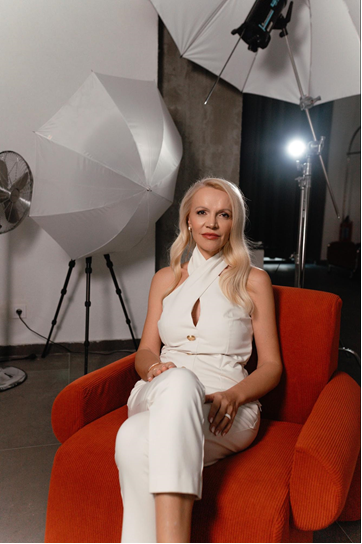
Women today lead companies, build wealth, and reach levels of professional success once considered rare. They negotiate deals, manage teams, and make high-stakes decisions every day. They are ambitious, capable, and often more independent than previous generations. Yet many of these same women find that romantic relationships are harder to build than their careers. Dr. Petya Gemuenden, known as Dr. Next Level Love, has spent years studying why high-achieving women struggle in love and helping them work through it.
Dr. Gemuenden grew up around relationships where love was often tied to conflict and emotional distance. That experience sparked her early interest in the patterns that affect how people connect with one another. It eventually led her into psychology and to the development of her own relationship approach, Next Level Love®, which she now teaches to clients around the world.
The Cost of Self-Reliance
Many women are raised to be self-sufficient. They learn to solve their own problems, manage stress, and keep moving forward no matter the circumstances. These habits build strong careers and help women handle pressure that overwhelms most people. But the same self-reliance can create distance in a relationship. A partner who has learned not to need anyone can struggle to let someone in, even when they want to.
The Limits of Traditional Advice
Traditional relationship advice tends to focus on communication tips and dating strategies. Those tools can help, but they don’t always address the deeper emotional patterns behind a person’s choices. Dr. Gemuenden points out that many high-achieving women approach love the way they approach work, using logic and strategy. That approach doesn’t always translate into connection. This is why a negotiation tactic that works in a boardroom rarely works the same way with a partner.

The Blueprint Behind Relationship Choices
Dr. Gemuenden says each person develops a subconscious relationship blueprint formed by childhood, family dynamics, and the examples of love they saw growing up. That blueprint can influence who a person chooses as a partner and how they respond to conflict, often without them realizing it. The takeaway is that many women repeat the same relationship patterns for years before they recognize where those patterns originated.
The Identity Gap
Many successful women spend years building a professional identity, learning what they’re good at and how they want to present themselves in a boardroom. Yet they spend far less time developing who they are in a relationship. Dr. Gemuenden sees the gap as one of the more overlooked parts of modern dating and partnership for high-achieving women.
A Different Approach to Connection
Dr. Gemuenden’s insights led her to create Next Level Love®, a framework designed to help women recognize and shift the unconscious patterns that underlie their relationships. At its center, the framework explores the difference between love driven by fear and love built on self-awareness, trust, and emotional responsibility. Dr. Gemuenden works with clients to identify which of these patterns they are operating from and how to move toward healthier relationship patterns.
Success Without Fulfillment
Professional success can bring freedom, recognition, and financial security, but it doesn’t guarantee emotional fulfillment on its own. Through speaking engagements, mentorship, and Next Level Love®, Dr. Gemuenden continues this work, encouraging women to bring the same intention to their relationships that they brought to their careers.
About Dr. Petya Gemuenden
Dr. Petya Gemuenden is a psychologist, relationship mentor, speaker, and founder of Next Level Love®. She works with clients individually and through group programs. You can find her on LinkedIn and Instagram.
This article is for general informational purposes and isn’t a substitute for professional mental health advice or care. If you’re dealing with relationship distress or emotional difficulties, you should consult a licensed therapist or healthcare provider.
ITP Media Group newsroom and editorial staff were not involved in the creation of this content.