



Newsfeed

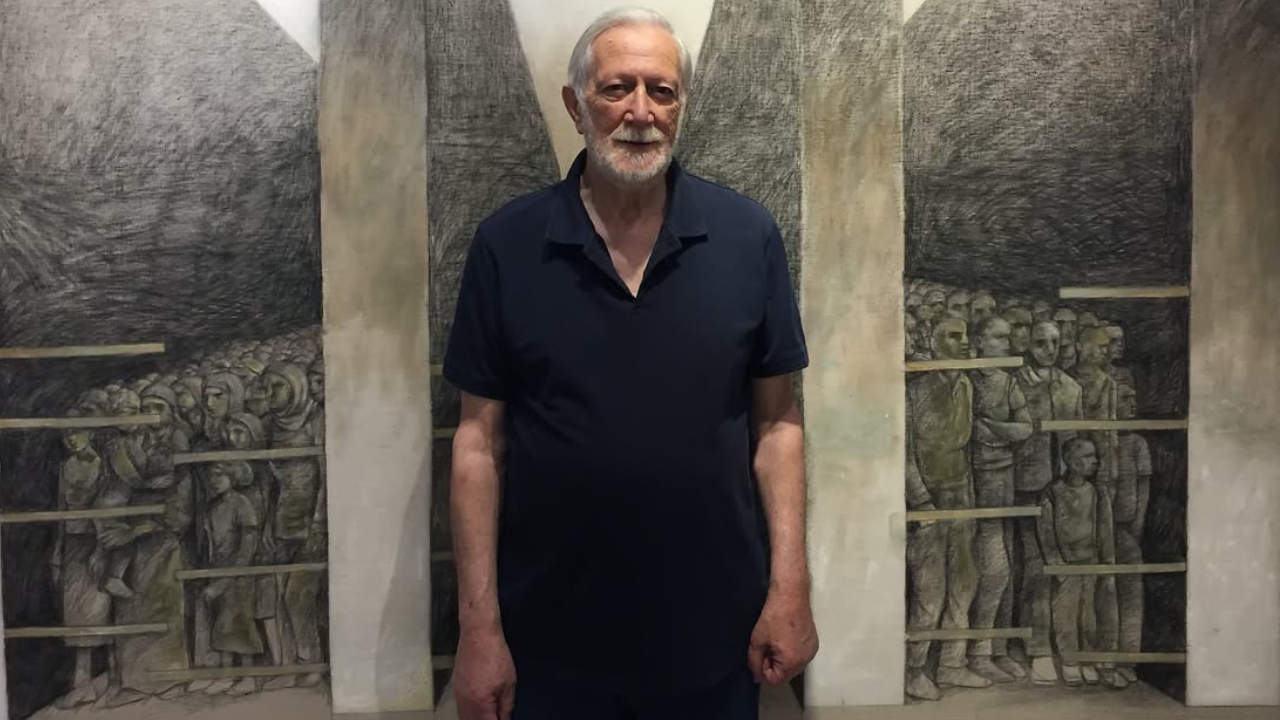
Sliman Mansour, one of Palestine’s most renowned figures in art, has passed away.
It was announced by the artist’s family that Mansour had died aged 79 in Jerusalem. He had reportedly been in a critical condition in hospital, but no official cause of death has been disclosed.
“The final chapter has been written,” his family said in a statement posted via Mansour’s official Instagram page. “With hearts heavy beyond works, we share that our beloved father has passed away.
“To the world, he leaves behind a life filled with beauty, memory and a legacy that will continue to live through all those he touched. But to us, we lost a father, our source of love, strength and home.
“Through his journey in this world has come to an end, his spirit, his work and his love will remain with us always.”
The statement also added that funeral and memorial details would be announced at a later time.
Born in Birzeit, Ramallah in 1947, Mansour became a key figure throughout the years in the art space, creating pieces which represented the Palestinian people and the struggles of Palestine against the oppression of Israel.
Just last year, Mansour sat down with GRAZIA to discuss how Palestinian artists reclaimed their landscape through art. He turned again and again to the land’s own vocabulary.
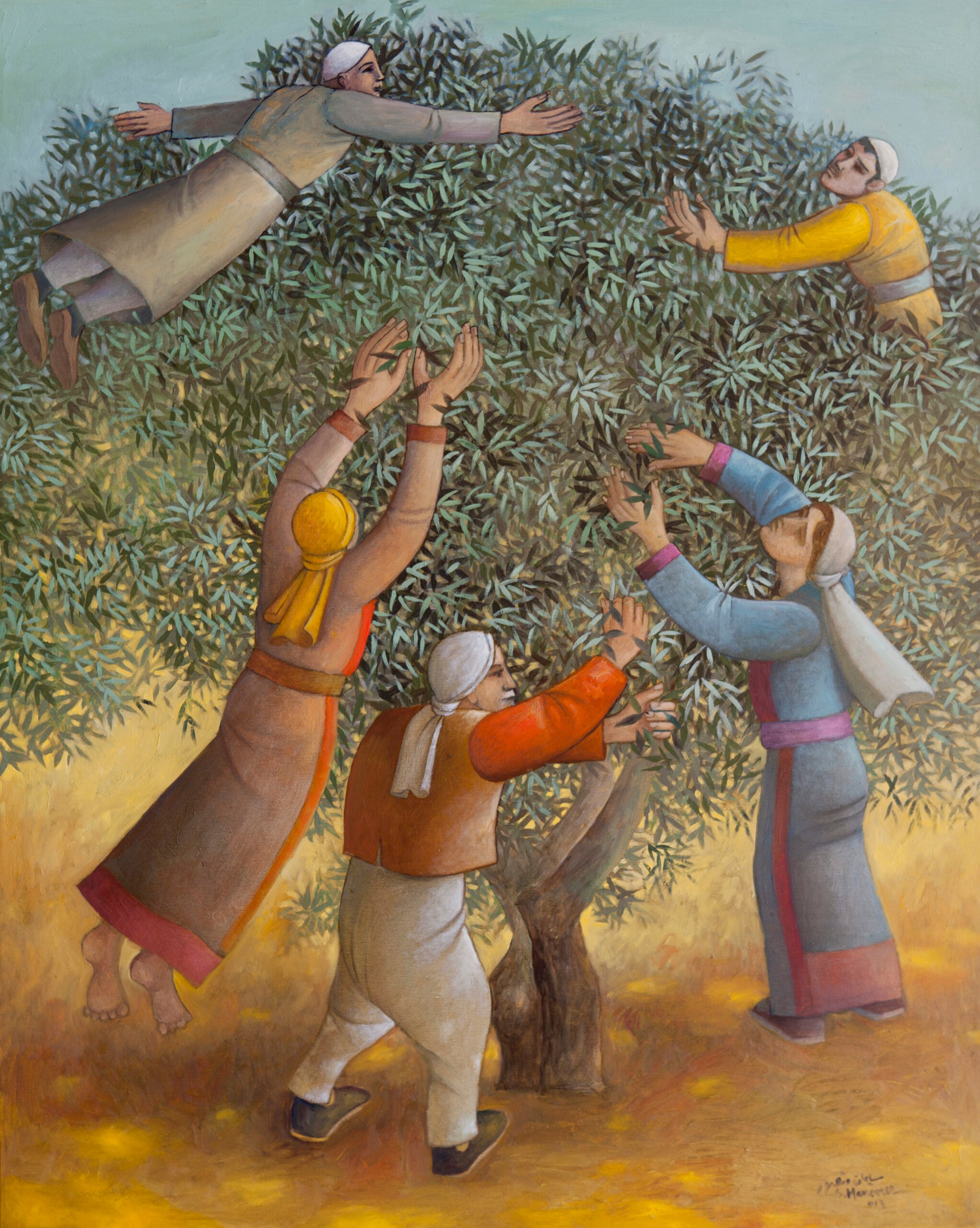
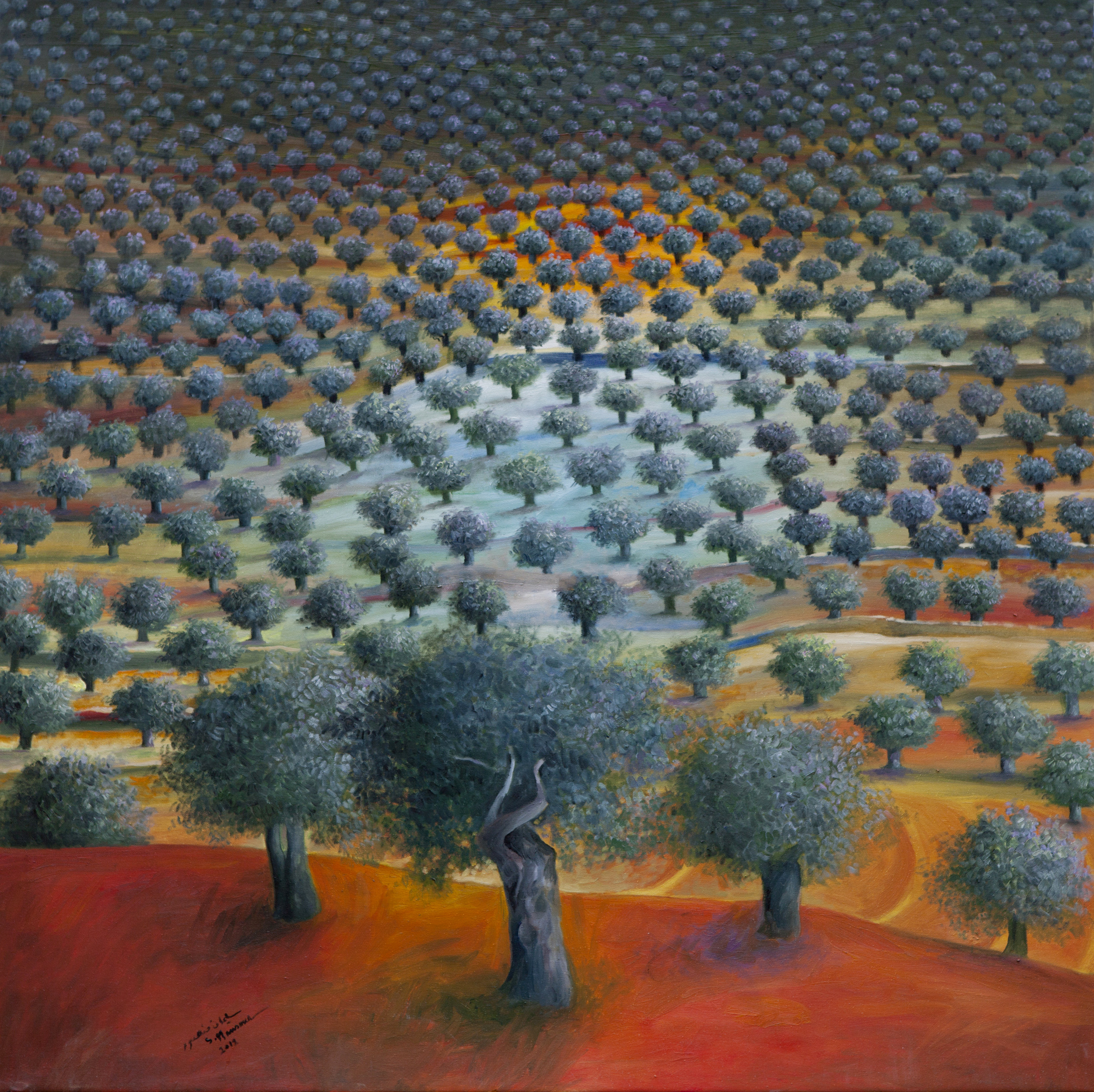
“The olive tree, for us, is not only a tree, but a witness to history and the resilience of our people,” he said. “Every olive branch tells a story of survival, no matter how many times it’s been cut or uprooted. The orange of Jaffa, with its fragrance and sweetness, carries the longing for stolen homes and the coastal cities we were forced to leave behind.”
The cactus, he added, planted along the edges of destroyed villages, “endures without water, surviving harsh conditions, like the Palestinian who refuses to surrender.”
Together, he said, the olive with its steadfastness, the orange with its longing, and the cactus with its endurance “form a full portrait of who we are: a people rooted in the land, sustained by memory, and defined by sacrifice and resilience.”


