

Newsfeed

Fashion has spent the last few years in overdrive – micro-trends cycling weekly, the latest “must-have” piece gaining virality on social media, drops landing faster than anyone can wear them, closets filling up with pieces that rarely make it past a single season.
Somewhere in that noise, a quieter idea has been gaining ground: that the most powerful thing a wardrobe can do is last.
This is a philosophy Australian fashion brand Esse Studios was built on long before it had a name.
Since launching the label in 2018, its founder, Charlotte Hicks, has rejected seasonal drops in favour of numbered “Editions” – a slow-release system designed to be lived with rather than replaced.
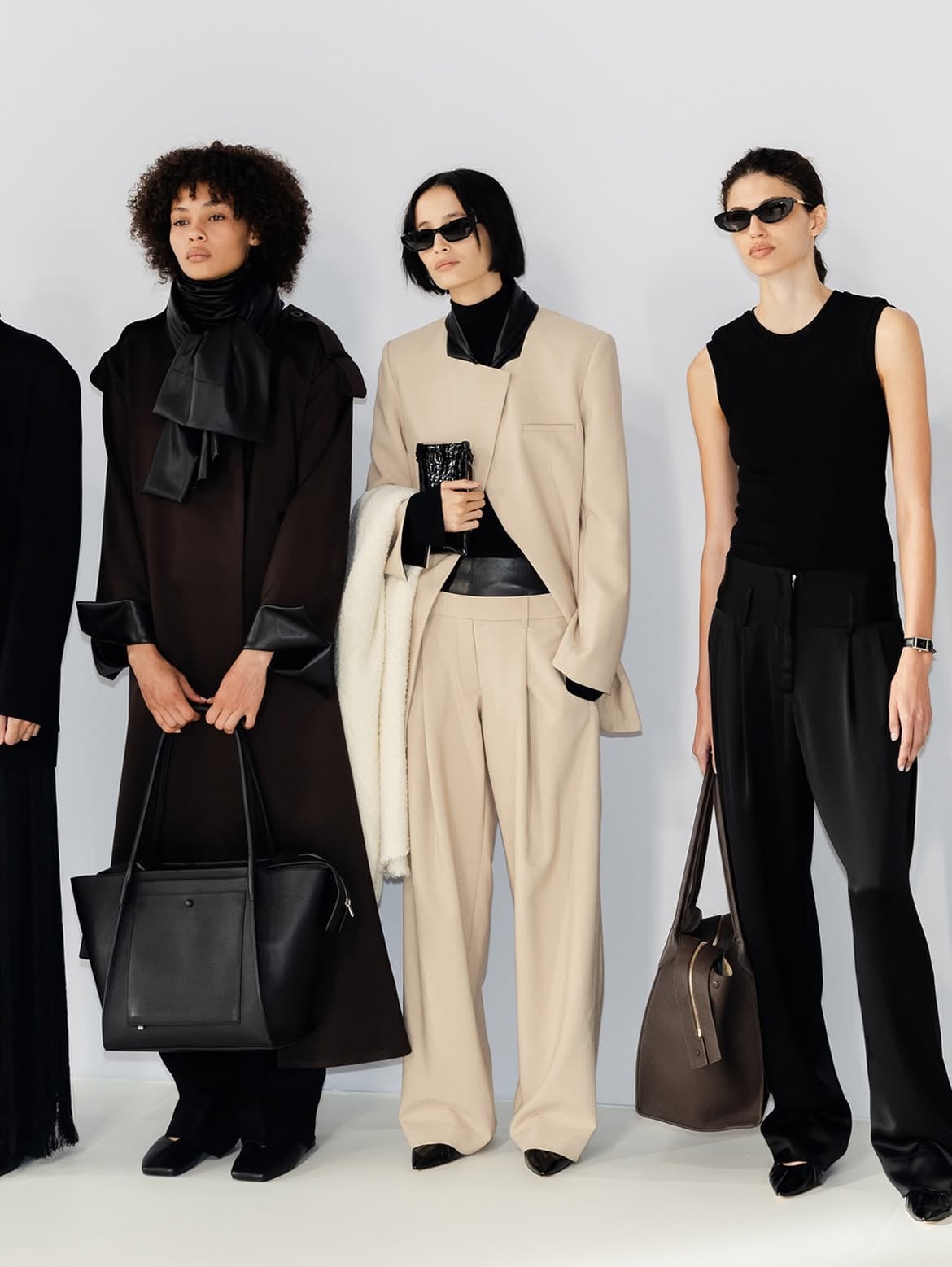
Following a recent showing at Australian Fashion Week, where Edition No.15 stood as the hero piece, we caught up with her on why restraint might be exactly what the Middle East’s luxury consumer has been quietly asking for.
A shift in how women are buying
Ask Hicks whether selling a wardrobe of lasting pieces is harder now than when she started, and her answer is counterintuitive: it’s easier.
“Today, I think there’s growing cultural fatigue; women are becoming far more discerning about what they bring into their wardrobes and why,” she tells GRAZIA. “That doesn’t necessarily mean people are buying less, but they are buying with more intention.”
The real challenge today, she adds, is an “increasing narrative around ‘wardrobe dressing’ which was almost non-existent when I first started.” What Esse offers, she says, “is not just clothing, but a sense of clarity.”
That philosophy shapes how the brand operates. Numbered Editions replace seasons, running against the industry’s appetite for speed.
“I think the pressure absolutely exists, but for us the discipline is in staying anchored to our point of view,” she affirms. “Each release builds upon the last. Pieces exist in relation to one another, forming a wardrobe with continuity and permanence. That naturally requires a slower, more intentional rhythm.”
Modern consumers, she says, “are overwhelmed – not just by product, but by choice itself. In that environment, restraint becomes powerful.”
Does restraint travel?
It begs the question though, does this notion of restraint in fashion travel? Namely, to the Middle East, in a region which has been known for its penchant for maximalism.
“I actually think there’s a misconception that restraint and maximalism sit in opposition to one another,” she says. “The Middle Eastern customer has an incredibly sophisticated understanding of craftsmanship, fabrication, silhouette, and presence – and those are all things that sit at the core of Esse.”
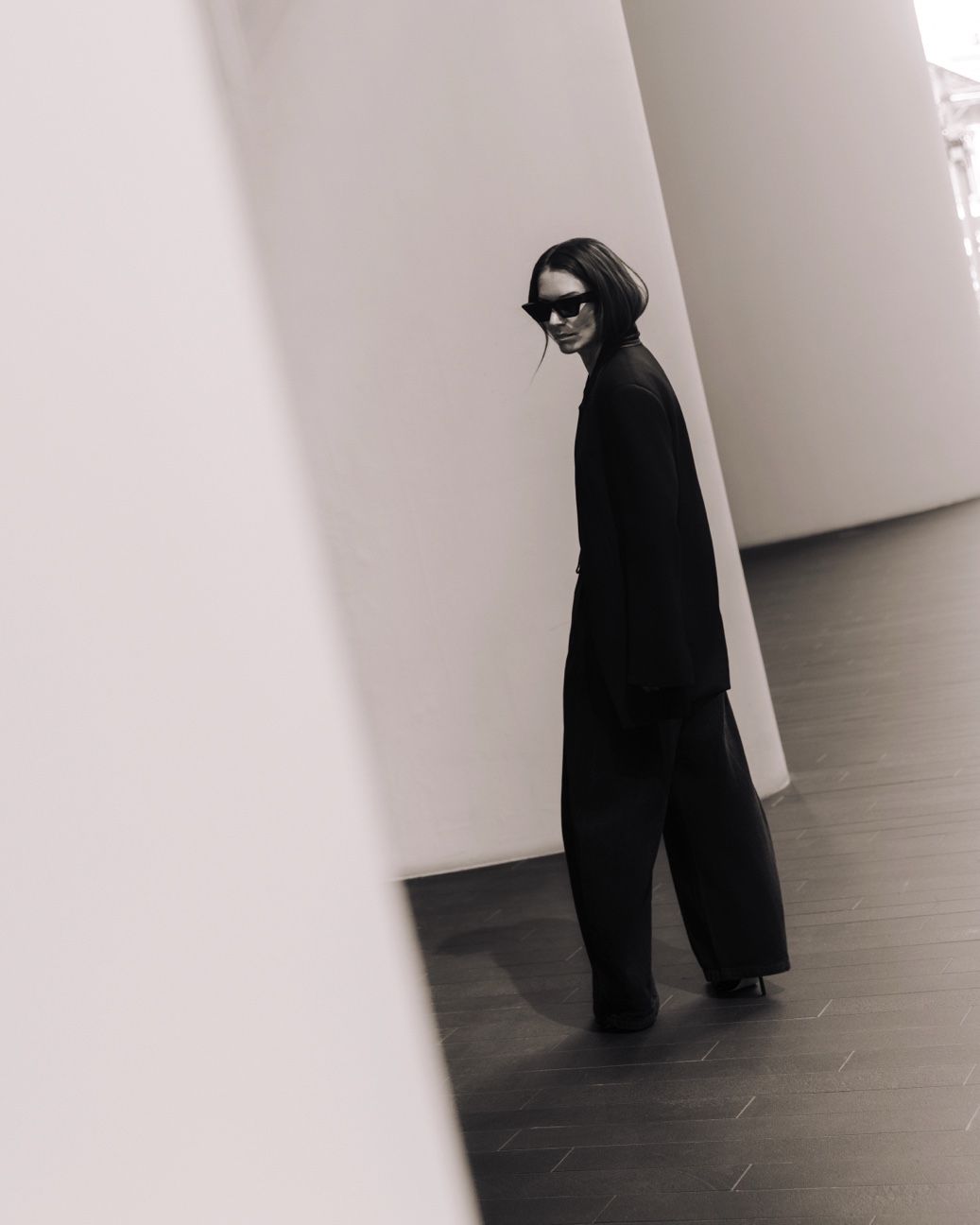
True luxury consumers, she says, “are looking beyond trend and obvious branding. They’re seeking pieces with substance, emotion, and longevity.” Esse’s restraint isn’t an absence of drama, she notes: “there’s still sensuality, strength, and drama within the silhouettes. It’s simply expressed through proportion, cut, movement, and construction rather than excessive ornamentation.”
“I think that emotional connection to quality and intentionality translates globally,” Hicks adds.
The instinct goes back to years spent inside other fashion houses. Hicks studied fashion design and textiles at the University of Technology, Sydney, before working her way through the Australian industry – a junior design role at Zimmermann, then a long stretch at Sass & Bide spanning denim, knitwear, and ready-to-wear.
“Everything was moving so quickly – constant product drops, overproduction, an endless cycle of novelty – and I found myself questioning whether any of it was truly adding value to women’s lives,” she says. That questioning became an interest in intentionality: “What if garments were designed to live with a woman over time rather than exist for a single season or moment?” Esse, she says, “was never about rejecting fashion itself, but about building a different relationship with it – one rooted in restraint, composition, and purpose rather than excess.”
That ethos played out at Australian Fashion Week, where Edition No.15 was staged alongside the Editions just before and after it.
“We’re living in a very saturated and performative moment culturally, and I wanted the collection to feel focused on the Esse woman,” she says.
As for what’s next, Hicks aims for Esse to evolve “into a broader luxury house – one that moves across fashion, objects, spaces, and experiences”.


