

Newsfeed

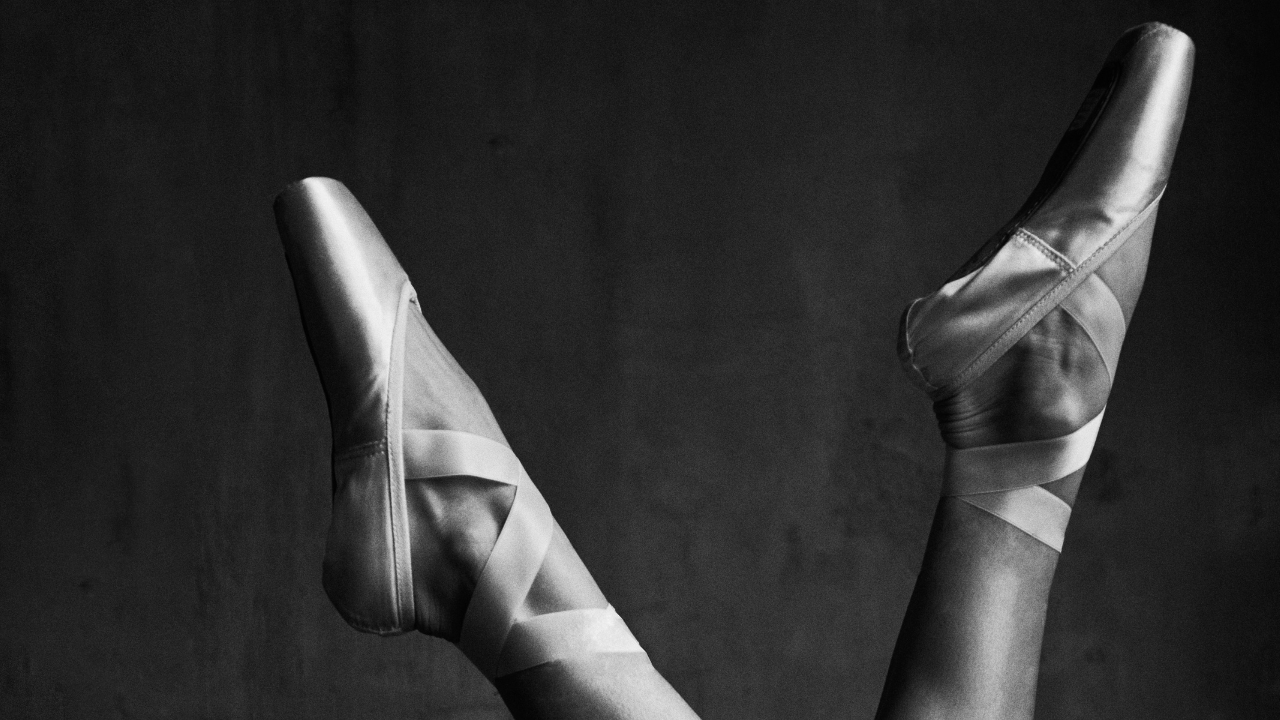
If you’ve glanced at the internet at all in the past few weeks, Timothée Chalamet’s breezy dismissal of ballet and opera set off a minor cultural spiral – one that, depending on who you ask, followed him all the way to the Academy Awards, where Marty Supreme rather awkwardly left empty-handed. “I don’t want to be working in ballet, or opera, or things where it’s like, ‘Hey, keep this thing alive, even though like no one cares about this anymore.’,” he mused. Bold words, but while Hollywood’s golden boy is rolling his eyes, the Middle East’s dancers are quietly rewriting the script, showing that classical disciplines aren’t relics, but vital, vibrant, and fiercely relevant to a region hungry for creativity and culture.
Across the region, ballet is no longer just a European export – it’s finding a home in the UAE, Egypt, Saudi and beyond, where dancers are blending classical technique with contemporary storytelling, local culture, and a modern sensibility.
For Emirati Alia El Neyadi, that shift has been decades in the making. “When I discovered my love for dance in the early ‘90s I was hoping to find a place that would be a platform for a professional teaching, which is why my mother was keen to support on that front. She had background in Russian ballet and decided to open the first ballet class in Abu Dhabi in cultural foundation in 1997,” she tells GRAZIA. “It was always viewed as a hobby for kid; following a professional path was unheard of.”
Often credited as the UAE’s first Emirati ballerina, Alia didn’t so much step onto the dance scene as carve out space for it, emerging at a time when ballet in the region was still treated as an extracurricular curiosity rather than a viable calling. Trained from a young age under the watchful eye of her mother, she grew up between cultures, absorbing the discipline of classical technique while quietly challenging the notion that it didn’t belong.
That once-isolated pursuit now sits at the centre of a rapidly evolving cultural landscape. As Alia explains, the transformation of the UAE’s arts scene has been nothing short of seismic, with initiatives like the newly established UAE National Orchestra, which debuted its inaurgural show ‘The Beginning’ in January of this year, signalling a broader commitment to homegrown creative industries. “Today I’m so proud to see how we are celebrating all forms of art, sport, field and what a joy to be part of something that felt once isolating, but now connecting us all in different ways. The sky is the limit for new possibilities in the UAE.”
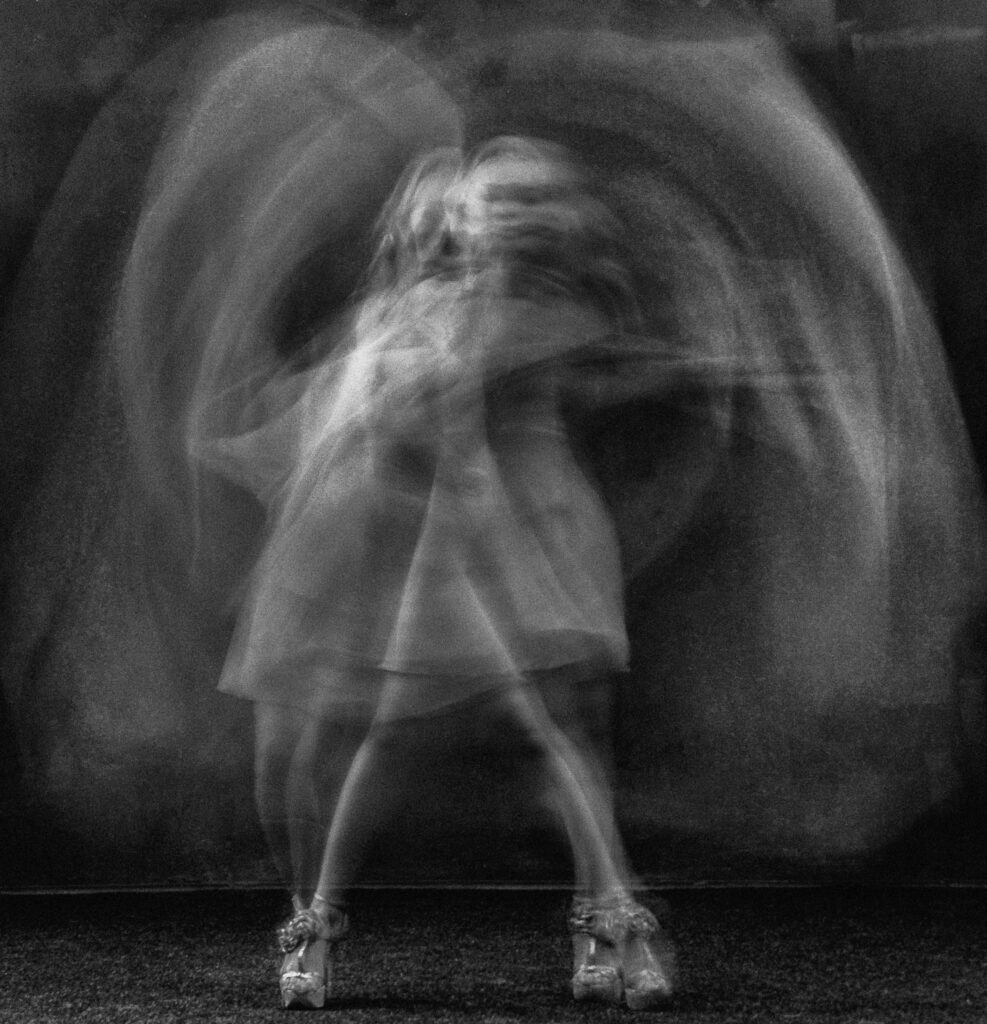
If Alia helped lay the foundation, then Yousra Mohsen represents the next, more provocative chapter in the region’s dance evolution – one that pushes not just artistic boundaries, but social ones too. Born in Lebanon in 1998, Yousra is the first Middle Eastern dancer to join one of Paris’ hottest and most famous stages, Crazy Horse, in 2018, appearing under the name LaïlaLiberty. When she first began dancing, she recalls a landscape where the idea of pursuing it professionally was almost unthinkable, with most still relegating it to the realm of hobbies. “At the beginning, it was difficult to explain to people that heels dance, sensuality and cabaret are also legitimate dance languages and disciplines,” says Yousra. “When I began performing at the Crazy Horse eight years ago, many people perceived it as something shameful. Today, I am proud to say that perceptions have changed significantly. Now I see many Arab dancers exploring this style and embracing the expressive power of sensuality in dance. This shift has shown me that mentalities can evolve. I am proud to have played a role in triggering that change and in helping expand the conversation about what dance can be in our region.”
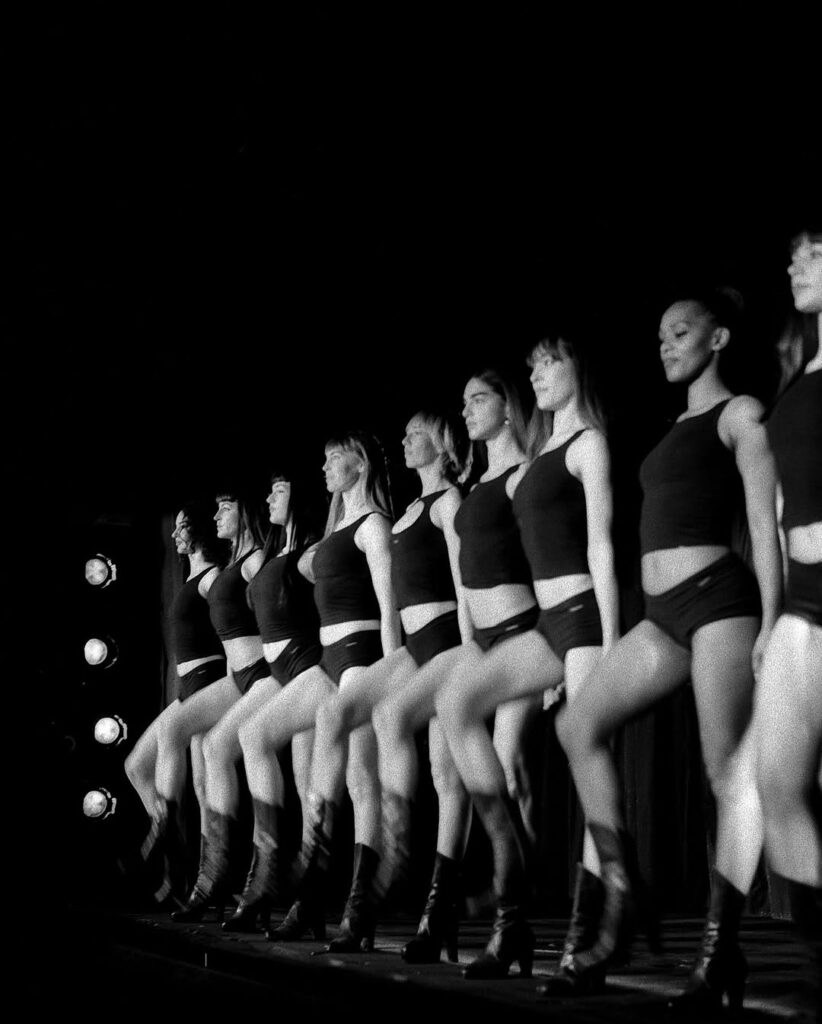
For both women, progress hasn’t erased the practical – and often gendered – challenges of building a dance career in the region. “Performing arts in general has seen immense changes in the UAE, especially now with the establishment of the UAE Orchestra – the sky is the limit for new possibilities and opportunities to create original Emirati works that include music, dance, and opera,” shares Alia. But that optimism is hard-won. “It was definitely a challenge growing up in a time where most of the audience was older and critics were over the age of 35, who were not ready or exposed to such kind of things. It took a lot for a 14-year-olds to really believe in what she was doing and see it to the end.”
Yousra echoes the sentiment and points out that one of the most significant gaps lies in infrastructure. Unlike established hubs such as Paris Opera Ballet School, where dancers are funnelled through rigorous, well-funded institutions from a young age into stable company roles, much of the Middle East is still developing those long-term pathways. Its important to remember that other models exist,” she says. “For example, my work with the Crazy Horse is also part of a company structure. Although it represents a very different style of dance, it still provides the stability of belonging to a troupe, performing regularly on stage and touring internationally. So while the landscape may look different, dancers in the region are finding creative ways to build careers and create new opportunities.”
It’s this very rigor that makes Timothée Chalamet’s earlier dismissal of ballet and opera feel, at best, glib. Because behind the perceived fragility of these art forms lies a discipline that is anything but delicate. As Yousra explains, dance – particularly ballet – demands a near-obsessive level of dedication: hours spent repeating the same movement in pursuit of incremental perfection, learning to accept failure as part of the process when the body simply refuses to cooperate. “Dance is also extremely mental,” she adds. “You must connect the body and the mind while simultaneously expressing emotion through movement. That balance between physical precision and emotional expression is something that has deeply shaped who I am, and I see the impact of my dance training in everything I do.”
Alia is in full agreement. “It has made me the person I am and I wouldn’t change it for the world,” she says. “Despite all the stereotypes of the tough disciple and endurance of ballet, it’s really what shapes you to become the best version of yourself.”
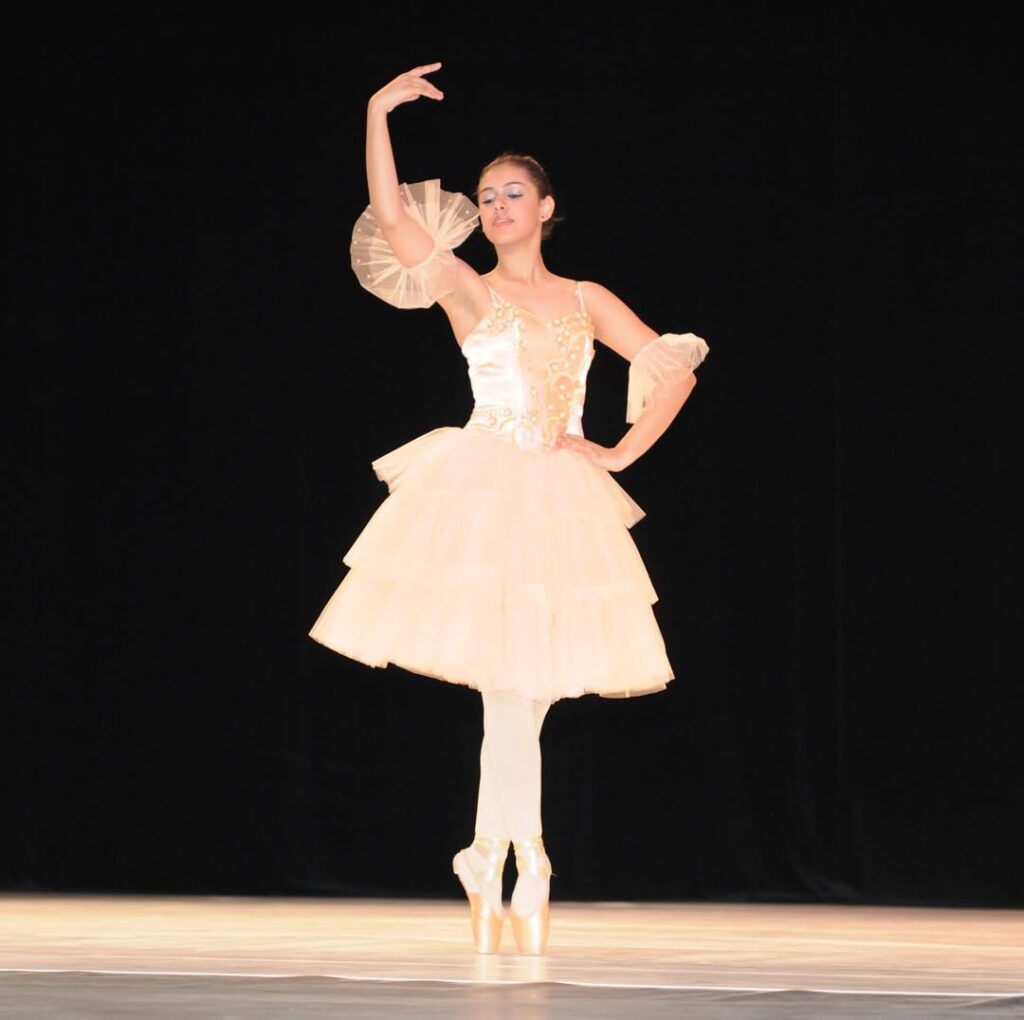
Across the Middle East the future of ballet is being built with intention. For Alia, the next decade isn’t about preservation for preservation’s sake, but expansion. Also giving a nod to the inception of the UAE National Orchestra taking shape, she envisions a future of full-scale productions and, ultimately, a dedicated “home of the arts” in Abu Dhabi. Her advice to the next generation that will continue to blaze this trail? Hard work and persistance. “No matter what you end up choosing, working hard, believing in yourself, and never giving up instils something in you. If we keep fighting for our dream, we will make it.”
Yousra reinforces that message with equal clarity, emphasising belief alongside dedication. “Never stop dreaming. Work hard, because the level of competition today is incredibly high. You are talented too. No matter where you come from. You just have to believe in yourself. Because if you do not believe in yourself, nobody else will be able to believe in you for you. So keep pushing, keep training, keep learning and keep believing. If you stay committed to your path, you will find your place.”
Together, their voices underscore a simple truth: ballet in the Middle East isn’t merely surviving – it’s thriving, guided by the next generation of dancers who are learning to dream big, train relentlessly, and believe unwaveringly in their own potential.


