










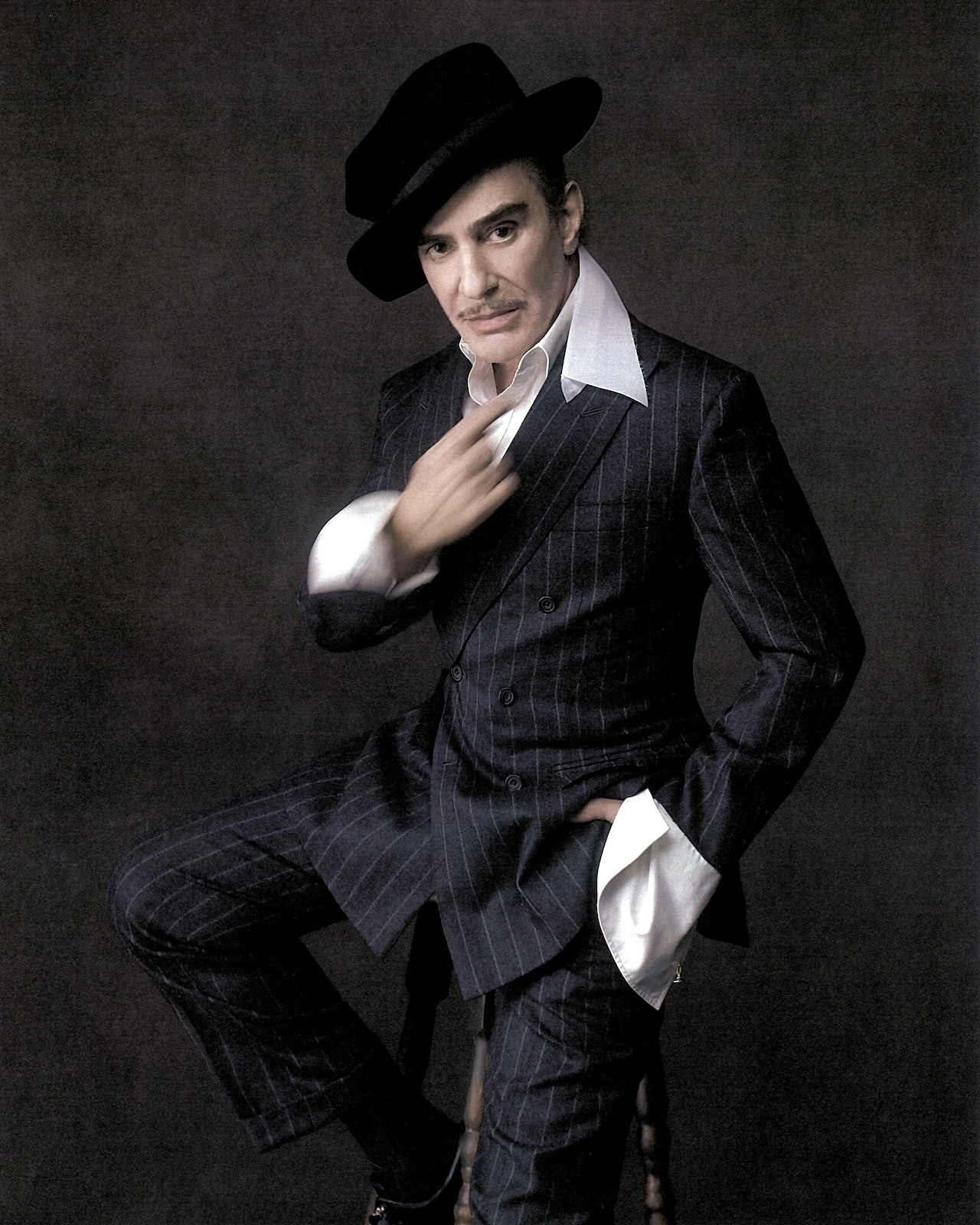
Zara is going couture-adjacent, and your local mall may never be the same. The Spanish giant has announced a two-year creative partnership with John Galliano — yes, that John Galliano, the couture maximalist whose Dior gowns now sell for hundreds of thousands at auction.
It is a headline that sounds like fashion fan fiction: the most theatrical couturier of his generation stepping into the fluorescent-lit reality of Zara fitting rooms. But the John Galliano x Zara partnership is not a one-off capsule or a quick hype drop. It is slower, stranger, and potentially a lot more disruptive.
Inside the Two-Year John Galliano Zara Partnership
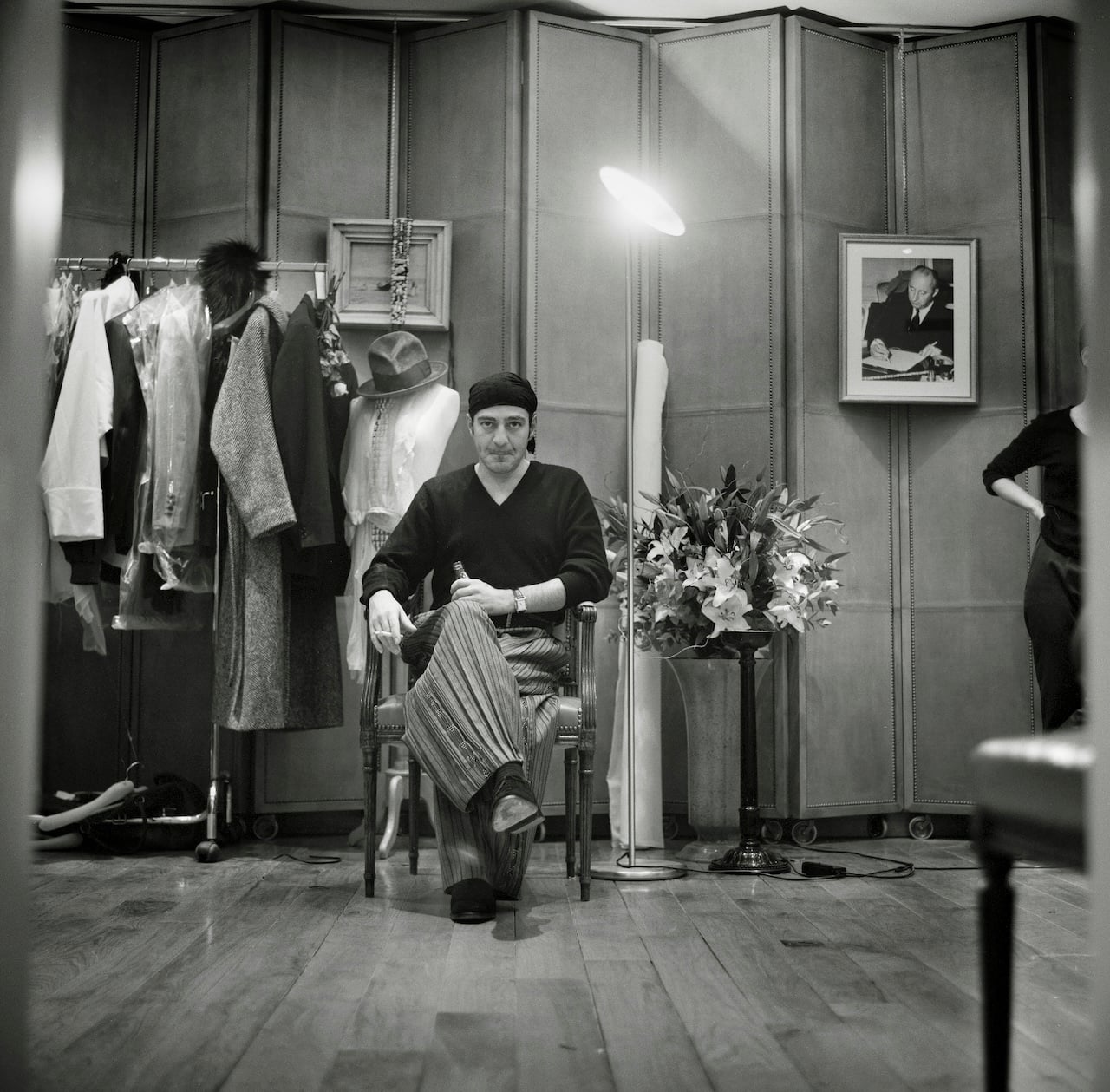
Here is the framework. Galliano has signed on for two years to work with Zara on a series of collections that will land twice a year starting in September. Instead of sketching from scratch, he will “re-author” Zara’s archives, working directly with past-season garments and stock, deconstructing and reconfiguring them into new pieces.
So picture Galliano not in an ivory-tower atelier, but in a gigantic Zara warehouse, rifling through 50 years of rails. The idea sits in a curious space between fast fashion and couture: not quite upcycling, not exactly recycling, but a kind of industrial-scale re-edit. Think less “new drops every week,” more “what if your favorite Zara trench came back as a corseted dress with a completely different life.”
Strategically, this is huge for Zara. The retailer has done chic collaborations before — Narciso Rodriguez, Kate Moss, Anna Sui, Ludovic de Saint Sernin, Stefano Pilati — but always as finite capsules. A two-year creative partnership is closer to giving a star director the keys to a franchise. It signals that Inditex, led by Marta Ortega Pérez, wants not just trend speed, but authorship.
Can Couture’s Mad Genius Live on a Zara Price Tag?
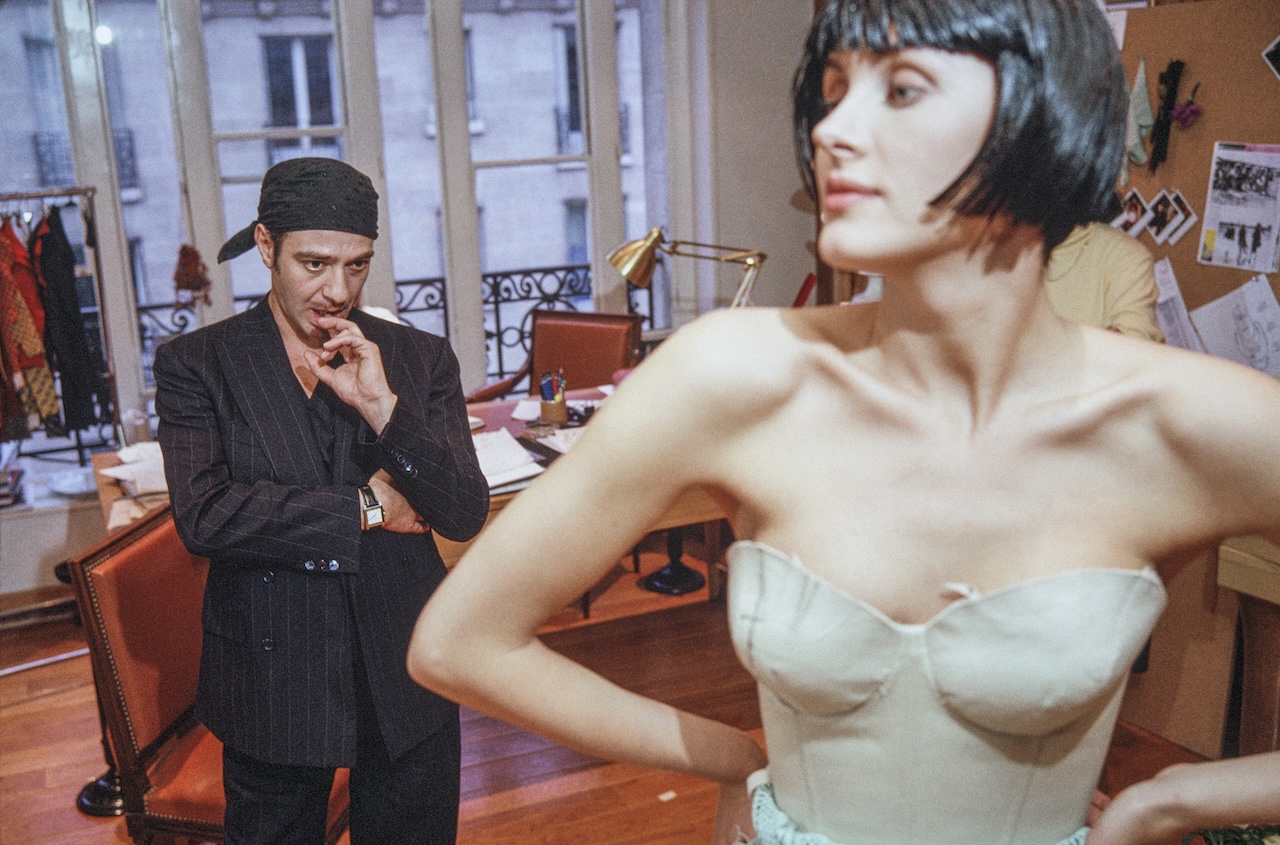
Galliano arrives with serious mythology. He recharged Christian Dior from the late ’90s through 2011 with bias-cut dresses, historical fantasies, and runway shows that felt like opera. At Maison Margiela from 2014 to 2024, he pushed extremes of craft and camp — remember that Spring 2024 Artisanal show under a Paris bridge, with brutal corsetry and makeup that looked like oil paintings come to life?
The market has been just as dramatic. When collector Mona Ayoub auctioned her Dior archive, the only pieces that broke 100,000 EUR — 18 of them — were from the Galliano era. One gown hit 637,500 EUR, around $734,000 USD, a record for Dior. For most shoppers, Galliano has existed as a legend you meet only on runway livestreams or resale sites.
Which is why the idea of his work hanging next to your office blazers feels borderline surreal. Realistically, you are not getting hand-beaded corsetry or museum-level fabric at Zara prices. But some Galliano codes translate beautifully without couture budgets: clever bias cuts in viscose instead of silk, trompe-l’oeil prints that mimic layered garments, reconstructed trenches, corset seaming built into a shirt dress.
The archive angle adds another layer. Working from existing Zara pieces can read as a soft pivot toward circularity — less virgin production, more reinvention. How meaningful that is will depend on how much of the line truly comes from reworked stock versus newly made product. For now, Zara is selling us an idea: creativity applied to what already exists, not just an endless chase for something new.
Hovering over all of this is Galliano’s past. In 2011, he was filmed in a Paris bar making antisemitic and racist remarks, then was fired from Dior and later convicted of a hate crime. He entered rehab, publicly apologized, and spent the next decade rebuilding inside the more conceptual world of Margiela. A 2023 documentary tracked that process; his front-row appearance at a Dior couture show this year felt like an unofficial industry pardon.
The Zara move pushes that quiet rehabilitation into the global mainstream. For some shoppers, the John Galliano x Zara partnership is a thrilling democratization of genius. For others, especially Jewish and Asian communities, it raises a harder question: when you buy the clothes, are you also buying into the idea that fashion’s worst behavior can always be forgiven if the work is good enough?
What This Means for Your Closet — and for Fashion’s Future
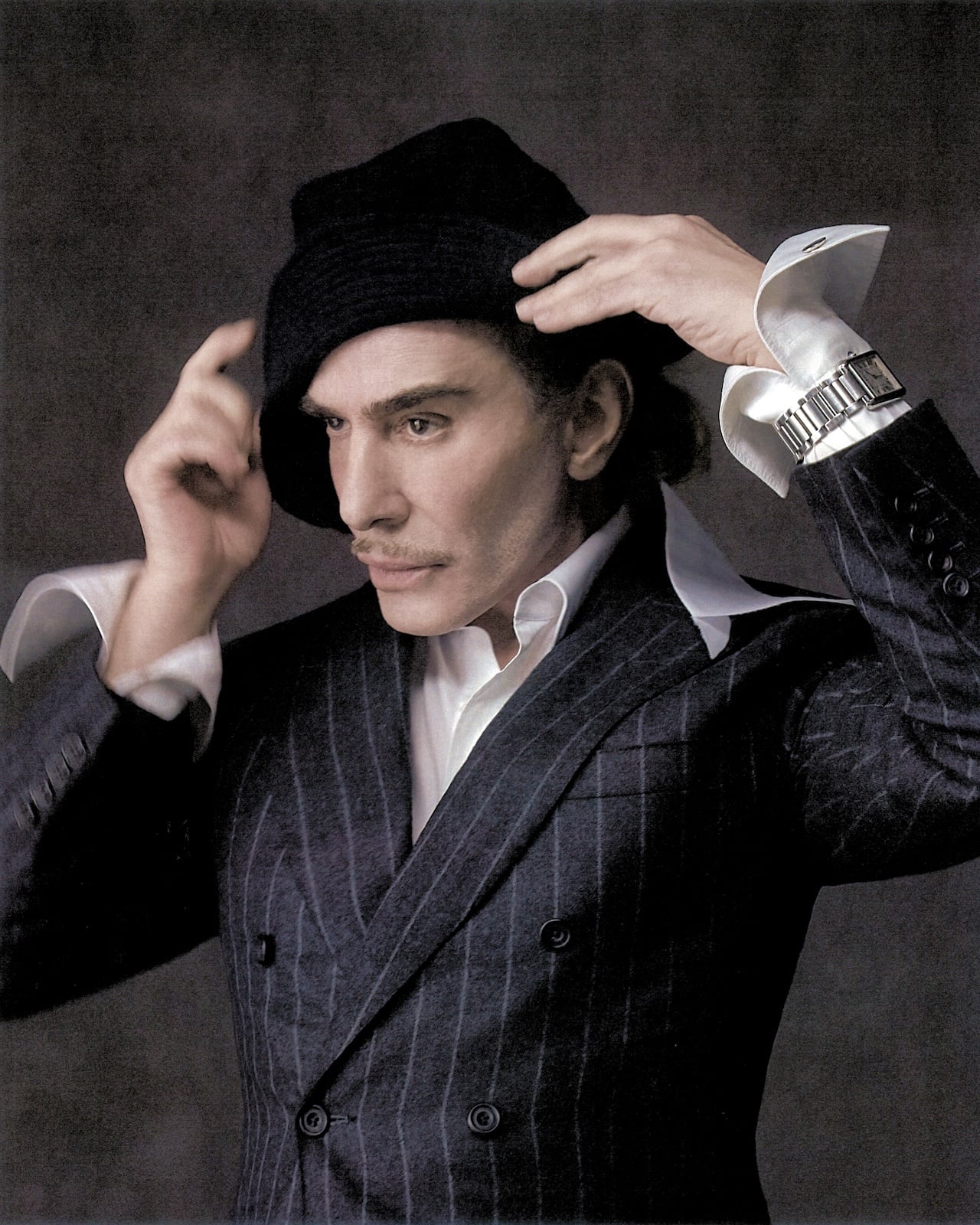
Galliano is not the only marquee name trading couture salons for mass retail. Clare Waight Keller is now creative director at Uniqlo. Zac Posen quietly took the creative lead at Gap. Jonathan Saunders steers & Other Stories. As luxury prices climb into the stratosphere and consumer appetite cools, high fashion has become a risky career; mass retailers offer scale, stability, and a shot at dressing people who have never touched a runway piece.
For Zara, the bet is clear. Ultrafast players like Shein and Temu can always be cheaper and quicker; they cannot easily compete on cultural authority. Attaching a designer whose archive breaks auction records is a way to buy credibility, not just clicks. If H&M’s Karl Lagerfeld collab in 2004 was the starter course for high-low fashion, this is the tasting menu.
For U.S. shoppers, September becomes a calendar event. Expect the Galliano pieces to sit at the higher end of Zara’s usual pricing, and expect them to move fast. The most Galliano-coded items — anything corseted, bias-cut, or heavily draped — will be first to vanish and first to surface on resale. If you care, this is the moment to know your local flagship, make sure your Zara app is ready, and move with intention instead of scrolling half-asleep.
There is also the question of how you feel wearing it. Some will separate the art from the artist and call it a win that the cost of entry has dropped from six figures to something closer to your monthly rent. Others may choose to sit out, or to buy secondhand later, so their money goes to a reseller, not the original machine. Quiet personal boycotts are still a language brands understand, even if they rarely admit it.
What is certain is that this partnership blurs a line that used to feel firm: couture for a microscopic elite, fast fashion for everyone else. When a designer who has rewritten the history of Christian Dior starts rewriting Zara’s back catalogue, the hierarchy shifts. Your mall might be the place where fashion’s most complicated comeback story writes its next chapter — on a hanger, in your size, waiting to see what you decide.


