








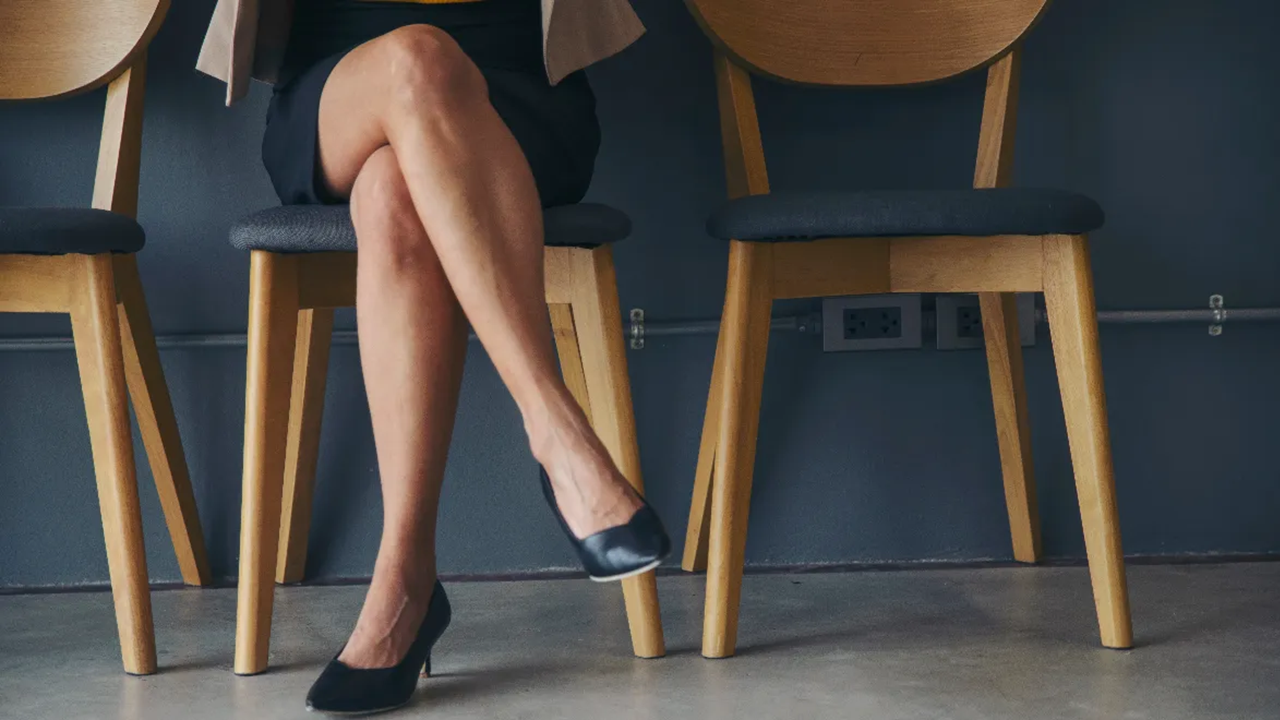
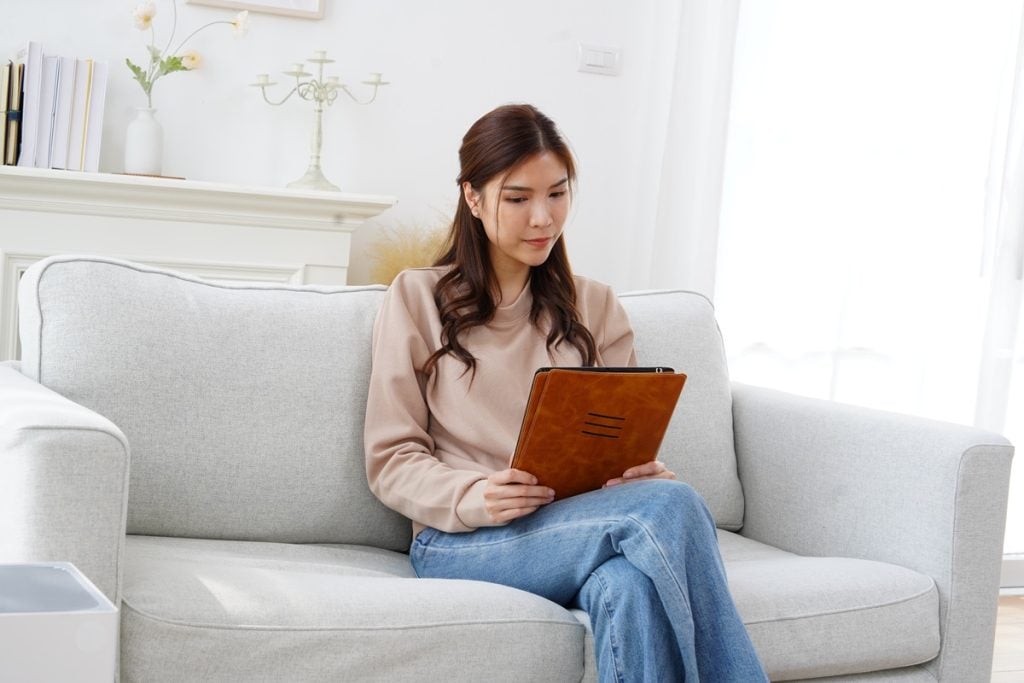
Every day, we repeat gestures without even realizing it. They feel natural, automatic. Yet behind these movements often lie cultural habits, social conditioning, and reflexes ingrained since childhood. Take the act of crossing your legs—a movement frequently observed in women when they sit down. Why is this gesture so common?
An “Almost” Natural Gesture
Crossing your legs may feel like a spontaneous reflex, but it’s actually learned behavior. It’s not a biological instinct but a cultural gesture we adopt from childhood, often through imitation, that stays with us into adulthood across different contexts.
A Posture Learned From a Young Age

From school to home, little girls often hear: “Sit up straight,” “Cross your legs.” This seemingly innocent advice gradually becomes a deeply ingrained habit. We see it reinforced in movies featuring models or femme fatales.
A Mark of Femininity According to Social Norms

In many societies, crossing your legs is associated with elegance, discretion, and even seduction. This gesture reinforces an image of a woman who is “well-mannered” or “refined”—at least according to certain societal norms.
A Marked Difference Between Men and Women

Among men, crossing the legs is far less common, or at least perceived differently. Men more often adopt open postures, while women are encouraged to remain more “closed” and contained. This contrast highlights one reason why do women cross their legs—social expectations around femininity literally shape how we occupy space.
A Sign of Respect… Or Not?

In some cultures, crossing your legs is a sign of good breeding and restraint. In others, showing the sole of your foot or crossing one leg outward can be considered disrespectful.
The Unconscious Influence of Media

In films, TV shows, and magazines, women are overwhelmingly depicted sitting with their legs crossed. This repeated visual model influences what we perceive as the “correct” posture.
Comfort Plays a Role

Some women say they cross their legs because they find the position comfortable. But this comfort is also tied to a bodily habit shaped since childhood, deeply embedded in our brains.
The Role of Social Gaze
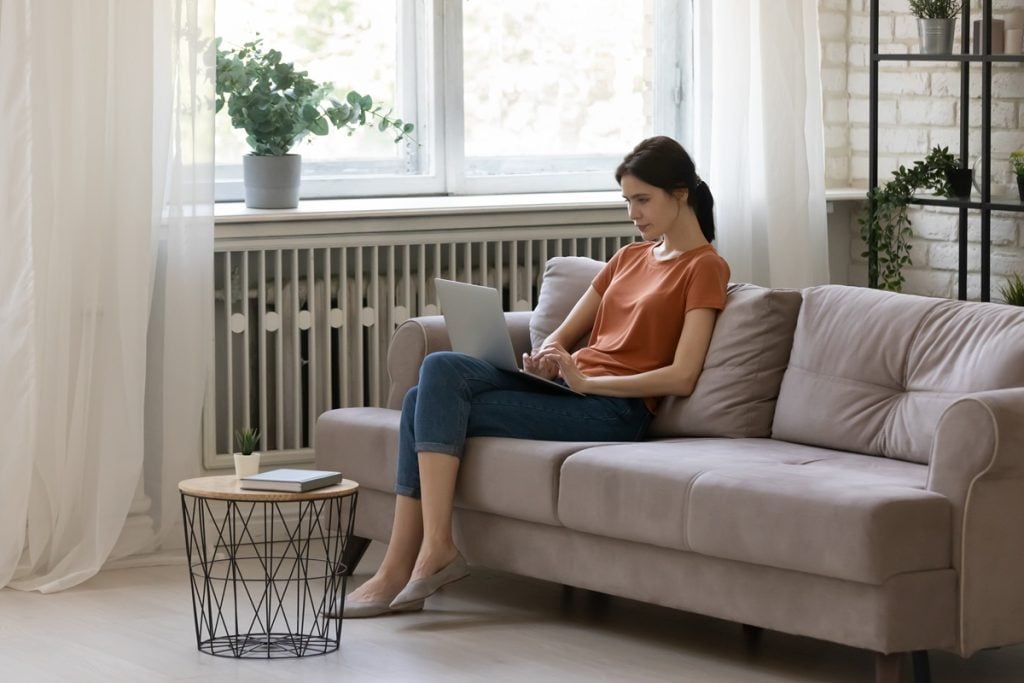
Women are often more scrutinized in how they carry themselves. The gaze of others—whether implicit or explicit—influences how we sit, to appear “presentable,” among other things.
What About Professional Settings?

In formal or professional environments, crossing your legs is sometimes perceived as a sign of self-control and professionalism in women, even if this is never explicitly stated. Understanding why do women cross their legs in these contexts reveals how workplace expectations continue to police women’s bodies.
A Posture That Can Hide Discomfort

Crossing your legs can also express a form of protection or withdrawal. In some cases, it reflects awkwardness, discomfort, or a desire to be more discreet—especially if your legs aren’t positioned “properly.”
Strong Cultural Differences
This gesture doesn’t carry the same meaning everywhere. In some Asian or Arab countries, crossing your legs in public can be inappropriate, while in the West, it’s often considered the norm.
It’s All About Attitude

Ultimately, this posture, like so many others, should be a personal choice, free from judgment. What matters isn’t whether you cross your legs or not, but understanding where this gesture comes from—and being able to free yourself from it if you want to, or own it proudly if you choose.
This article first appeared on viepratique.fr – Author: Yamina Hamdoud


