









You pull your favorite T-shirt out of the dryer and notice it already looks a little faded, a little shrunken, a little less like the shirt you fell in love with. We have all been there. The truth is, most of us unknowingly speed up the aging process of our wardrobes through habits we barely think about. Your jeans, your go-to cotton tops, even that silk blouse you splurged on – they are all perishable. But the good news is that a handful of small, intentional shifts can dramatically extend the life of nearly everything hanging in your closet.
Why your wardrobe wears out faster than it should
The modern relationship with clothing is, frankly, a little reckless. We buy cheap, trend-driven pieces on impulse, toss them in the wash after a single wear, and replace them the moment they show signs of fatigue. Fast fashion has normalized that cycle, but it comes at a cost – not just to the environment, but to our wallets and personal style.
The real issue goes deeper than fabric quality, though. Wear and tear does not only happen while you are wearing your clothes. It can happen in storage, too. Dampness, moths, and improper hanging can quietly destroy even well-made garments. So how do you break the cycle and start treating your wardrobe like an investment rather than a revolving door?
Rethink how (and how often) you wash
Here is a counterintuitive truth: even the best washing machines can shorten the life of your garments if you use them too frequently. Not every slightly worn shirt or lightly marked dress actually needs a full wash cycle. Instead of tossing everything into the machine at the first sign of dirt, consider spot-cleaning. A dedicated stain remover works well, but even a small amount of dish liquid applied with a damp cloth can handle most small stains. And those slightly worn tees that just need freshening up? Simply airing them out will do the trick more often than not.
For delicate fabrics like silk, wool, or leather, newer fabric care technology makes this approach even more practical. Features like steam refresh and gentle airflow – such as those found in modern steam-refresh garment cabinets – are designed to refresh, deodorize, and sanitize lightly worn garments without a full wash cycle that fits right into a modern room or alongside dark cabinetry.
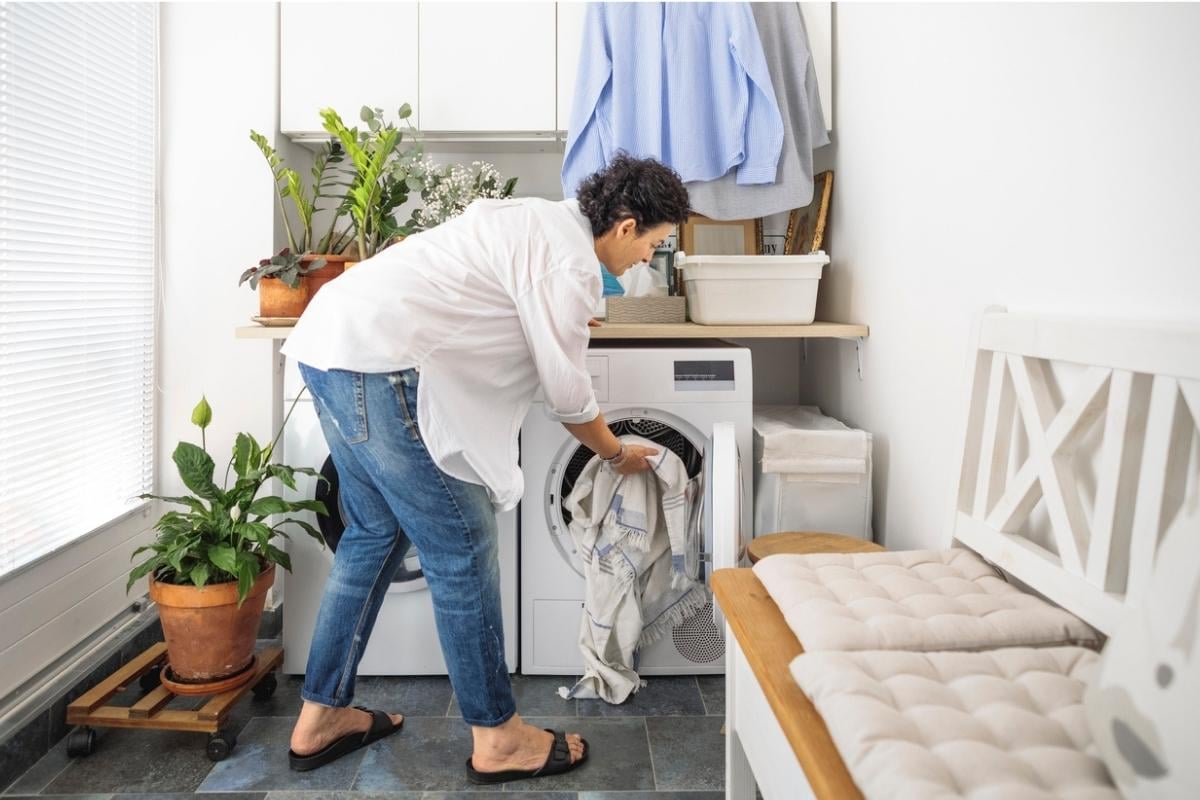
When a full wash is necessary, your machine settings matter more than you might think. High temperatures can cause shrinkage and fiber damage, so a cold or low-temperature wash is usually the better option. Smart appliances like Fisher & Paykel’s Series 11 Front Loader Washer come equipped with smart sensors that auto-adjust your detergent dose, water levels, and wash times based on the detected load size. Fabric-specific settings can also help reduce unnecessary wear.
The same principle applies to drying. High heat can be harsh on clothes, especially delicate pieces. If you use a dryer, opt for a lower heat setting where possible. The Series 11 Heat Pump Dryer, for example, uses lower temperatures to prevent shrinkage and fiber damage. And if you have the time and space, air drying remains one of the gentlest options available.
Buy smarter, store better, and learn to mend
Before you even think about care routines, the clothing itself matters. Instead of buying more, buy better. Well-made garments in durable natural fibers like merino wool, linen, and high-quality cotton will outlast their fast-fashion counterparts by years. Spending a little more, a little less often, can make a significant difference over time.
Once you have invested in quality pieces, storing them properly is just as important as washing them correctly. If your home is prone to condensation or mold, moisture absorbers in the wardrobe can help protect your clothes. If moths are eating tiny holes in your woolens, garment bags or moth repellents are worth the investment. And pay attention to how you hang things. Knits, for example, should be folded and stored in a drawer – otherwise they can stretch out of shape on a hanger.
Then there is the lost art of mending. Our forebears knew that basic skills like sewing and darning were invaluable for keeping clothes in good condition. With a little know-how, you can easily fix small issues like frayed hems and loose buttons, and it will not cost you a cent beyond the initial needle and thread outlay. For more substantial repairs, plenty of professionals can do the mending for you. Whatever it takes to keep those clothes on the hanger and out of landfill.
Small shifts, big payoff
None of these habits require a radical lifestyle change. You now know that washing less frequently, choosing cold water, investing in quality over quantity, storing garments thoughtfully, and picking up a needle and thread can collectively add years to the clothes you already own. The takeaway is refreshingly simple: treat your wardrobe with a little more intention, and it will return the favor.


