










Photo: Courtesy of Naomi Fisher
Miami-based artist Naomi Fisher transforms South Florida gardens into surreal realms where plants take on lives of their own. Over a 25-year career spanning photography, painting, ceramics, public art, and performance, Fisher has explored the boundary between nature and artifice. Her early-2000s Backyards series features women photographed from behind, their bodies merging with surrounding vegetation as orchids or heliconias sprout from their bikini bottoms. More recent projects extend that dialogue between the organic and the constructed: Arecaceae (2018), a site-specific mirrored stainless-steel palm installation for Givenchy’s Miami Design District store, transformed a retail space into a reflective jungle, while Luncheon in the Grotto (2022), a mural painted for Charli XCX, fills a disco-ball-lit party room with a tropical rainforest inhabited by mermaids. Rootwork: The Botanically Inspired Art of Naomi Fisher at The Kampong National Tropical Garden in Coconut Grove—a mid-career retrospective on view through December 31— brings these branches of her multifaceted practice together, immersing visitors in uncanny environments where the familiar becomes extraordinary.
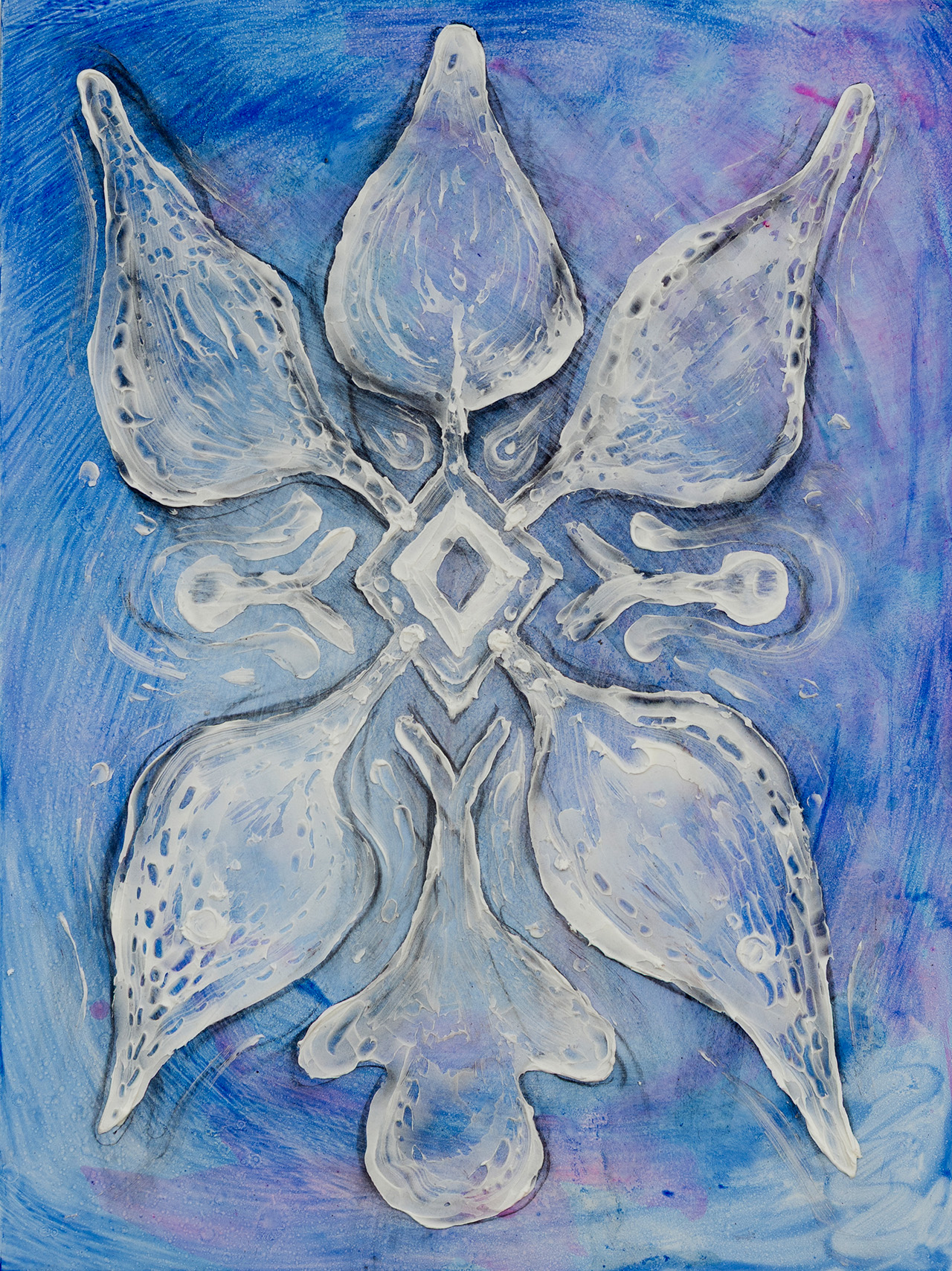
Photo: Courtesy of Naomi Fisher
Rootwork reconnects Fisher’s art with the garden where her fascination with the plant kingdom first blossomed. Her father worked as a botanist at Fairchild Tropical Botanic Garden in Coral Gables, and she often accompanied her parents to parties at The Kampong, the former estate of David Fairchild, a horticultural explorer who helped introduce mangoes and avocados to the Sunshine State. “I have all these memories of going there as a kid and it just being this magical wonderland,” Fisher recalls. For Garden Director Dr. Brian Sidoti, Fisher’s show is deeply grounded in the institution’s history and mission. “The Kampong’s arts programming highlights the intersection of conservation, community, and contemporary art, transforming the garden into a living space for creative dialogue,” he says. “I’ve known Naomi’s family for many years, so it’s especially meaningful to share her work here.”
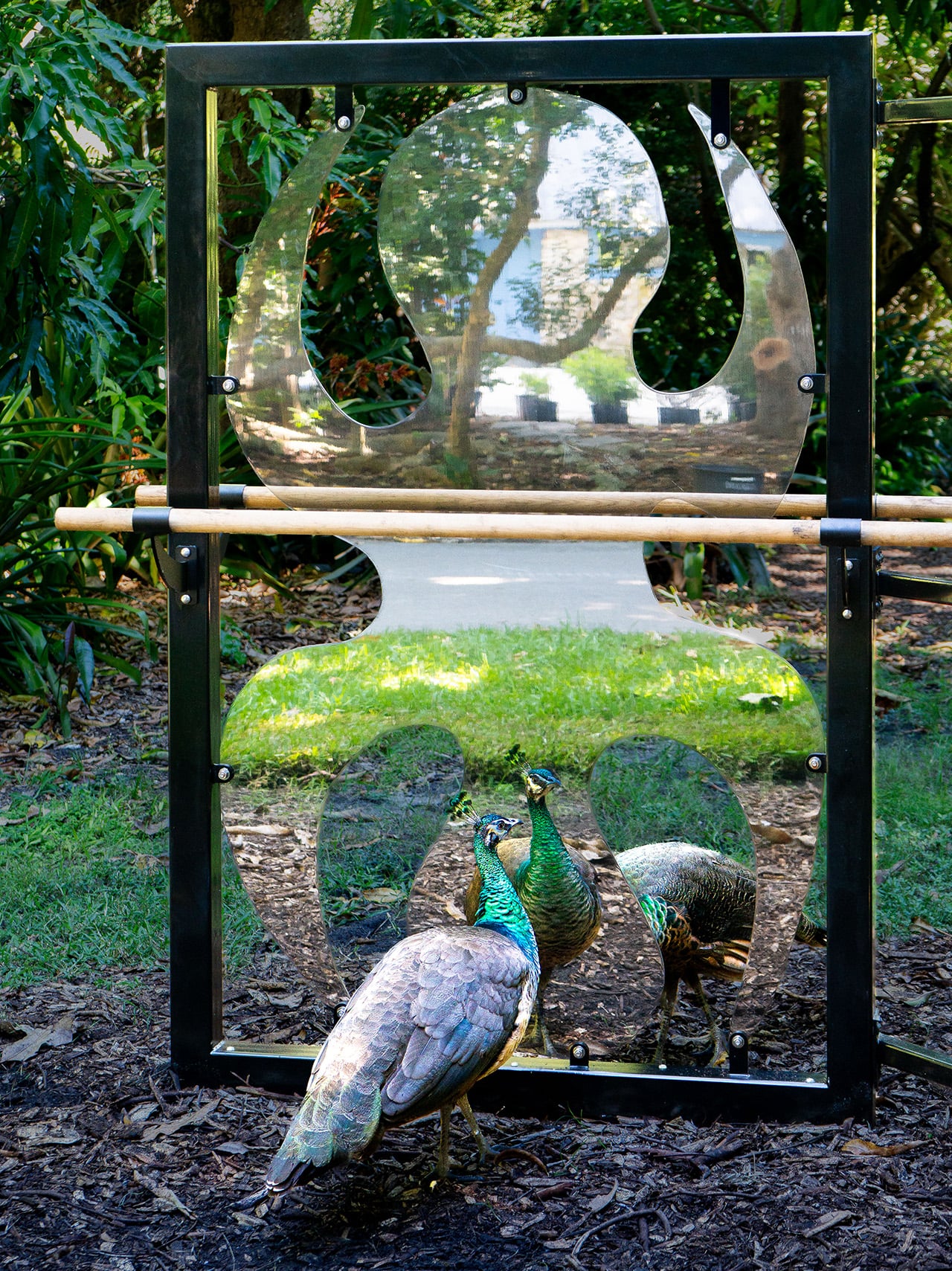
Photo: Courtesy of Naomi Fisher
Fisher’s practice dances between meticulous botanical detail and playful performance. “I’ve been looking back on my middle school sketchbooks, and they alternate between orchids and hibiscus showing every stamen and pistil, and girls in ballet slippers running from wolves,” she says. “I’m still basically making the same art.” A botanical illustrator colleague of her father’s showed her that pursuing art professionally was possible, and she honed her stippling and crosshatching skills at Miami’s New World School of the Arts—one ninth-grade, hyper-detailed shady lady tree drawing appears in the exhibition—before developing a more conceptual approach at the Maryland Institute College of Art. Her participatory sculpture #Puzzled (2017), originally commissioned for the Underline and now installed in The Kampong’s heritage tropical fruit collection, invites visitors to dance with its mirrored ballet barres. A local ostentation of peacocks has gleefully taken Fisher up on the offer, preening and strutting before the reflective surfaces.
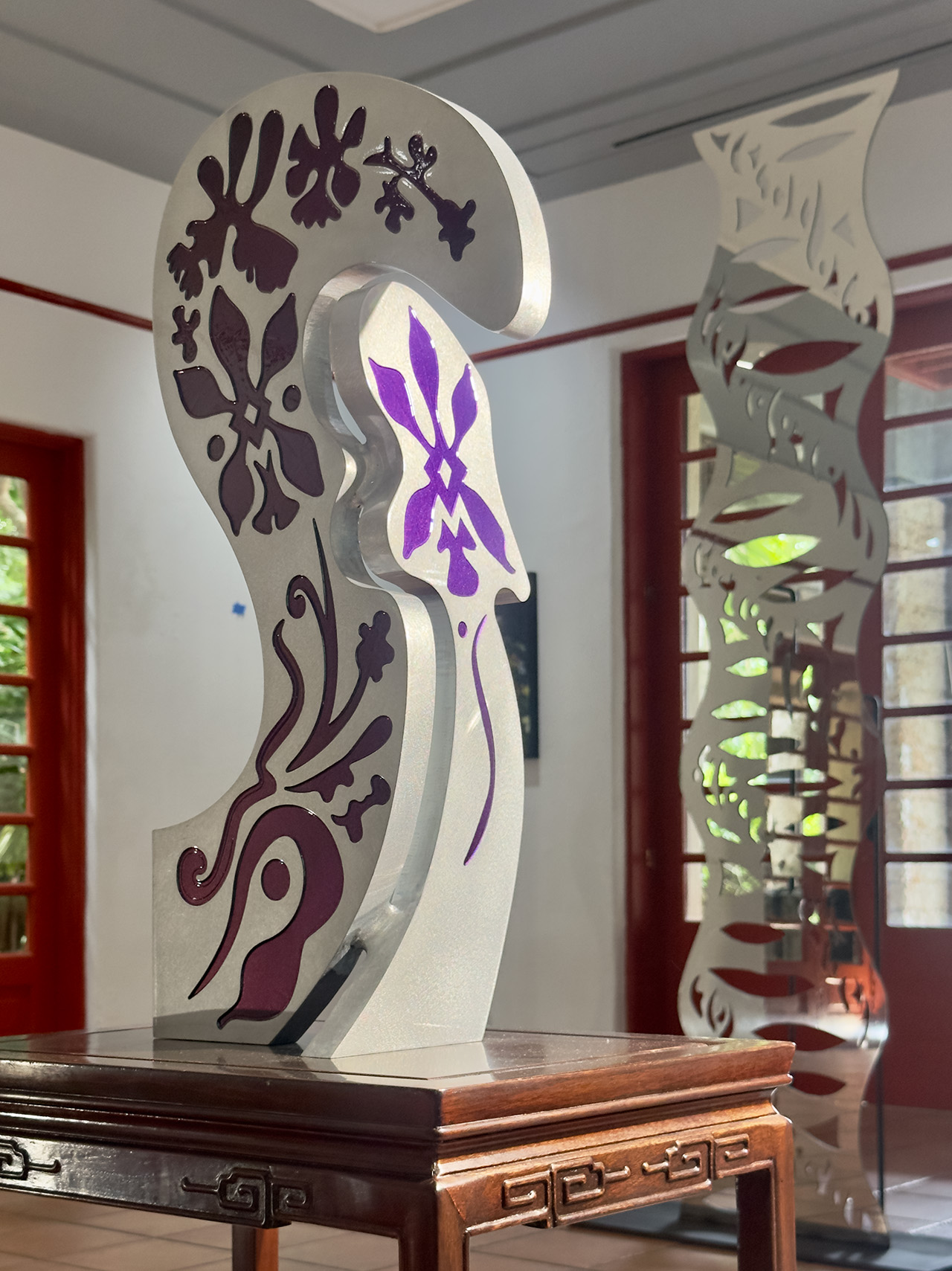
Photo: Courtesy of Naomi Fisher
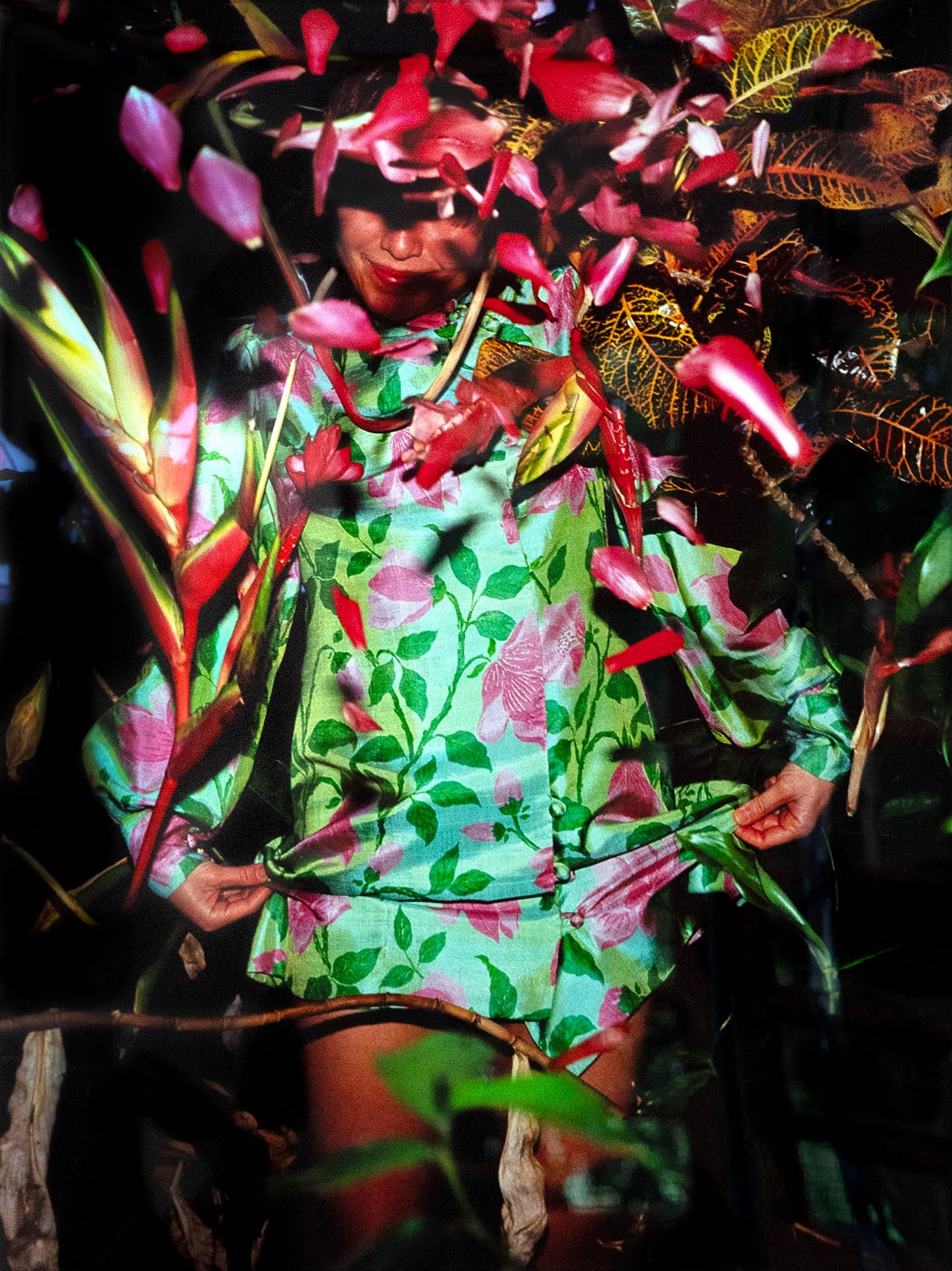
The main part of the show unfolds across The Kampong’s oolitic-limestone welcome center. In the living room, two 2001 cibachromes from Fisher’s Backyards series anchor the exhibition, their intensely pigmented, tightly cropped images showing women dressed in floral prints enveloped by cascades of cut blossoms. Nearby, Arecaceae Totem and two Arecaceae Fronds, repurposed from her Givenchy commission, converse with four new etched aluminum sculptures of the butterfly orchid and bluebell, created over the past two years. Coated in chromodynamic paint, the blossoms catch the light, revealing hidden pink and purple tones. The newest painting, Ylang Ylang Rorschach (2025), inspired by a blooming tree on the grounds, radiates the vitality that first drew Fisher to The Kampong. The dining room features ceramics and glassworks depicting palms and carnivorous pitcher plants, while the library presents a grid of watercolors and drawings tracing her process, from direct observation to stylized studies that evolve into motifs for her large-scale sculptures. Rootwork draws out Fisher’s consistent strategy of leveraging the allure of botanical art to unify diverse audiences and inspire environmental action. “Over time, I’ve found a softer approach to activism rooted in beauty,” she says.


